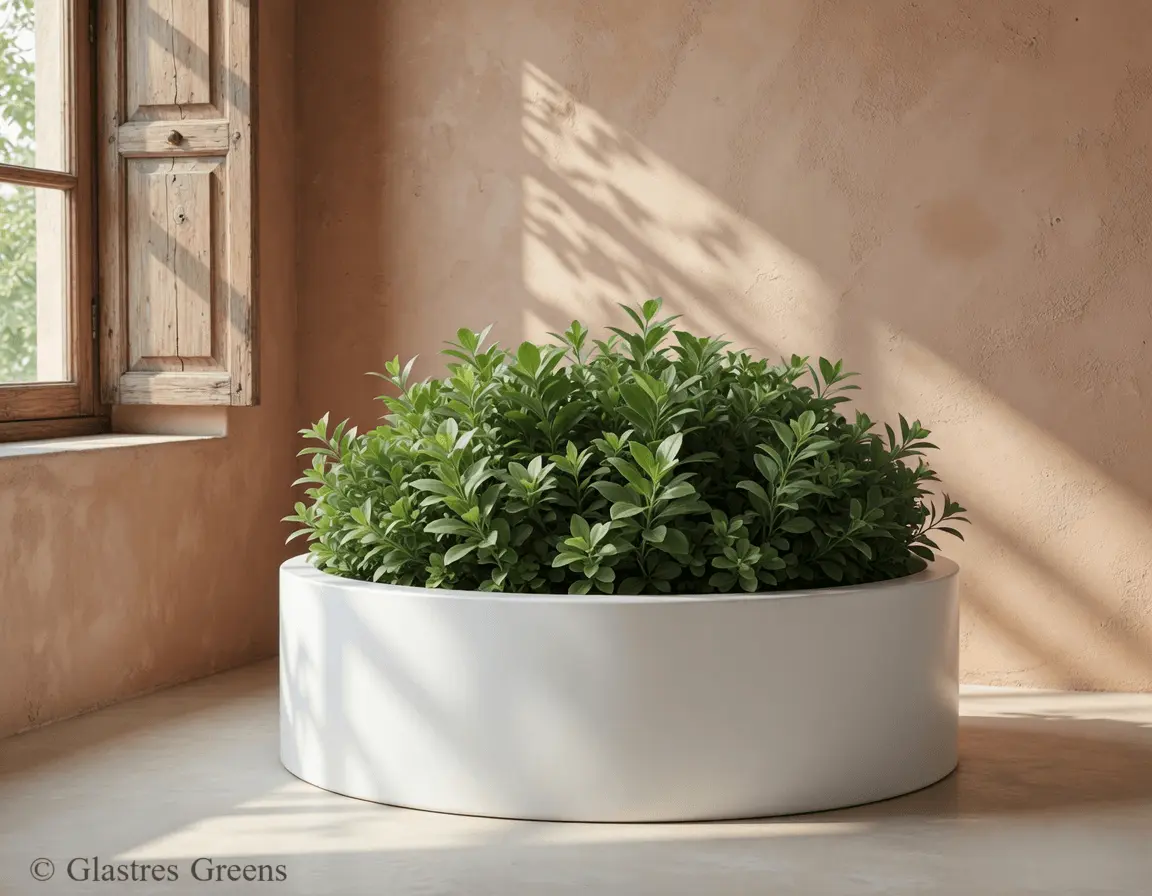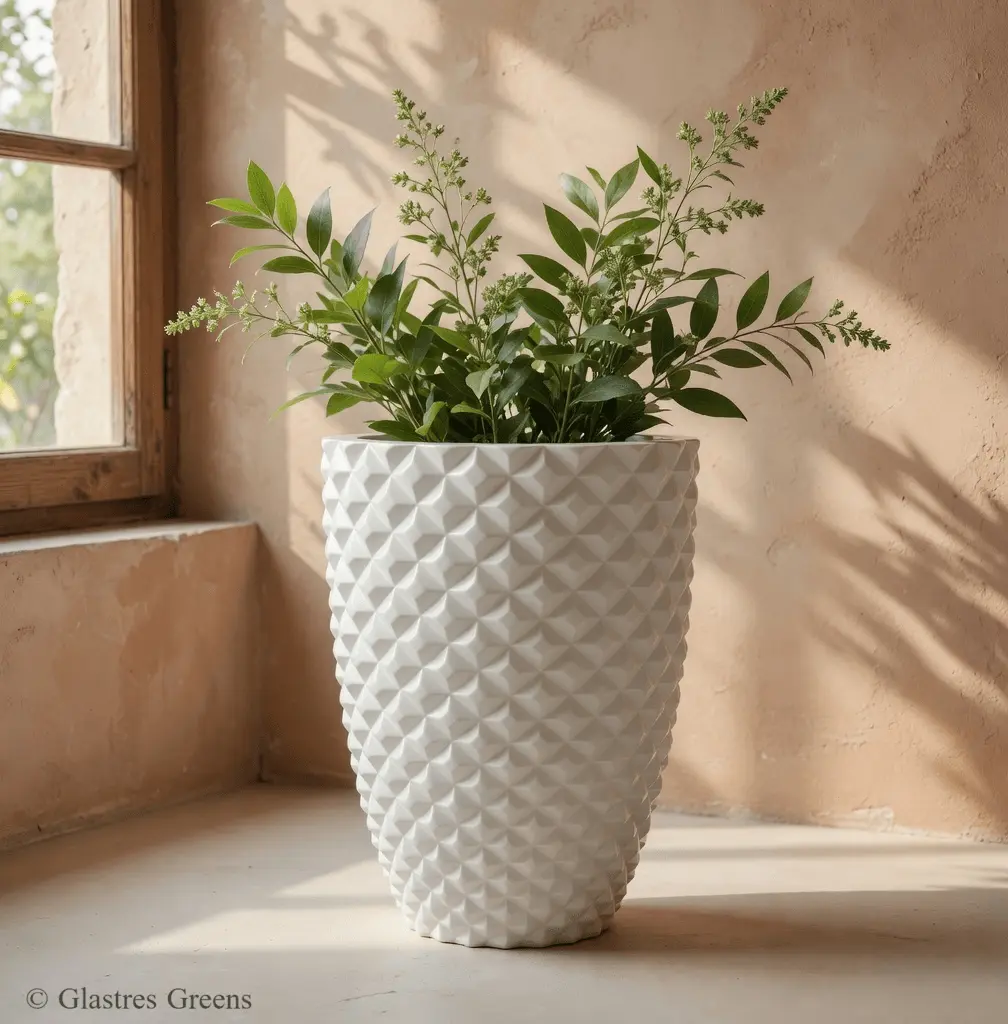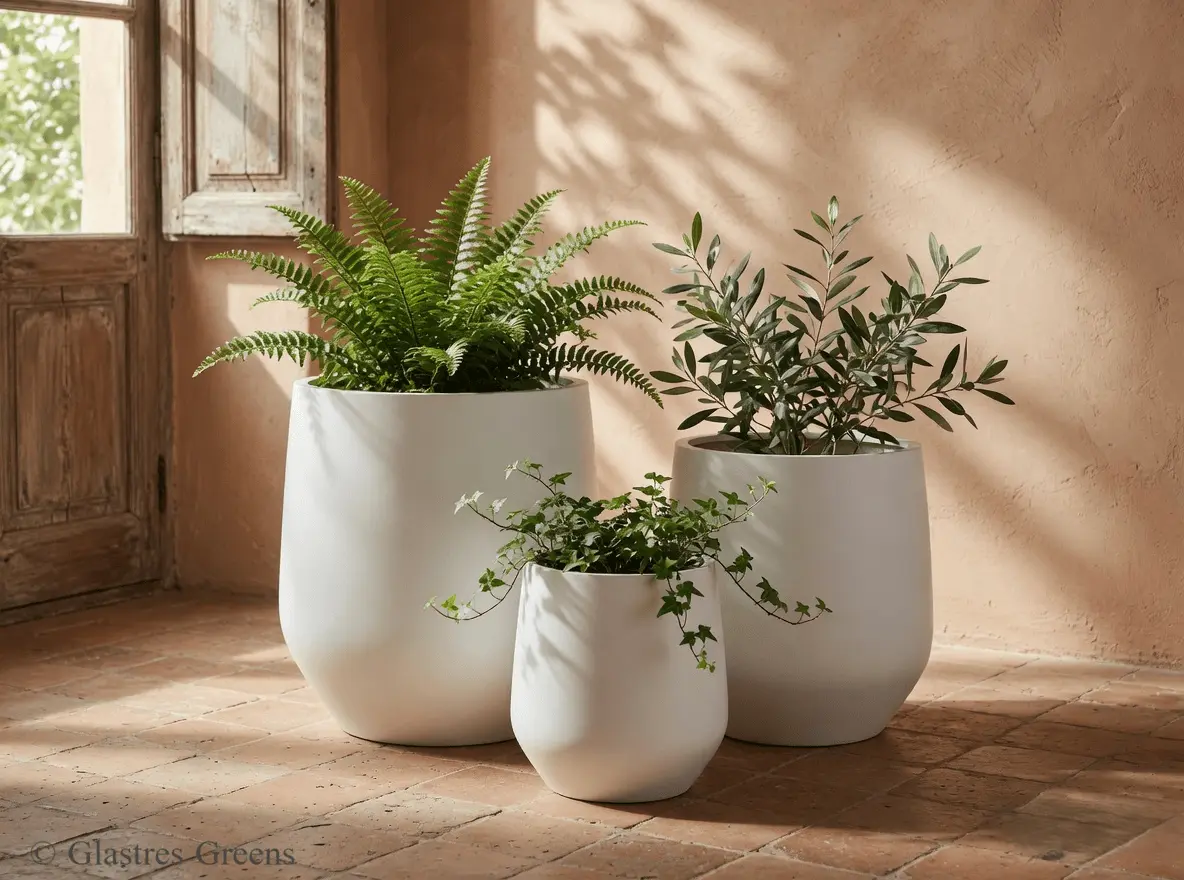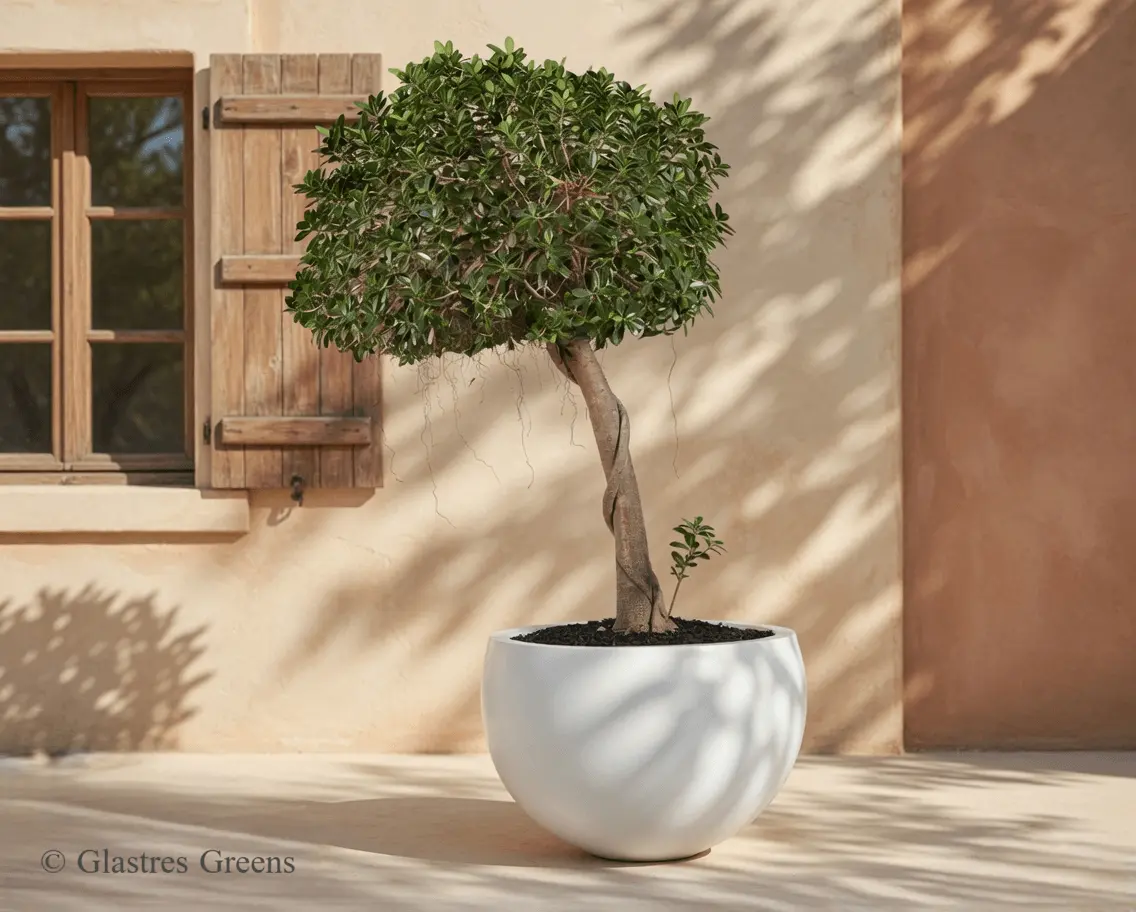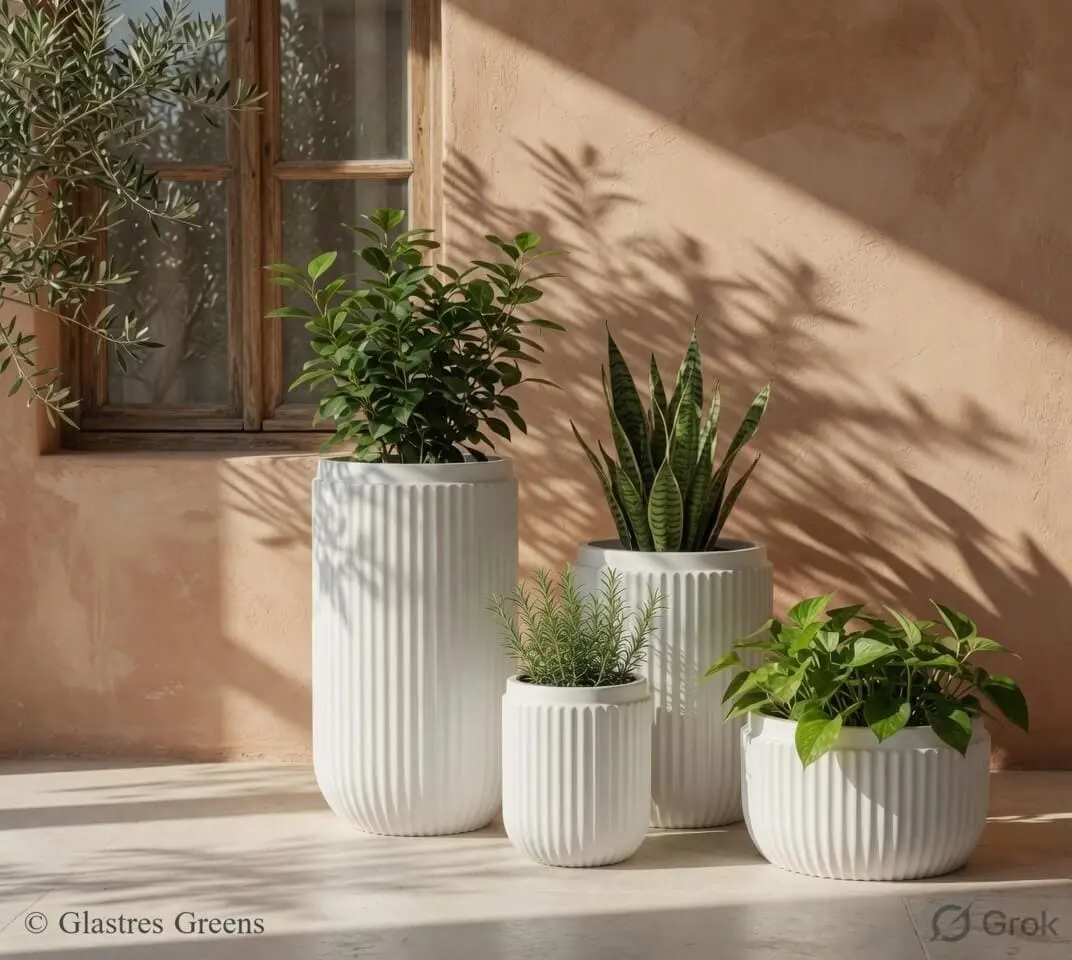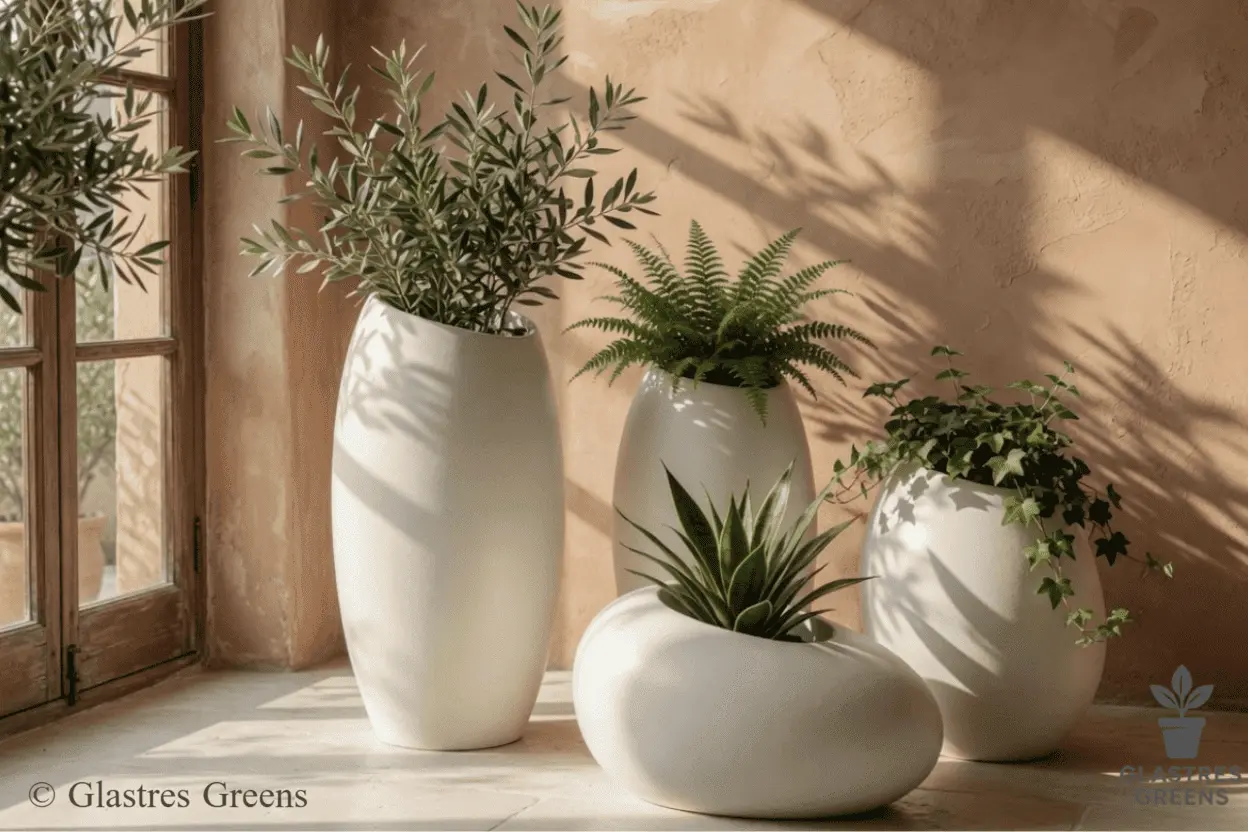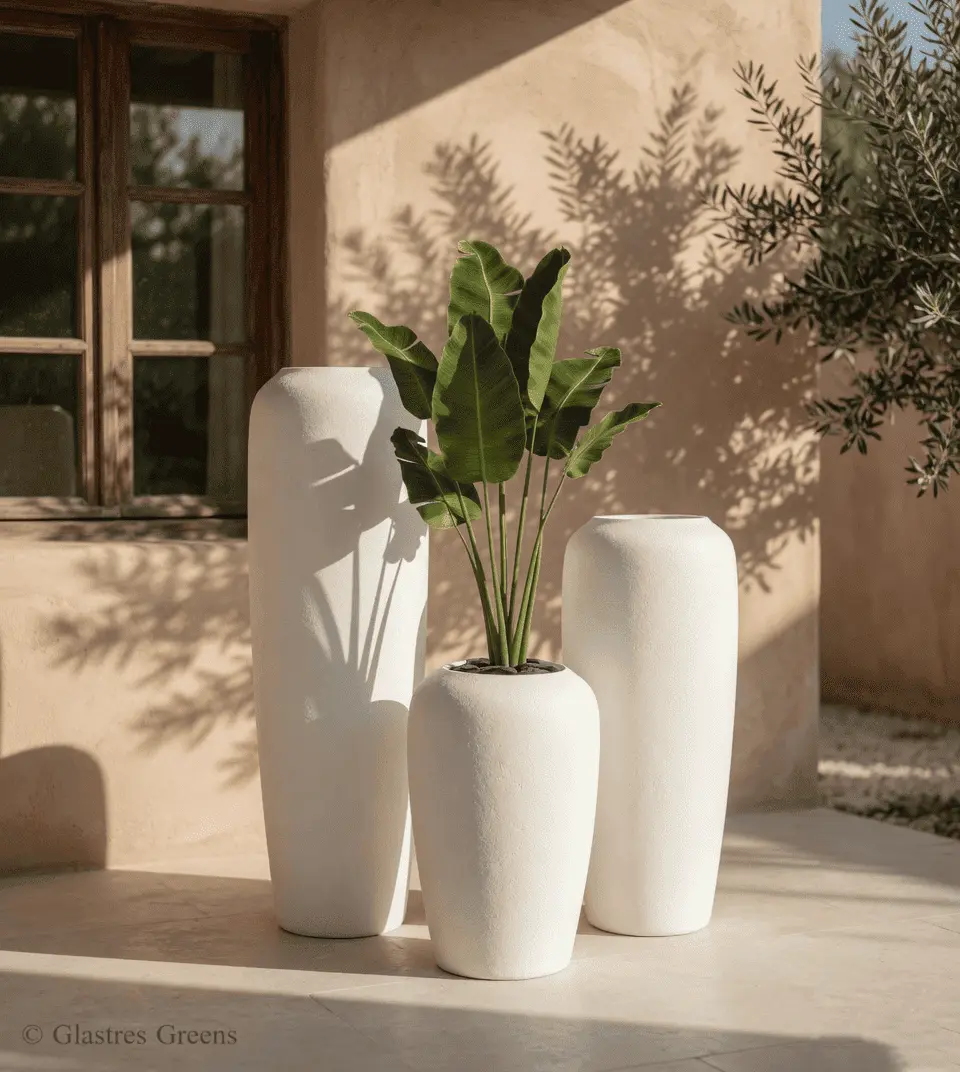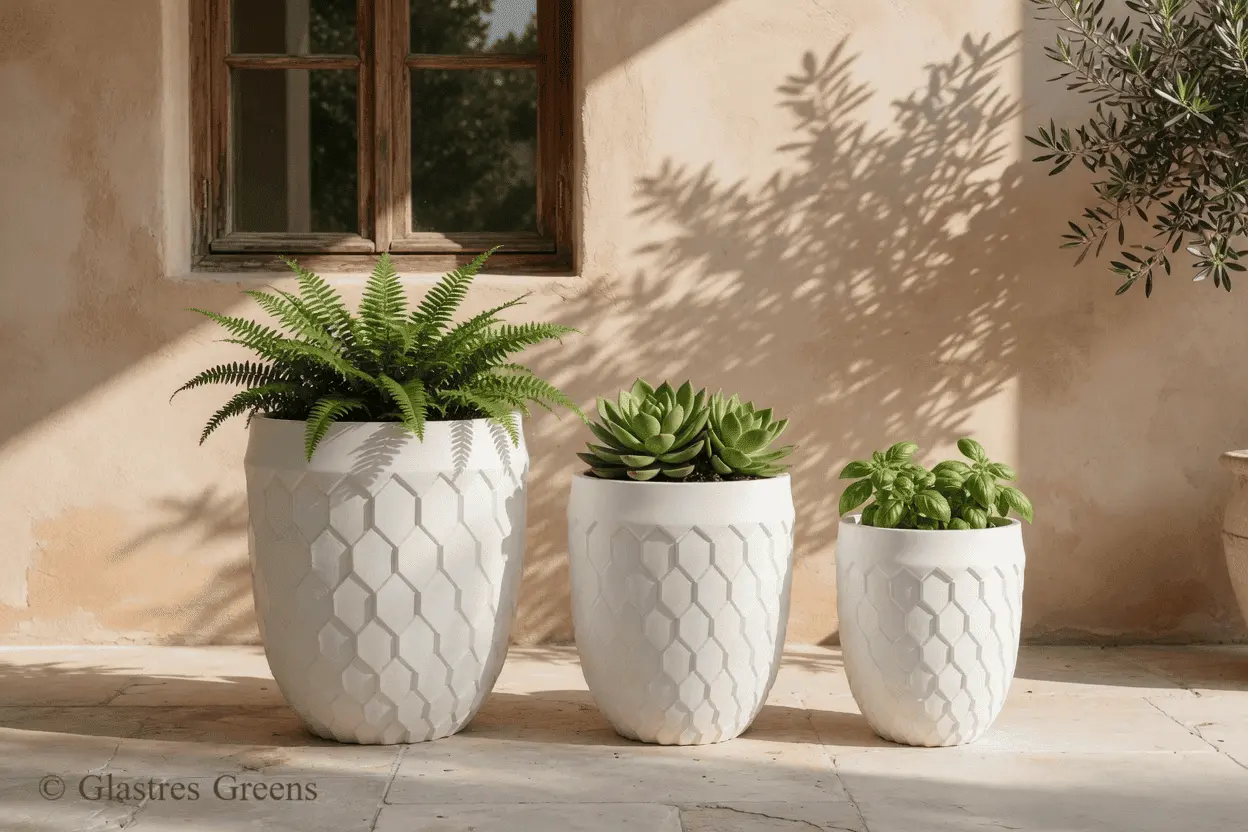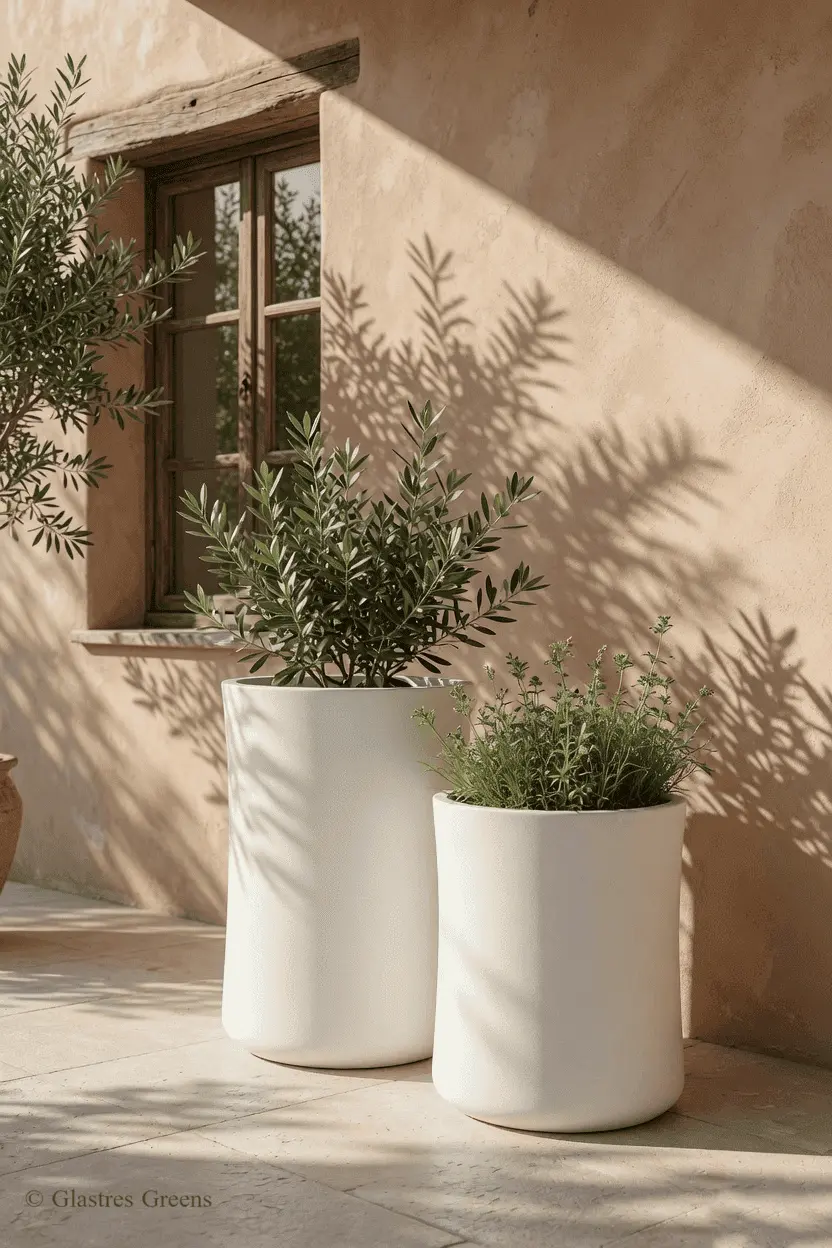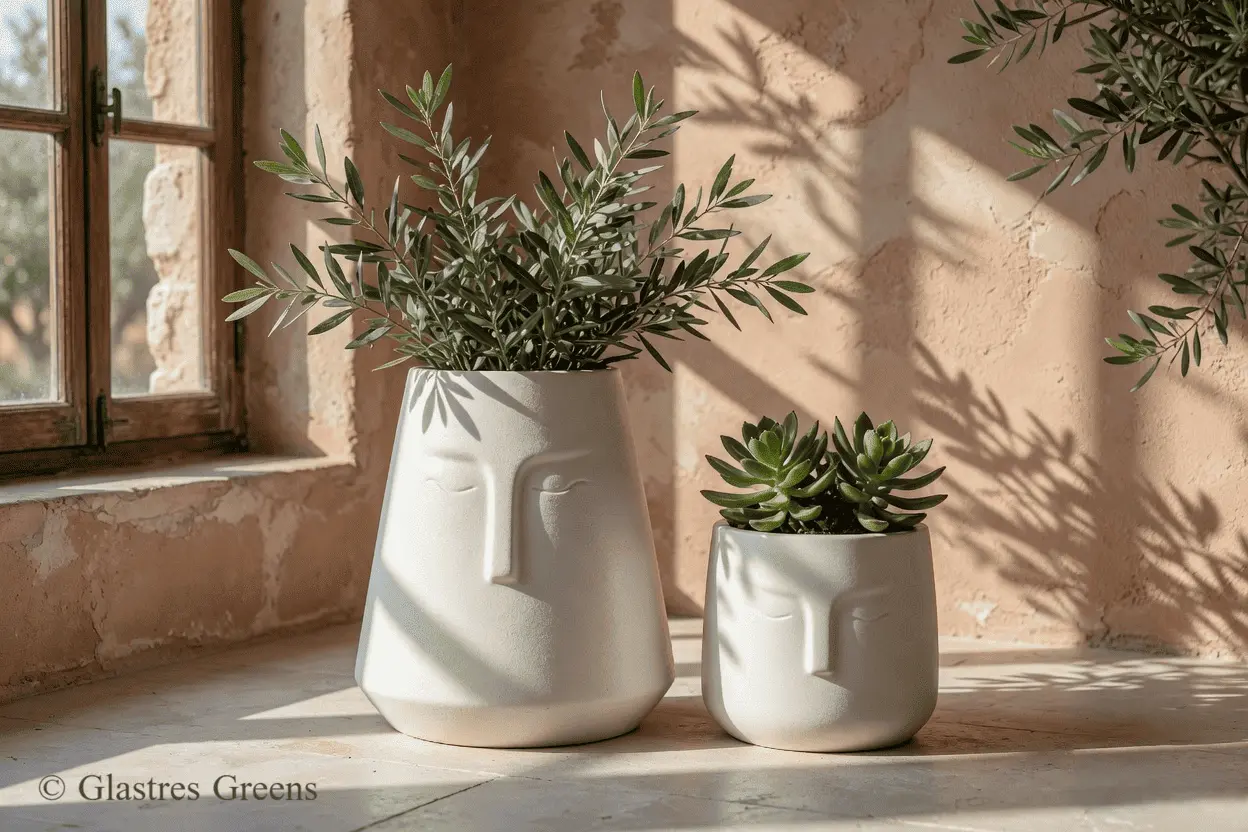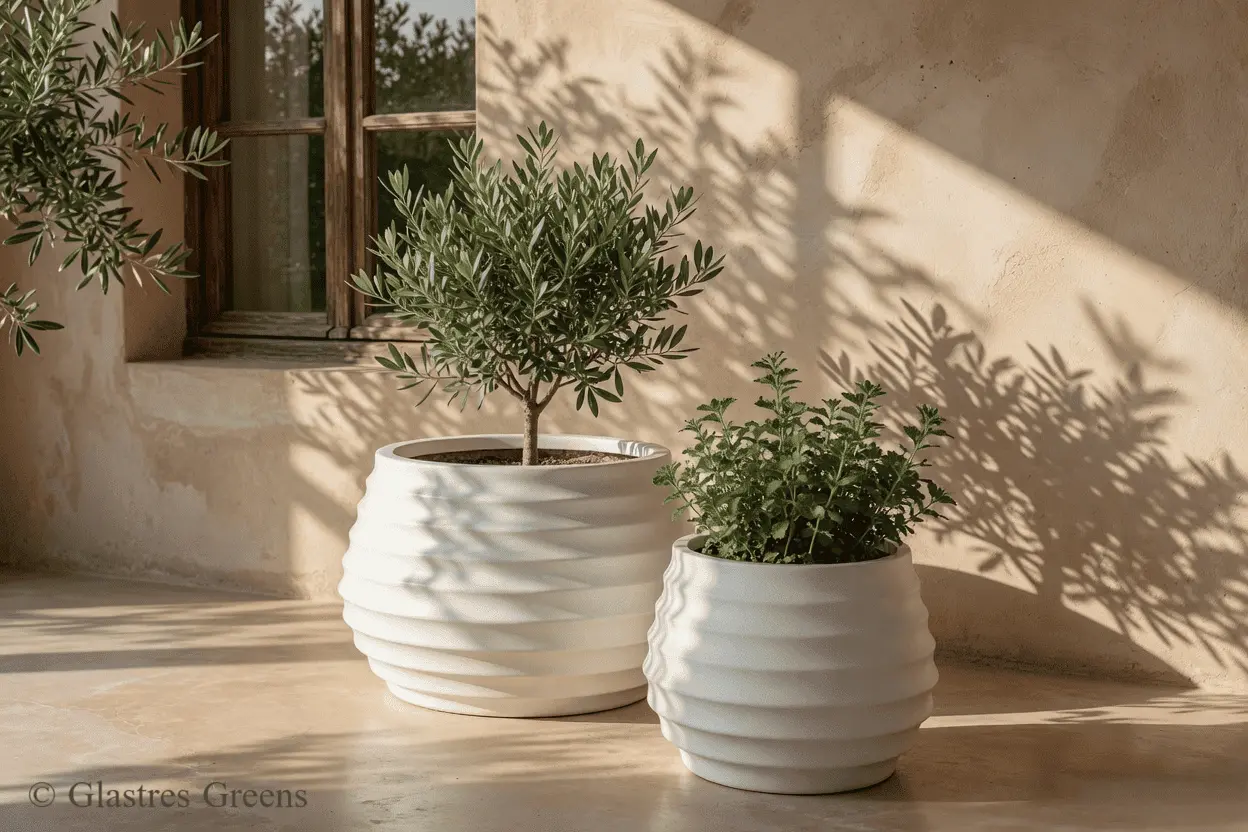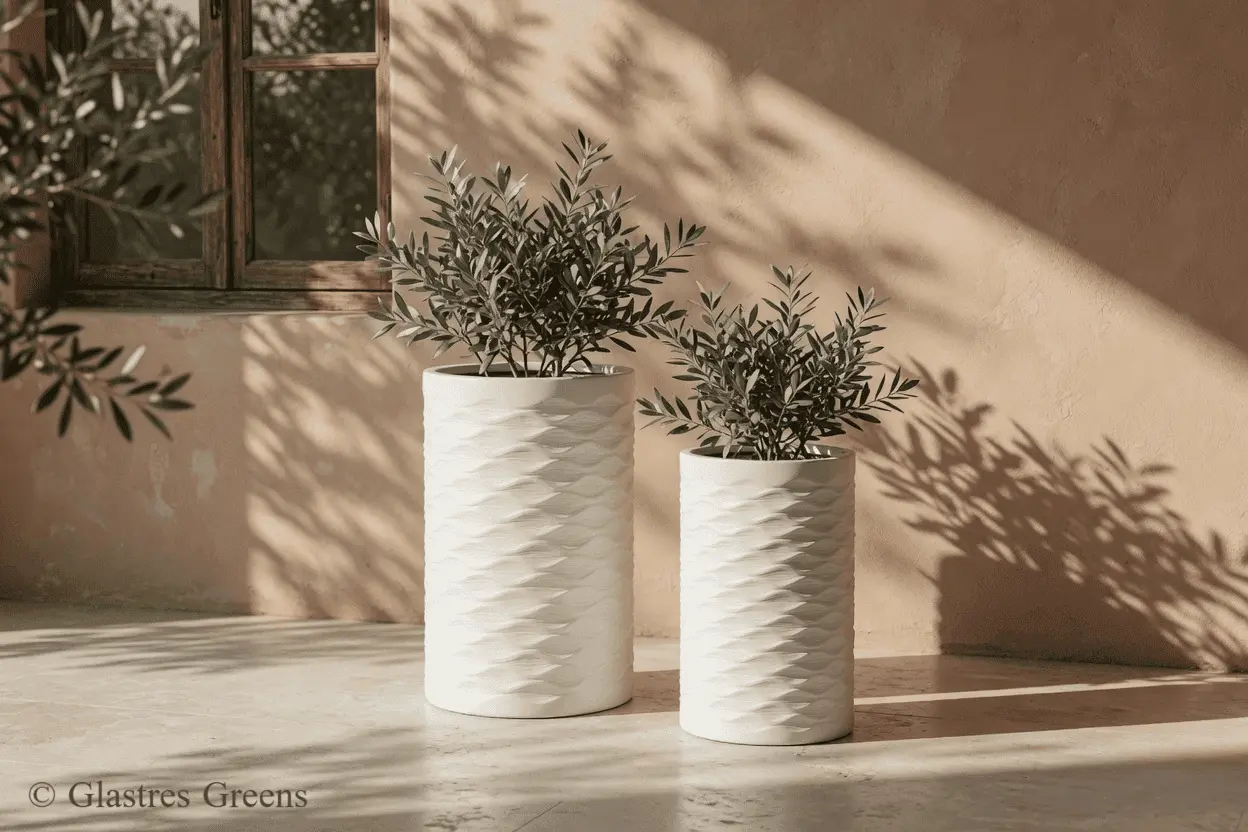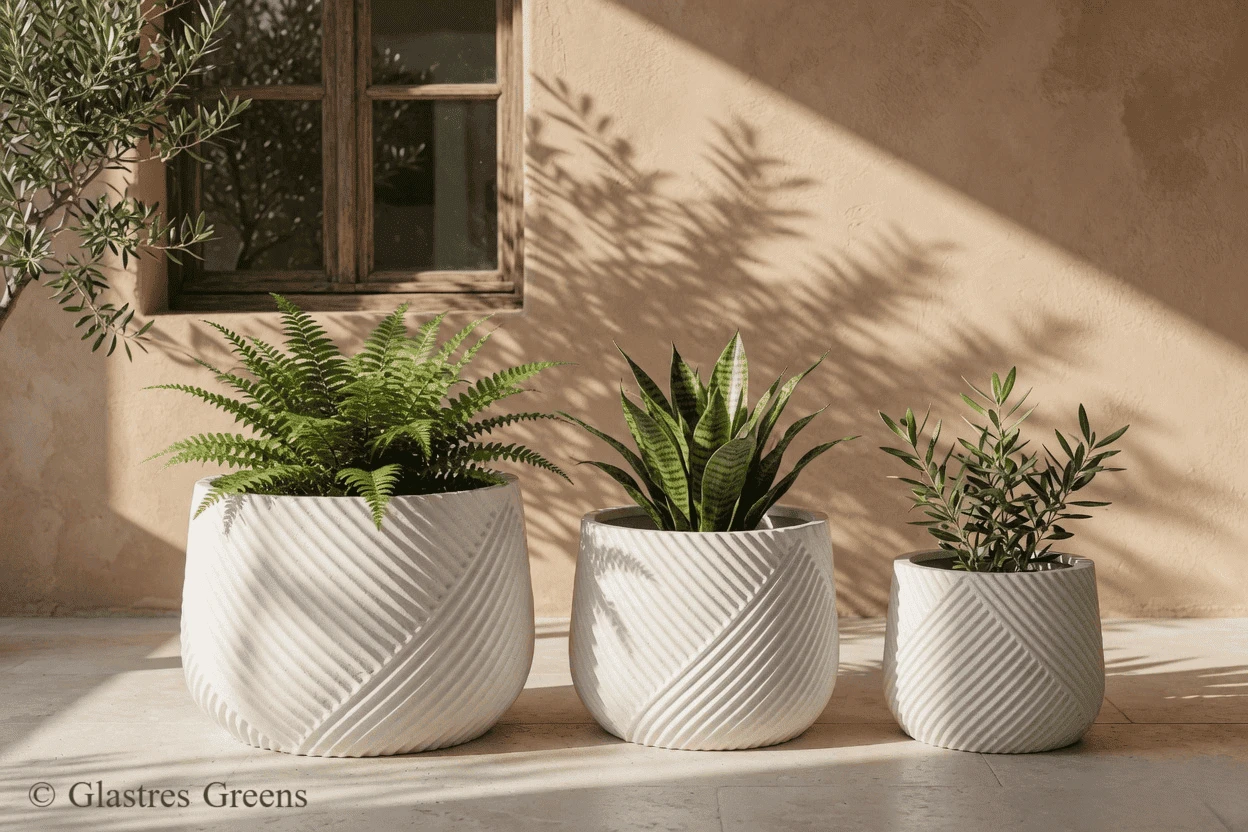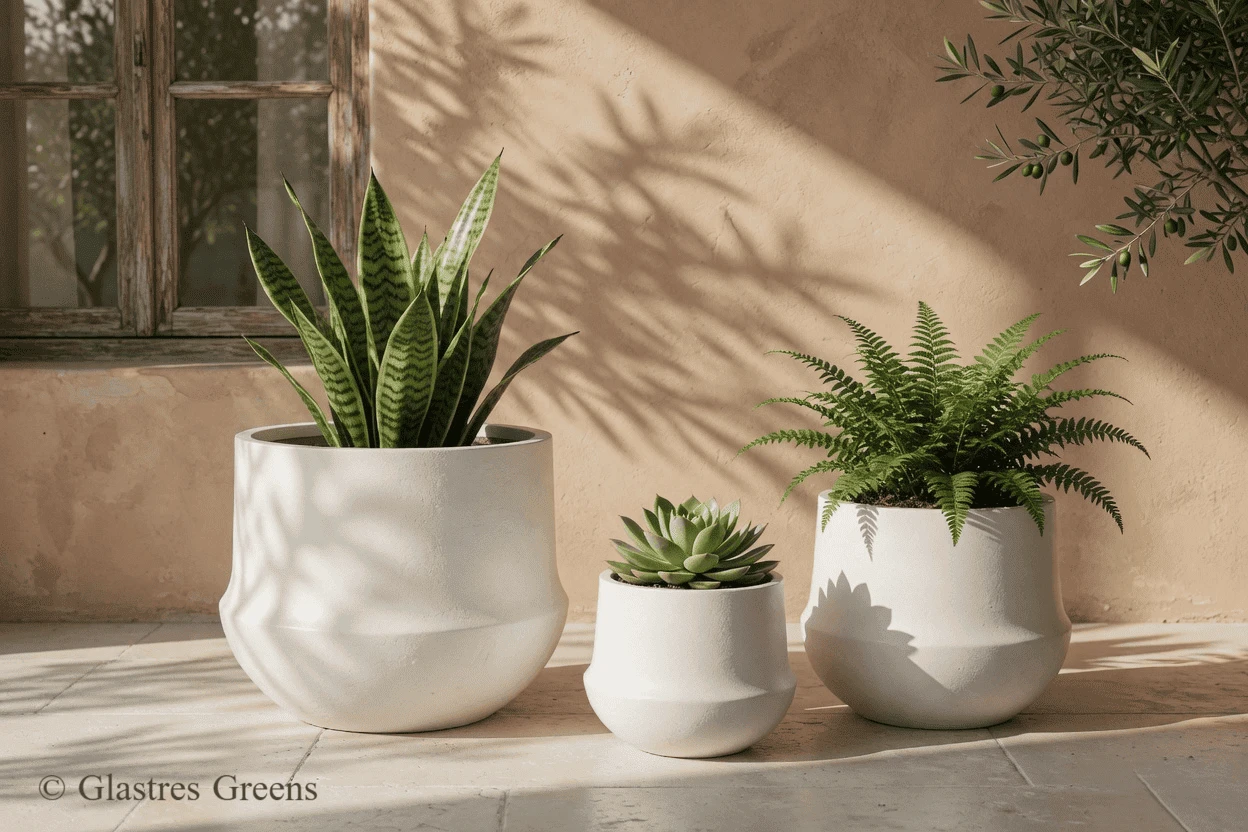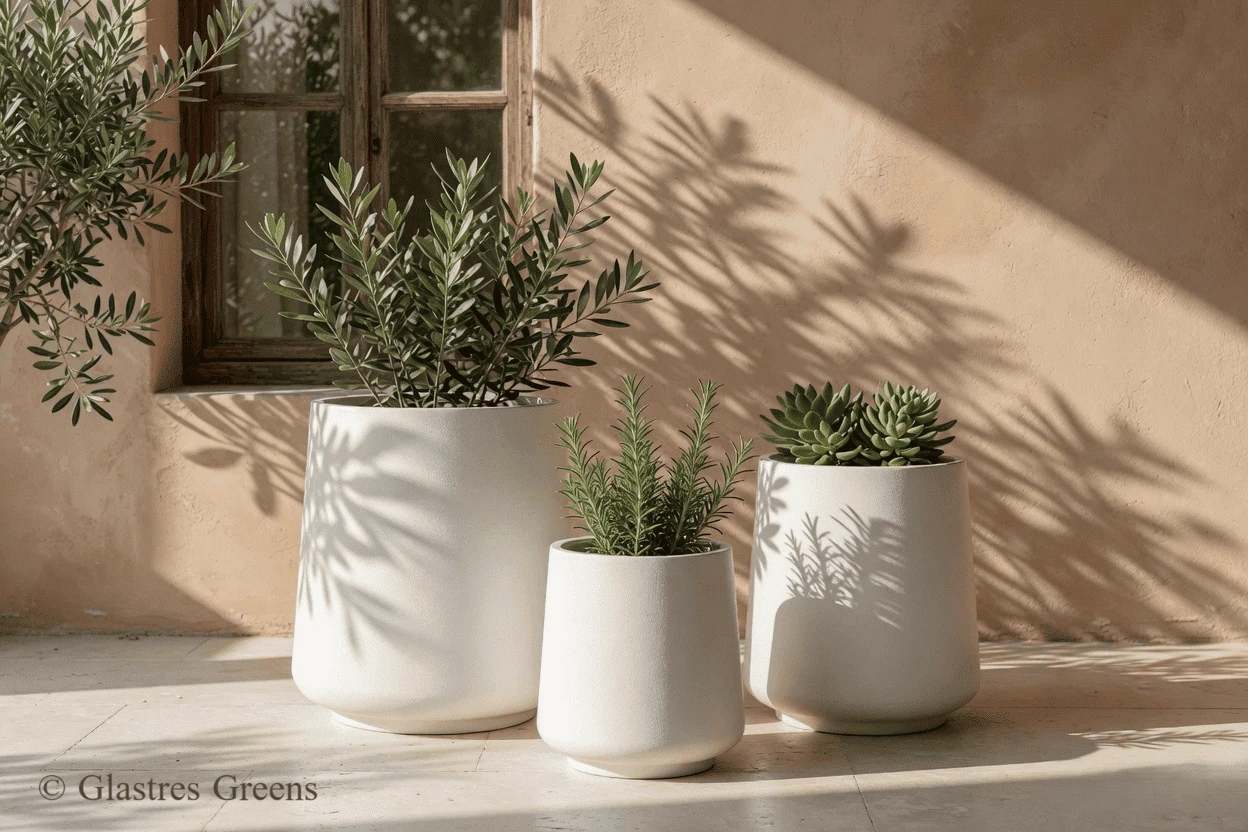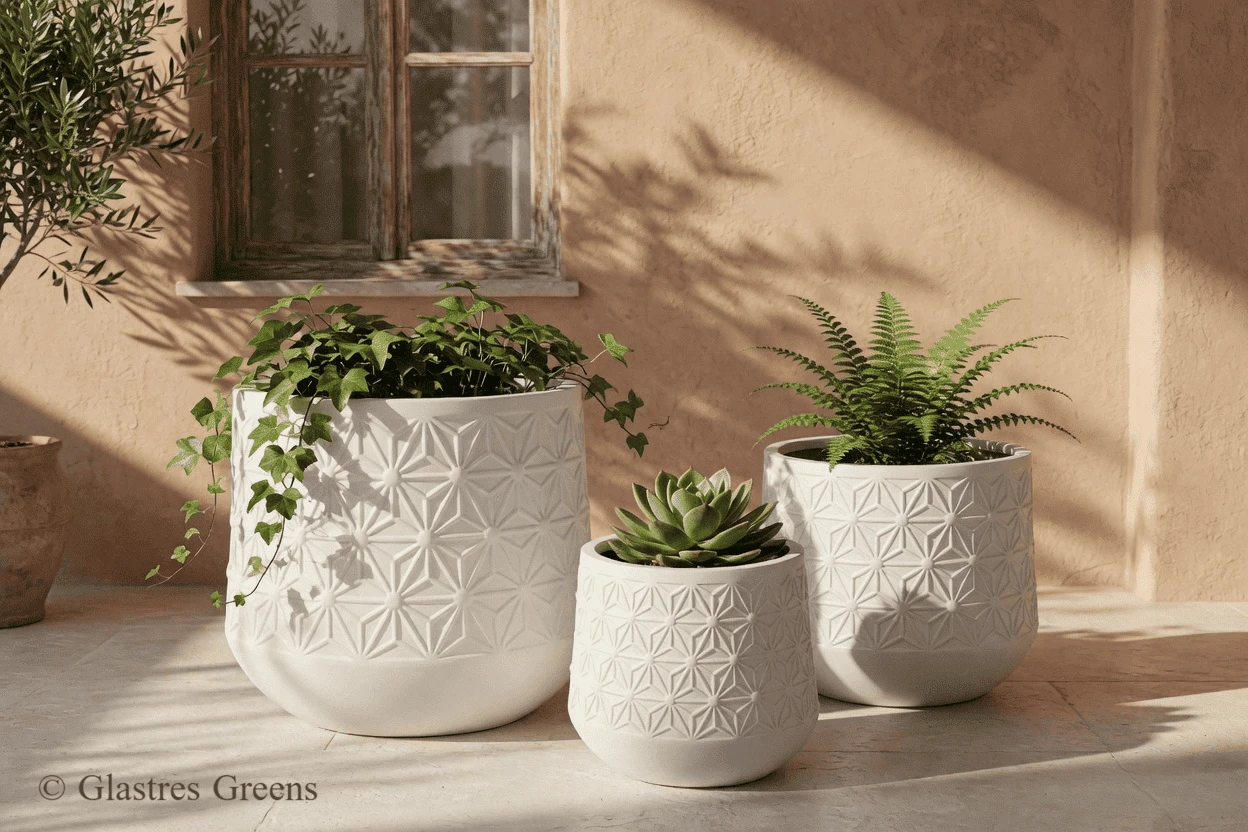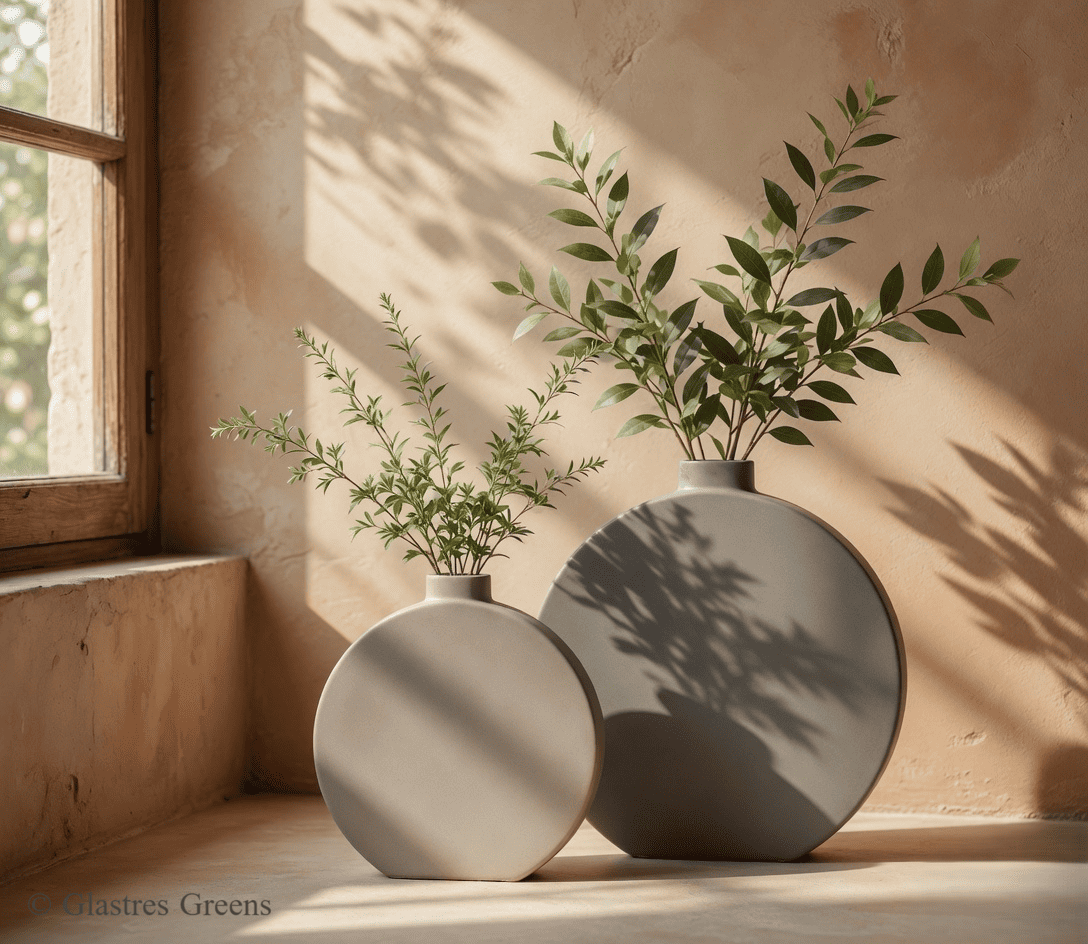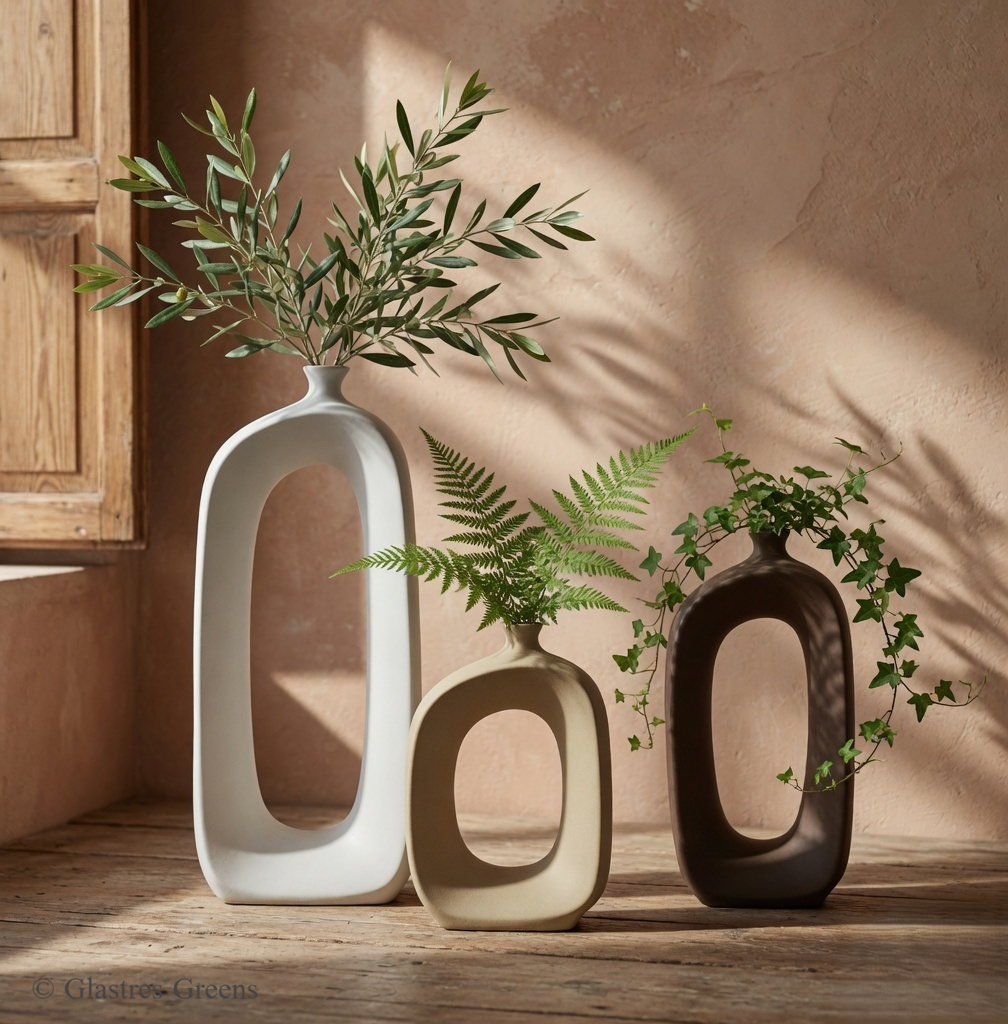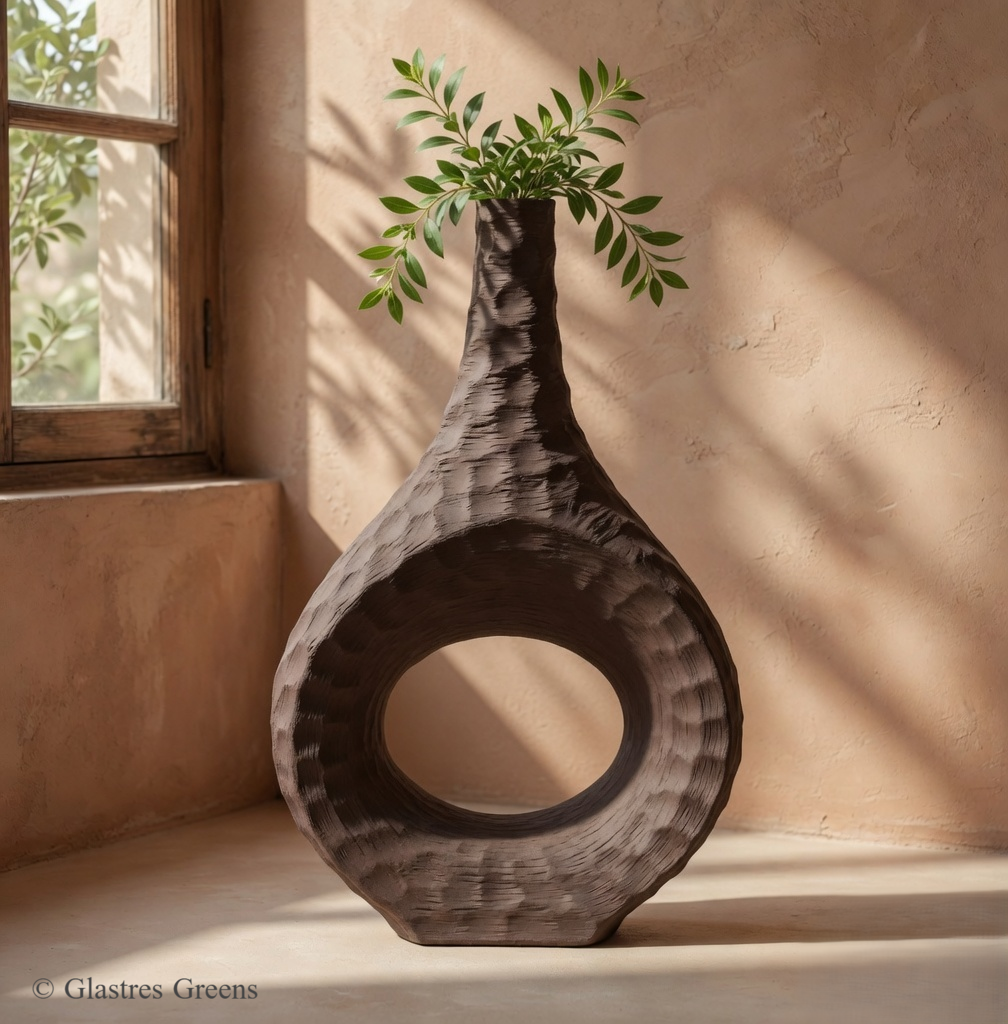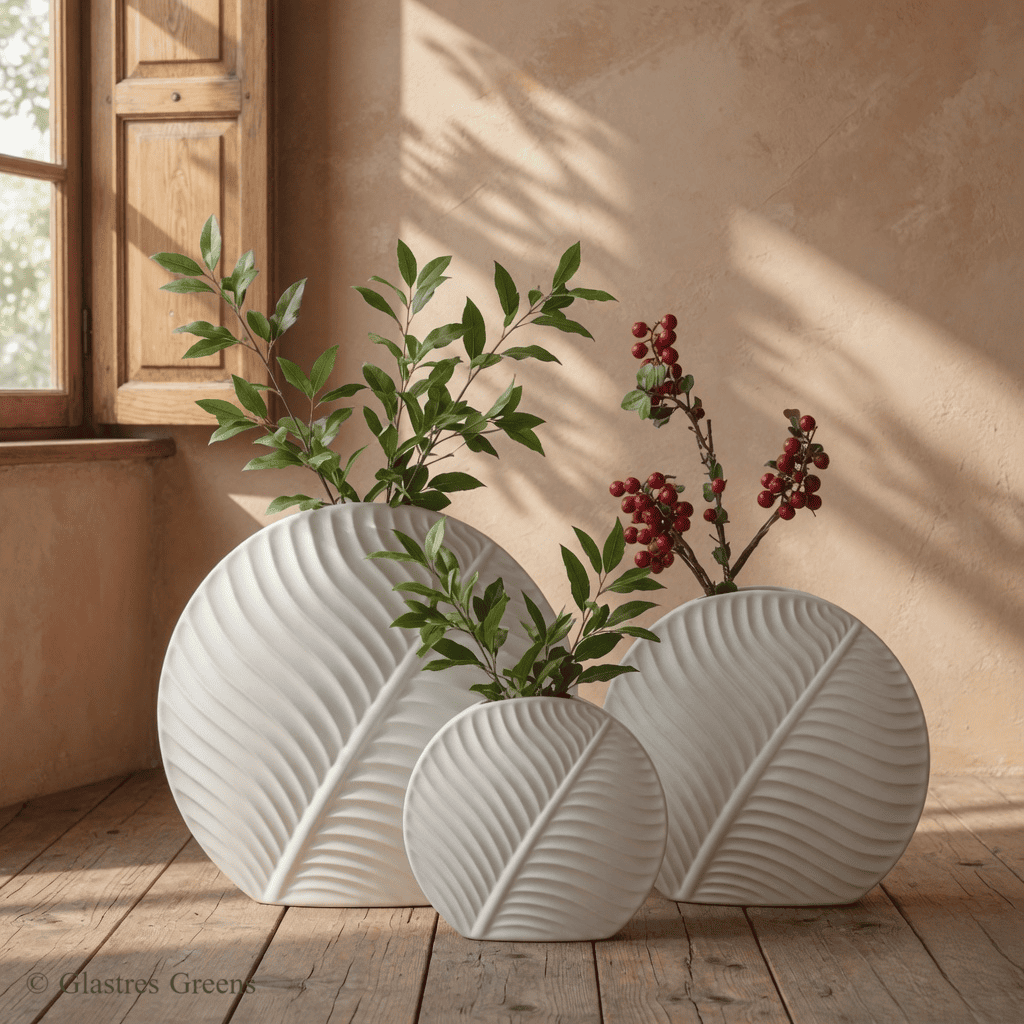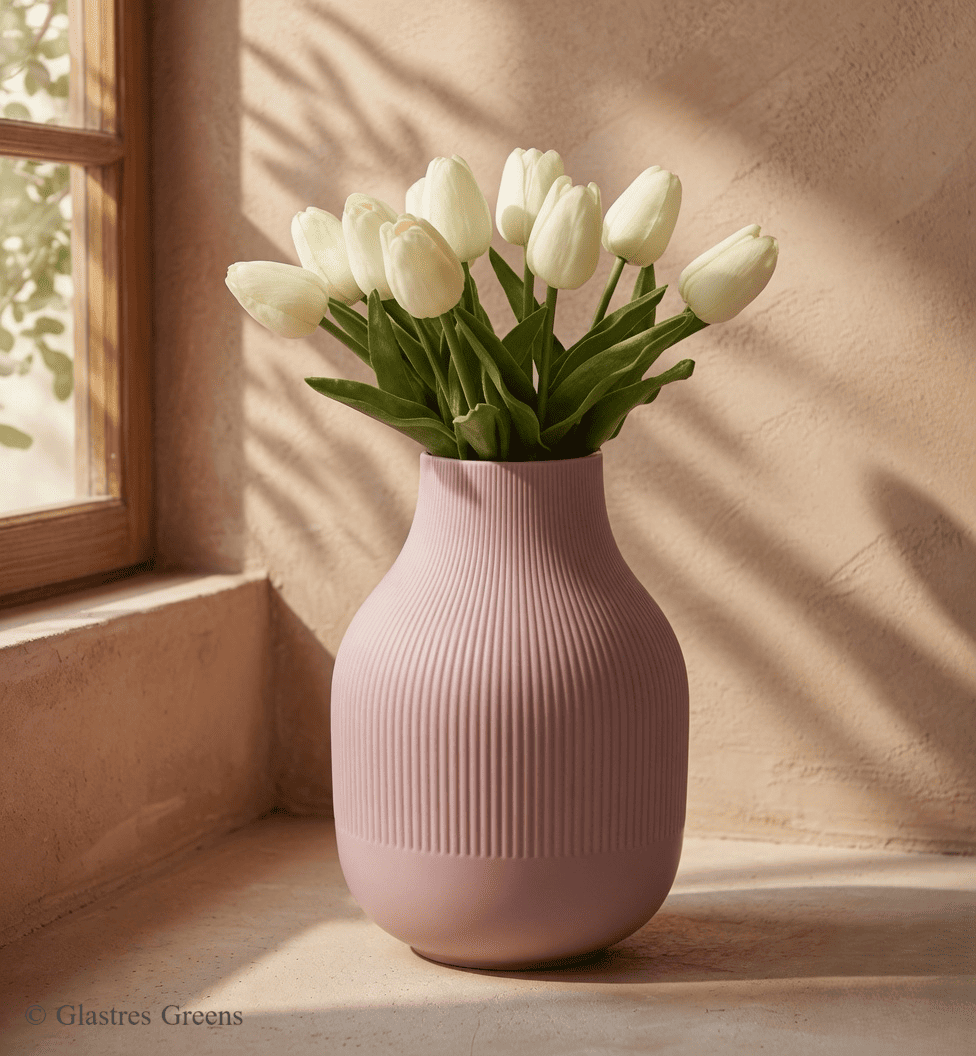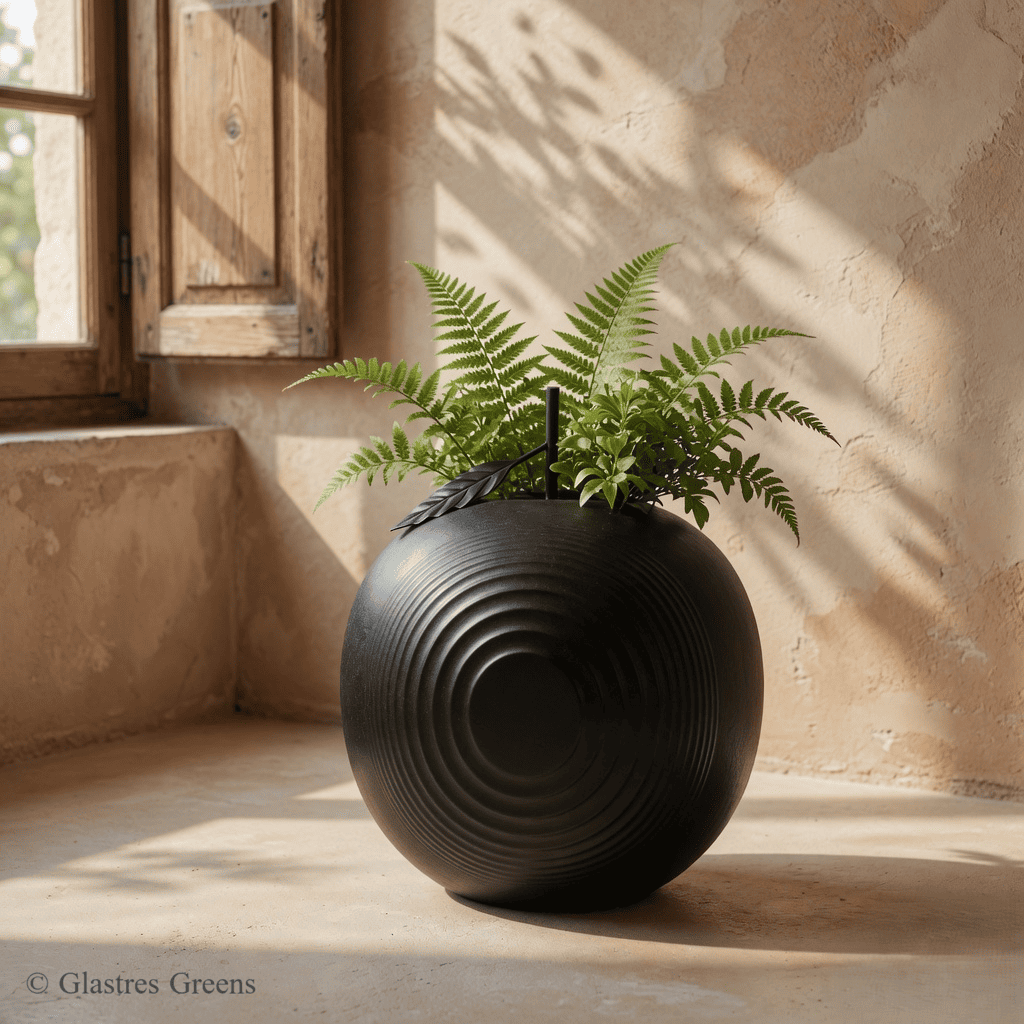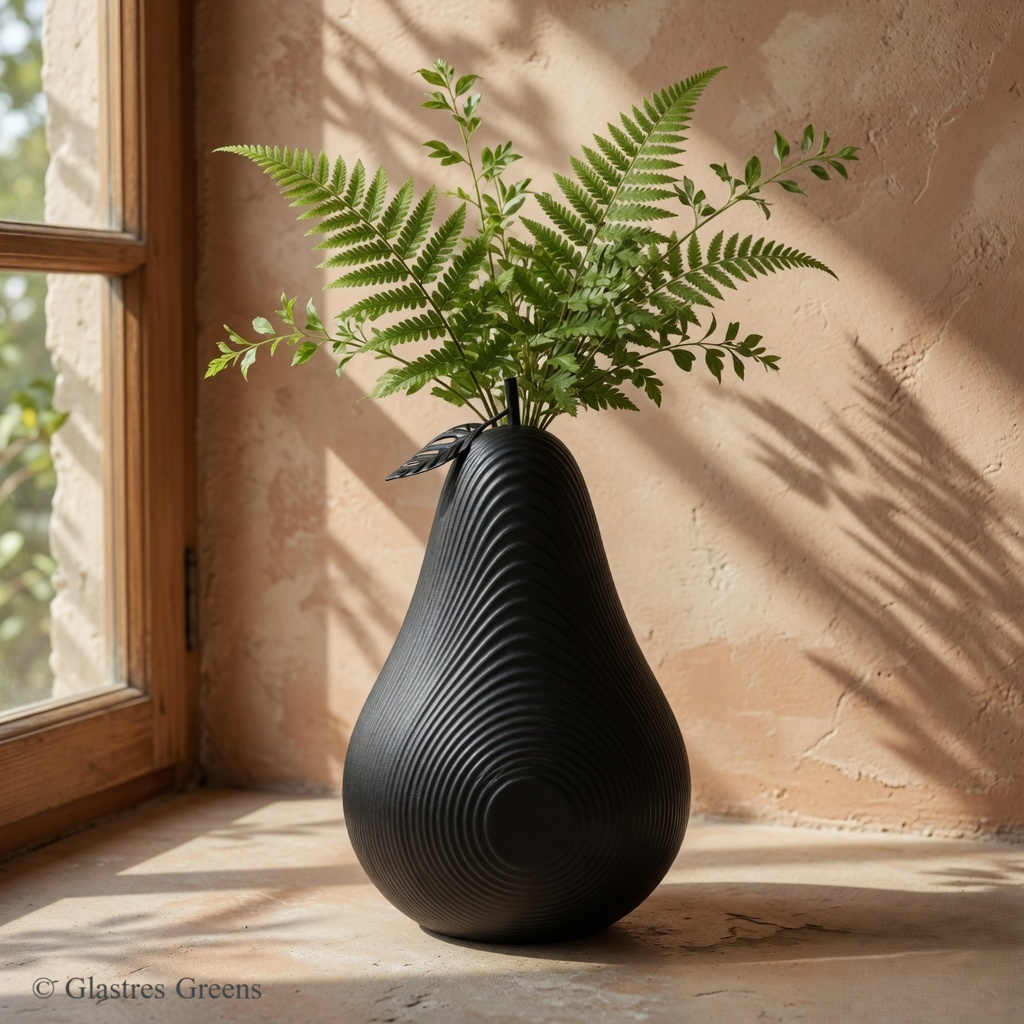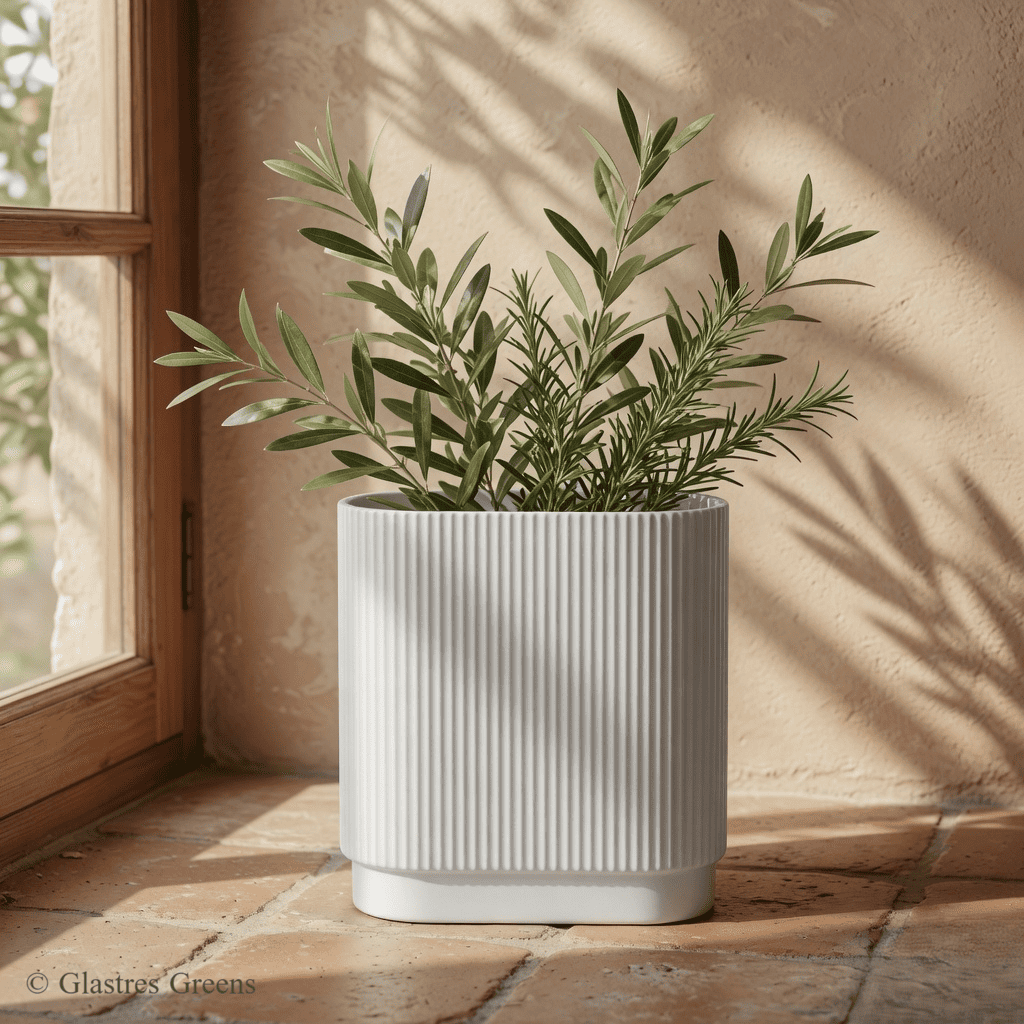
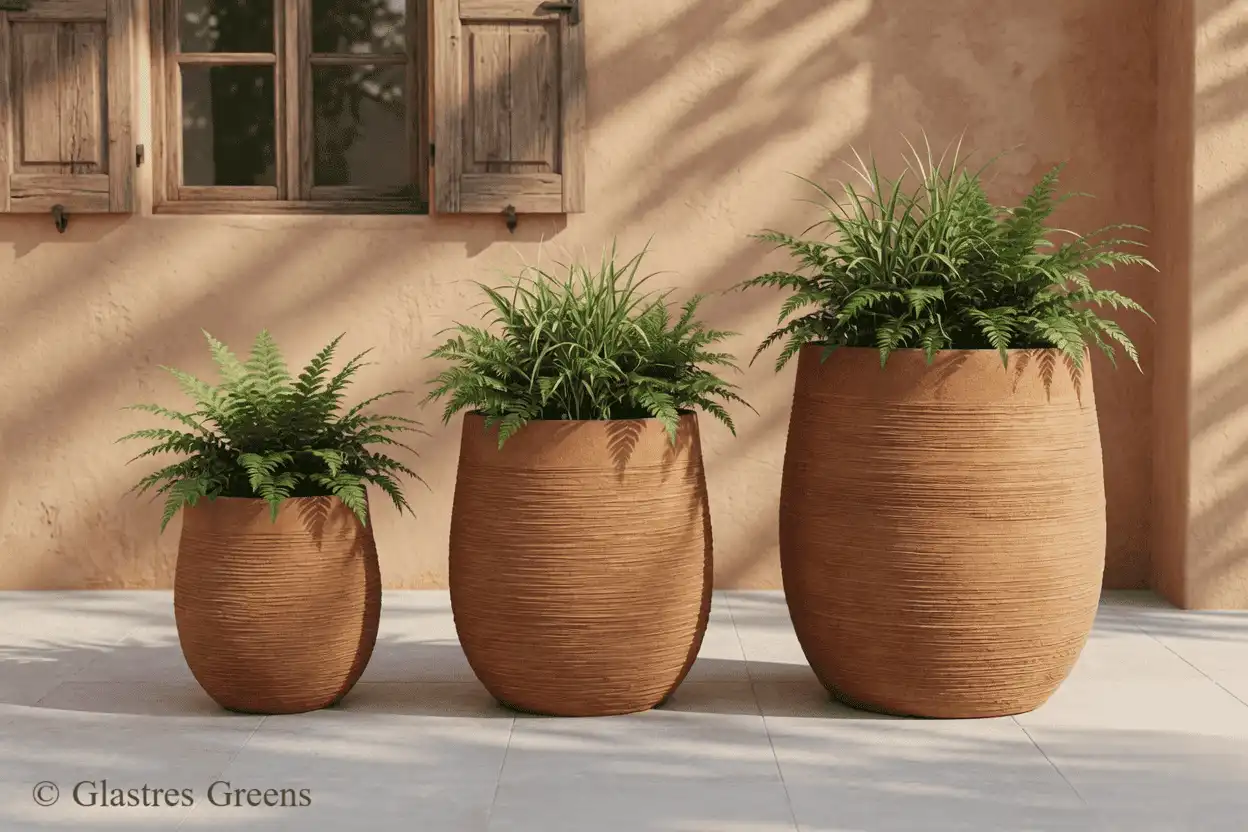
EST. 2010 • BANGALORE • PAN-INDIA

India's Most
Exquisite
FRP Planters &
Fiberglass Pots

Handcrafted in Bangalore since 2010.
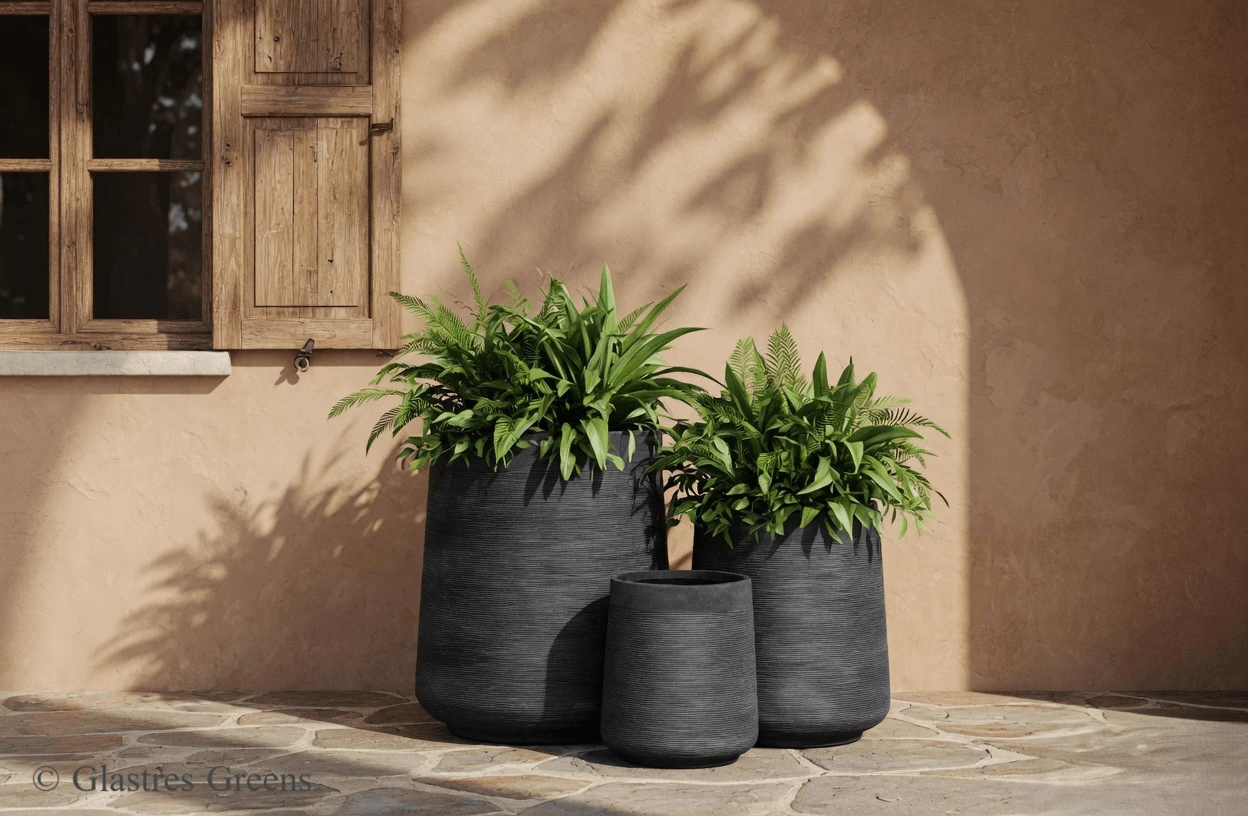
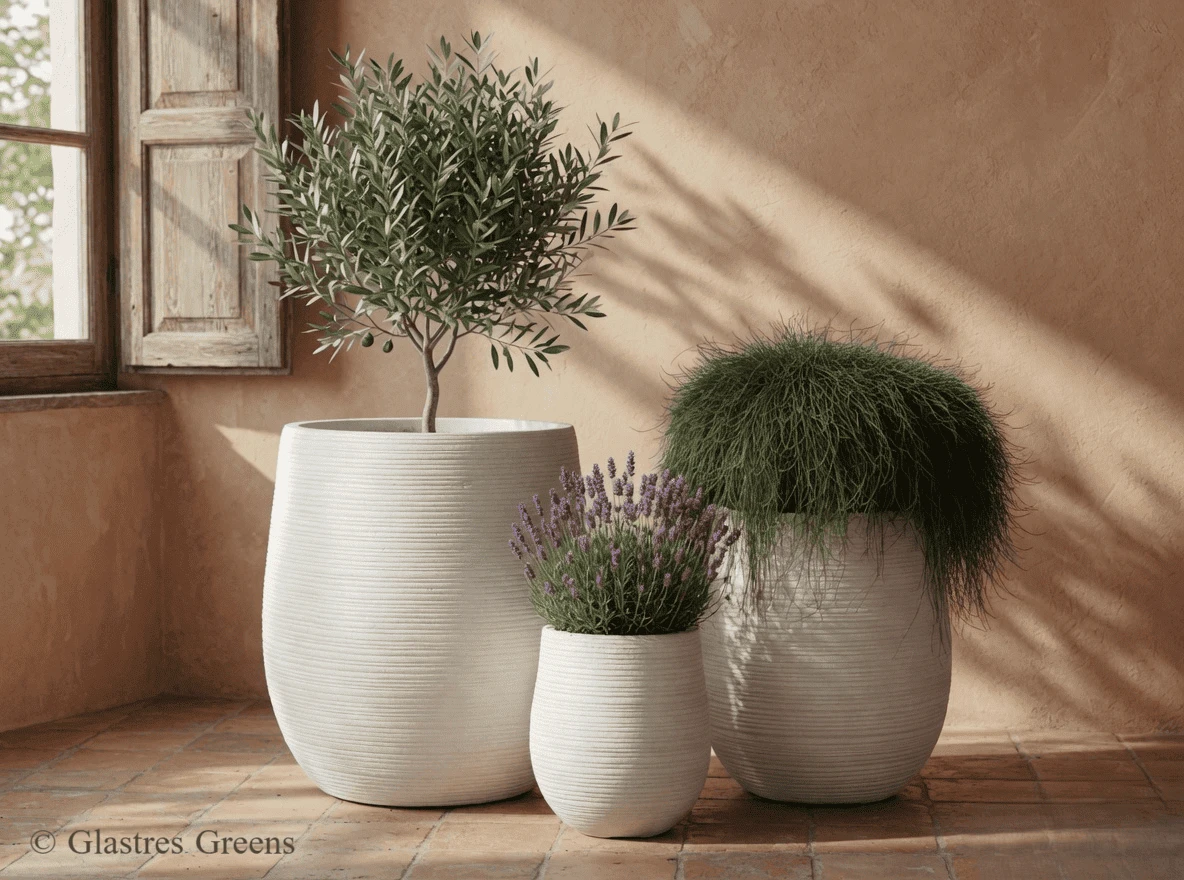
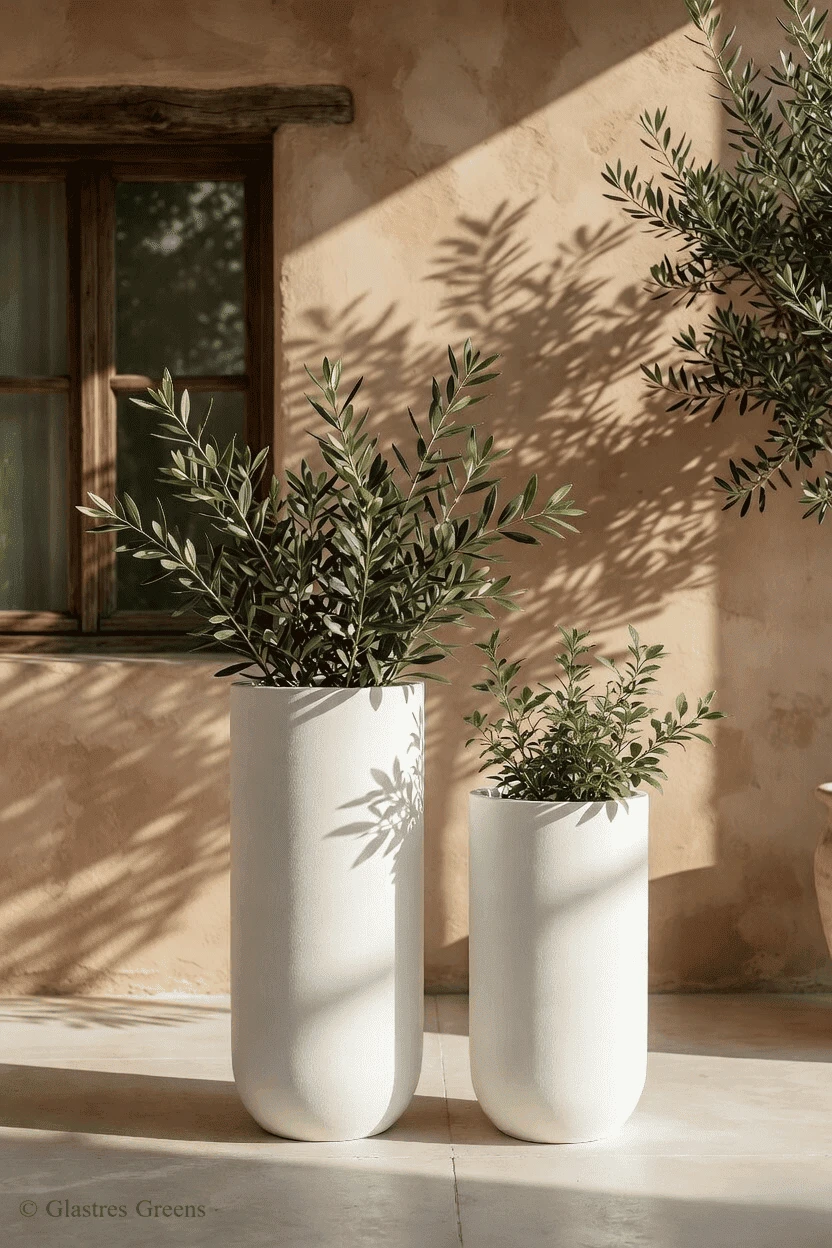
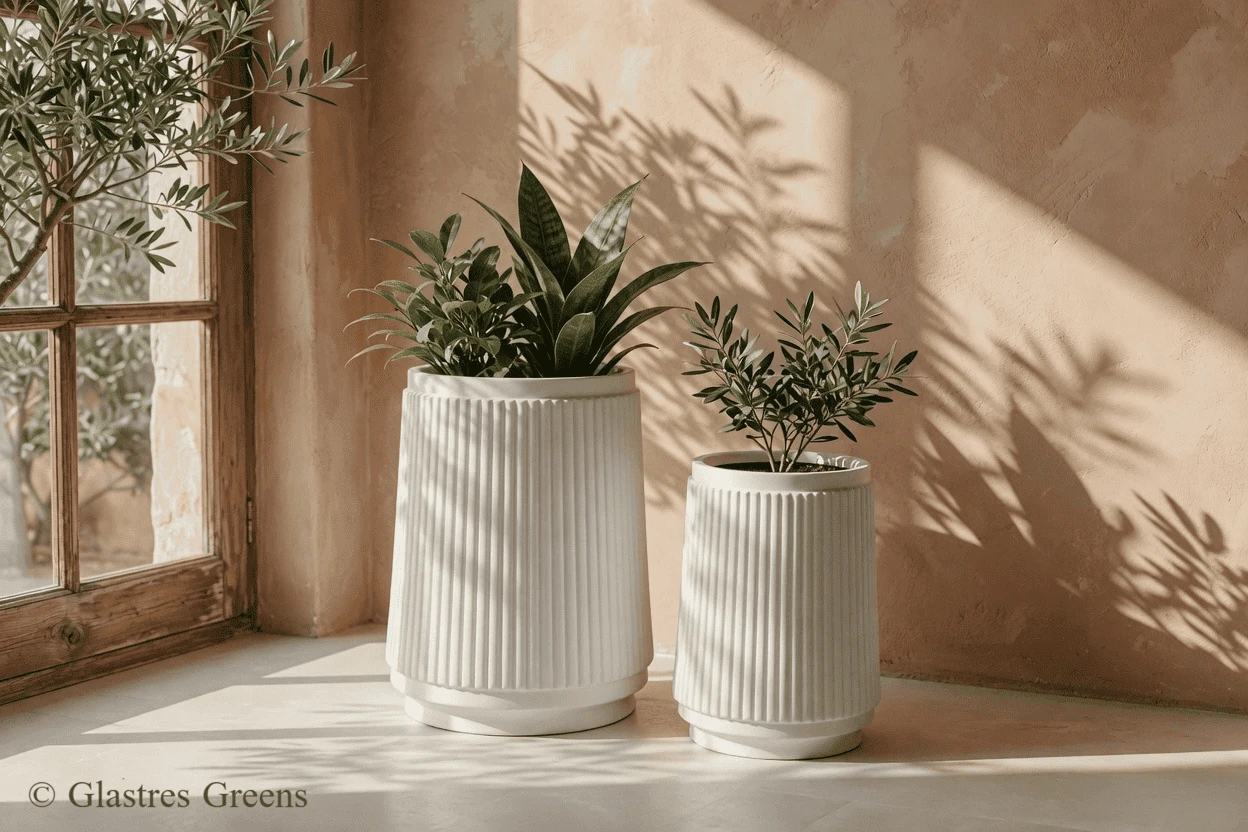
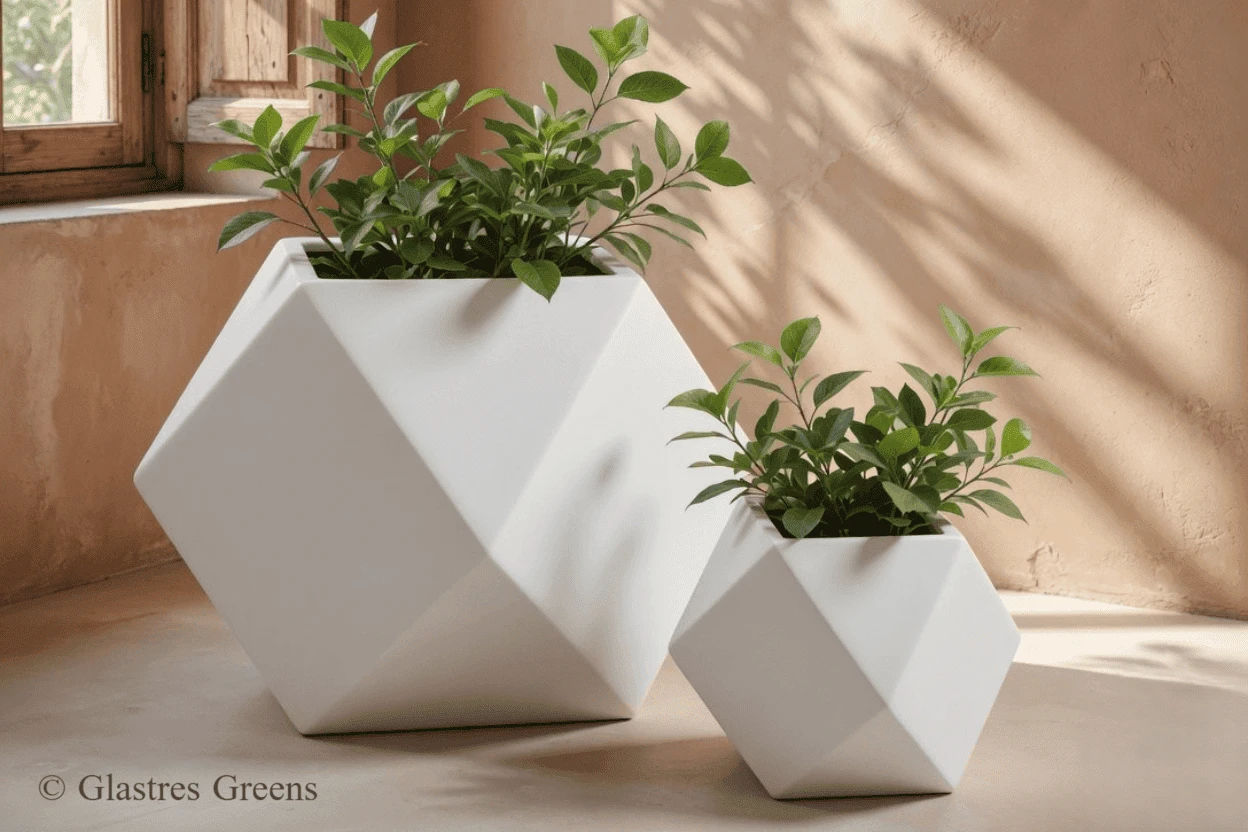
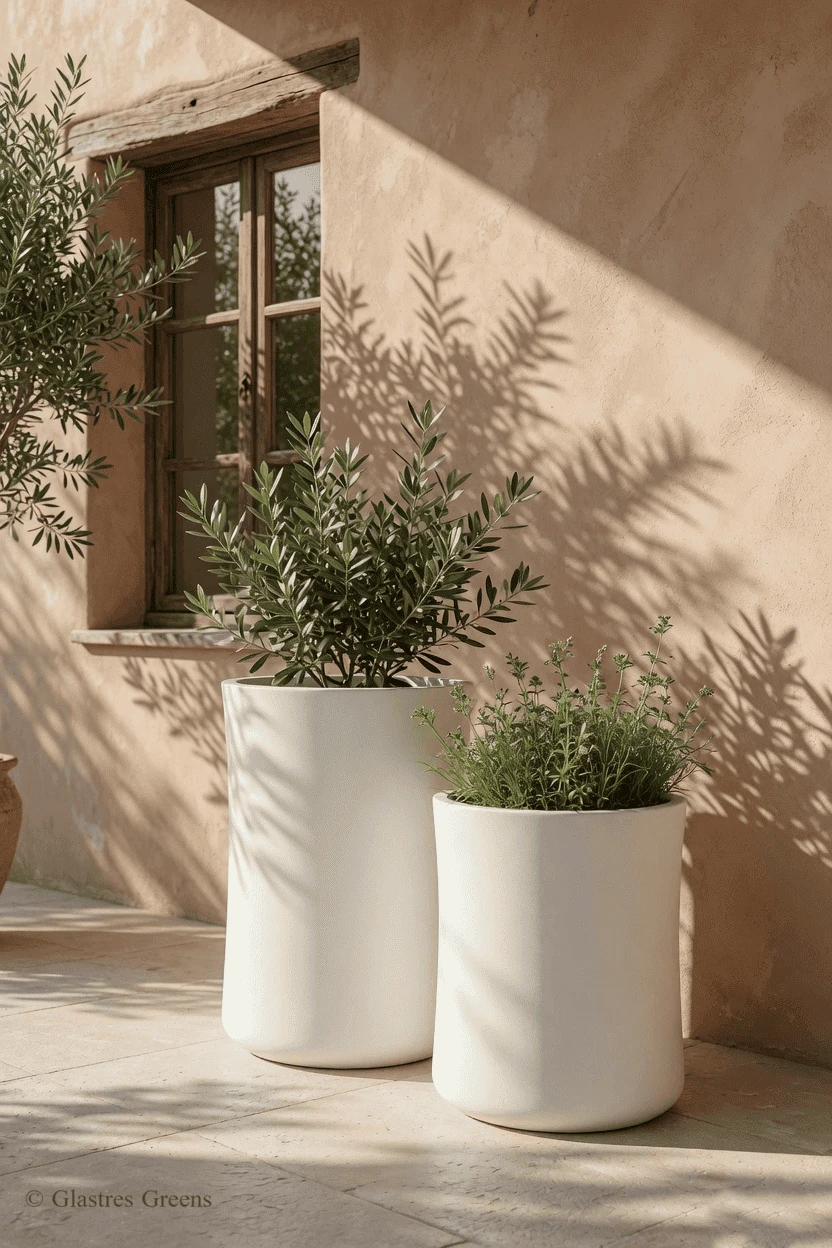
468+ signature designs • Weatherproof • Lightweight • UV Resistant.

Featured in 10,000+ luxury projects
Across India, Middle East, Europe & Asia
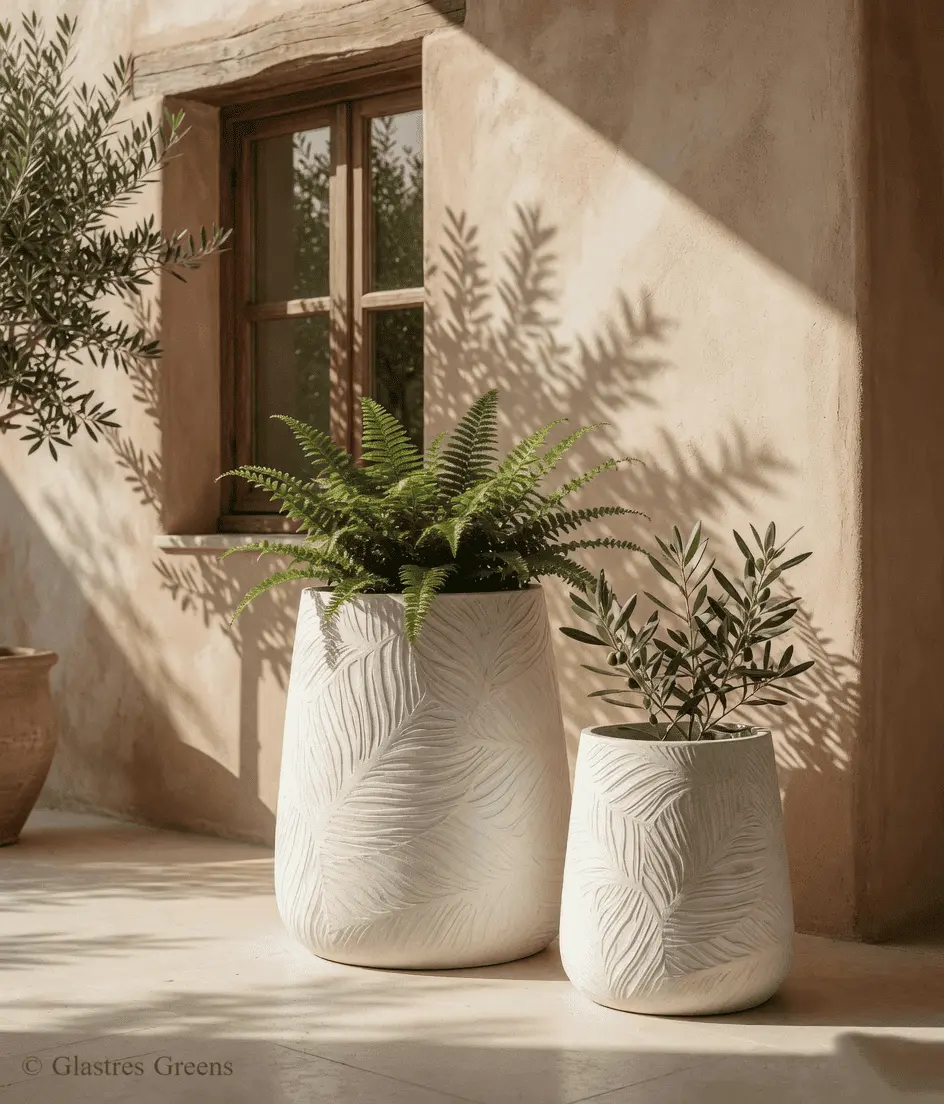
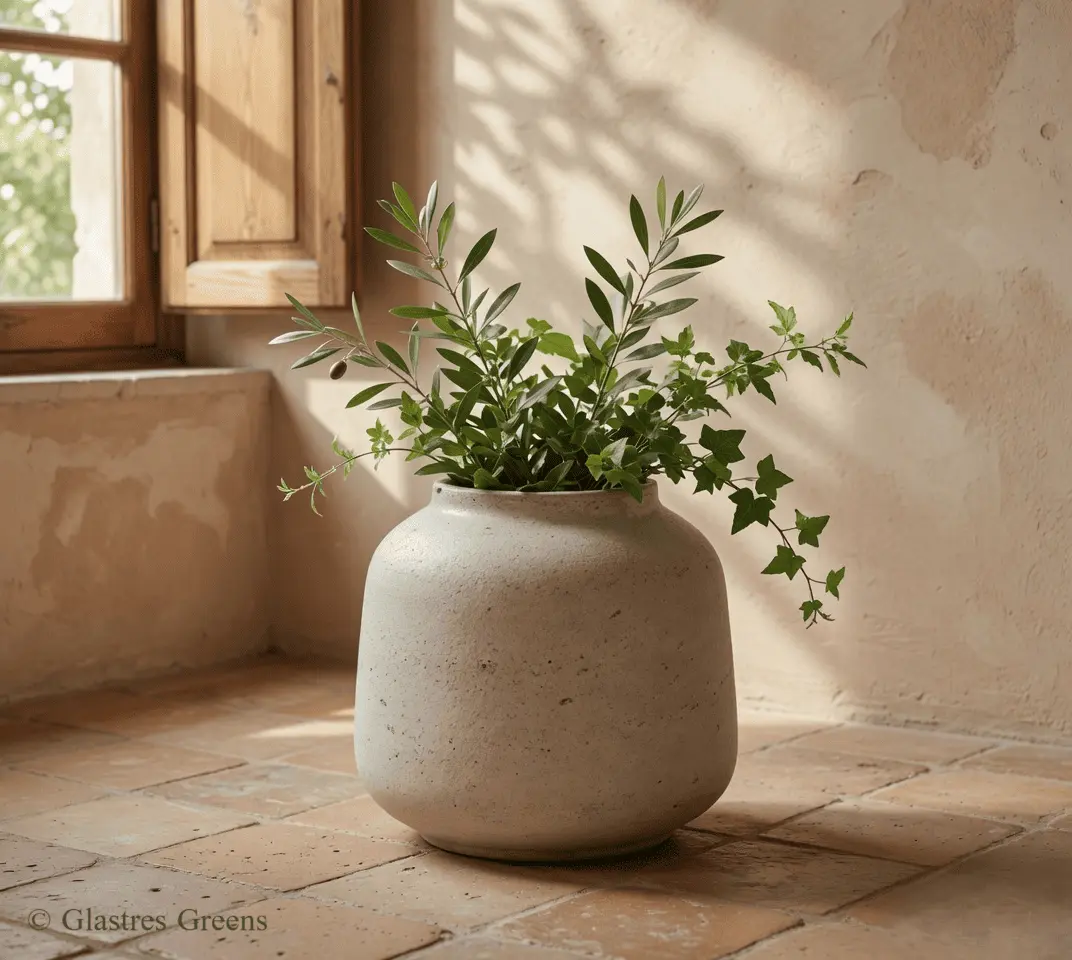
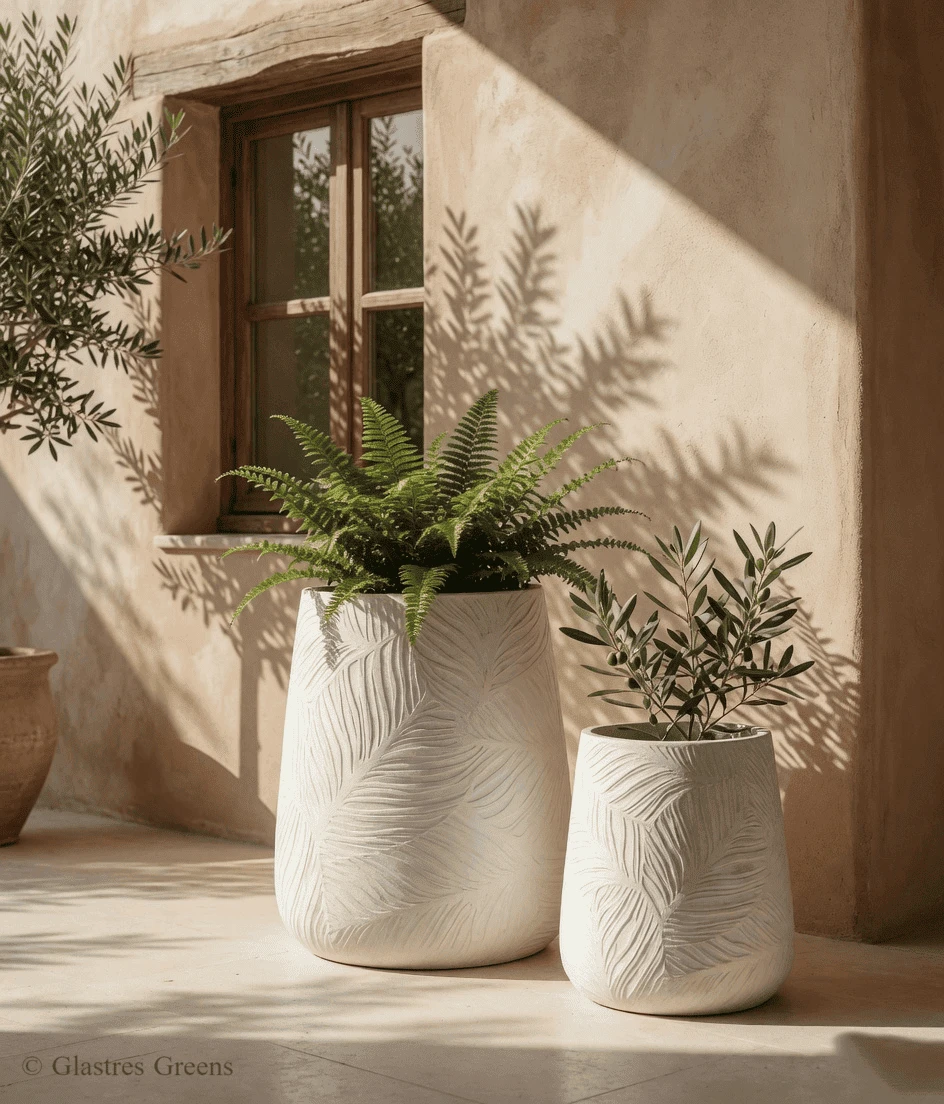
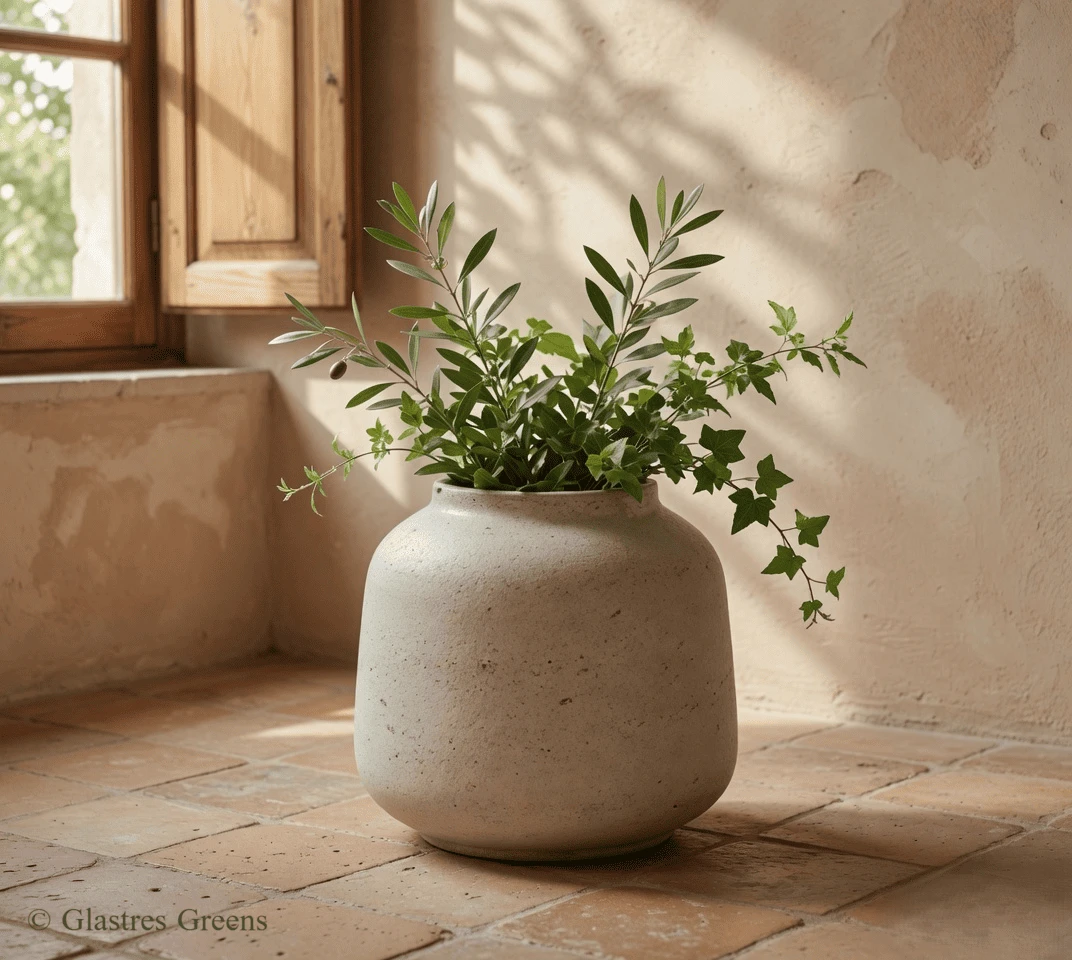
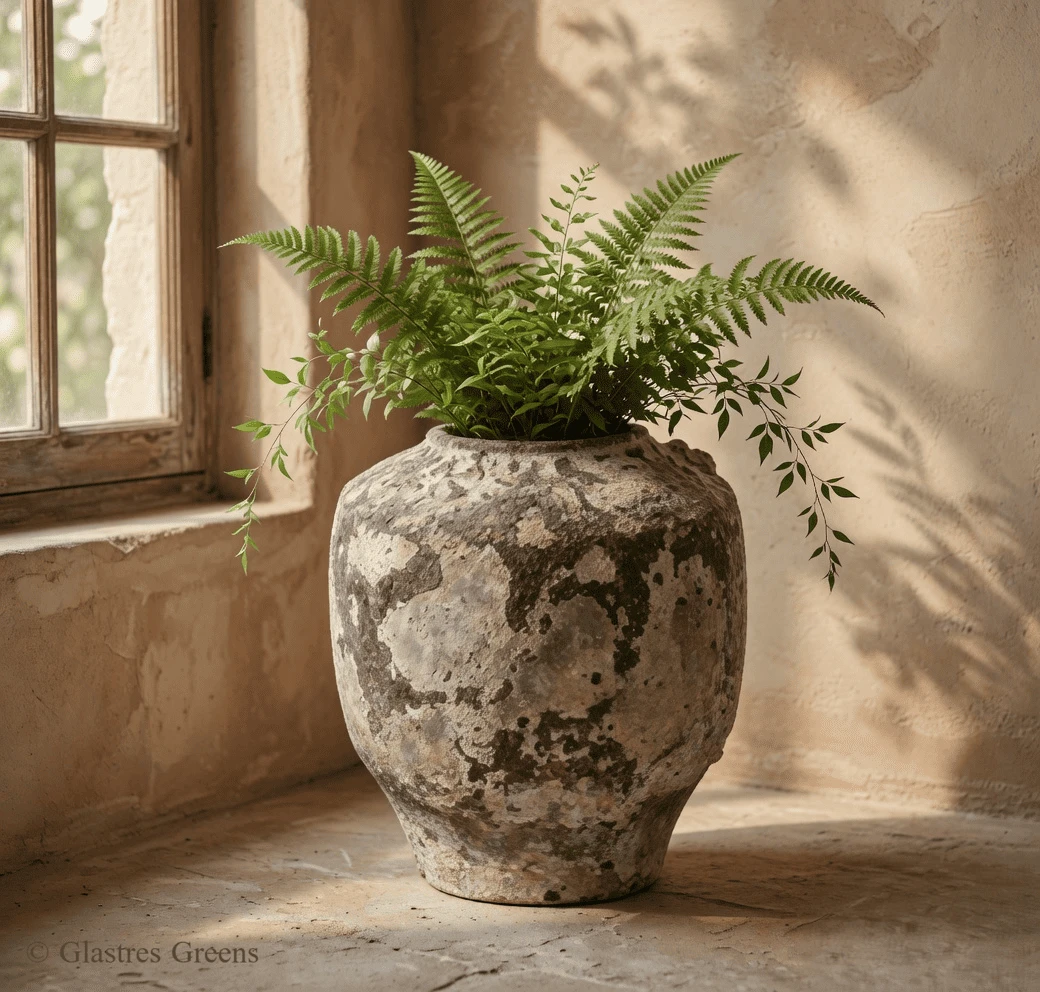
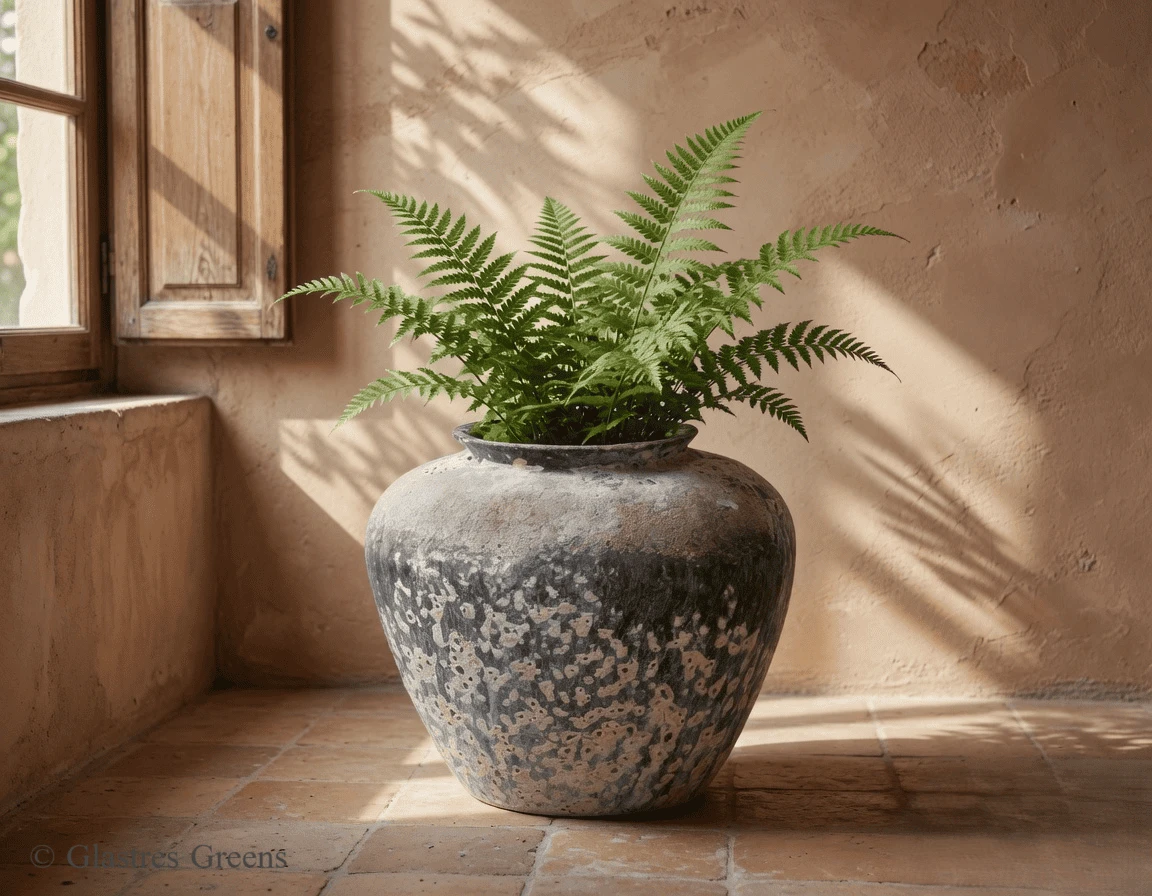
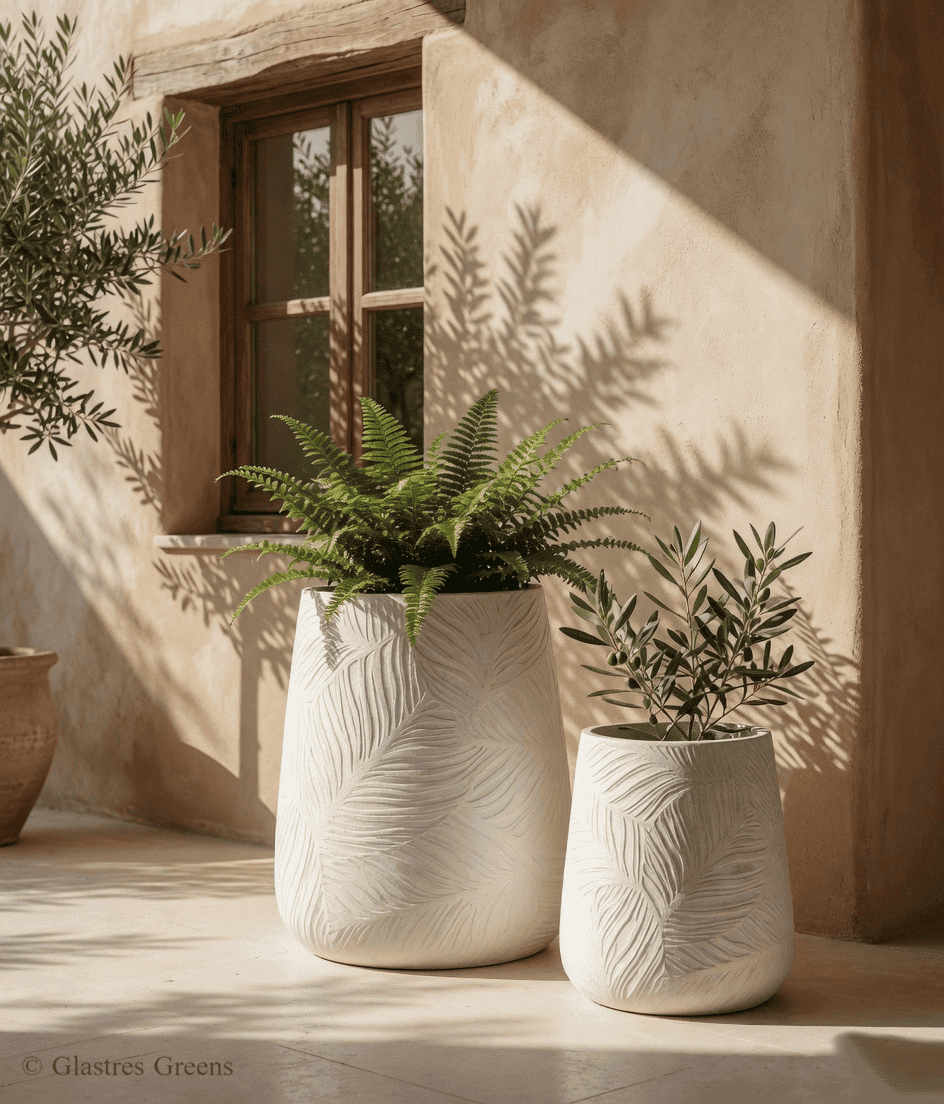
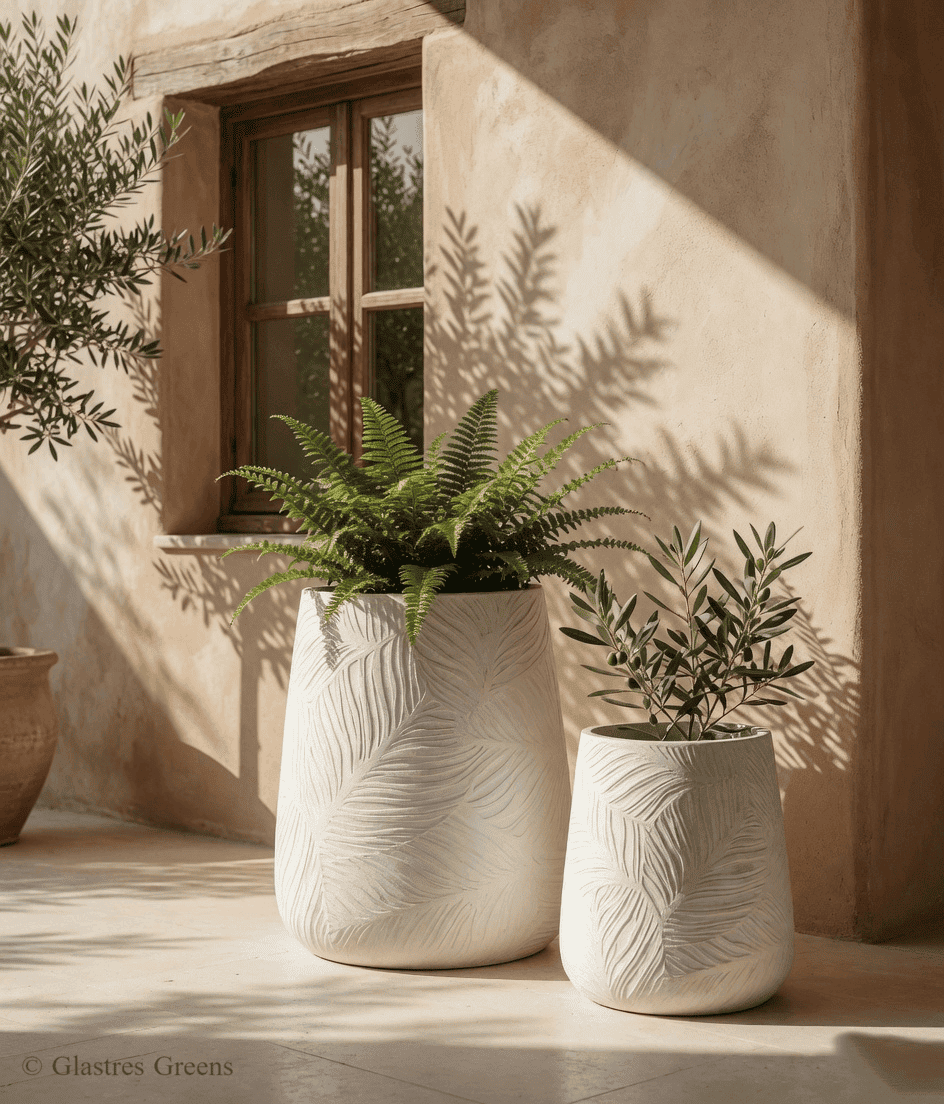
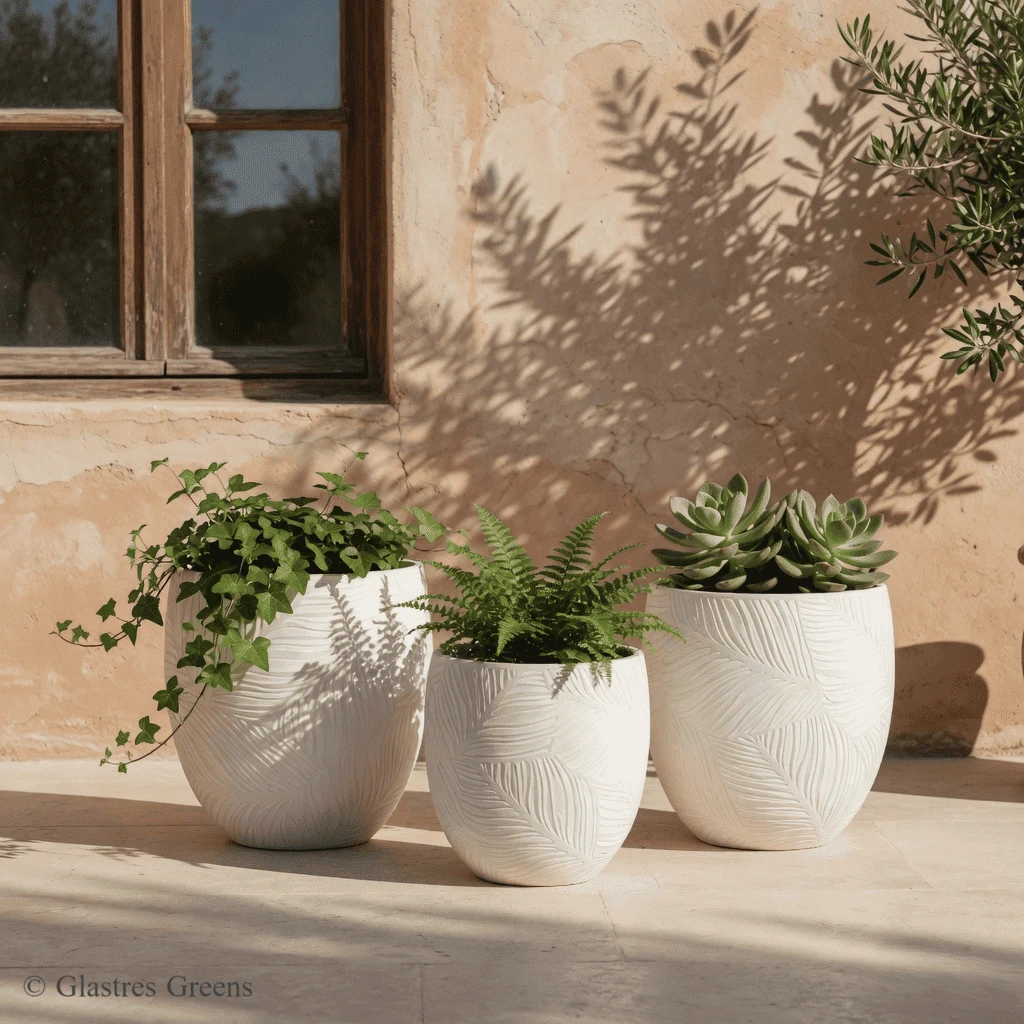
Signature Leaf Aura Premium FRP Planter
468+ Exclusive Designs
Made to Order • Ships Worldwide
PAN-INDIA & GLOBAL
Handcrafted in Bengaluru

India’s Leading Manufacturer of Premium Architectural FRP Planters

Glastres Greens is India’s premier manufacturer of high-end FRP planters and luxury fiberglass pots. Established in 2010 in Bengaluru, we specialize in architecturally designed landscape solutions for luxury villas, five-star hotels, corporate campuses, and high-end residential projects across India and international markets.

We engineer weatherproof, lightweight, and structurally robust planters using advanced multi-layer gelcoat technology. Our products are trusted by leading architects and developers for their ability to combine refined aesthetics with the technical durability required for India’s demanding climate conditions.

HANDCRAFTED IN BENGALURU SINCE 2010

The Architecture
of Lasting Beauty

Premium FRP Planters for India’s most iconic hotels, villas, rooftops and commercial landmarks.

EXPLORE SIGNATURE PROJECTS
CURATED FOR ARCHITECTS

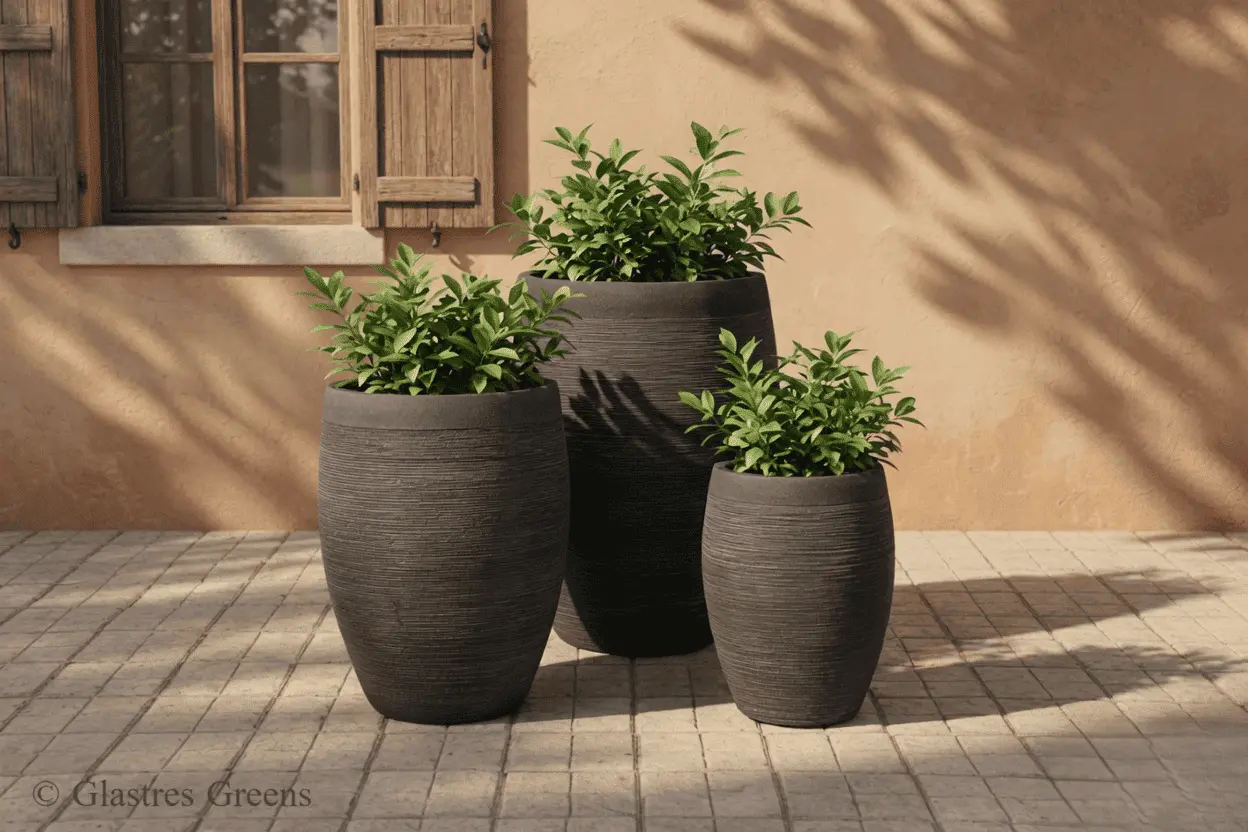
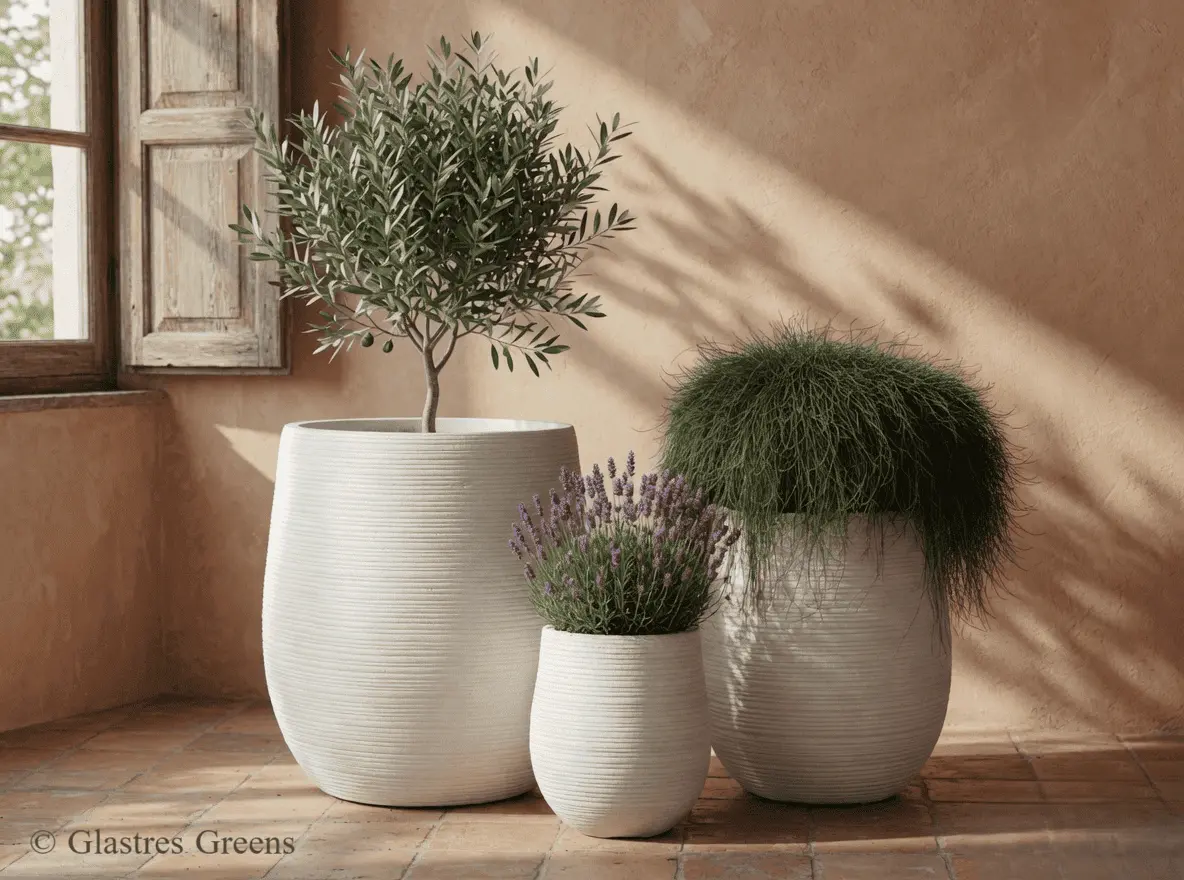
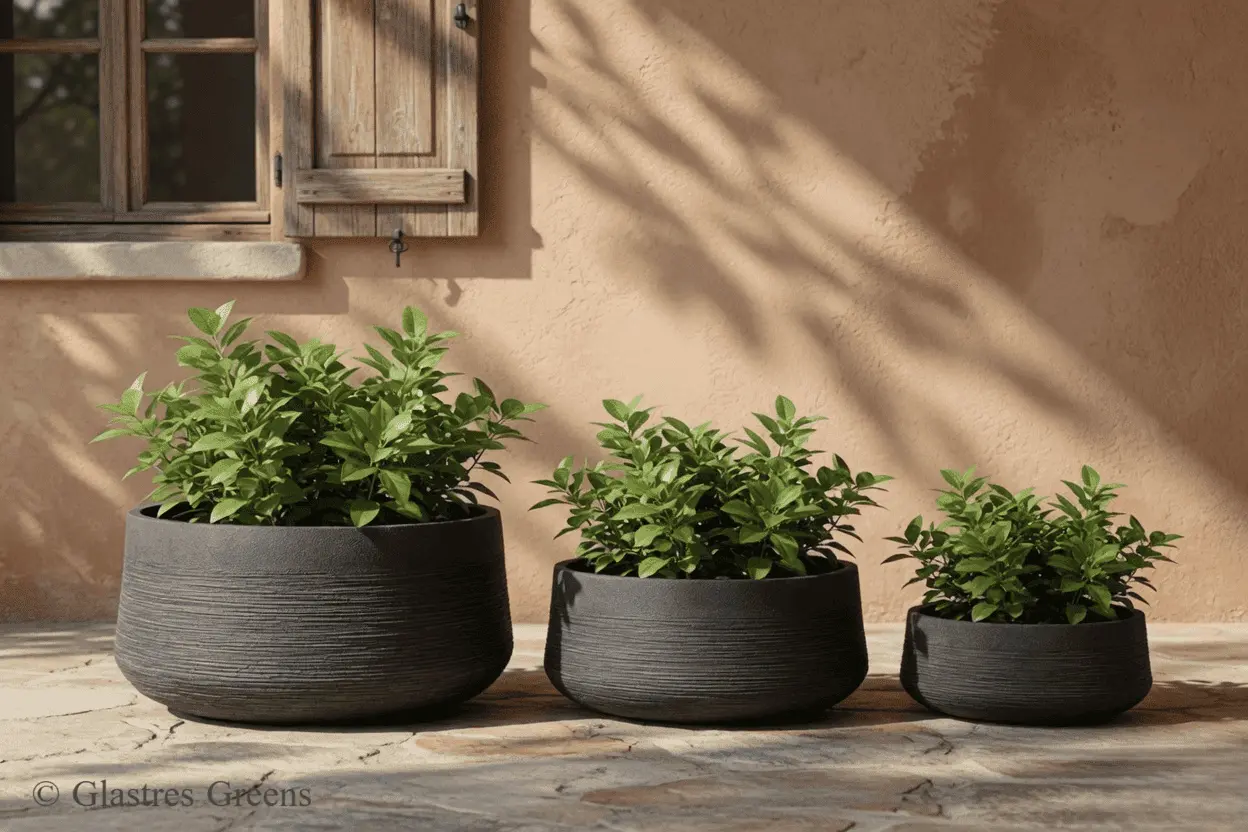
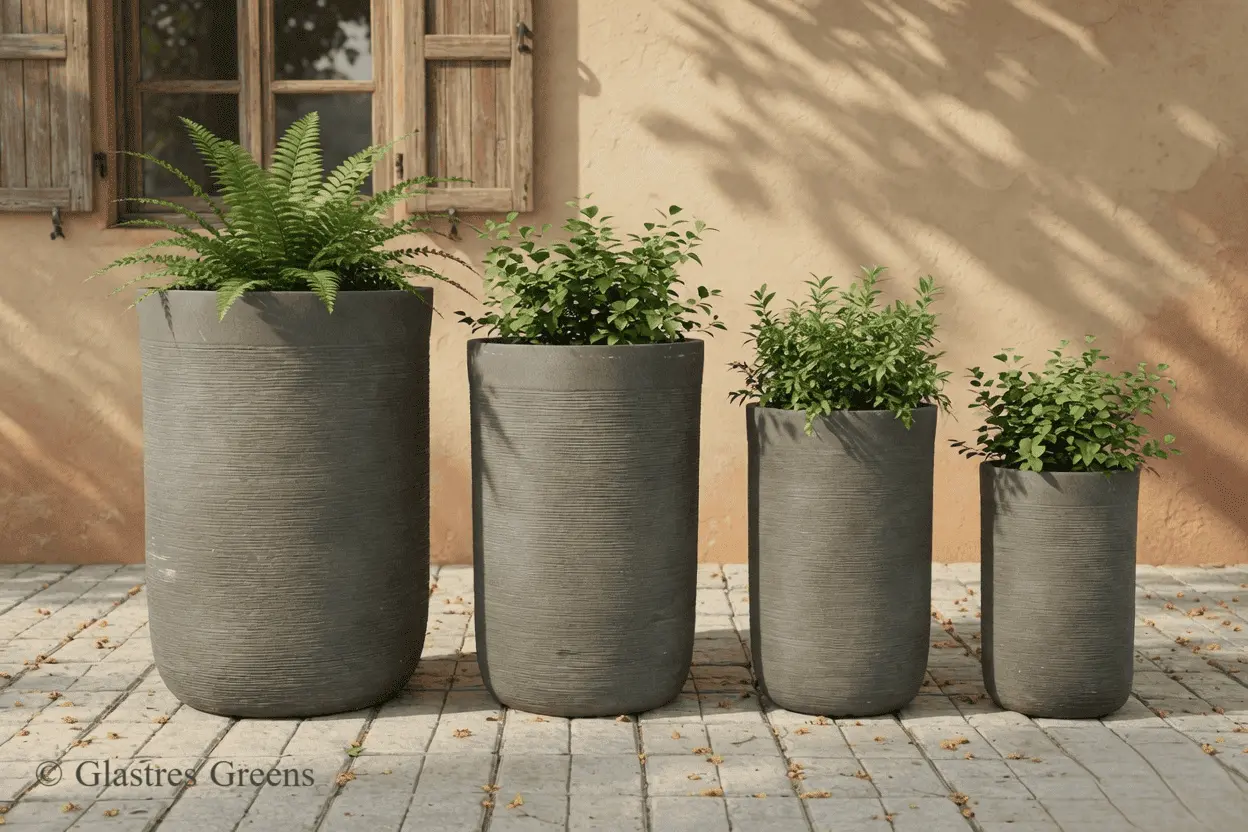
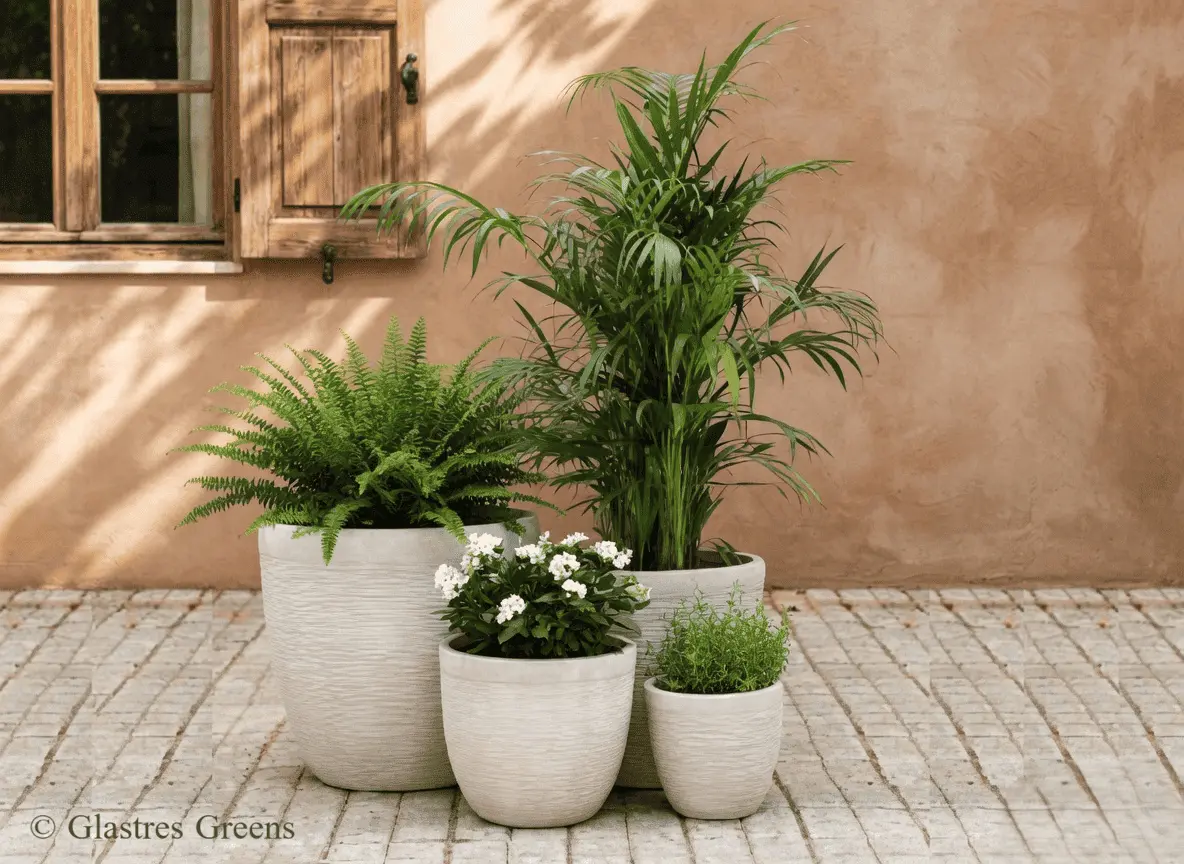
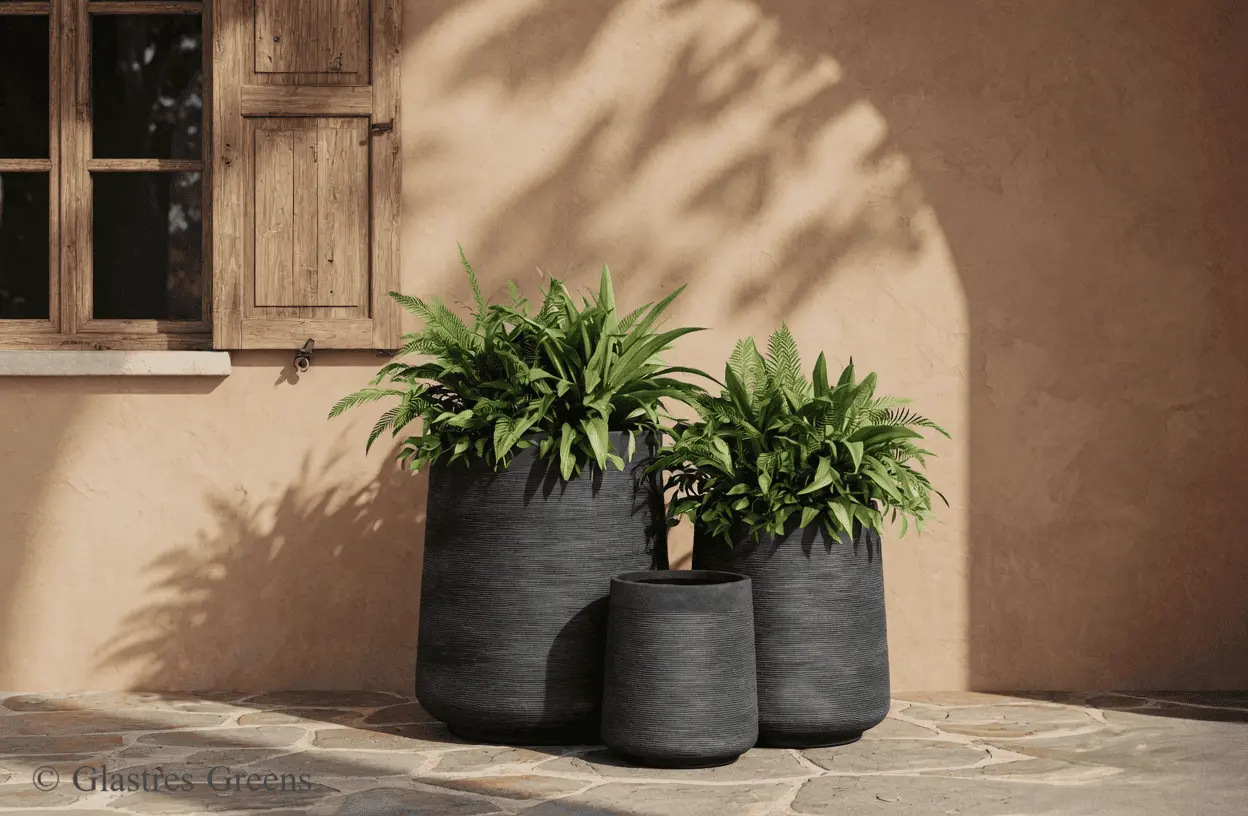
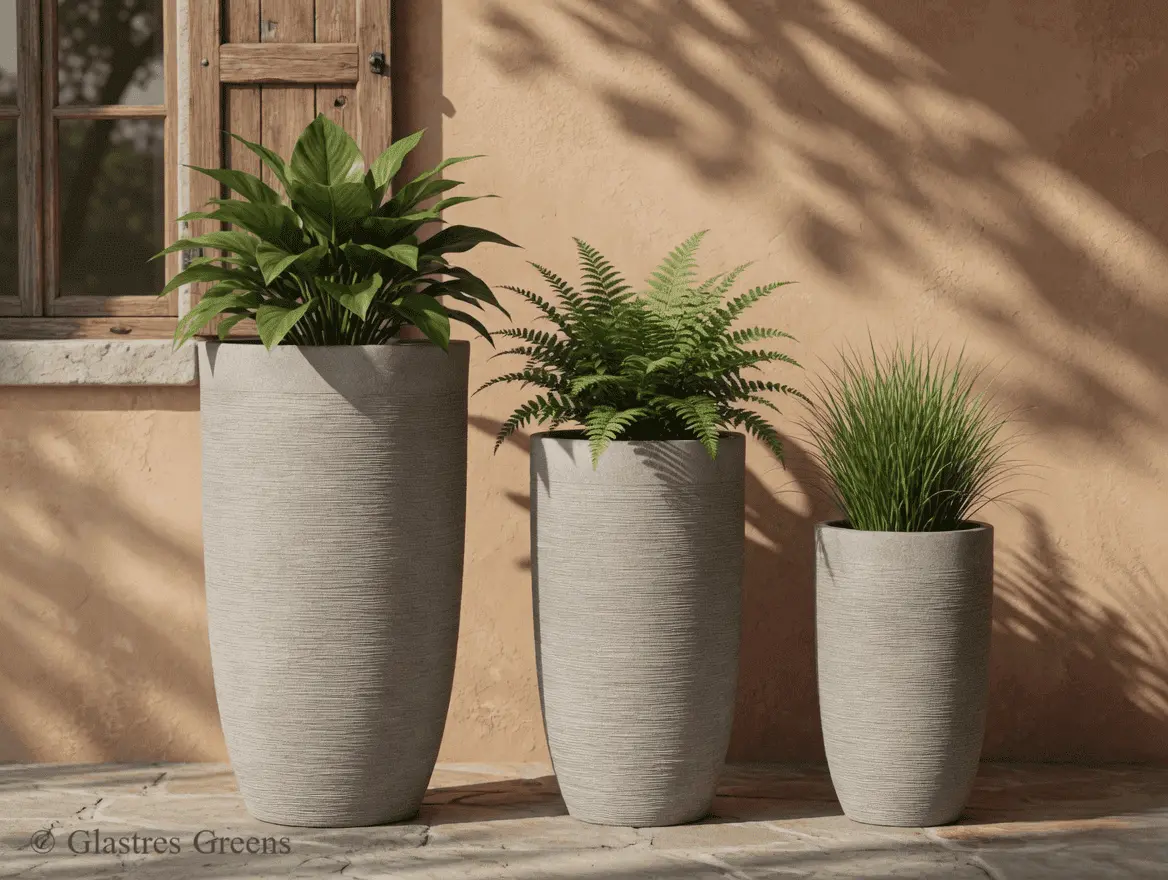
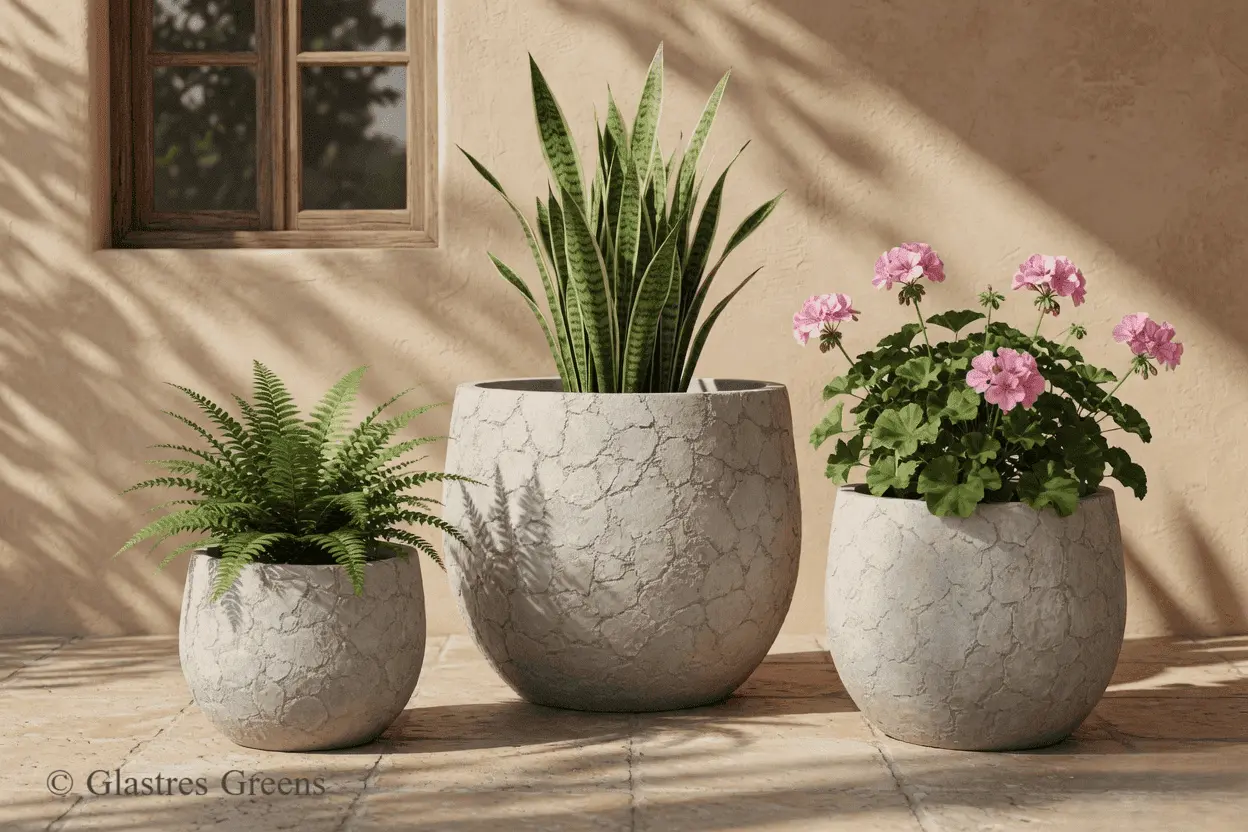
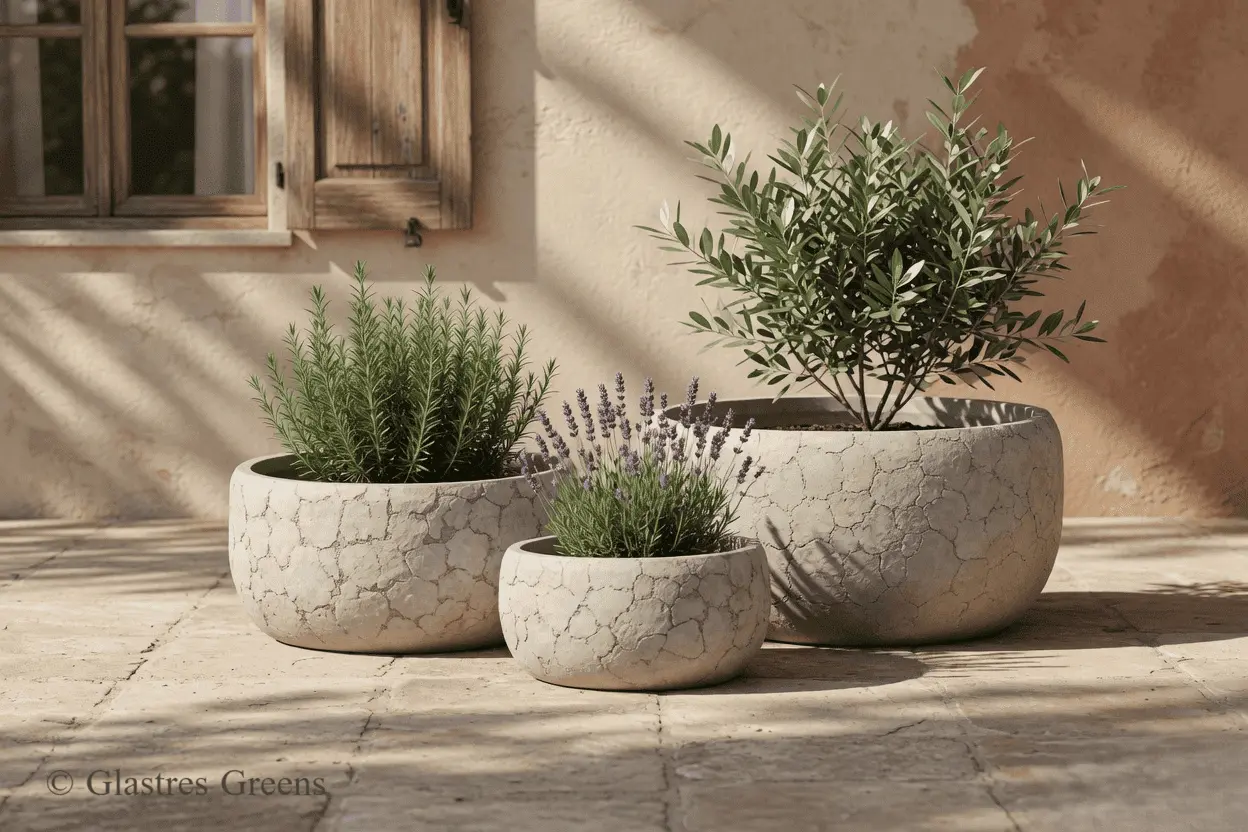
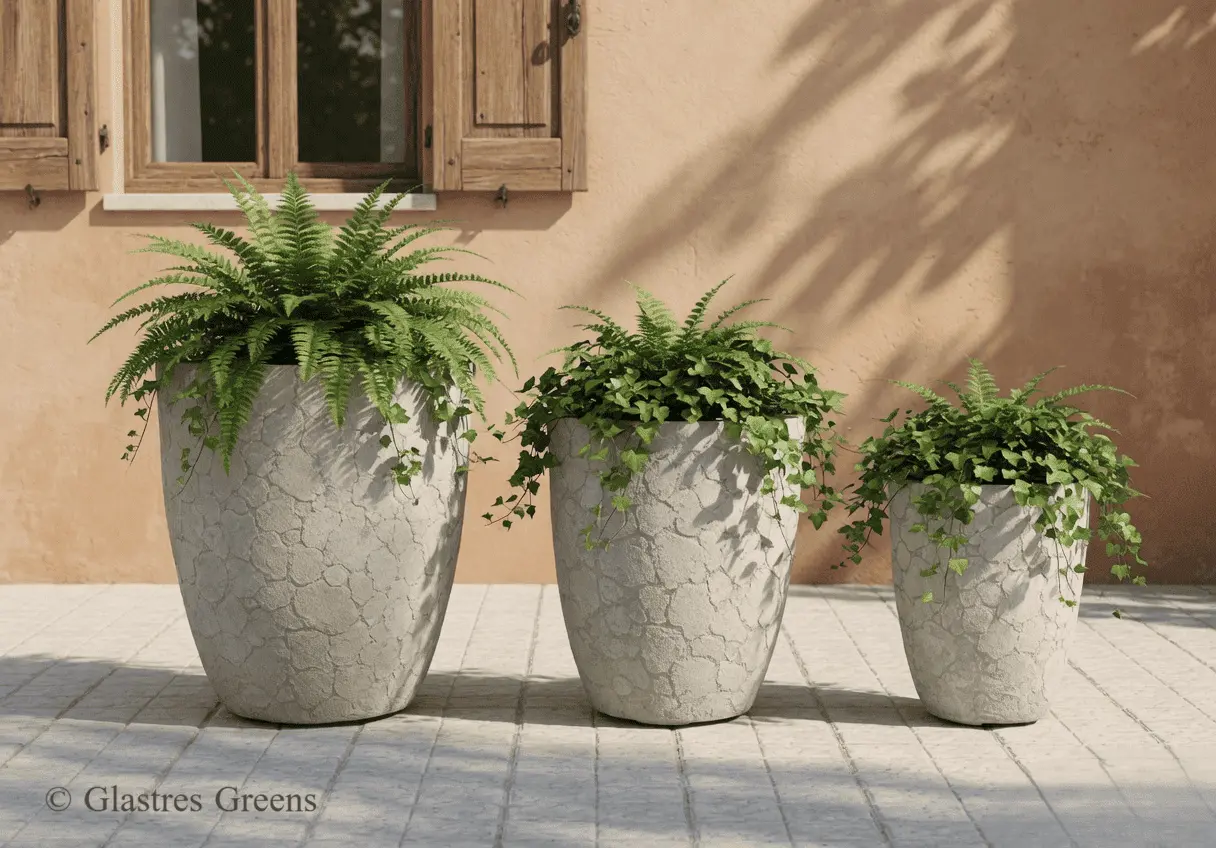
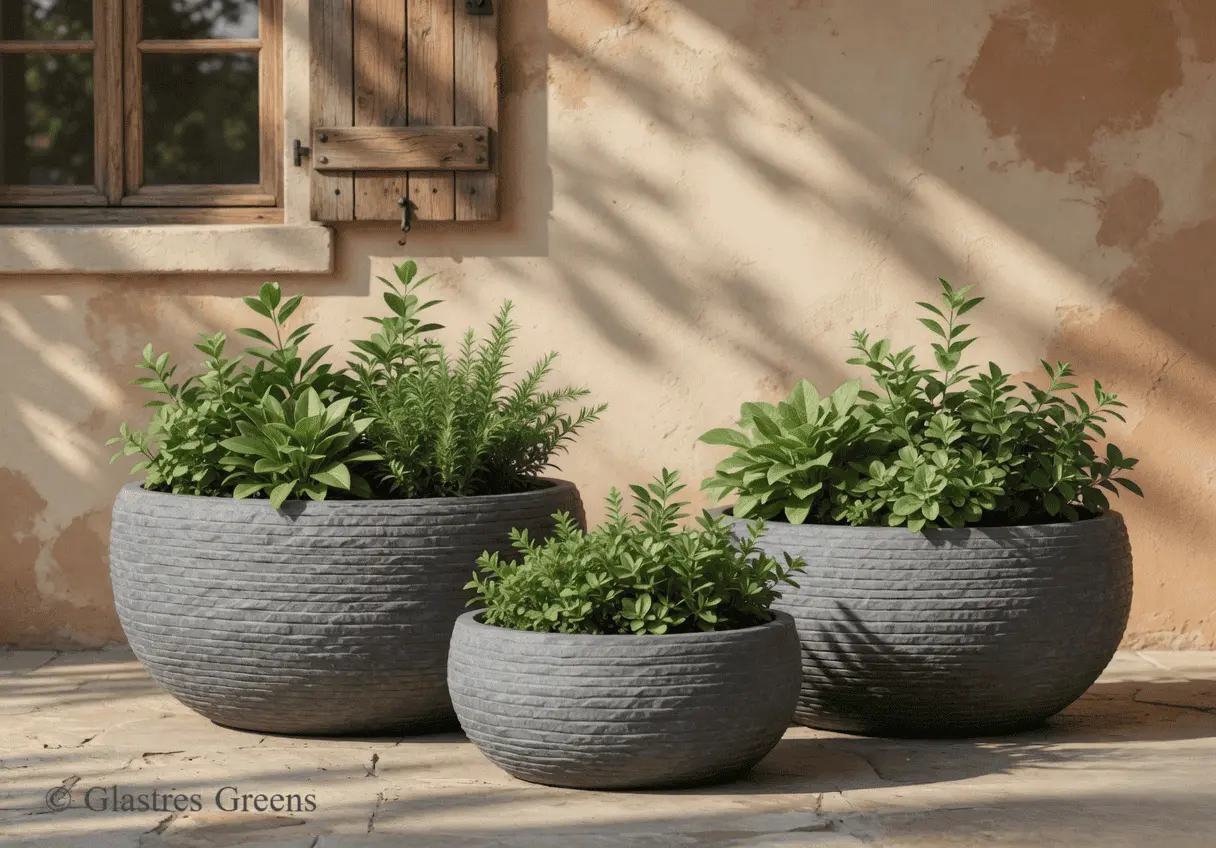
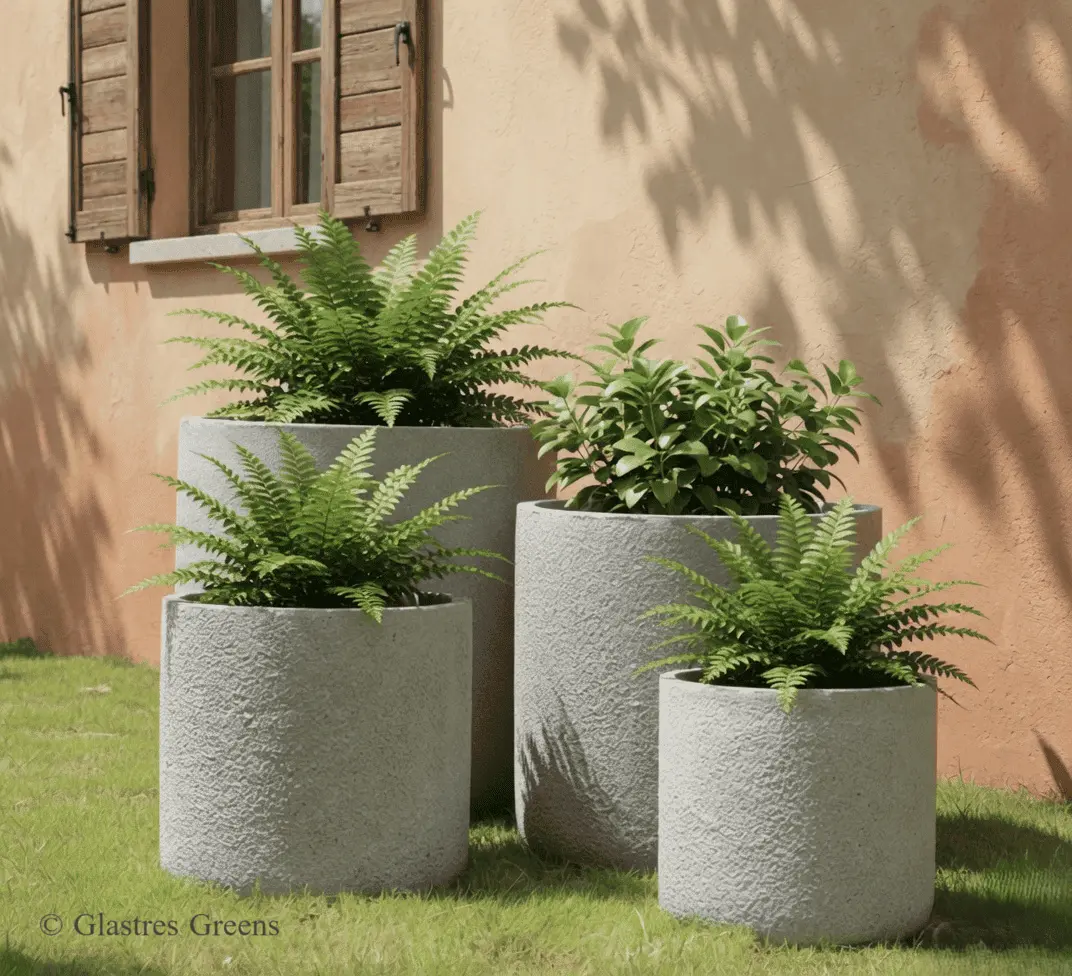
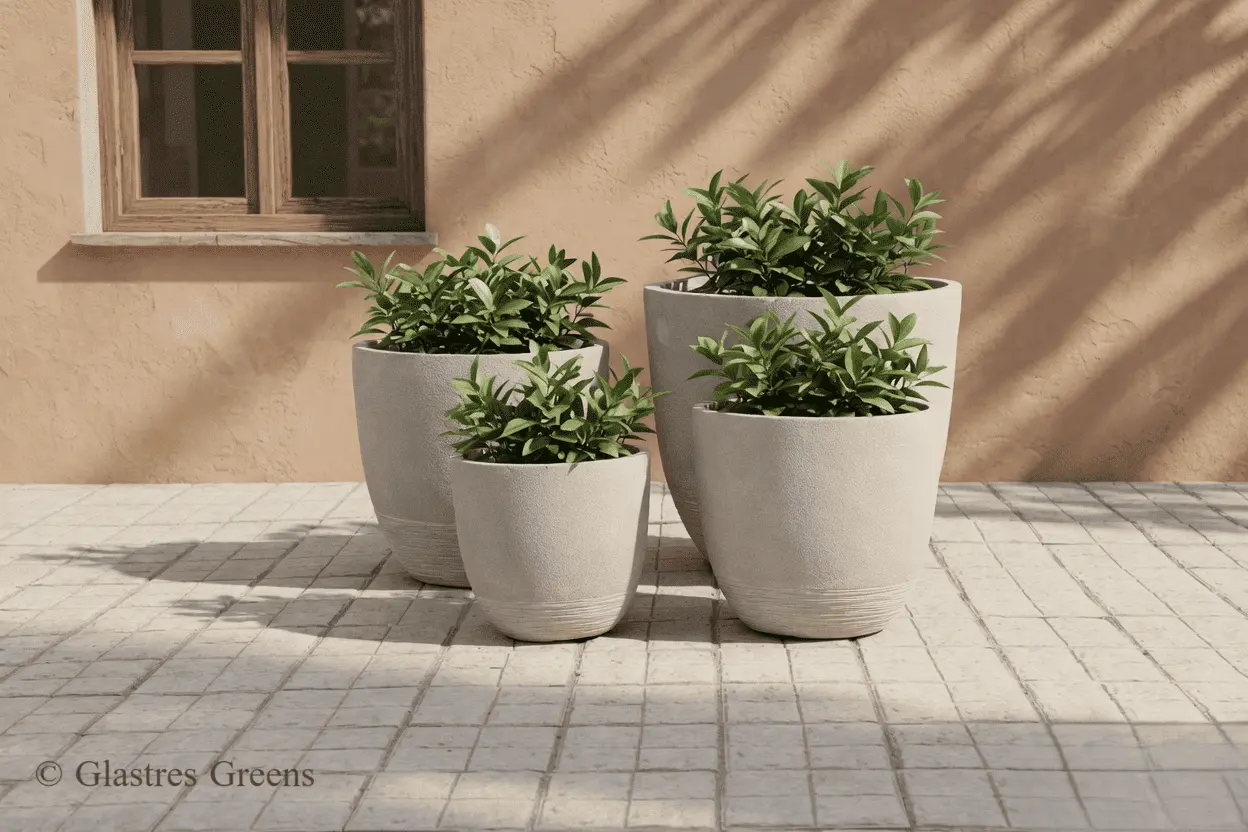
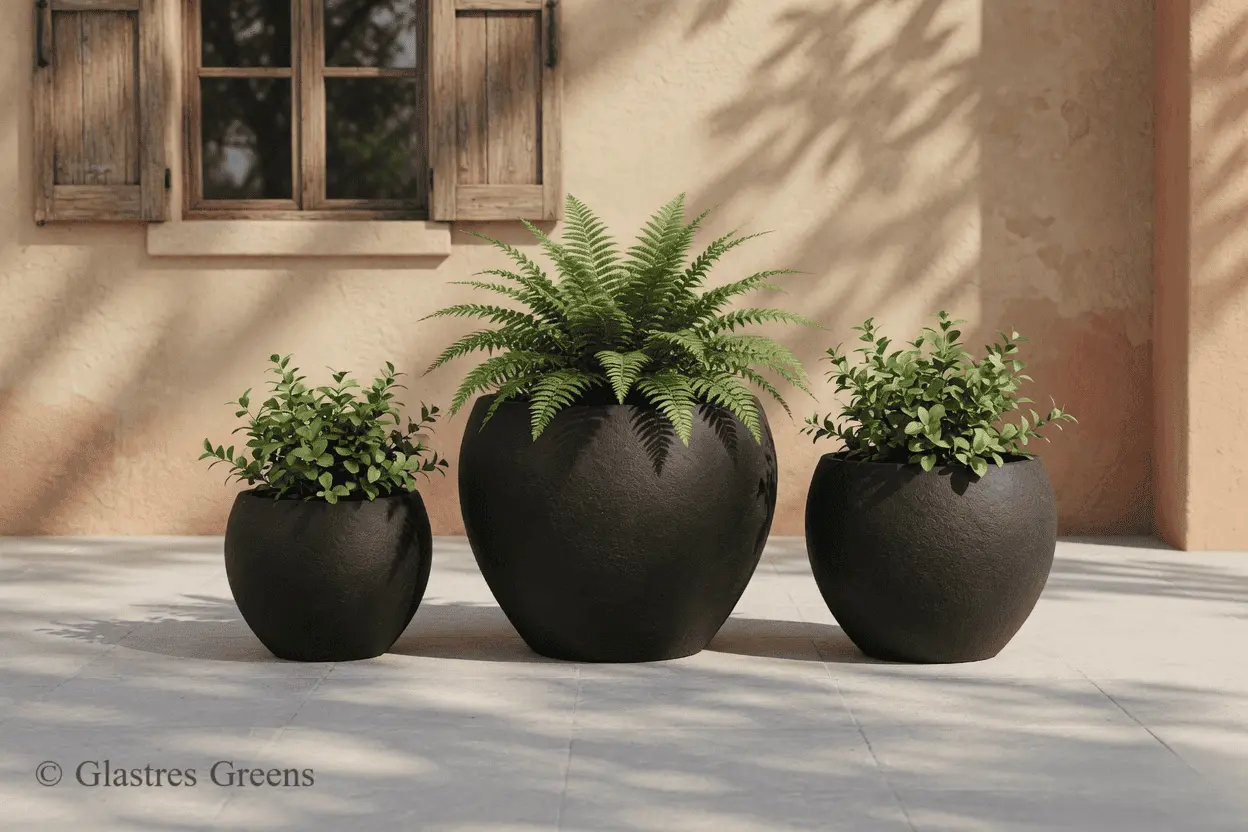
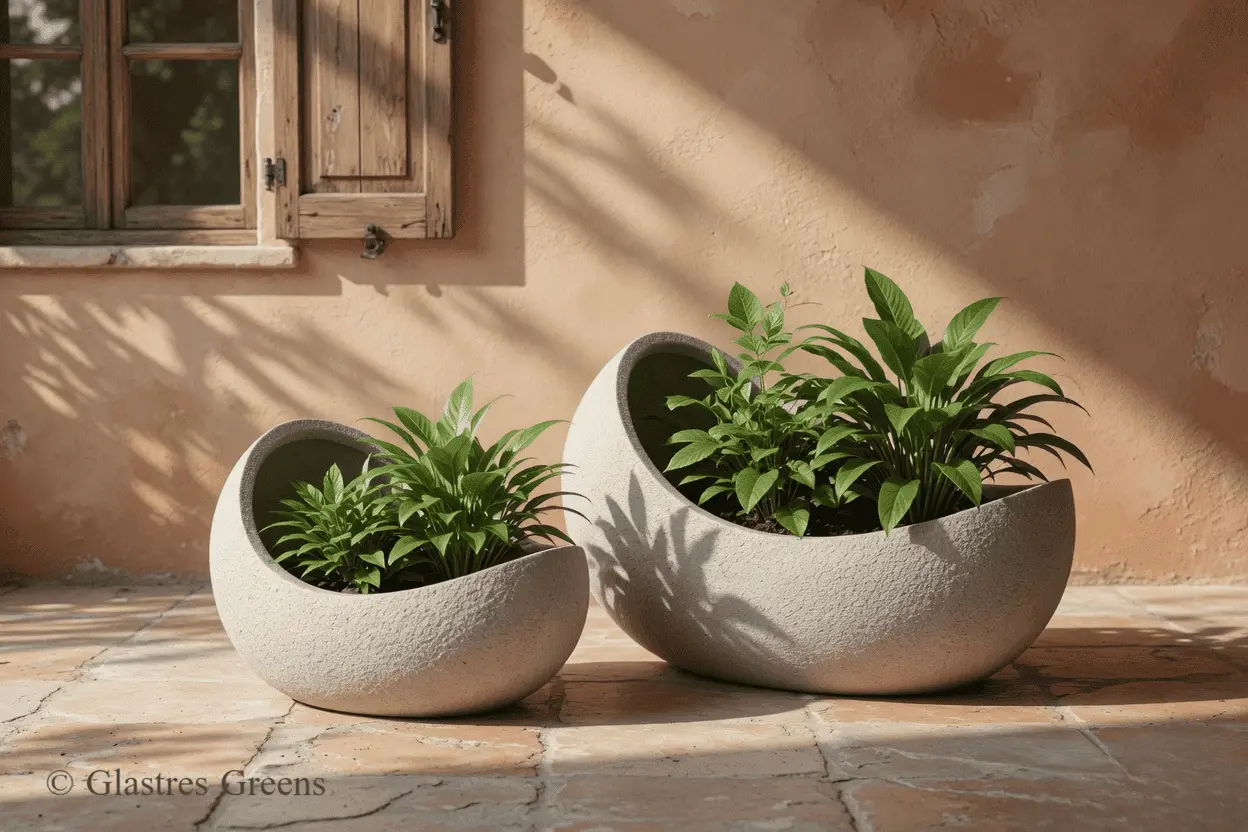
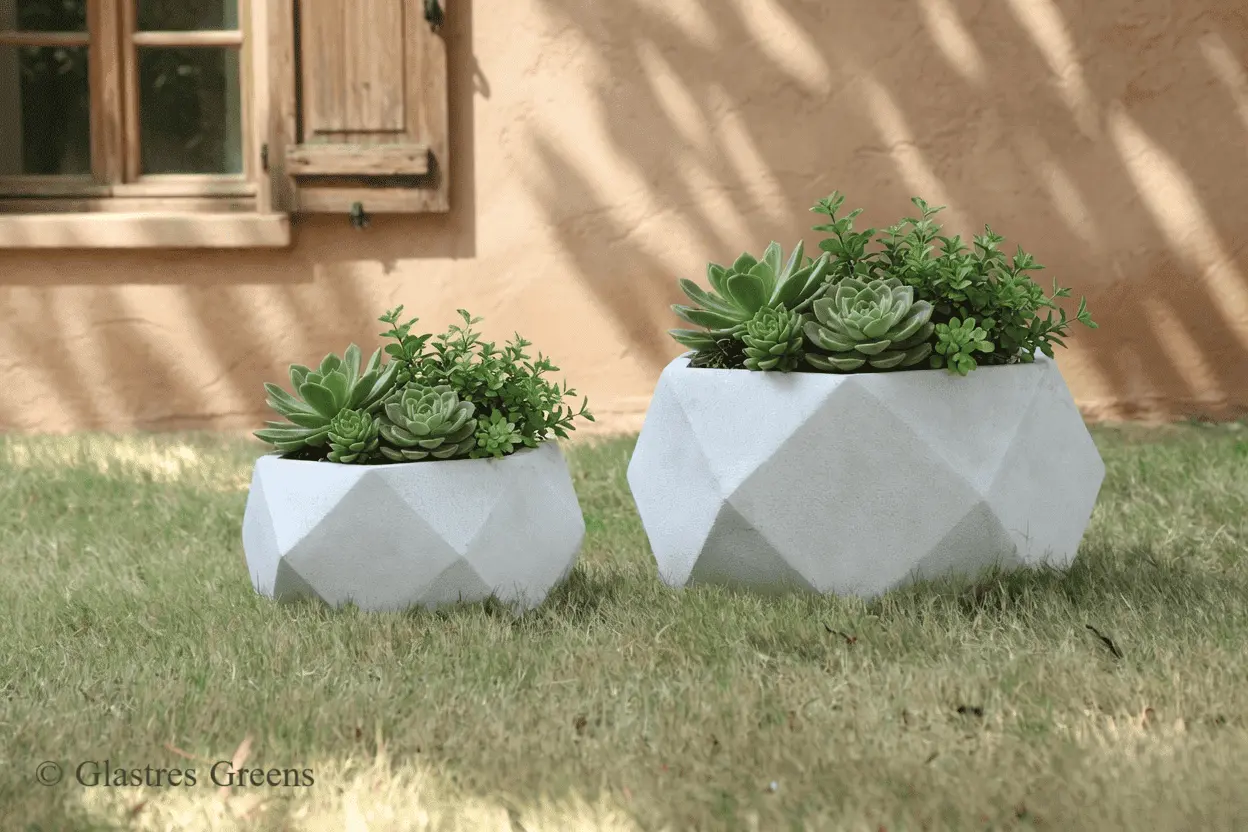
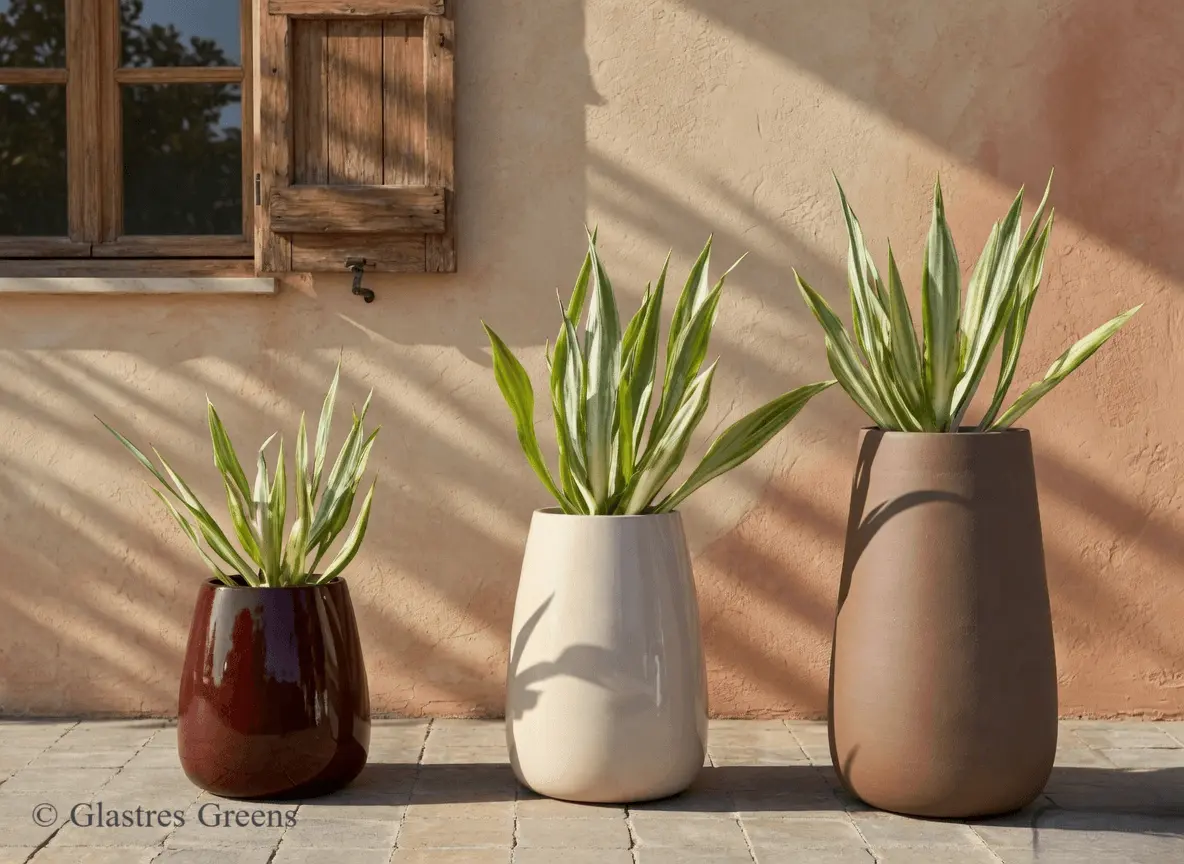
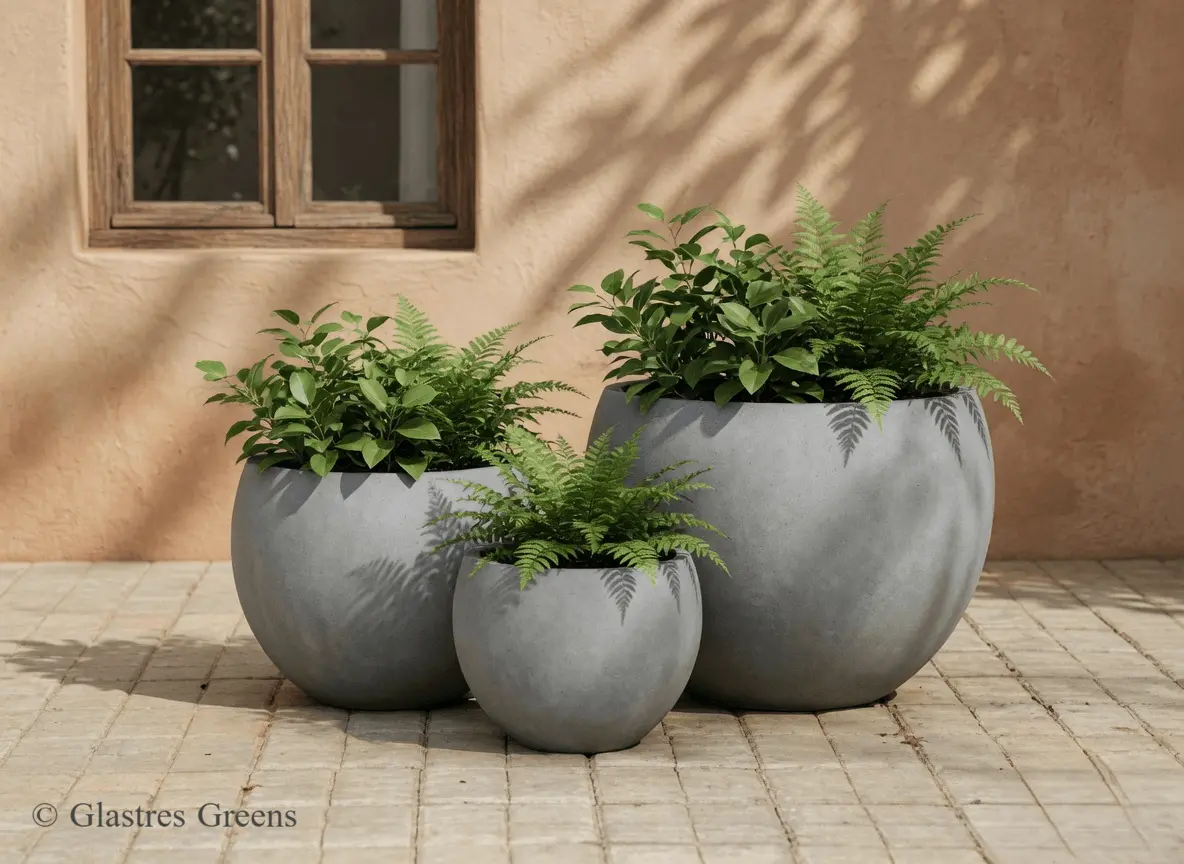
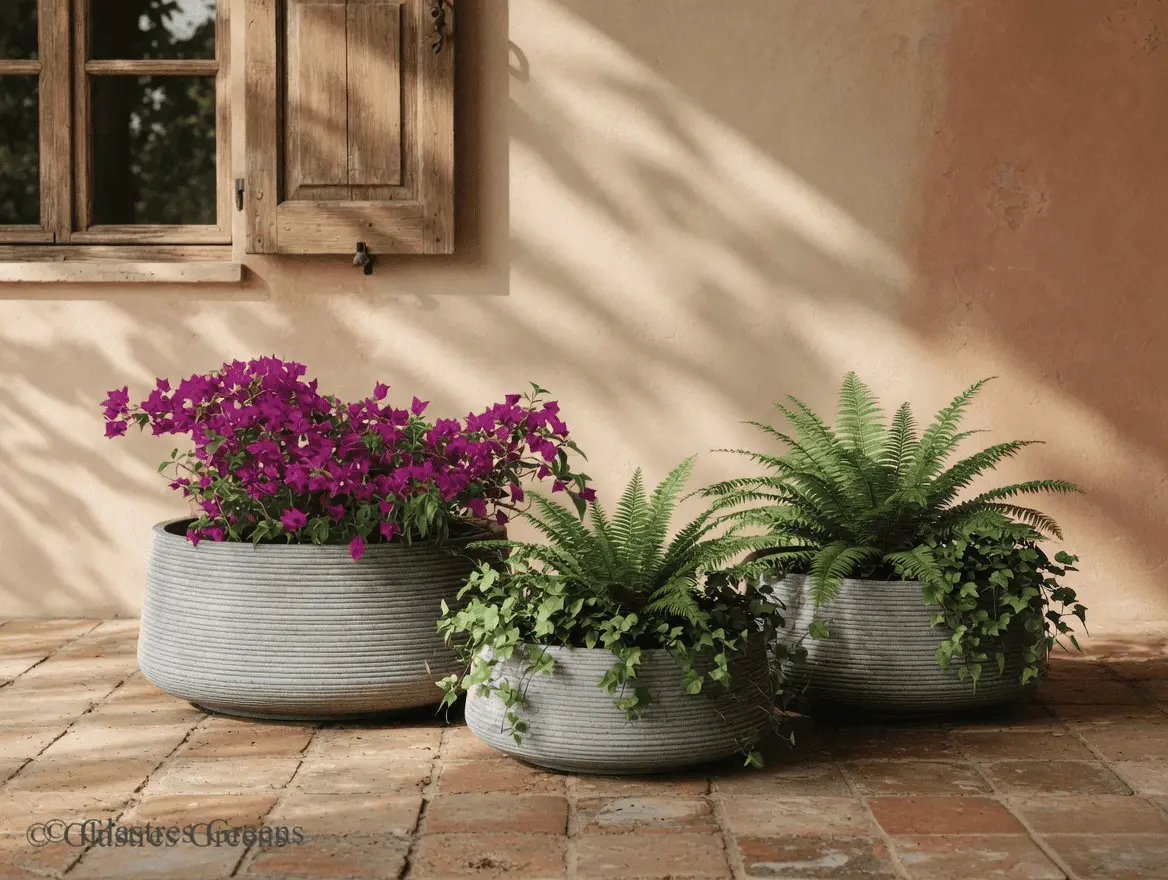
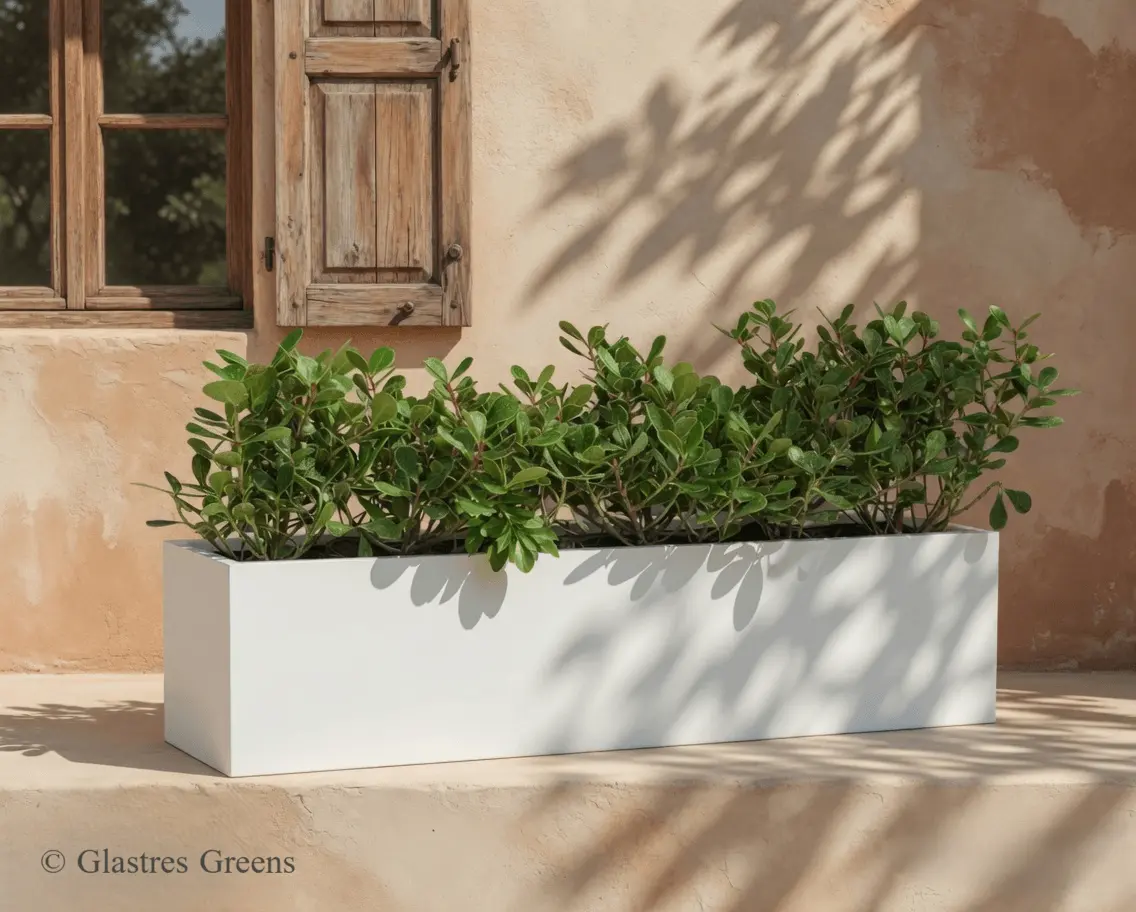
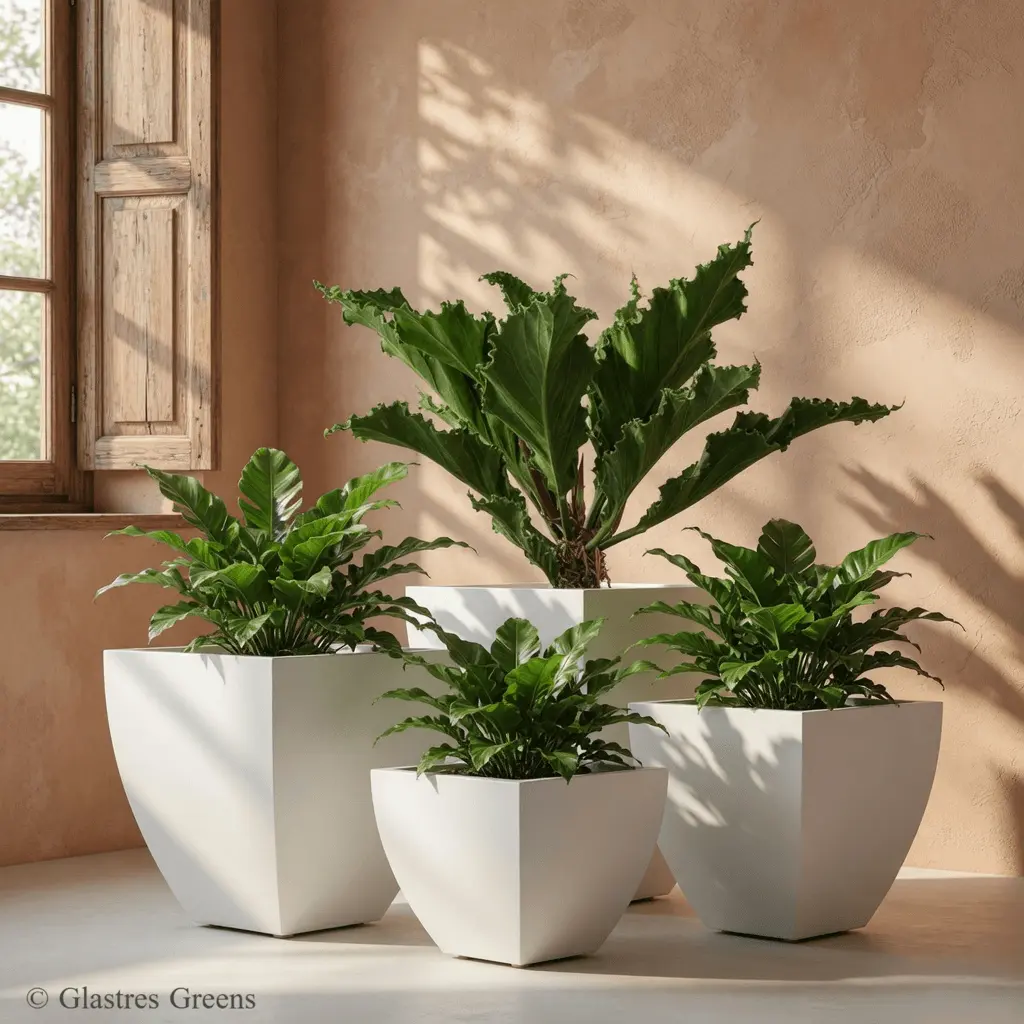
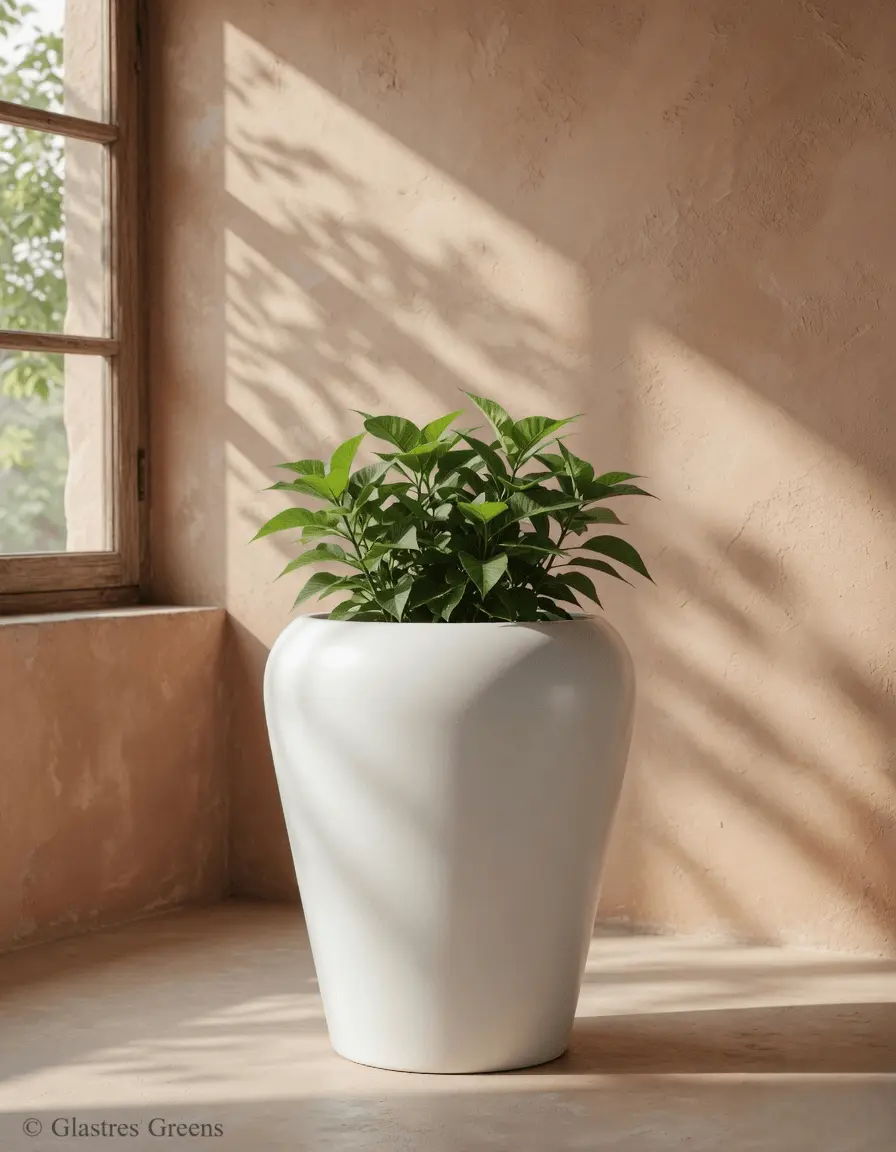
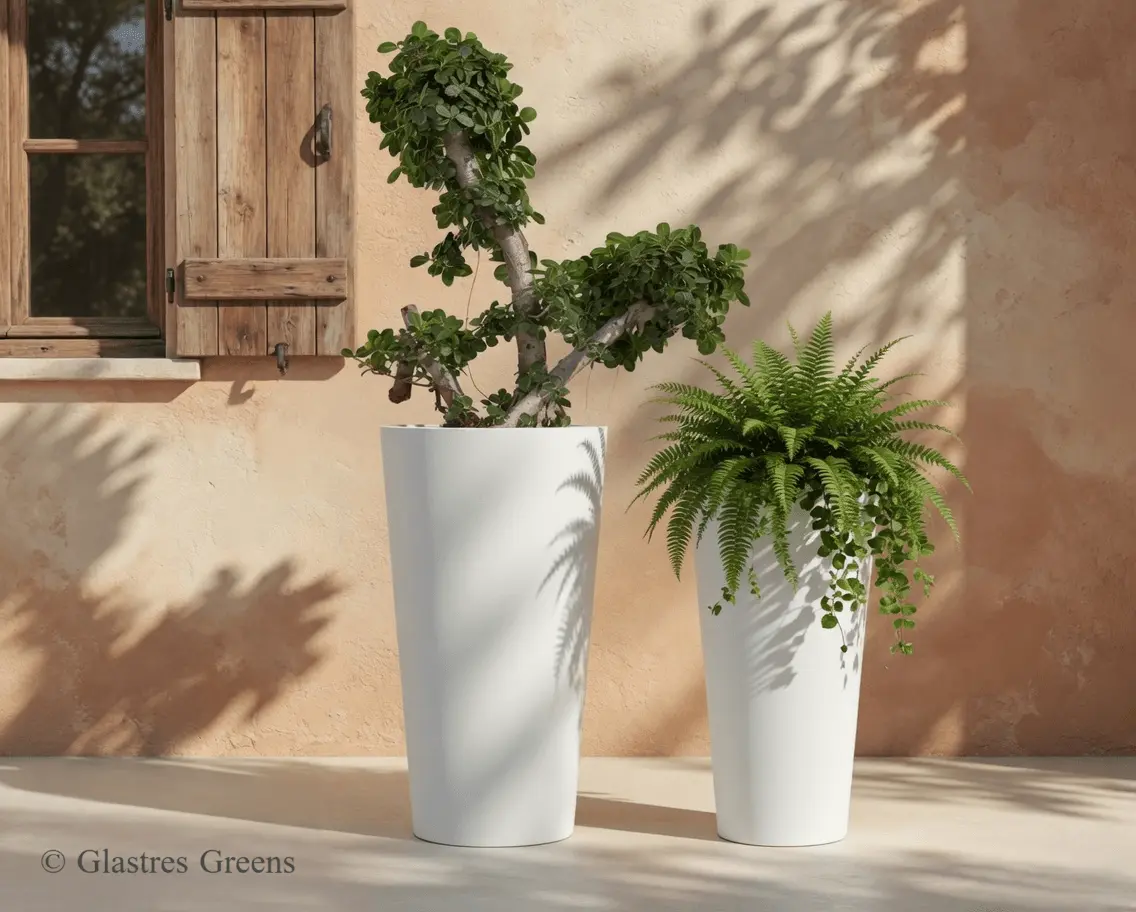
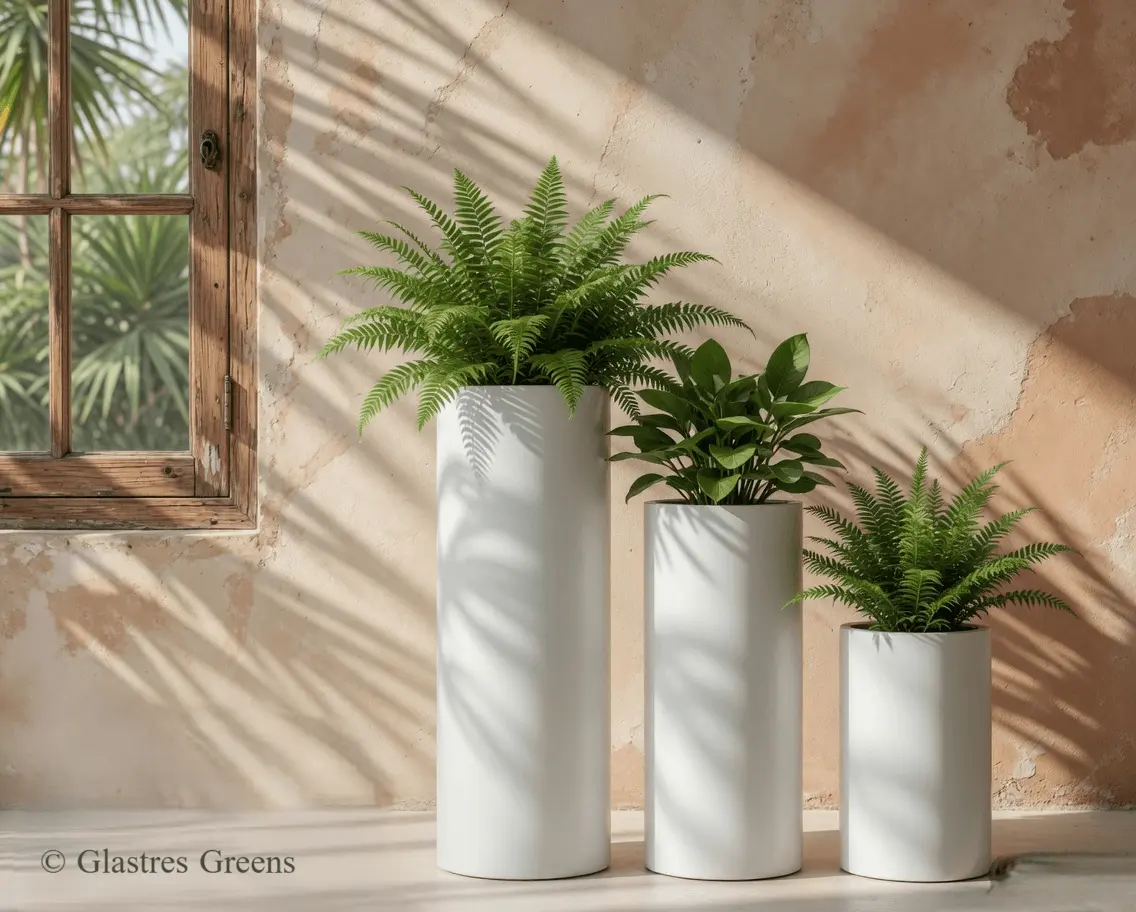
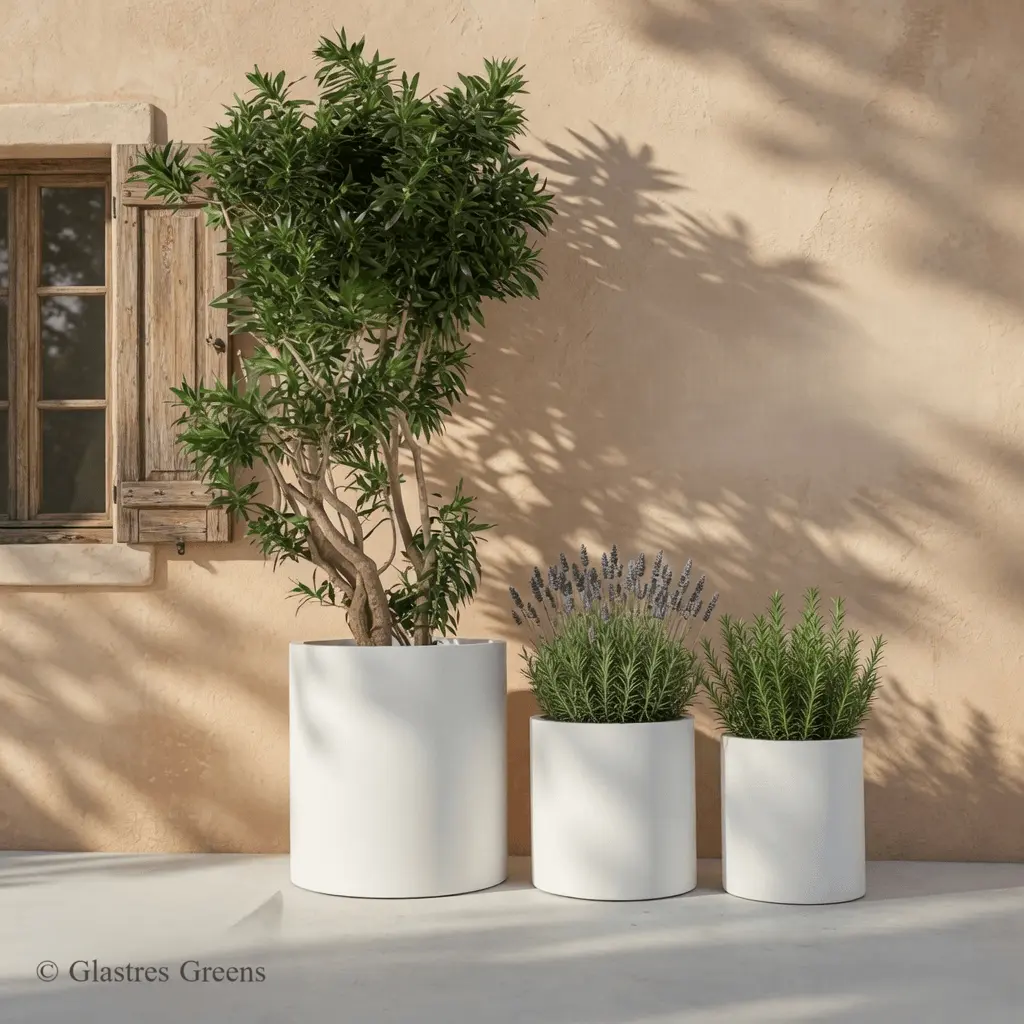
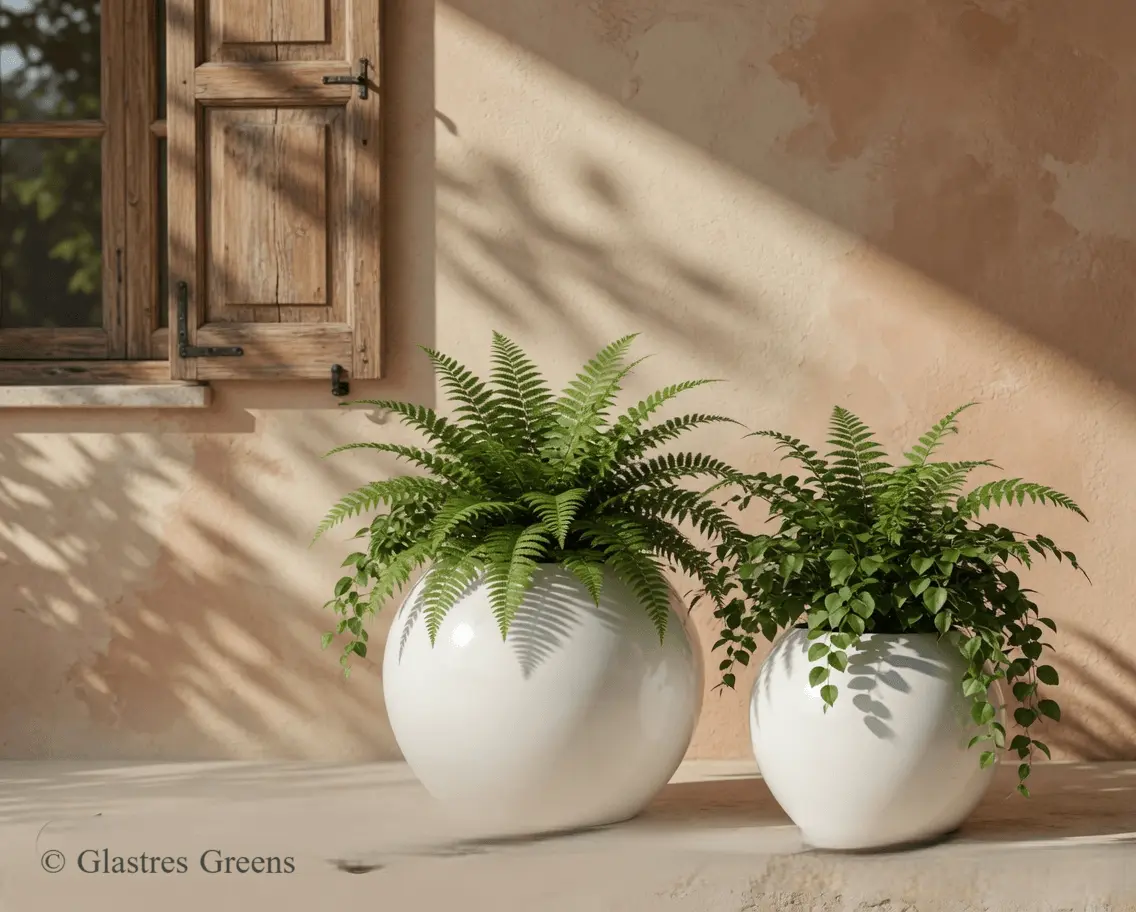
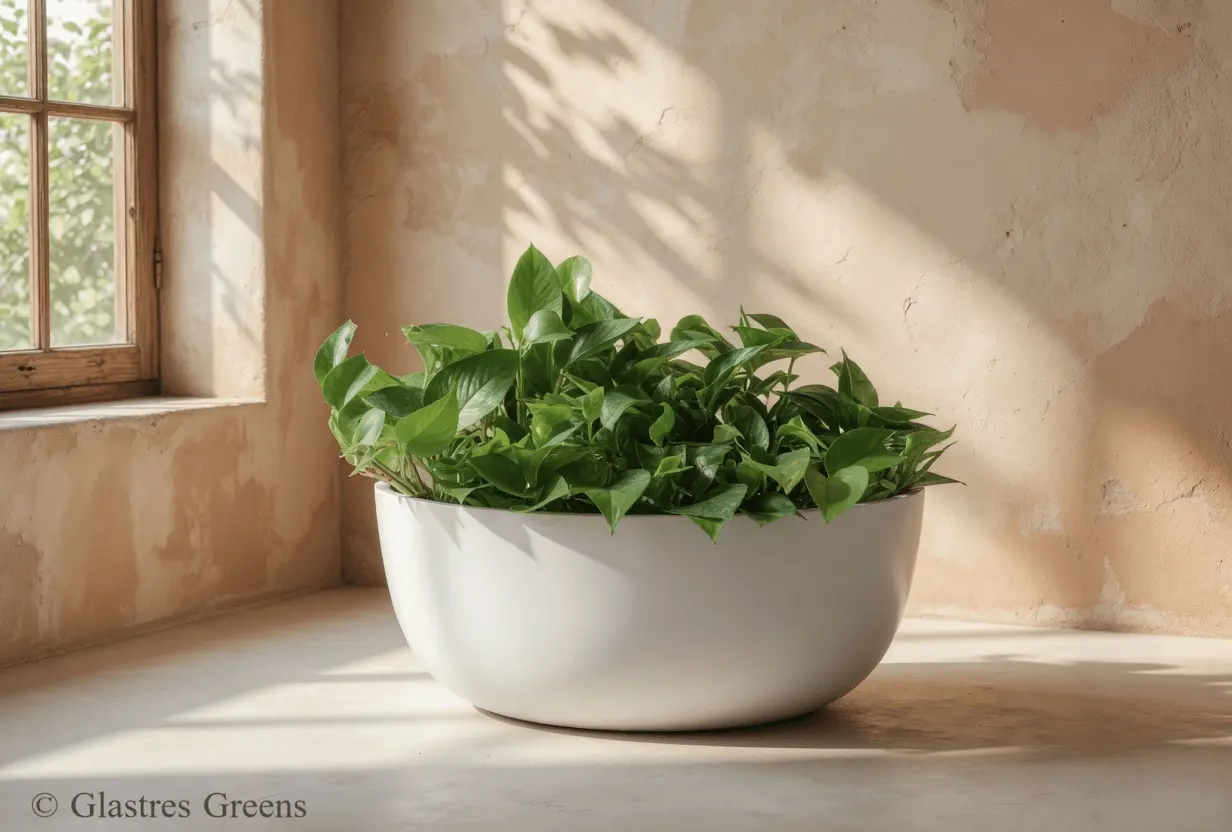
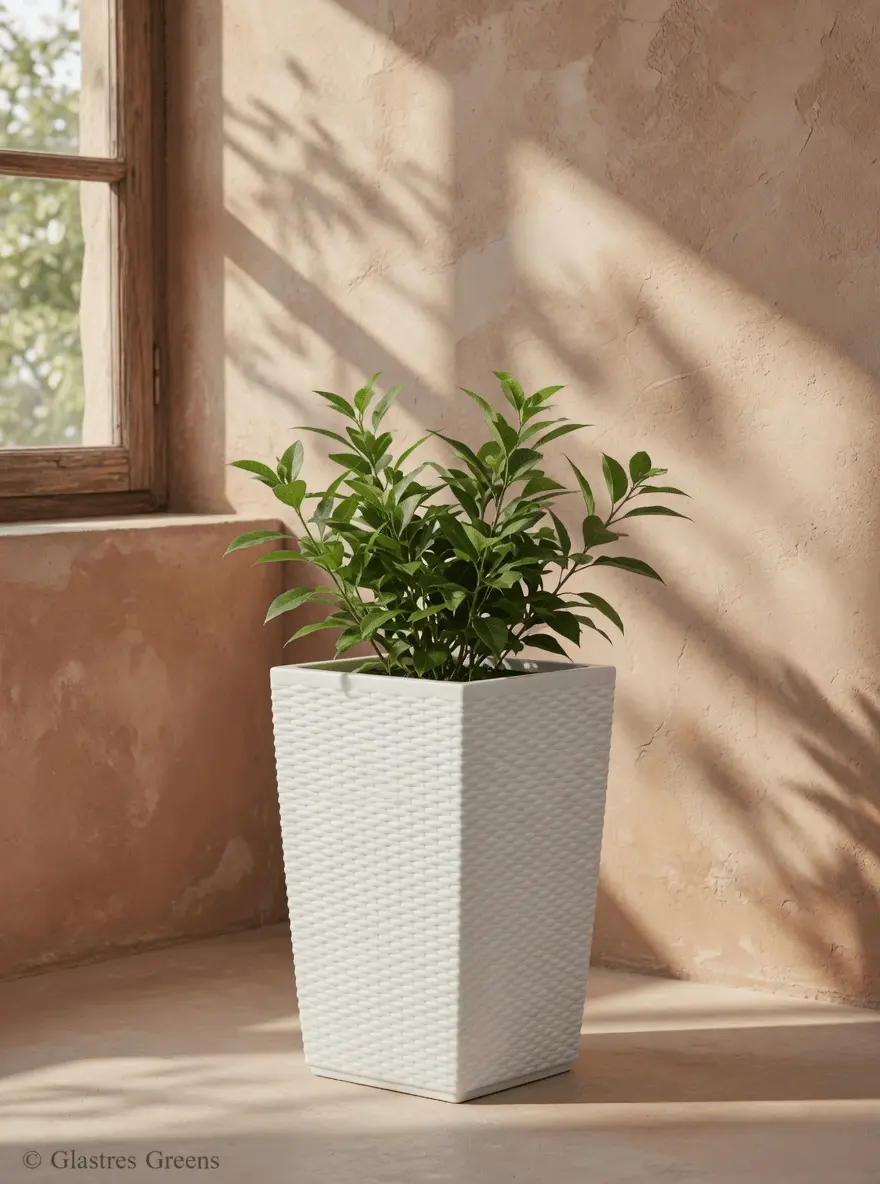
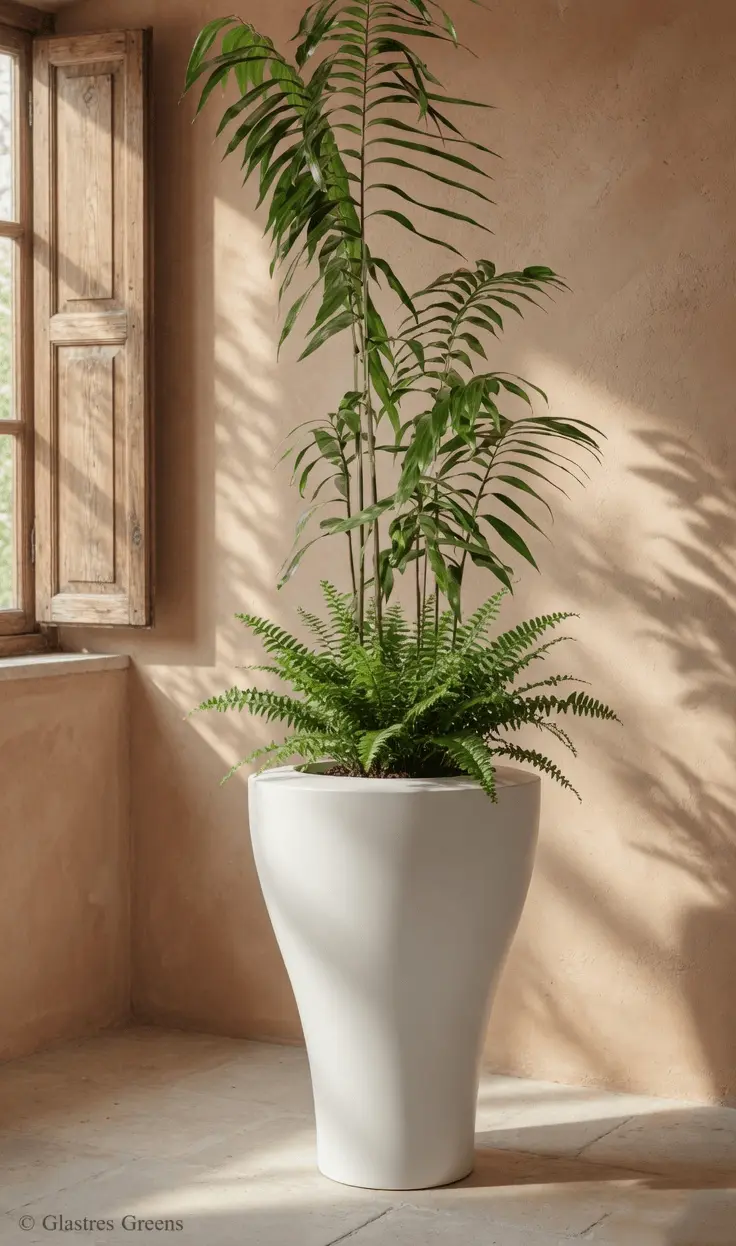
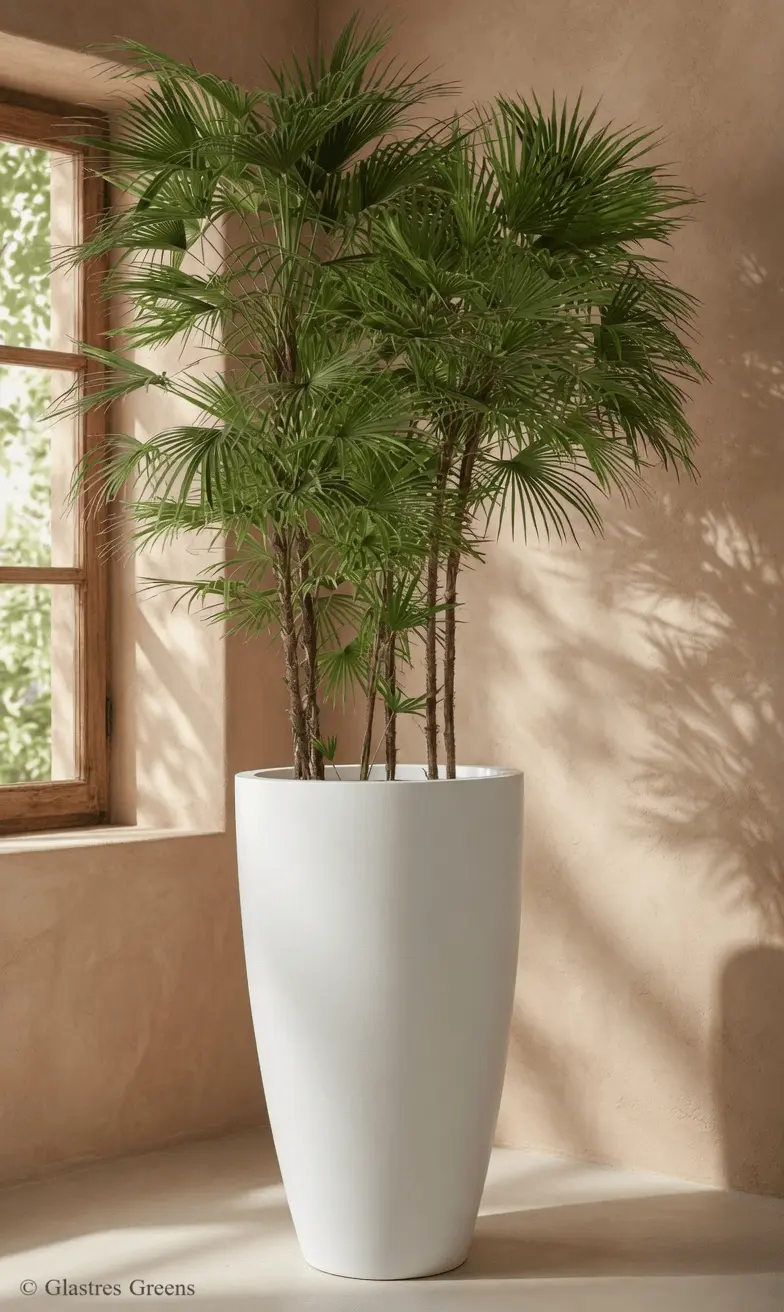
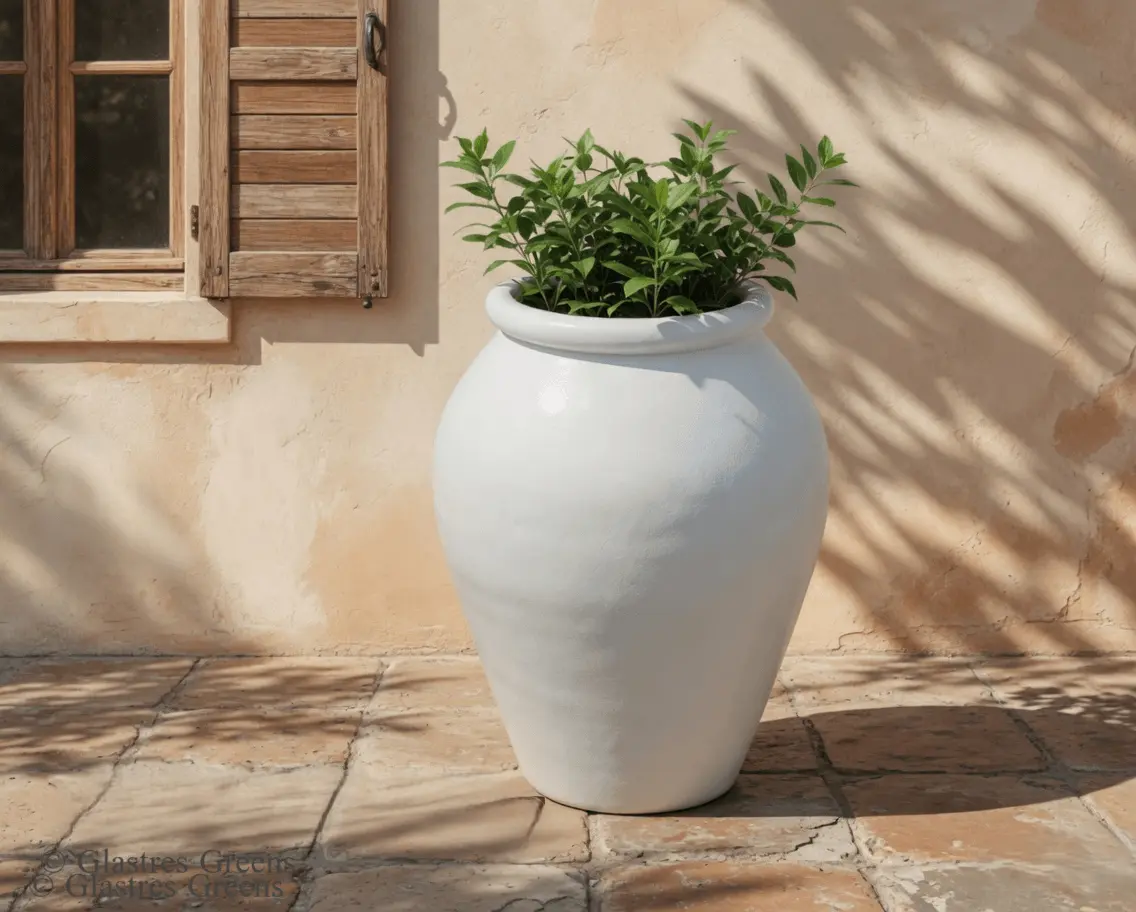
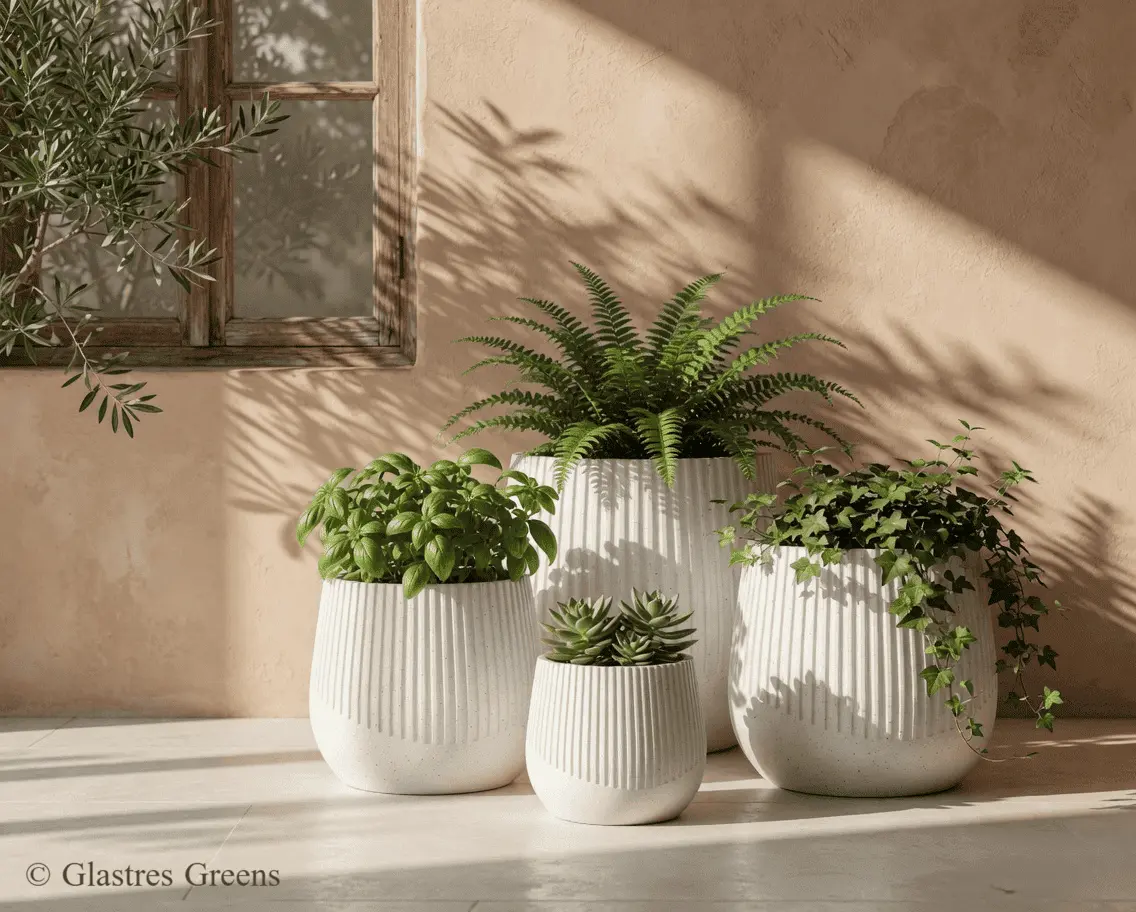
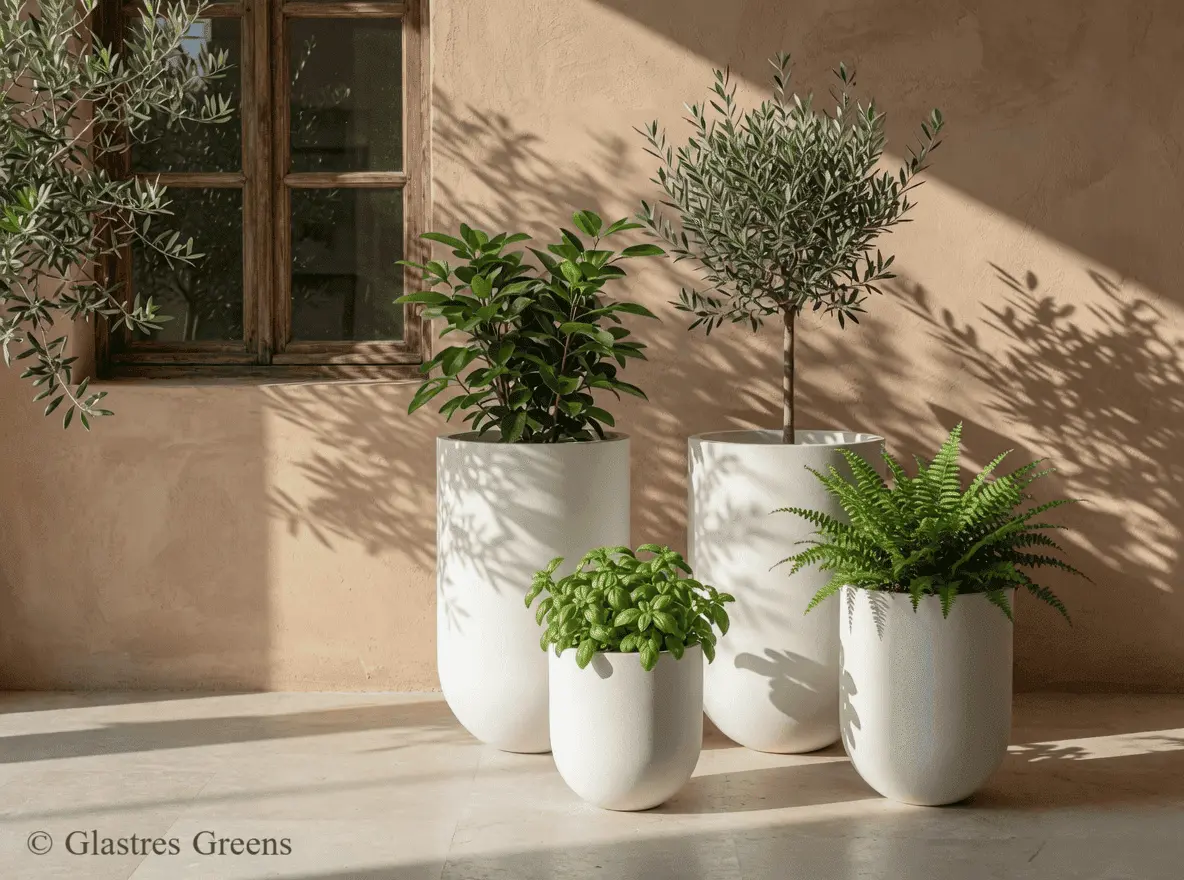
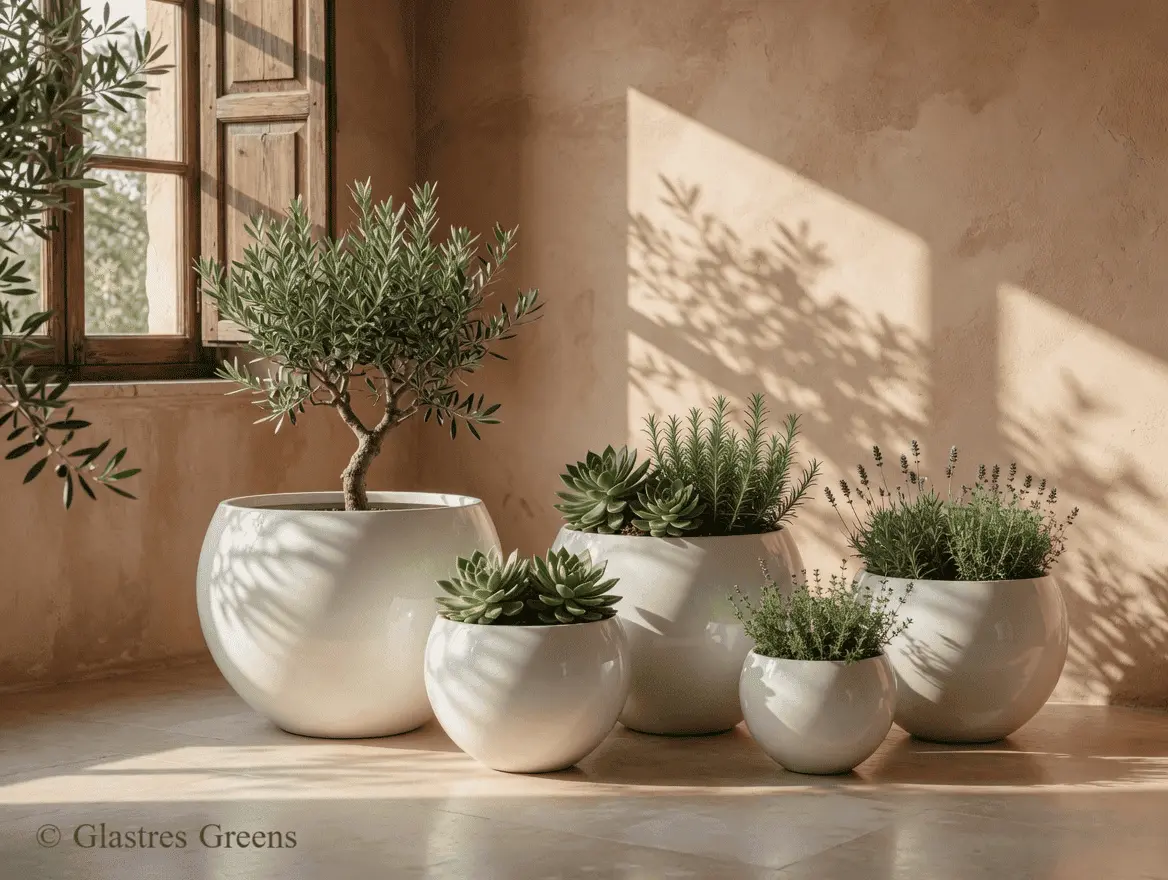
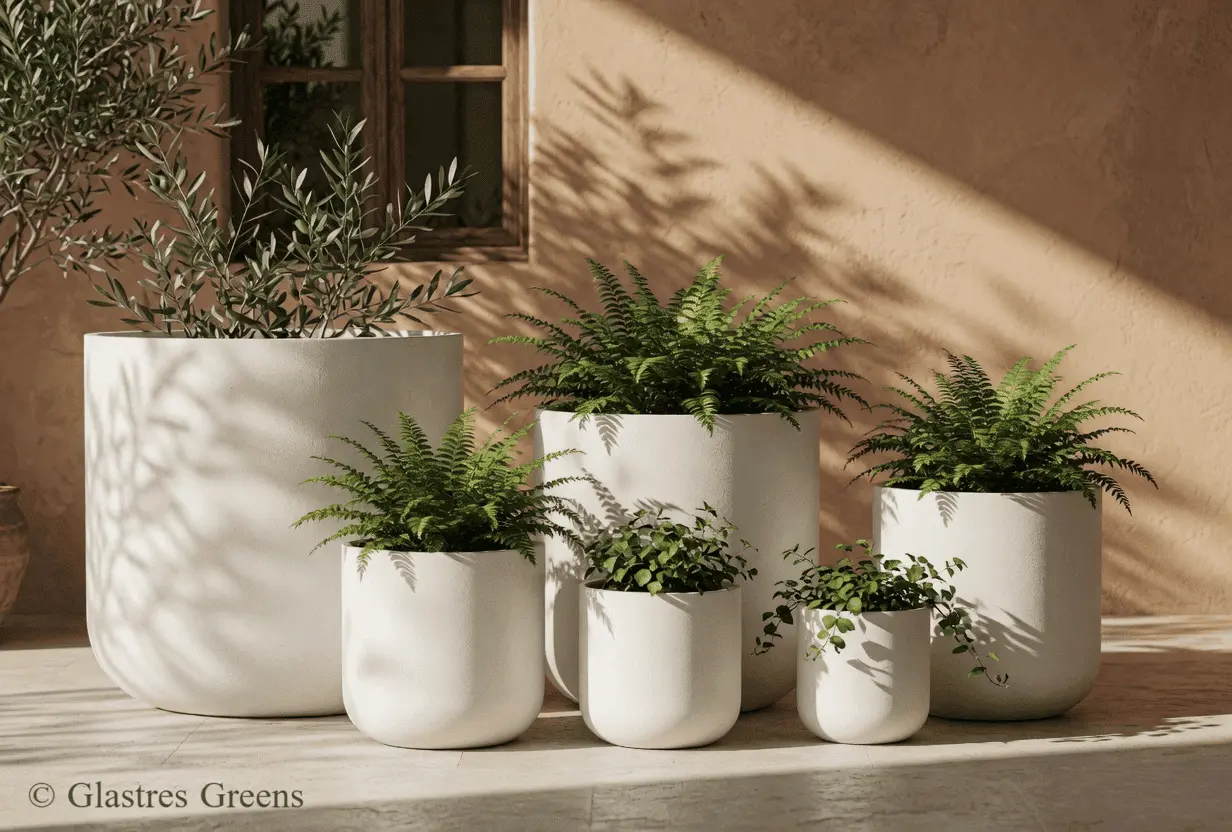
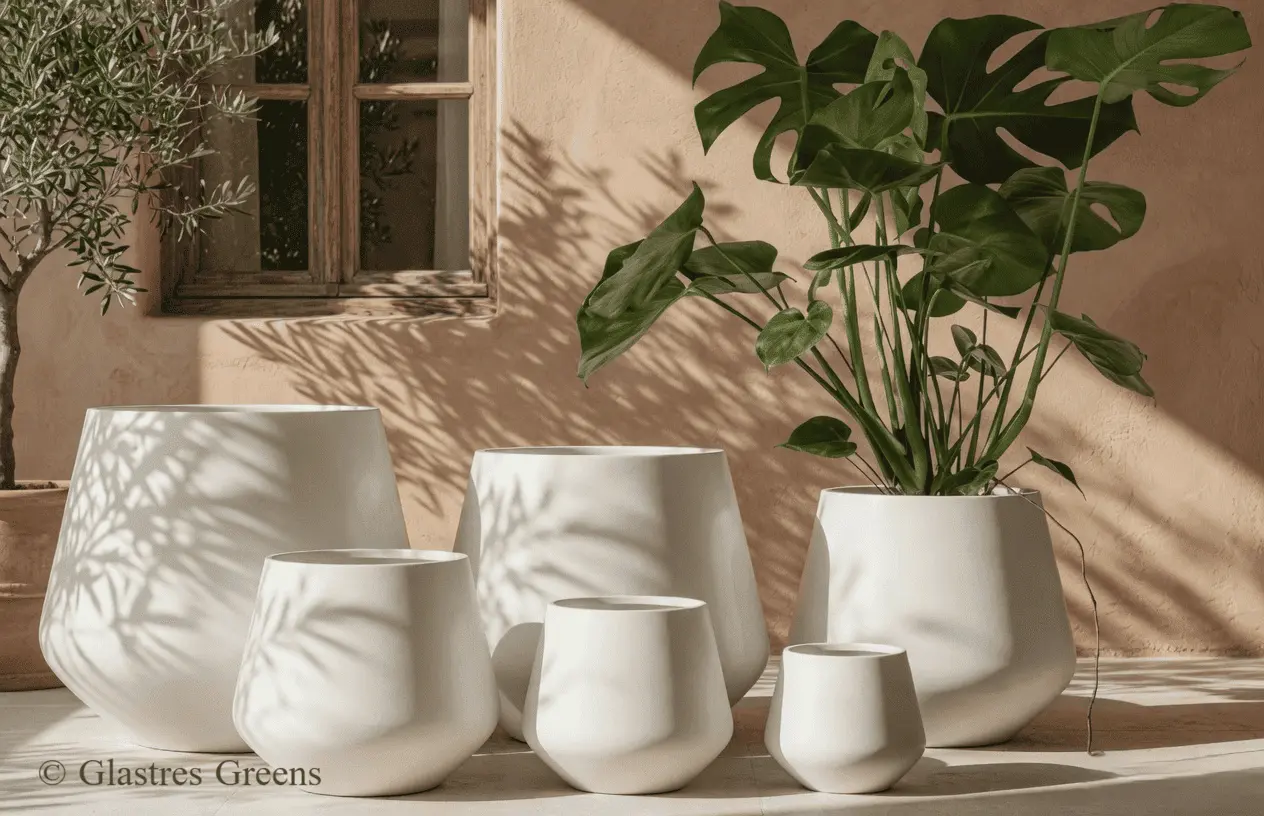
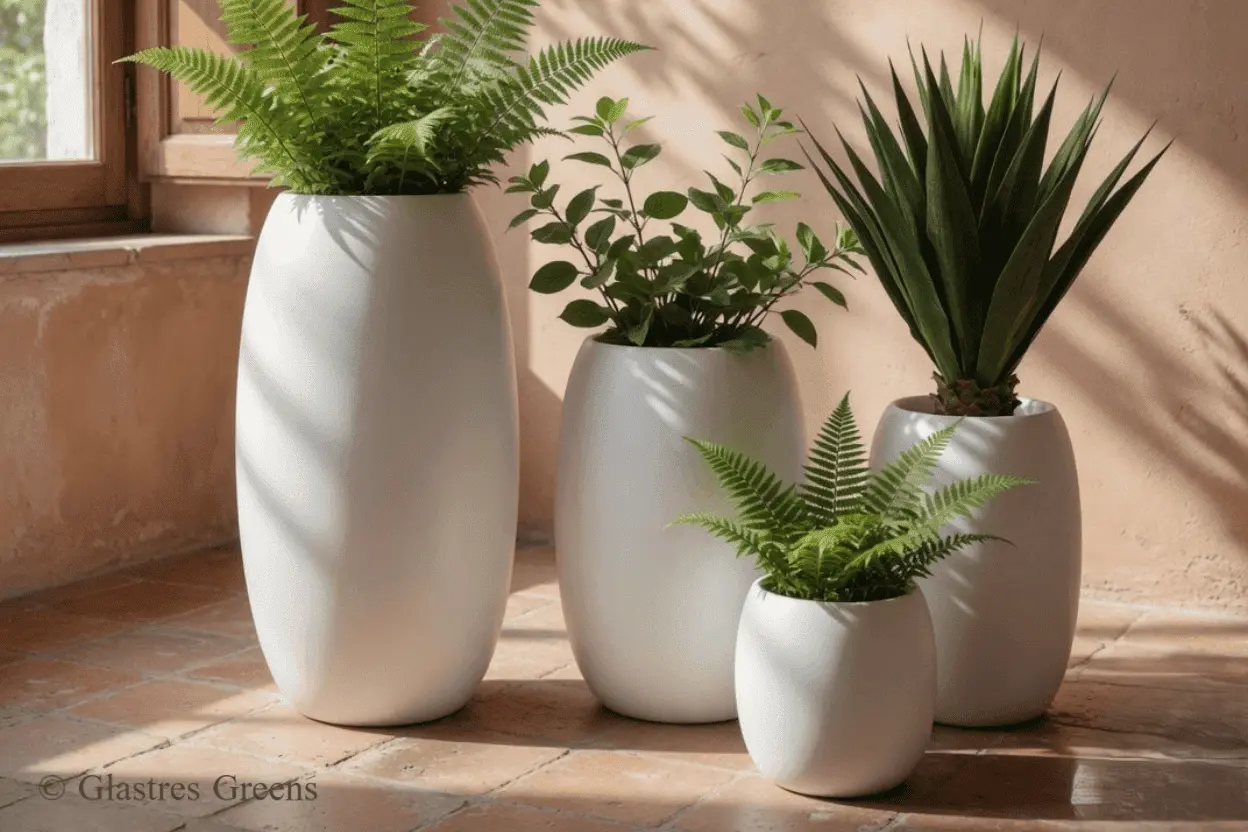
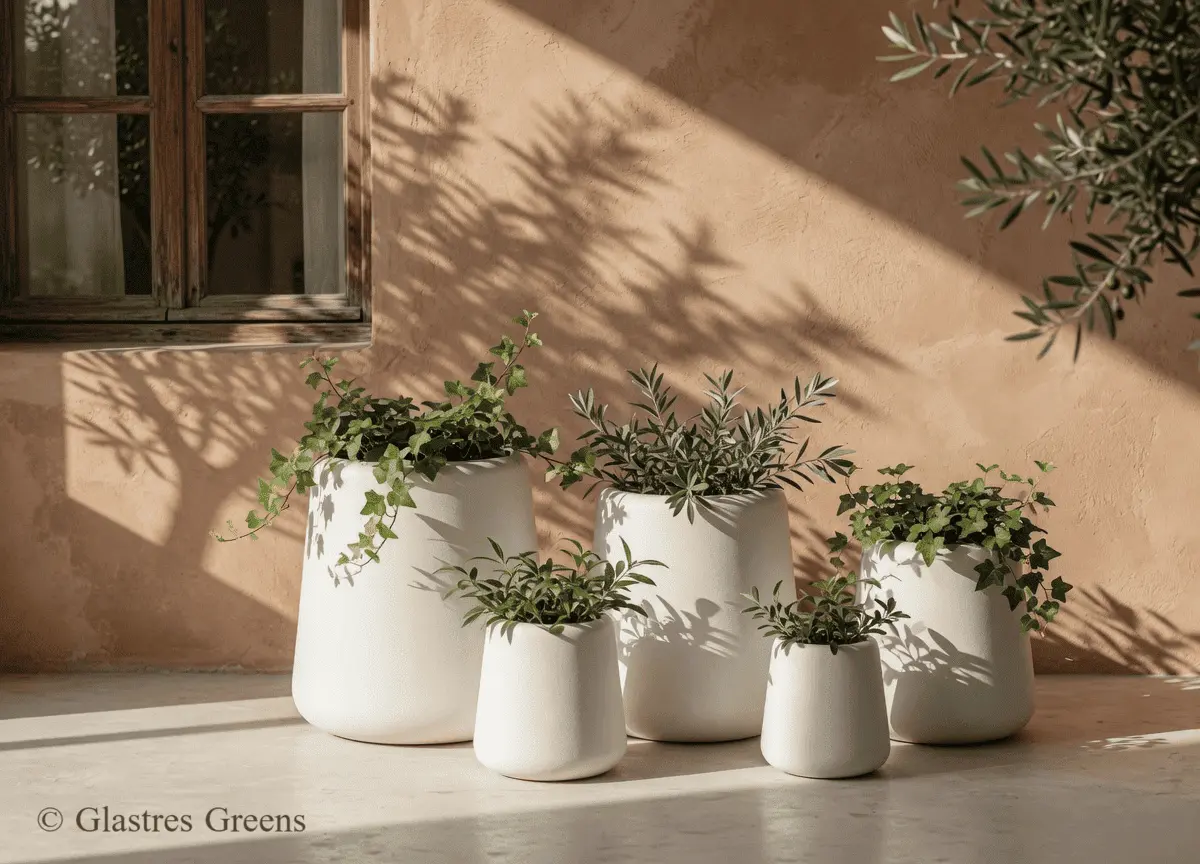
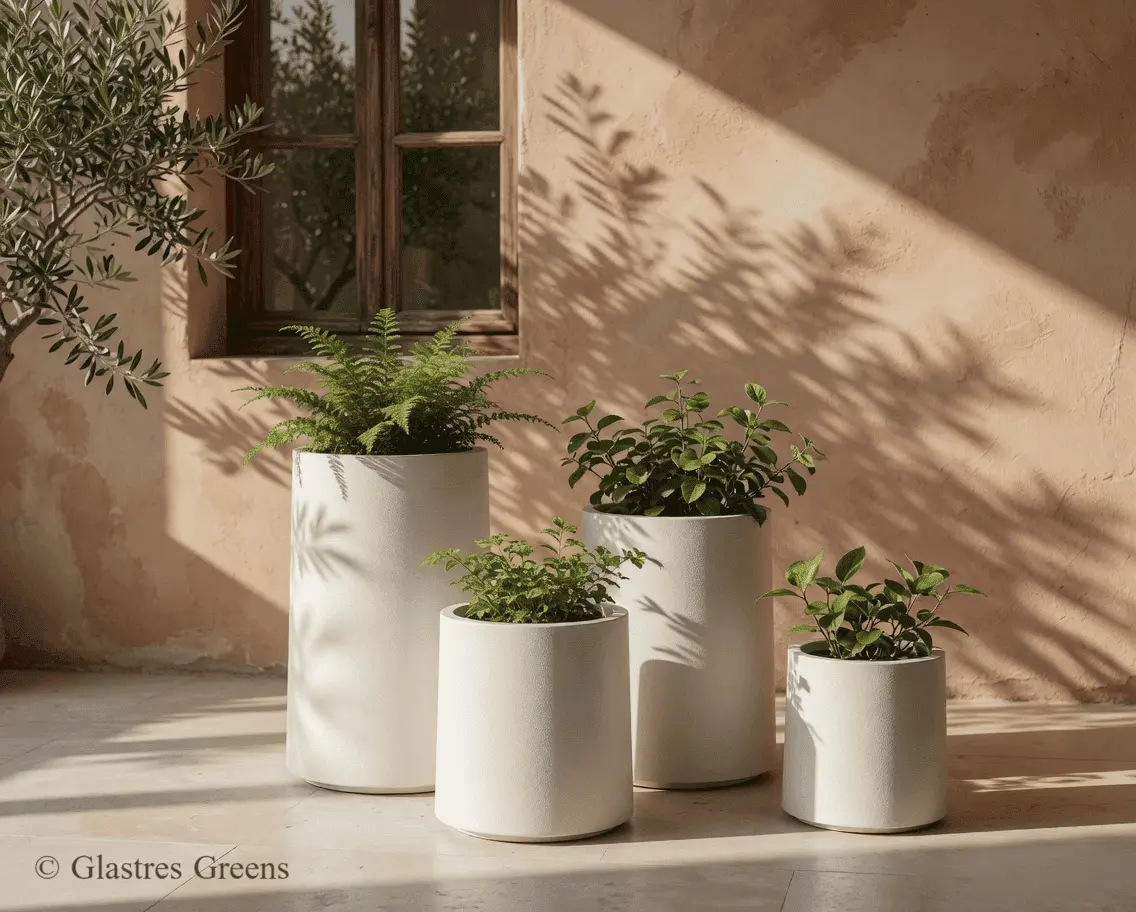
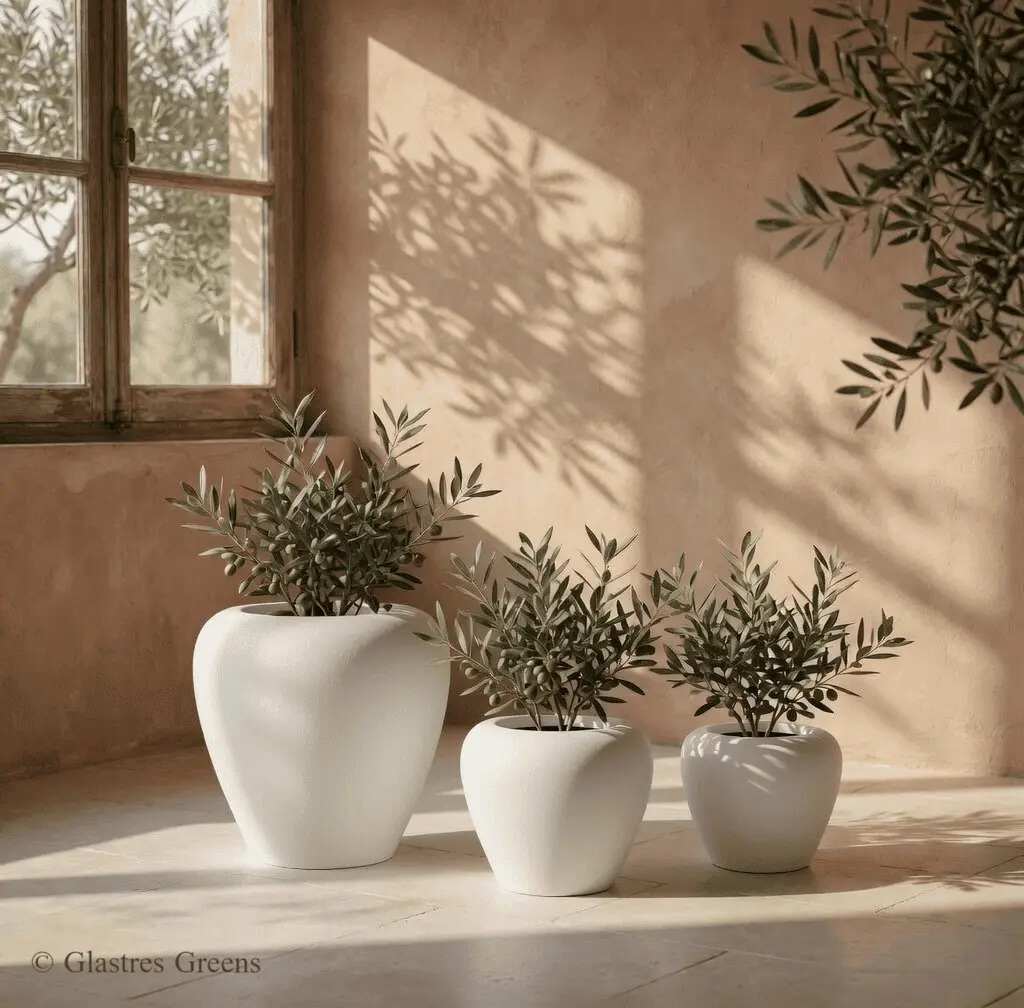
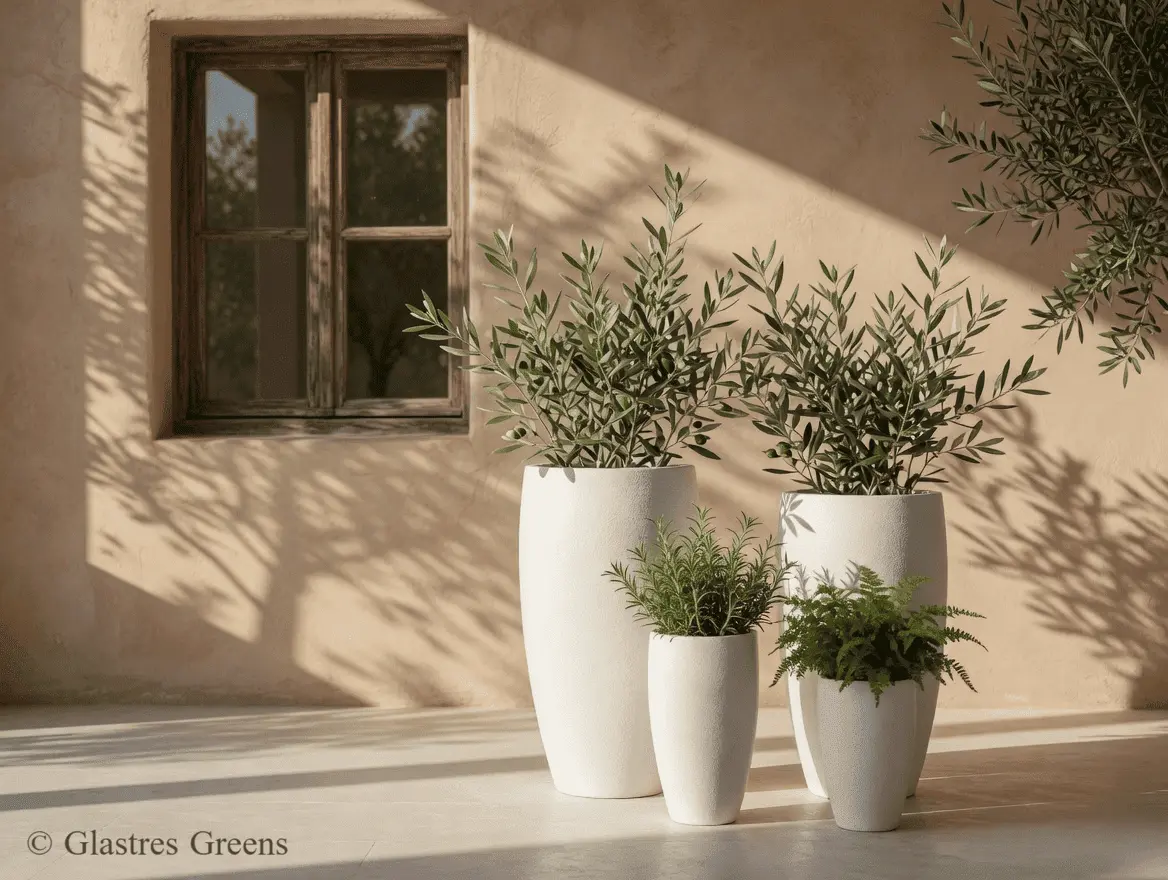
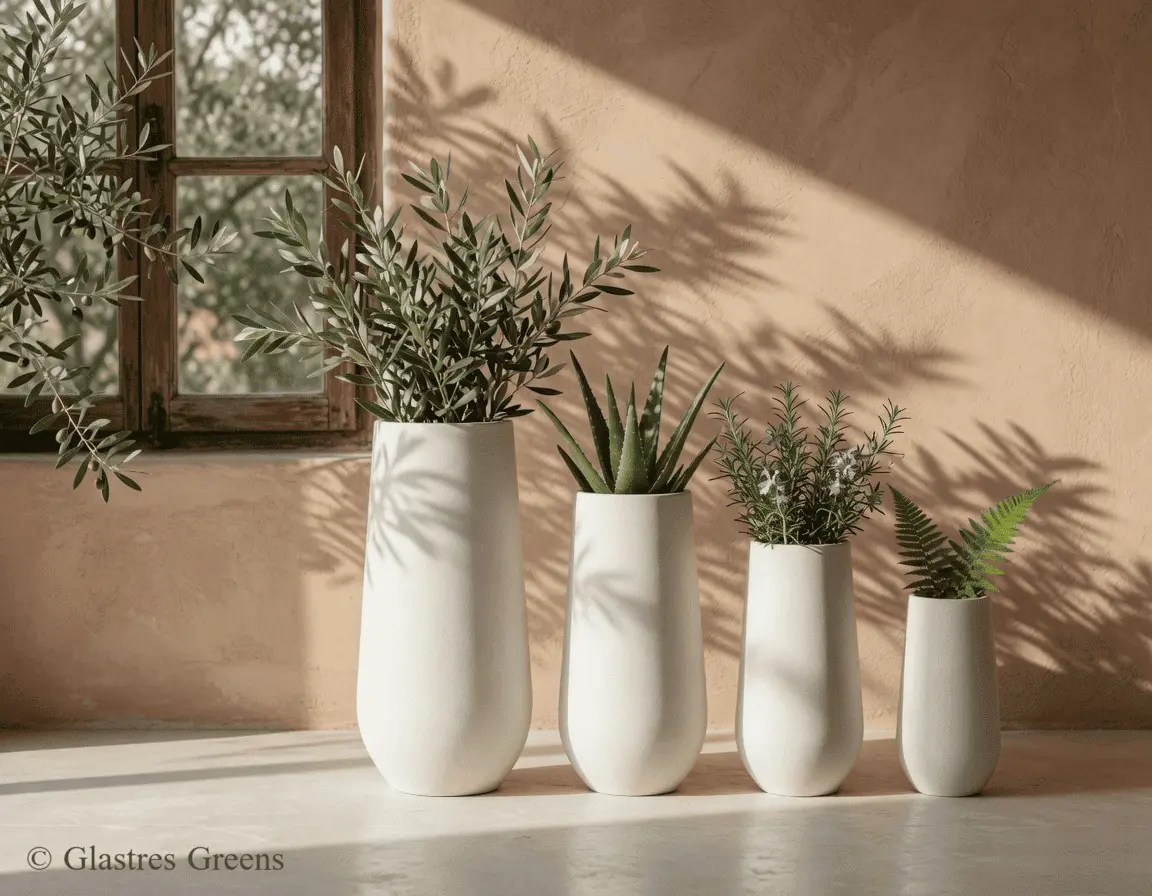
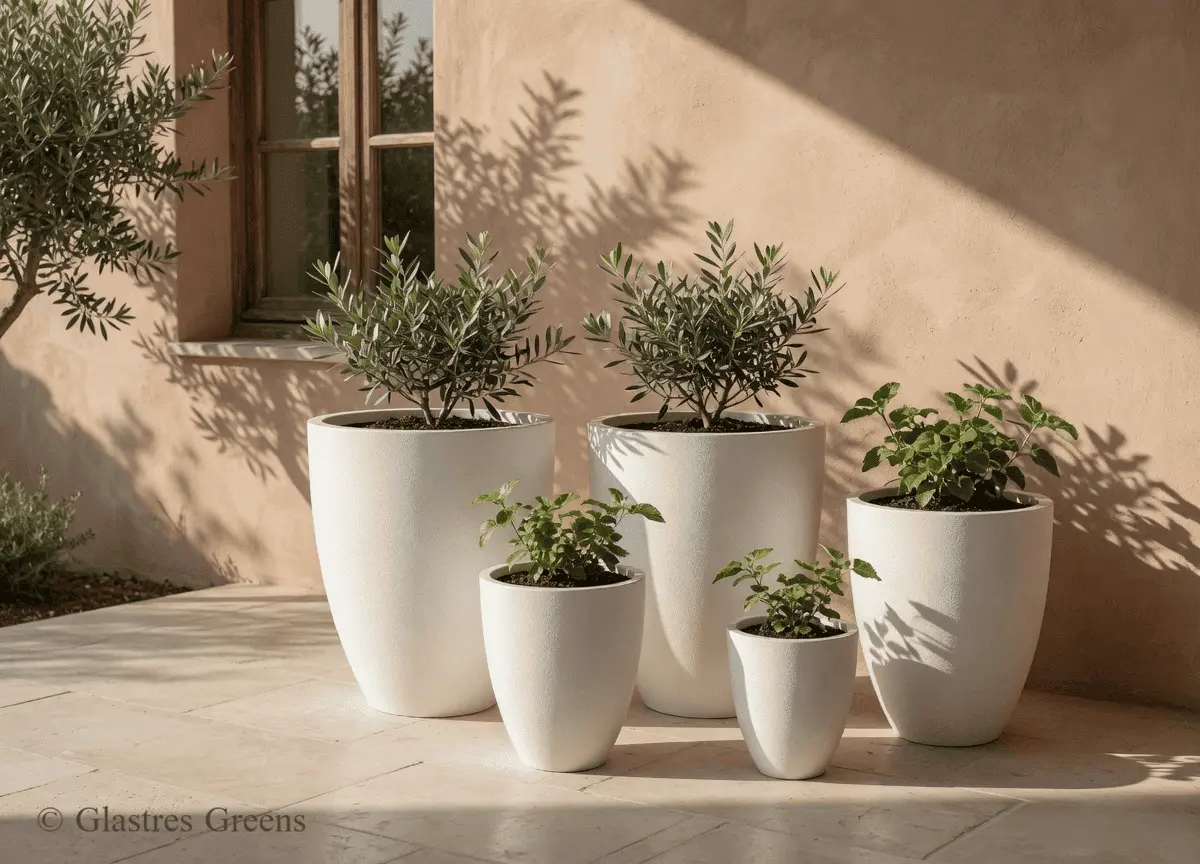
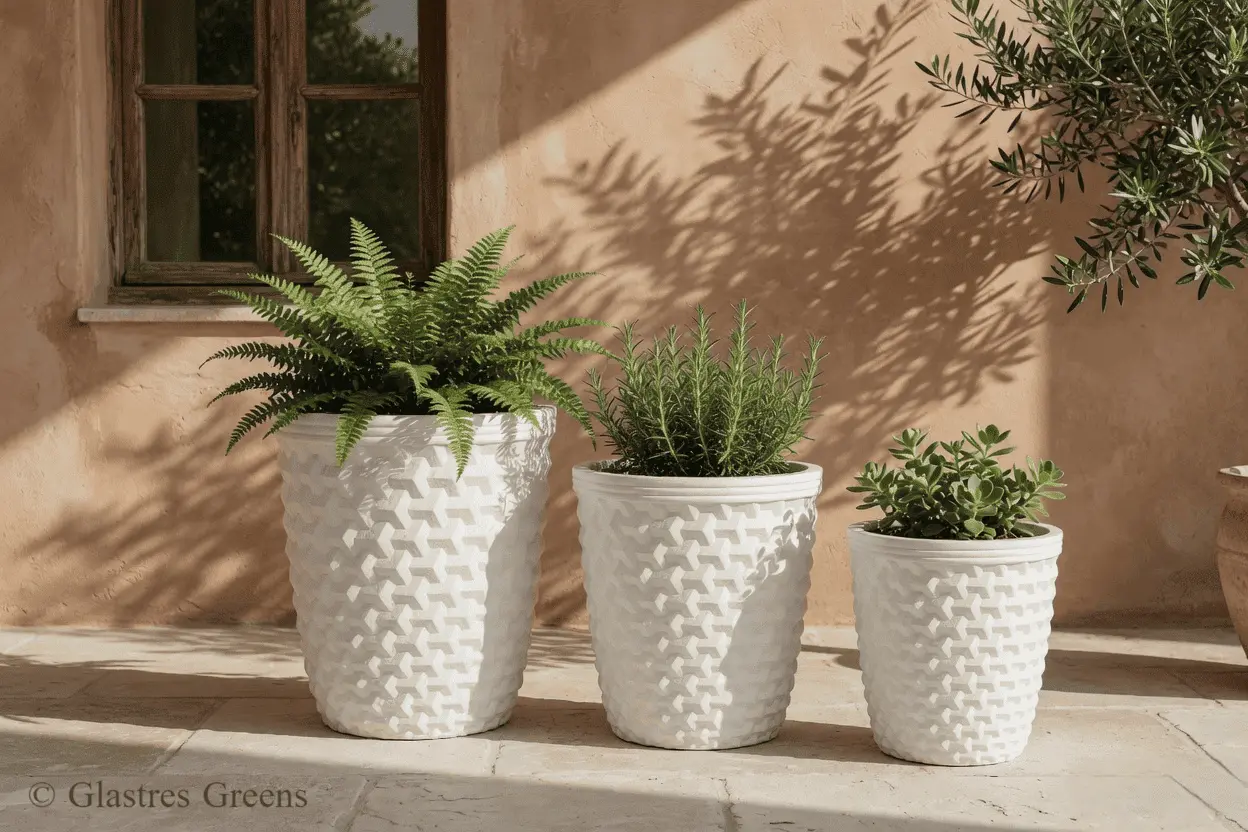
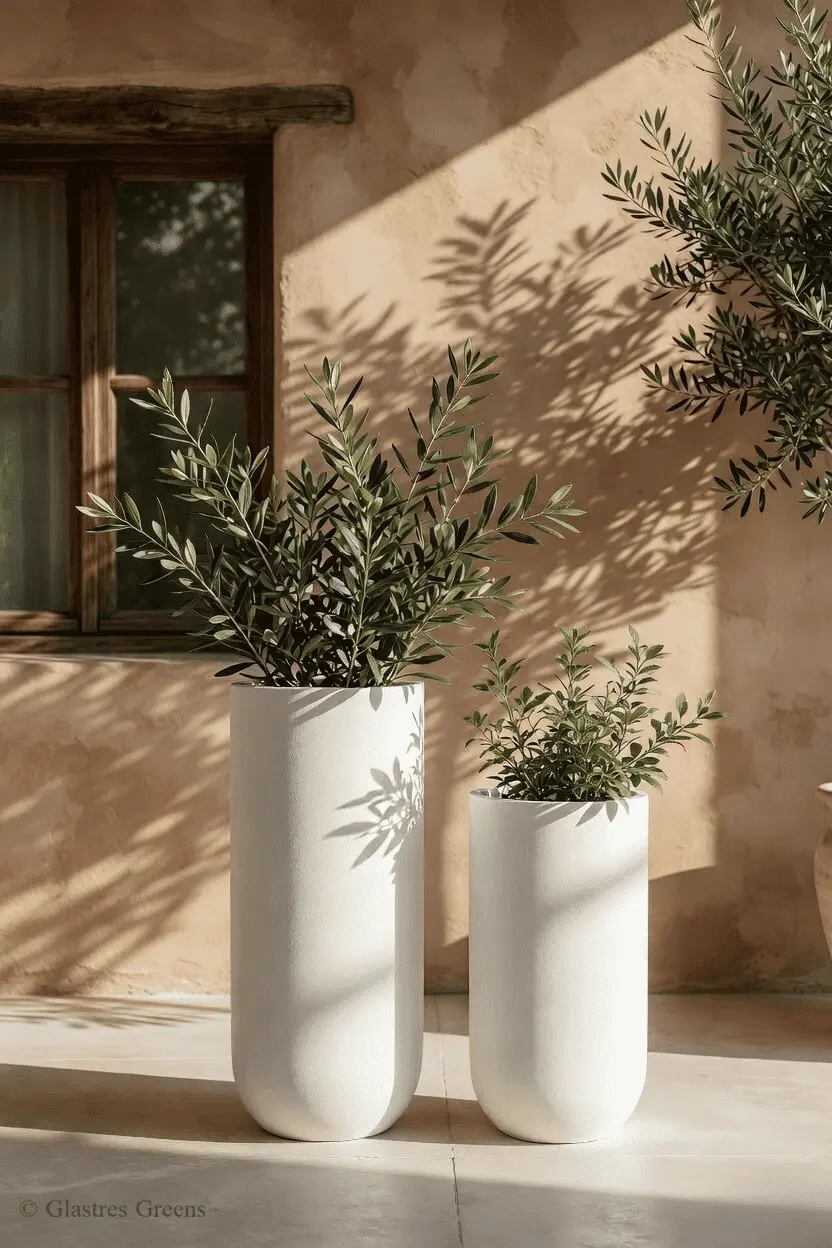
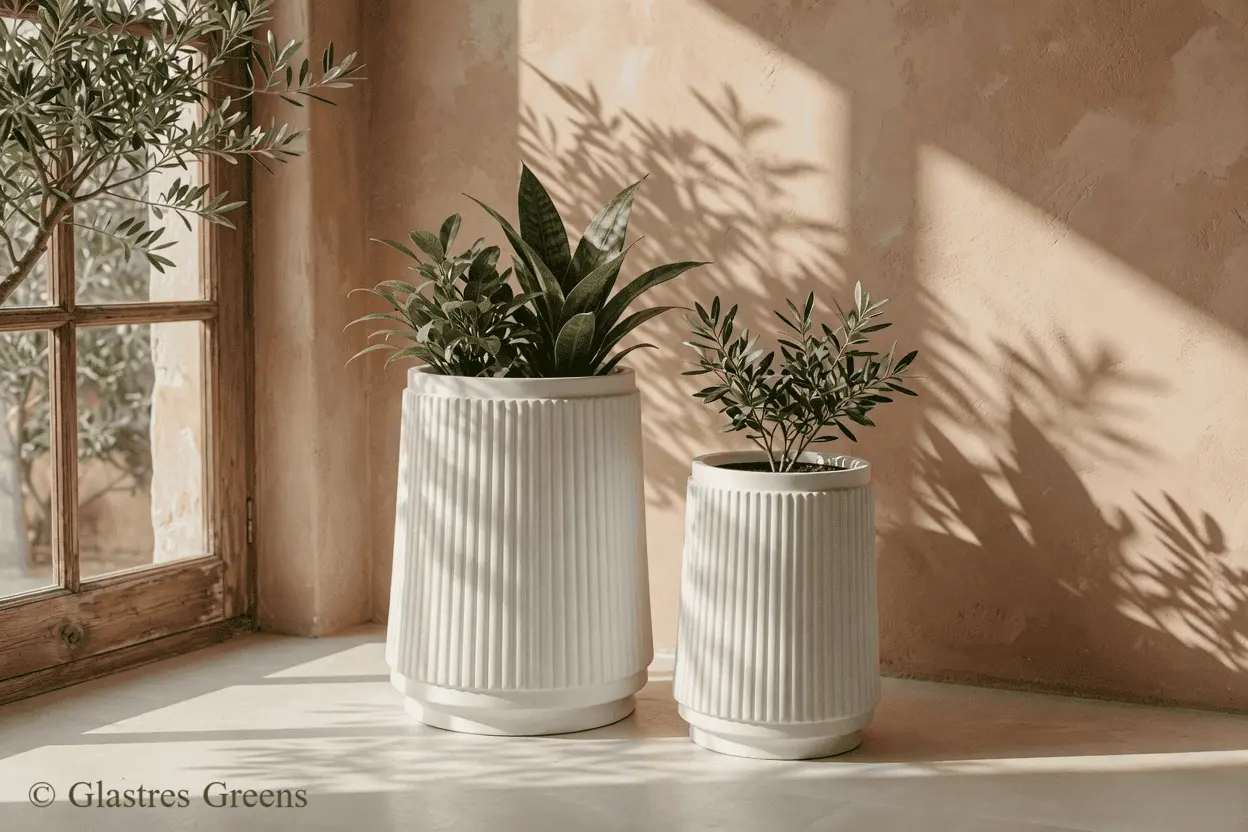
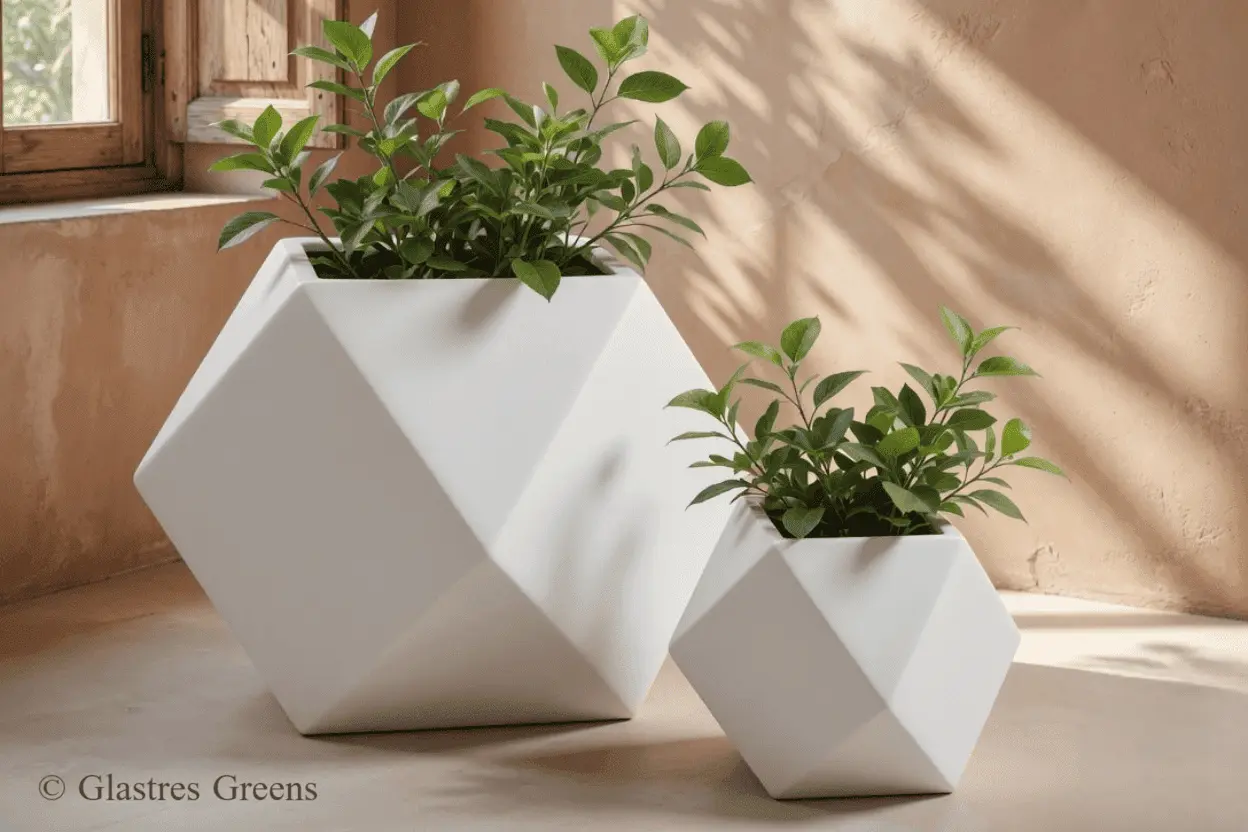
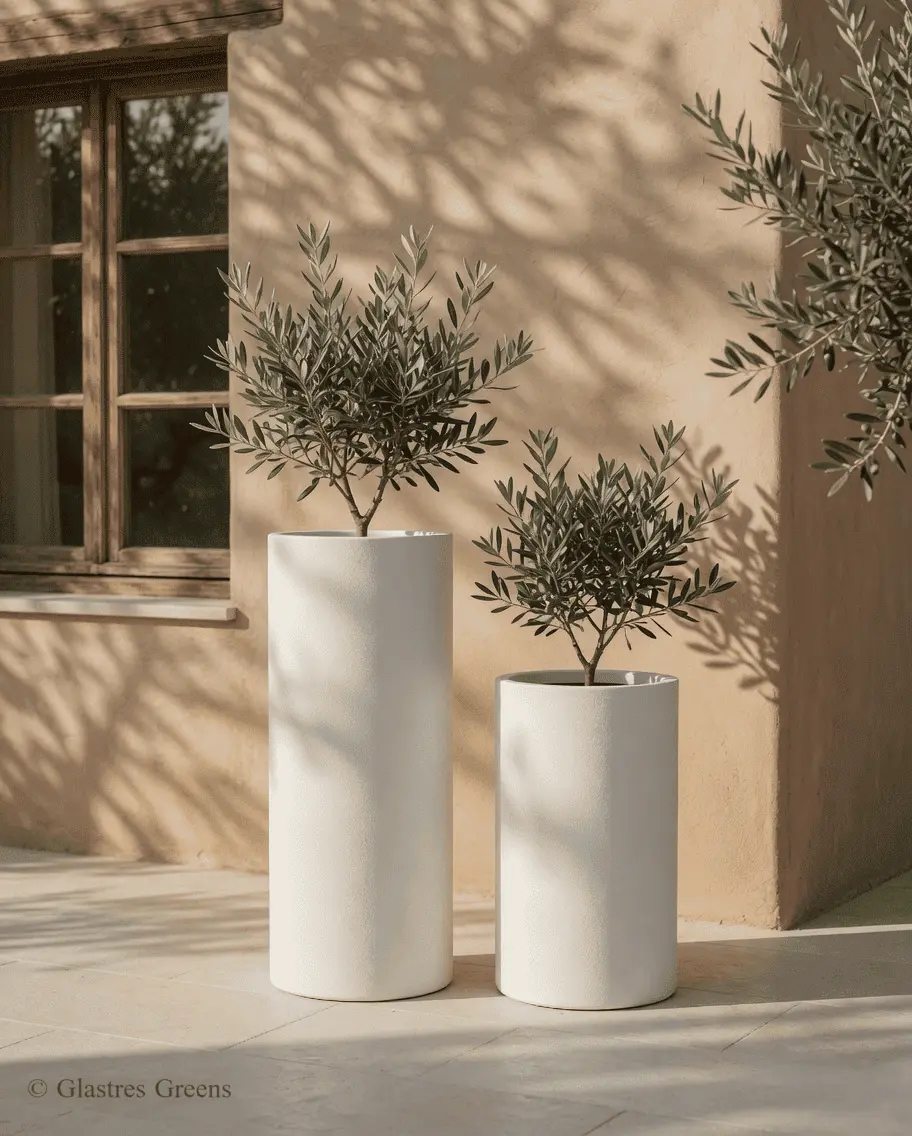
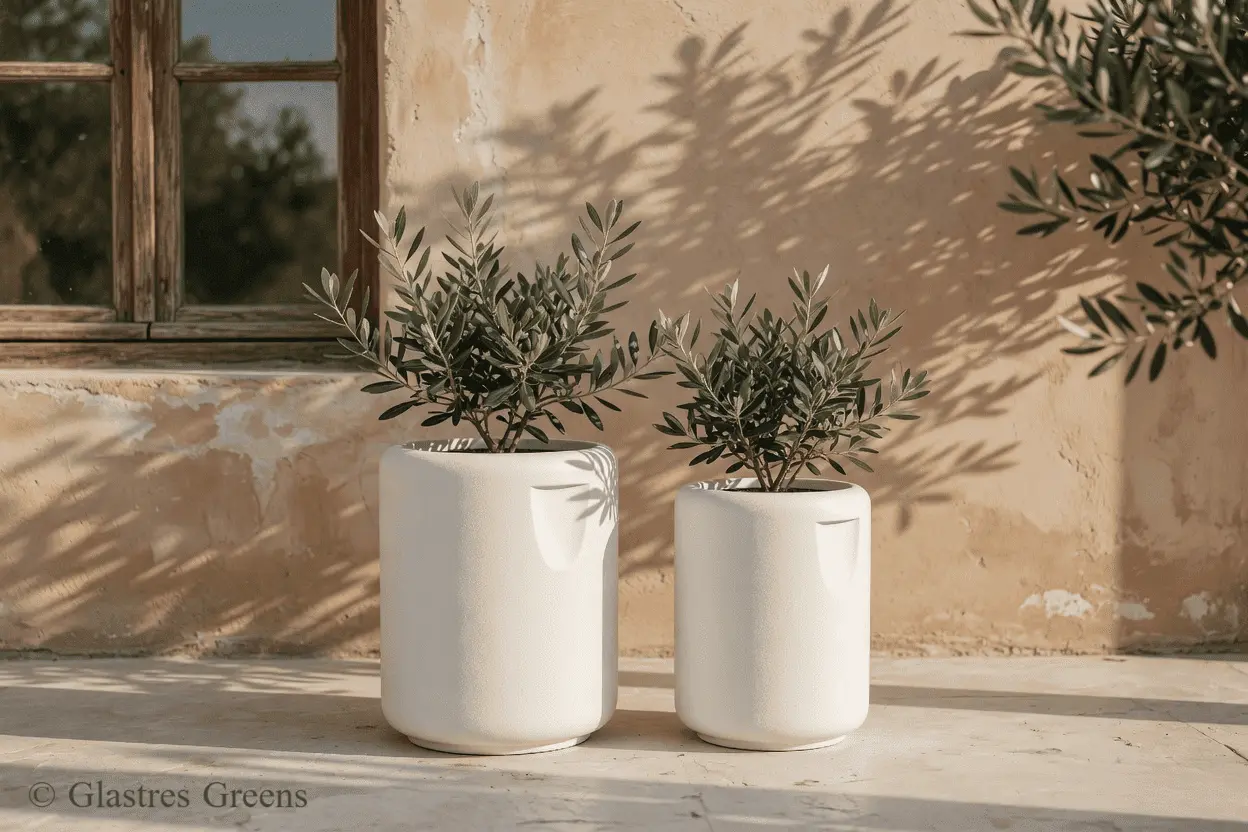
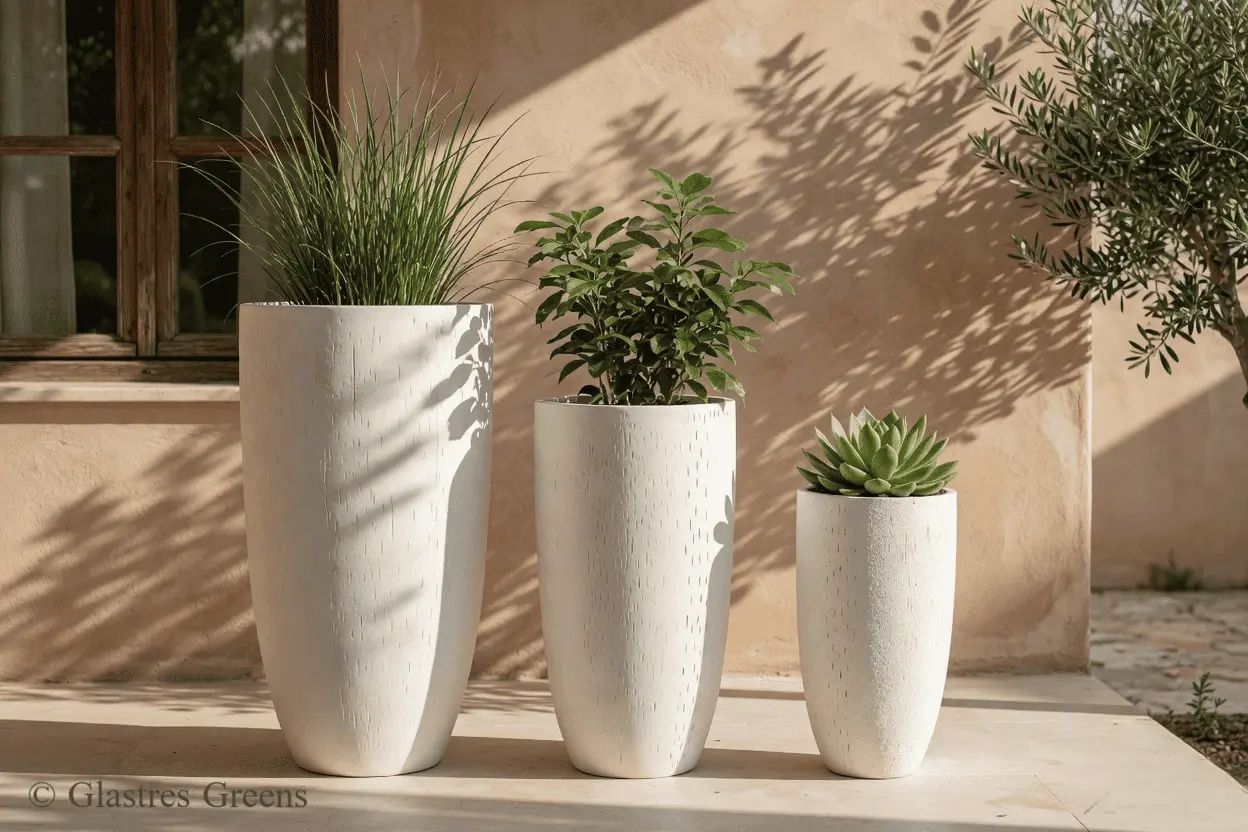
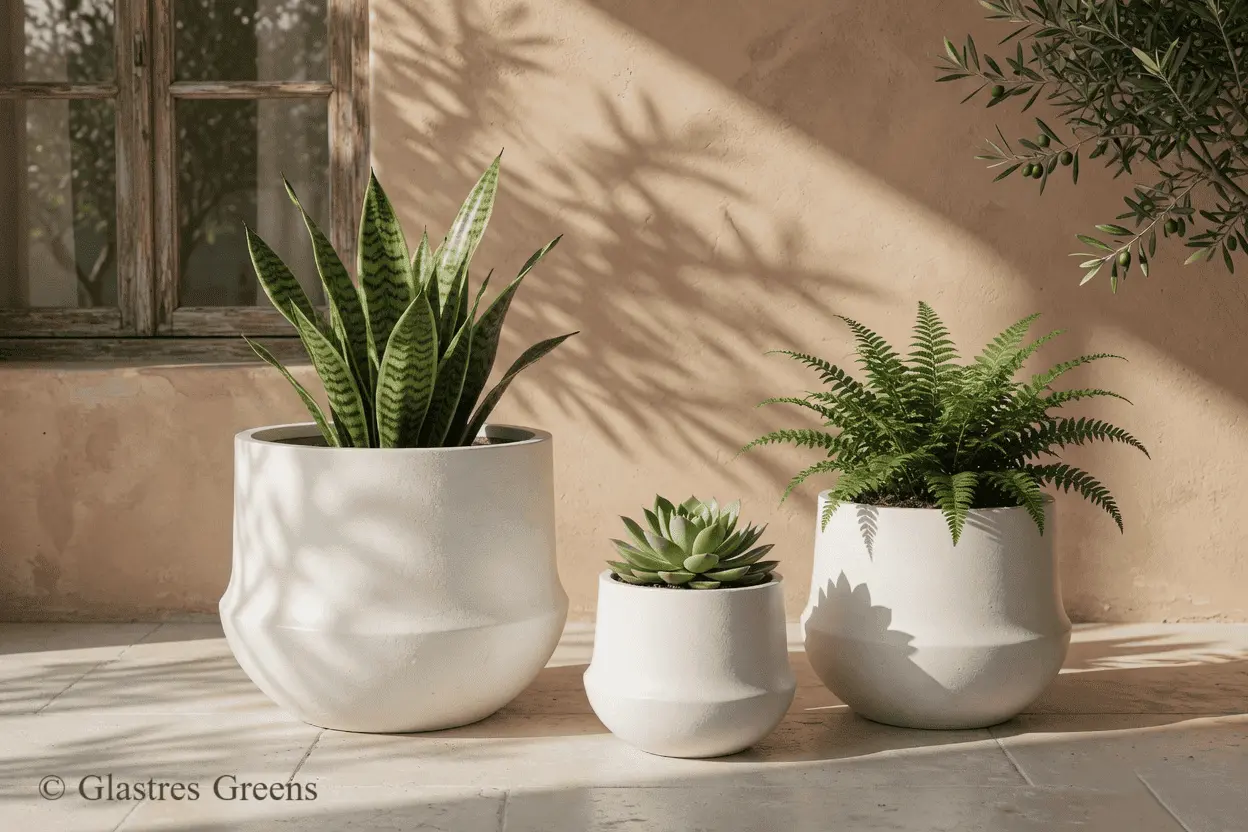
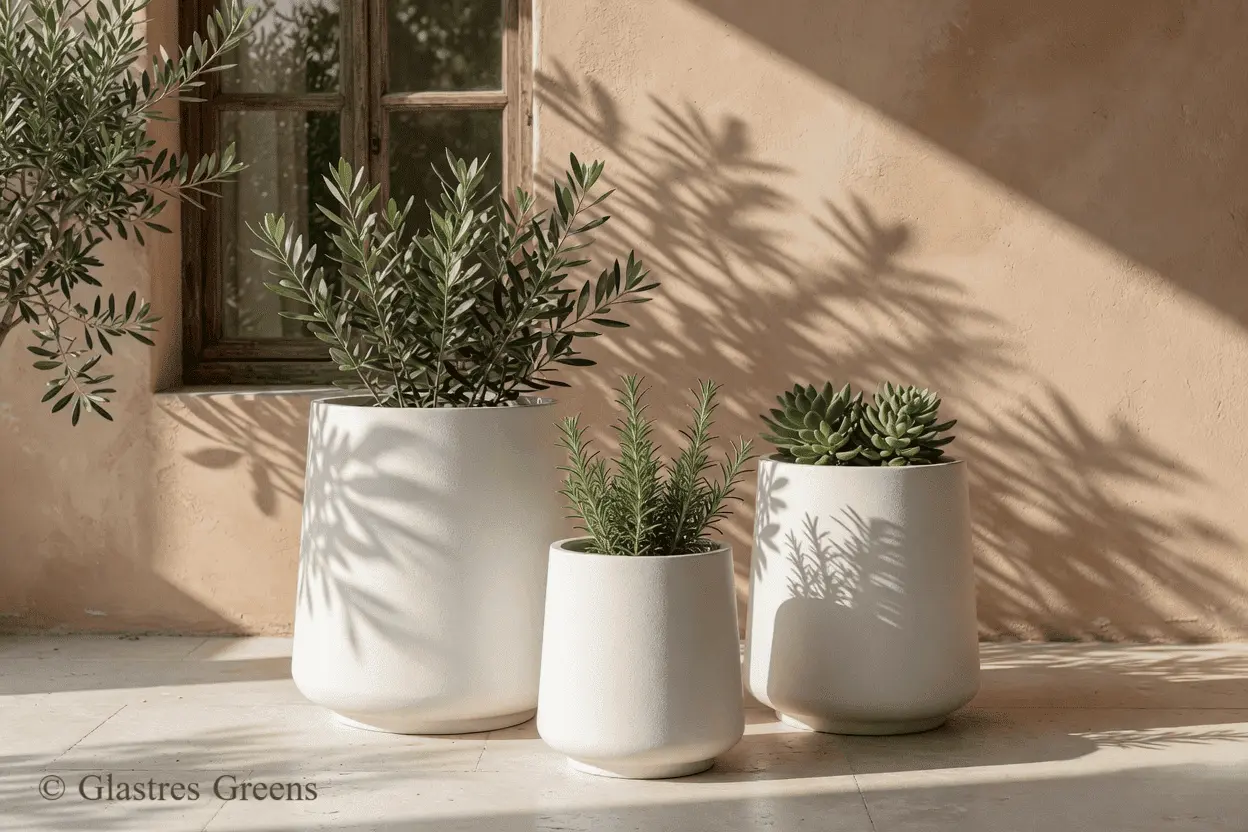
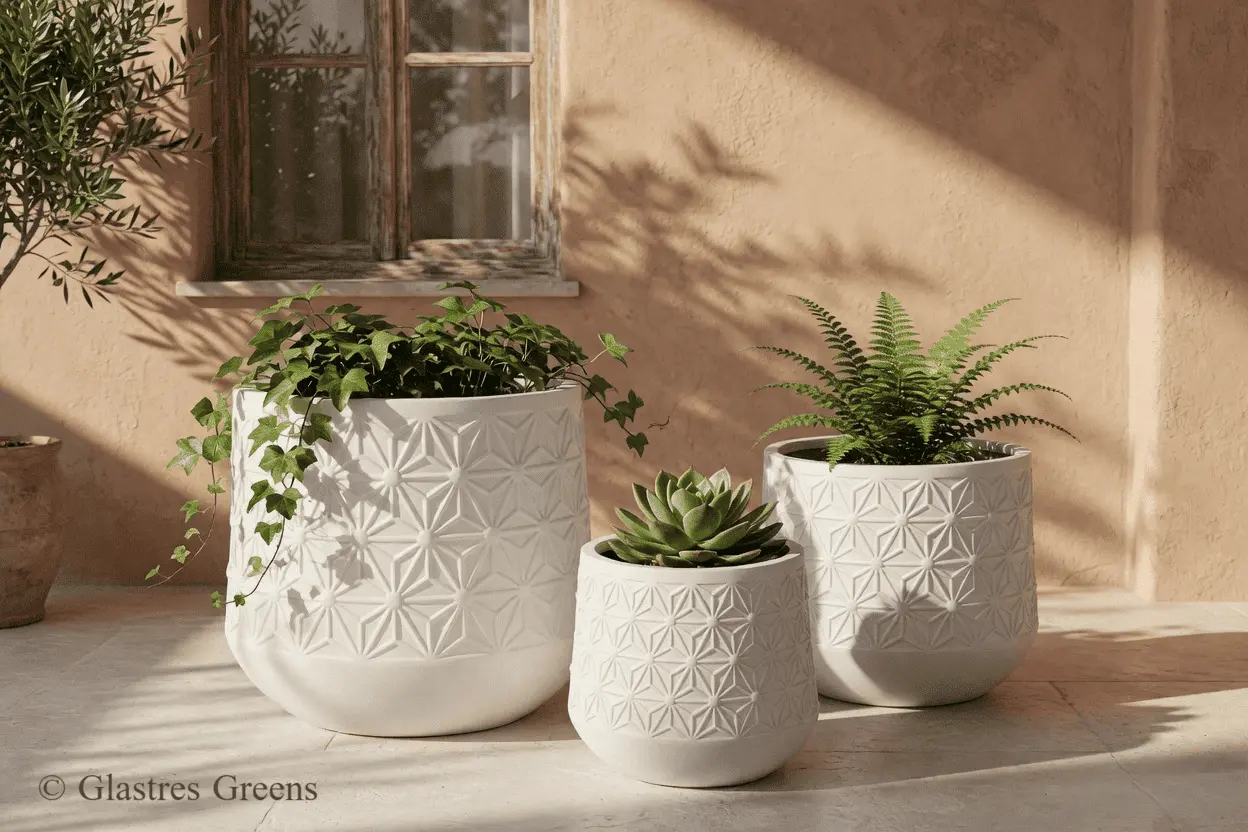
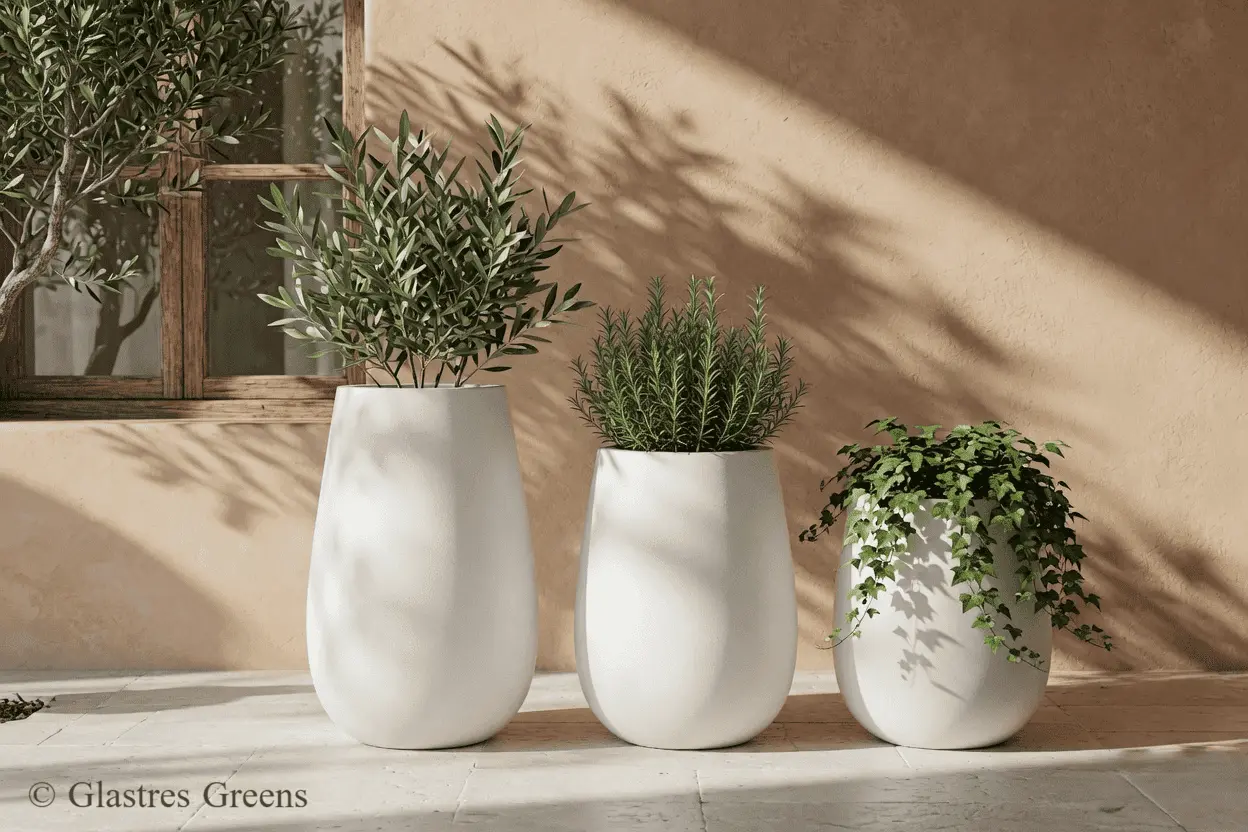
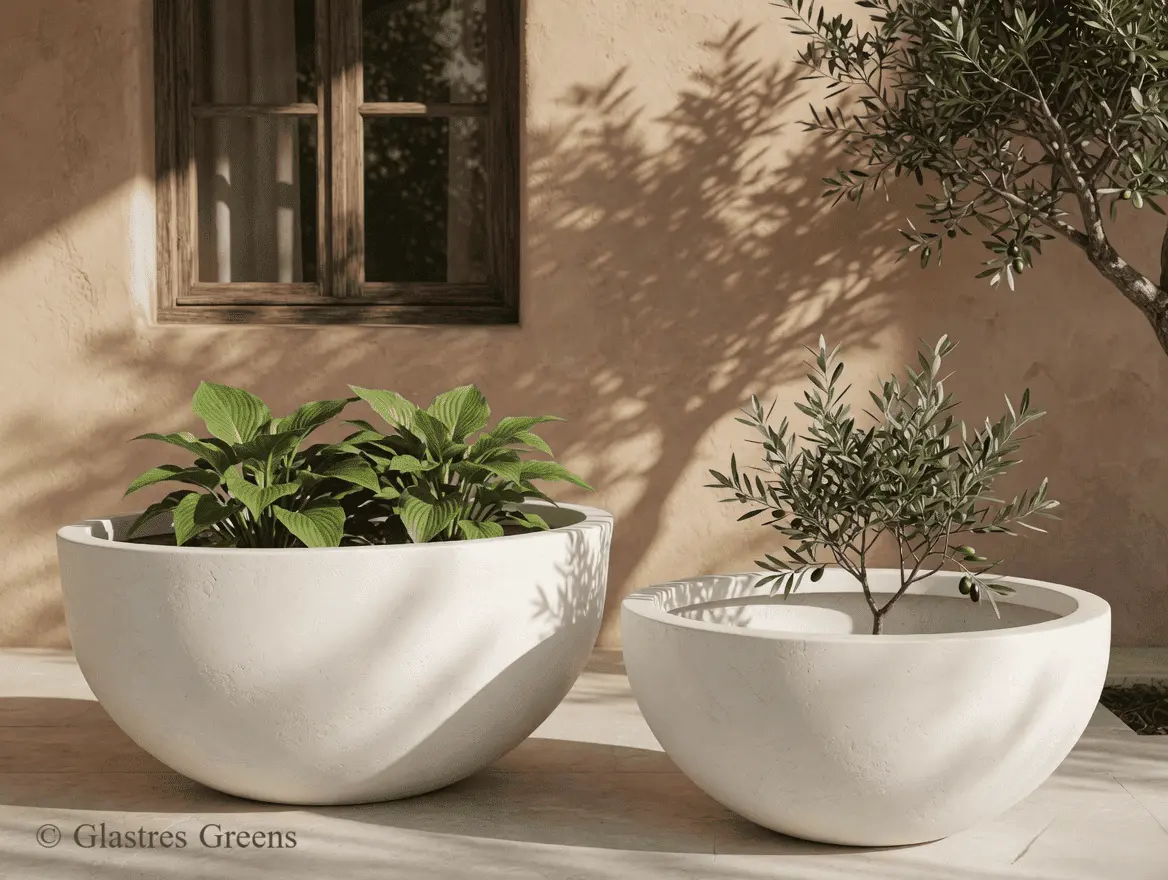
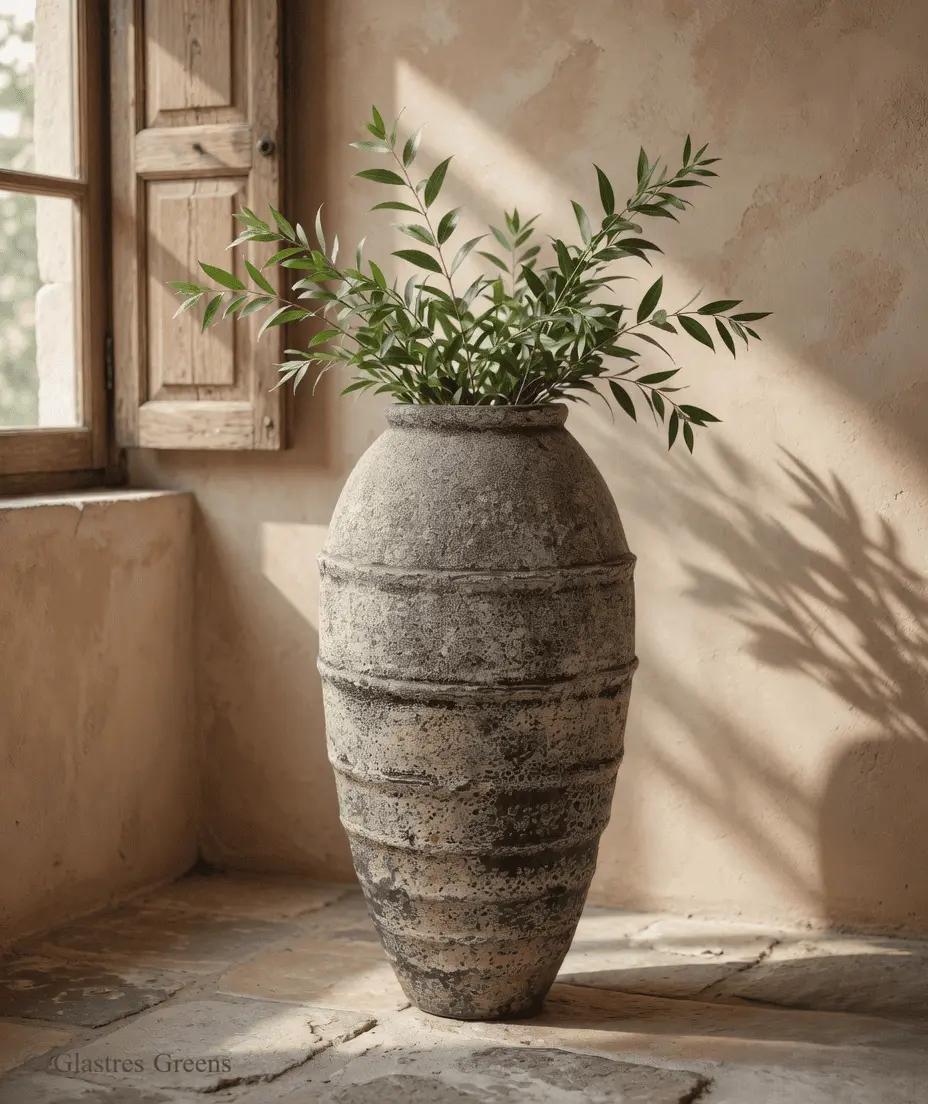
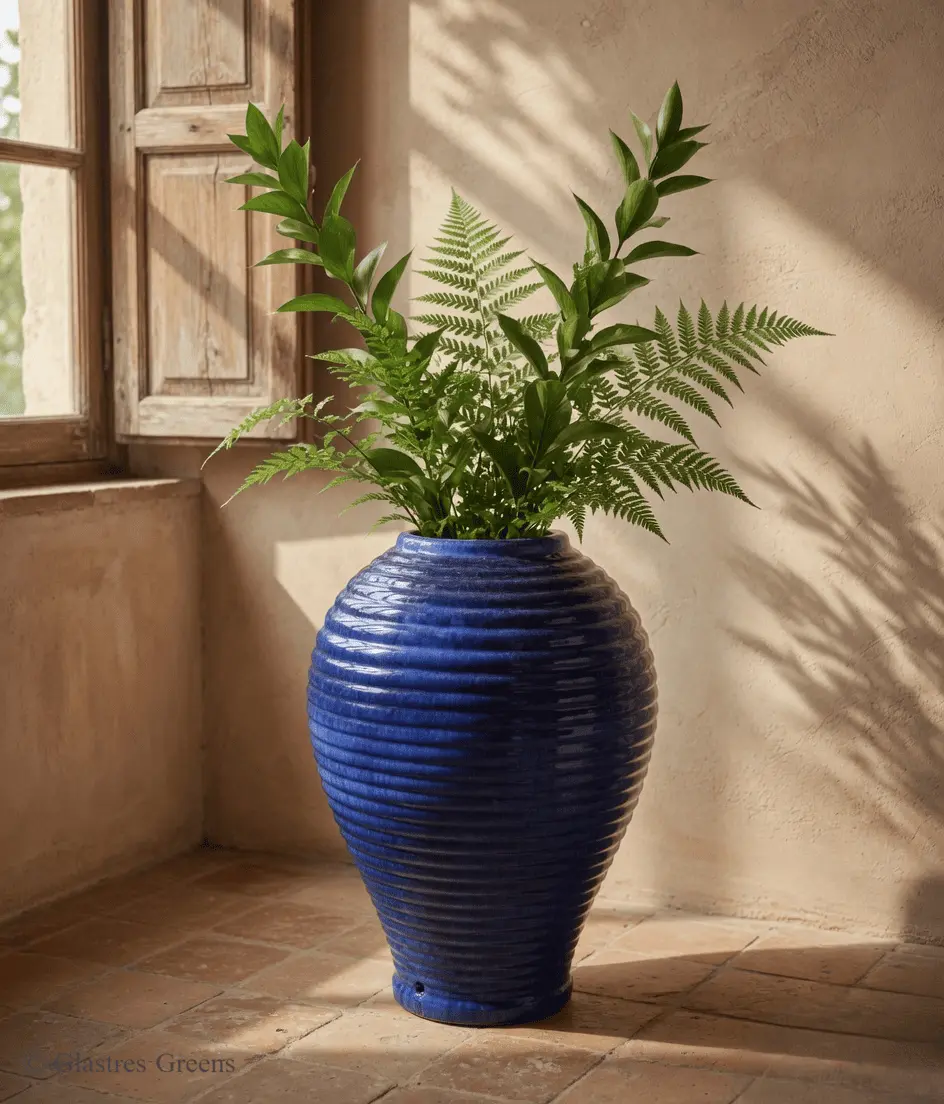
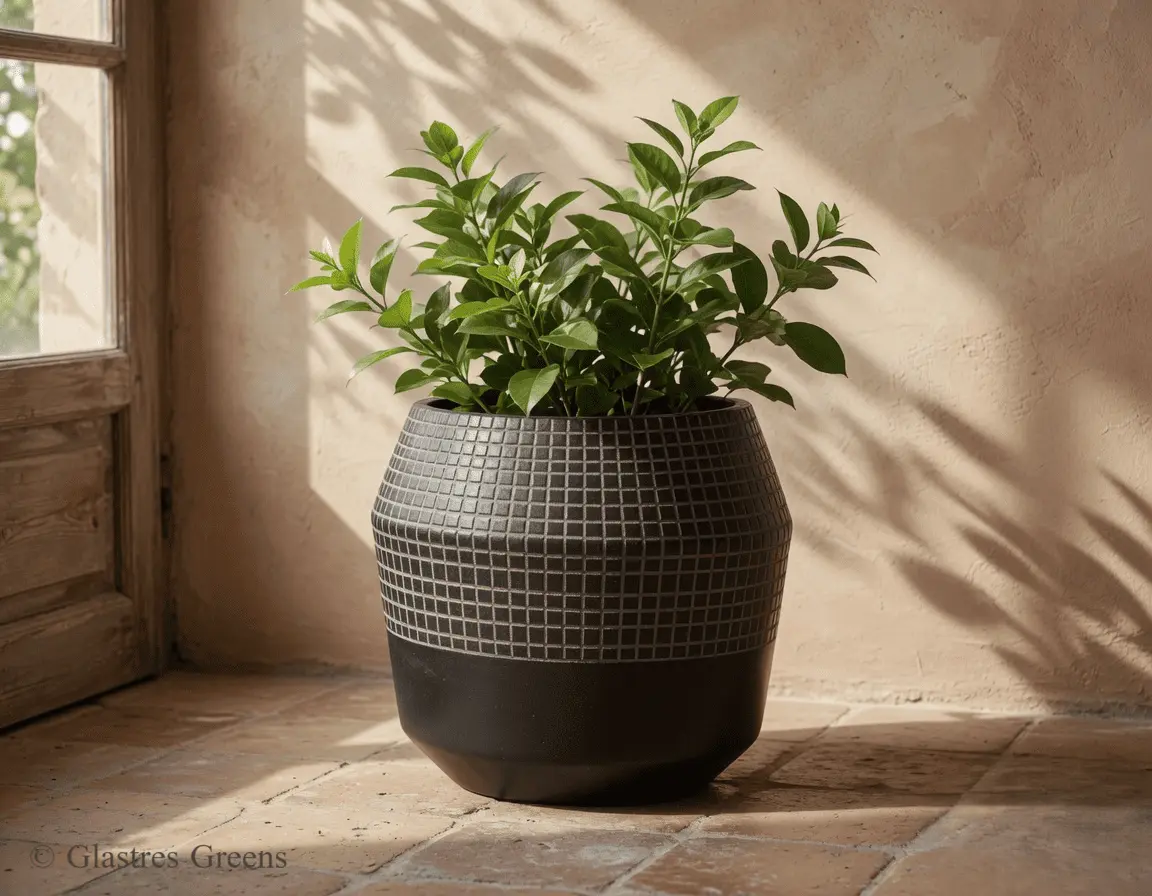
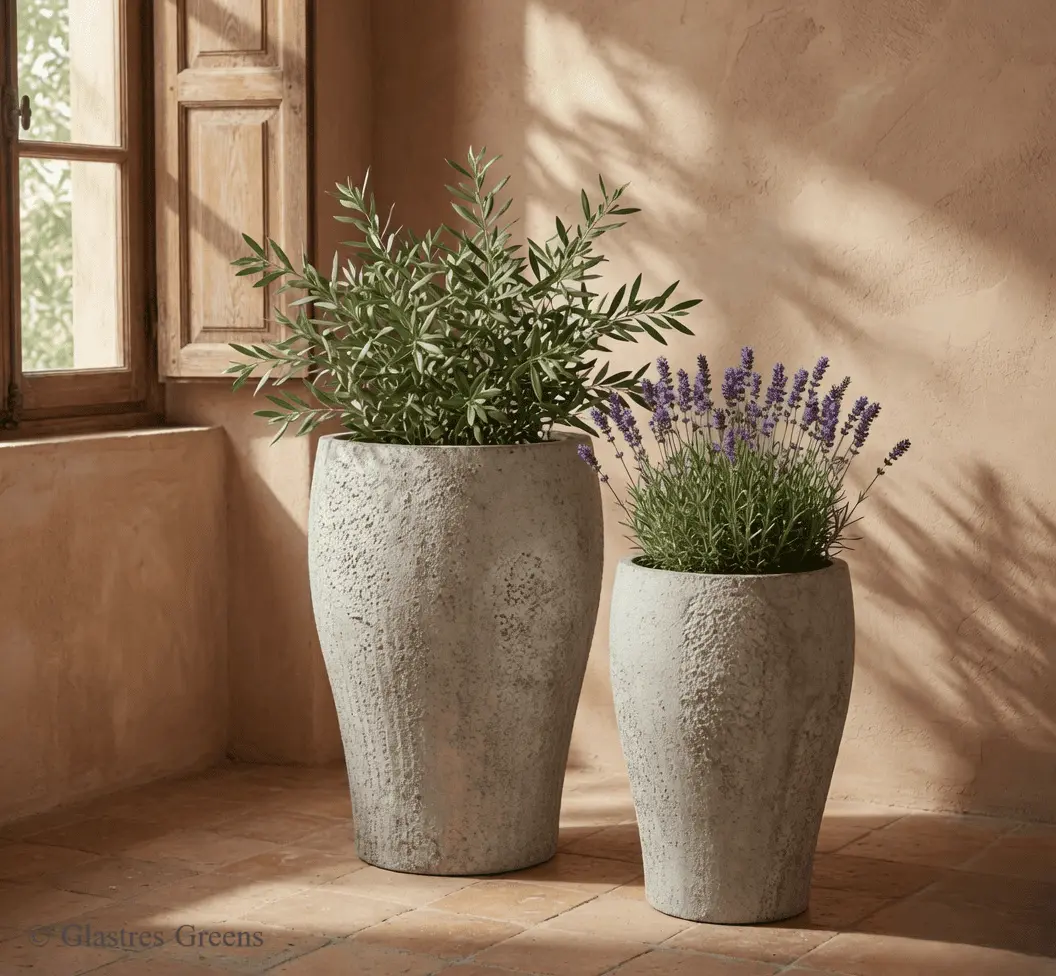
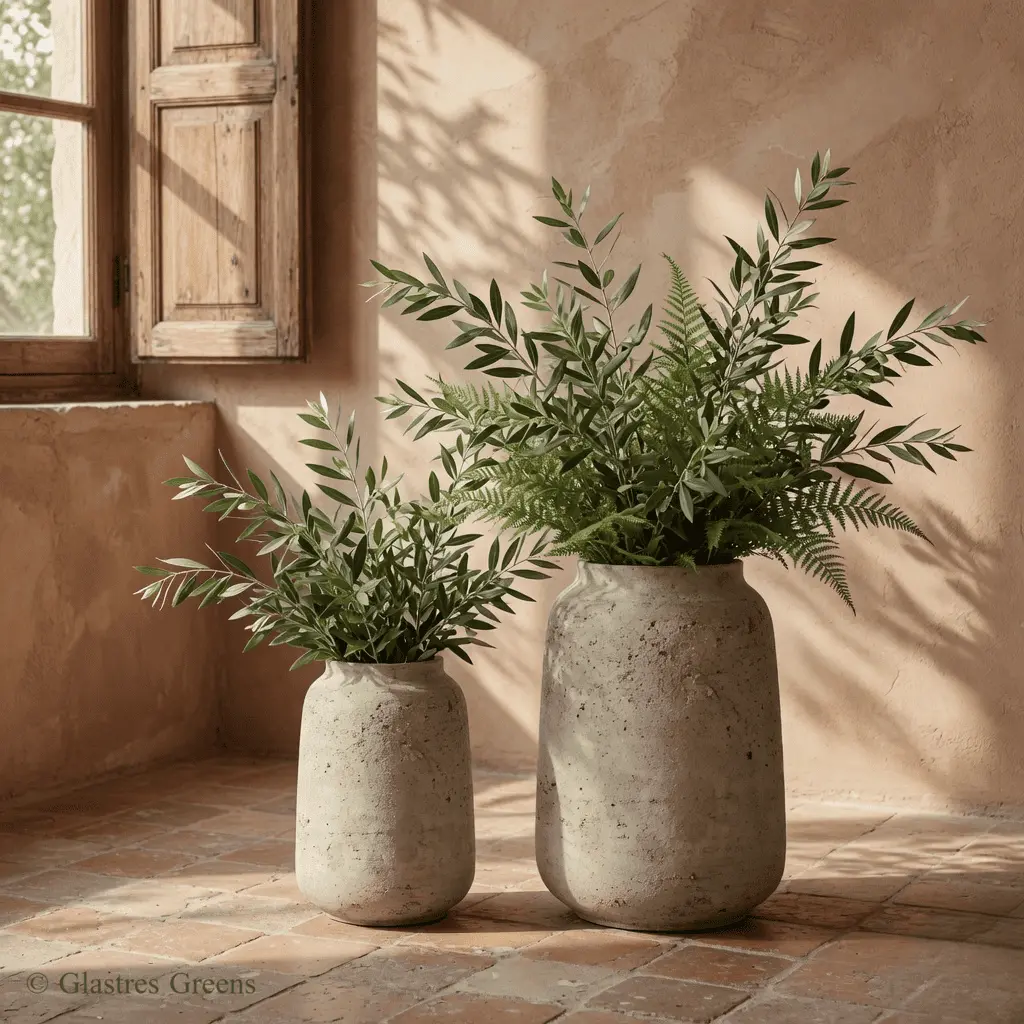
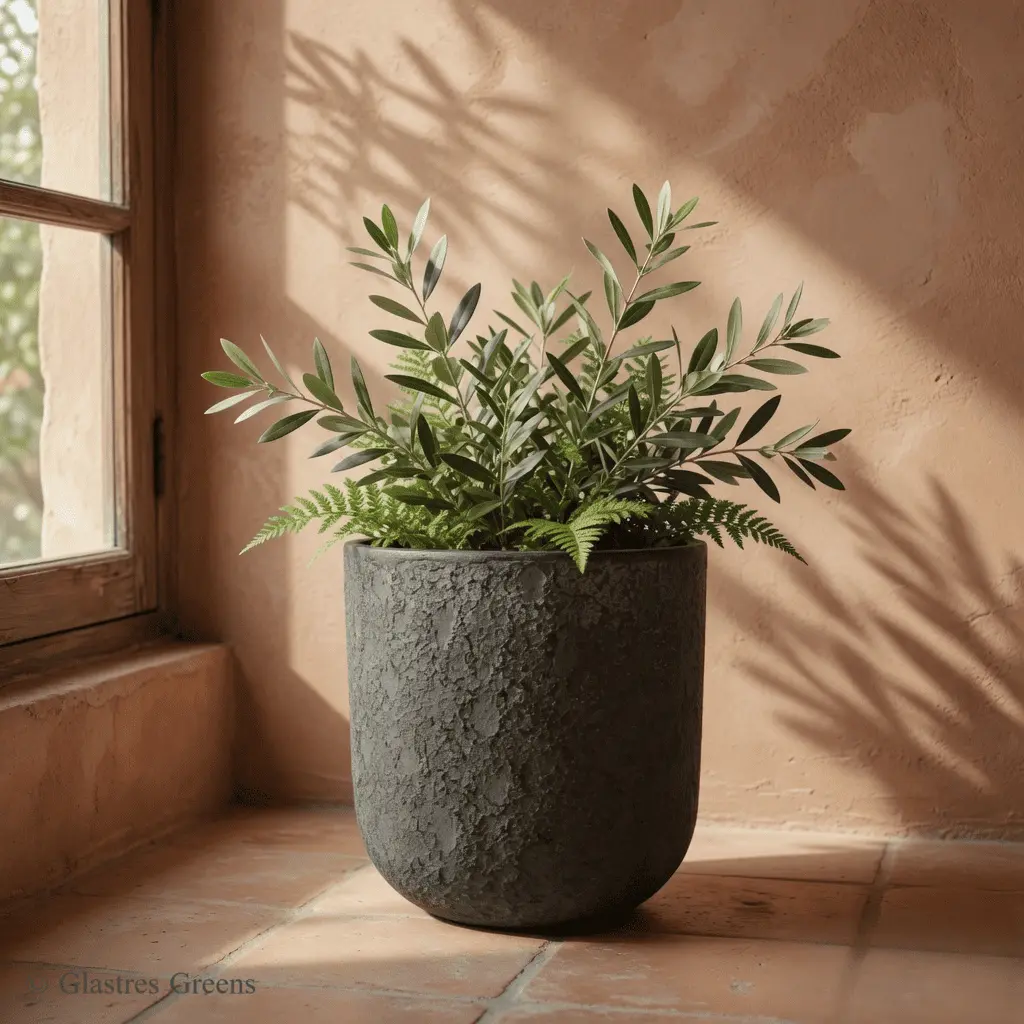
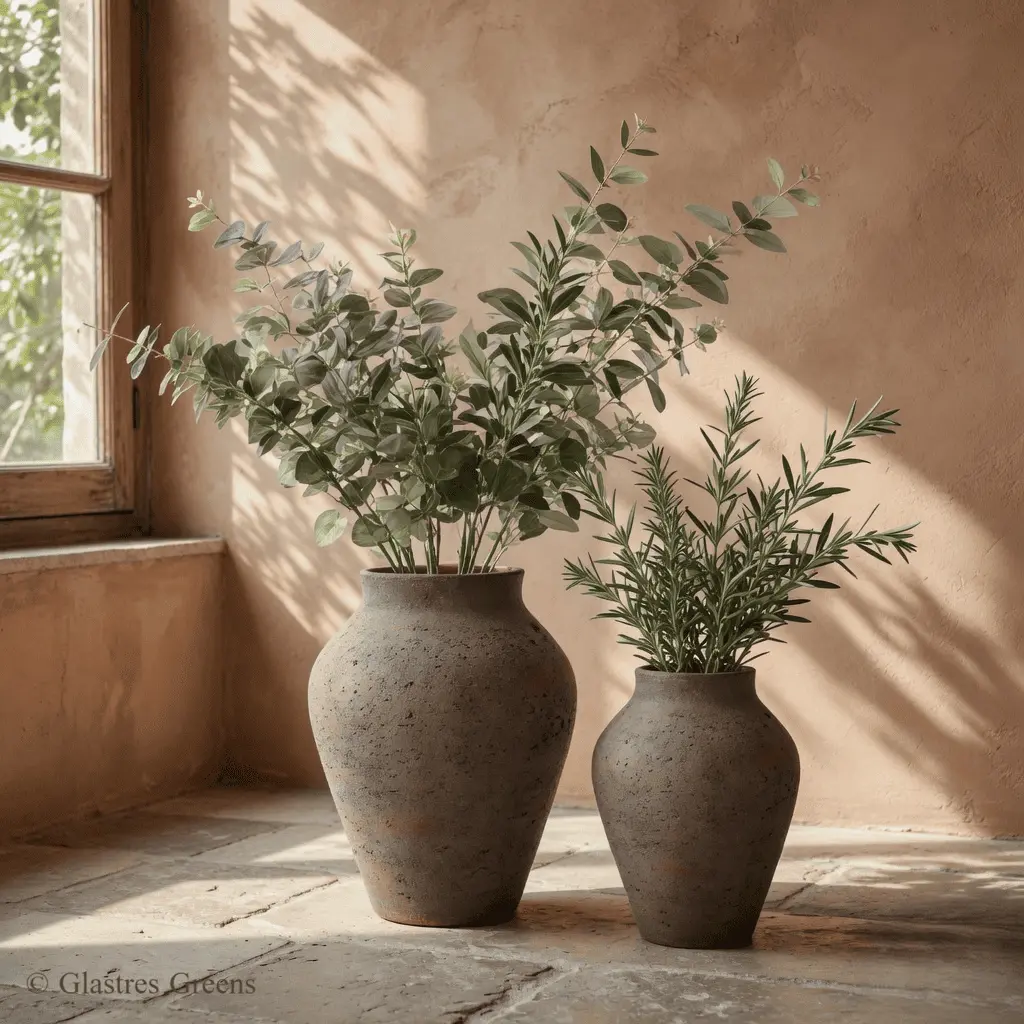
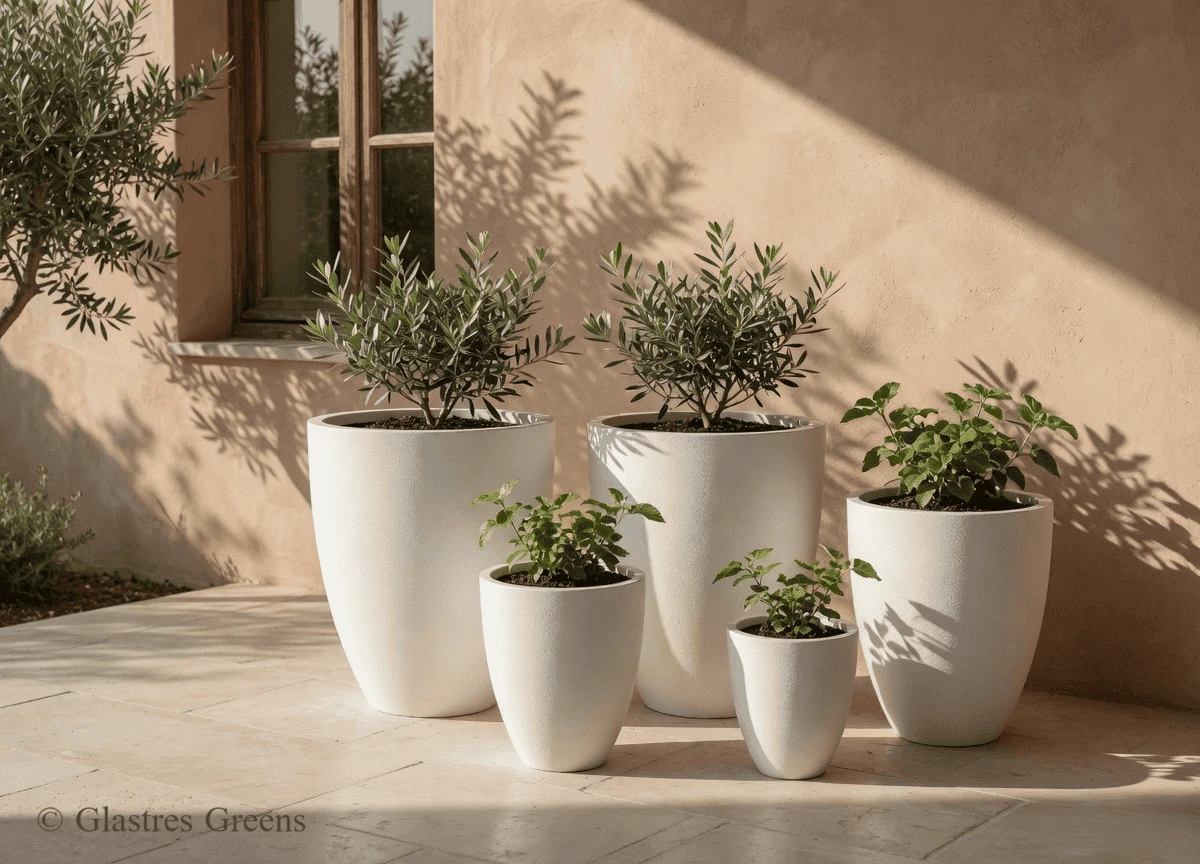
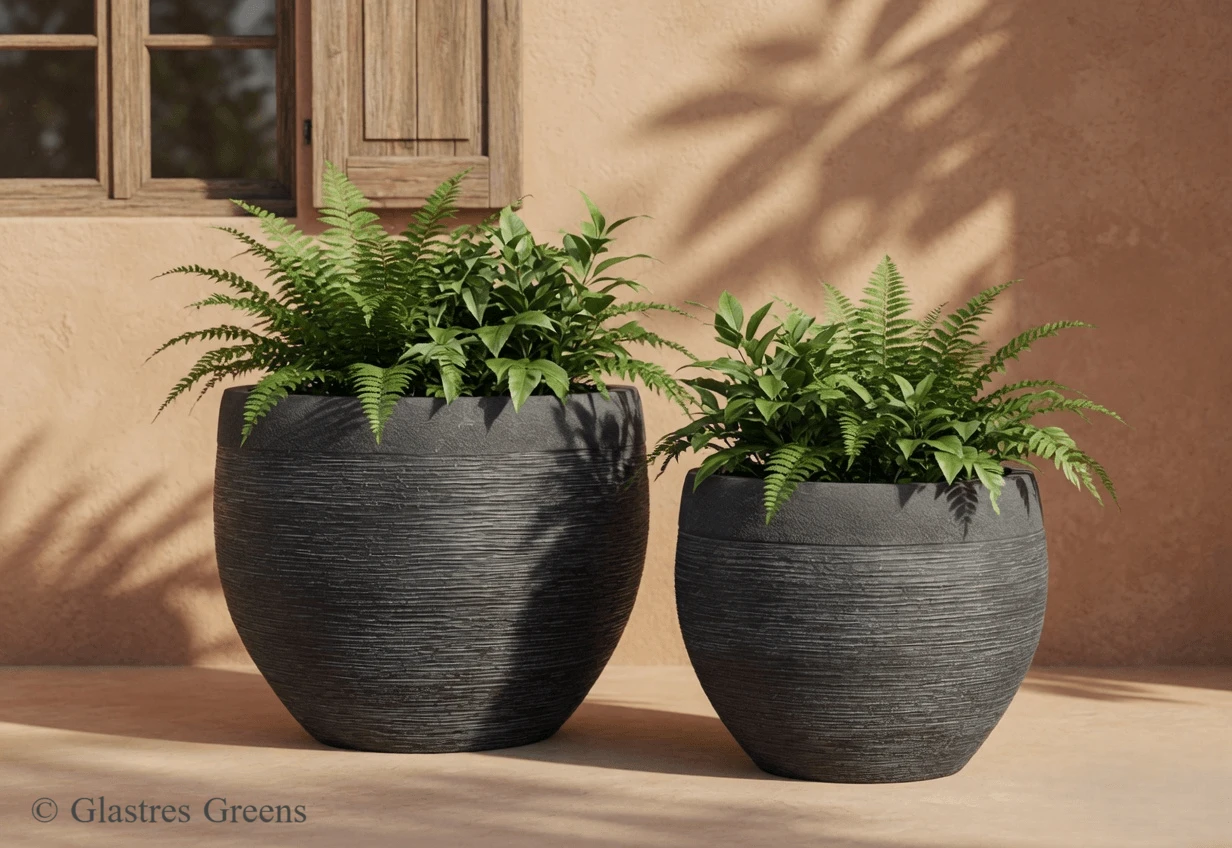
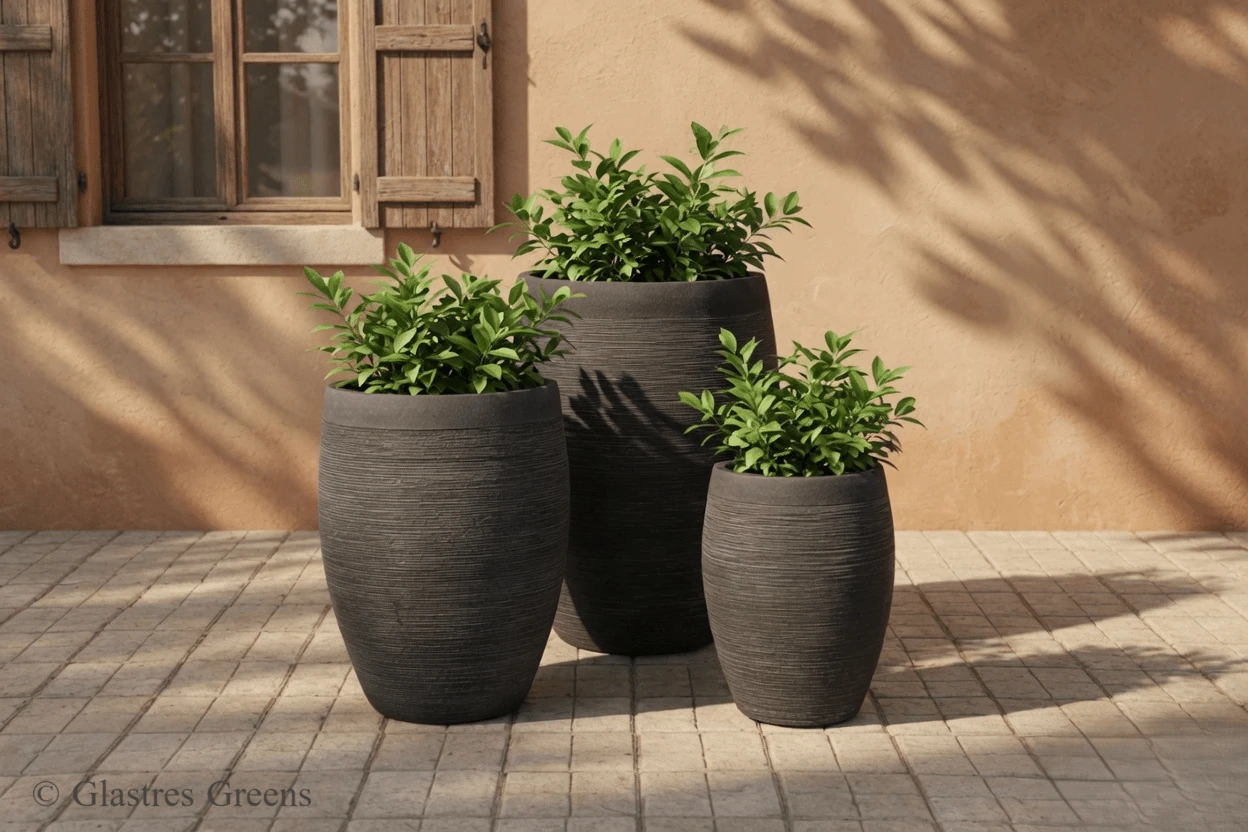
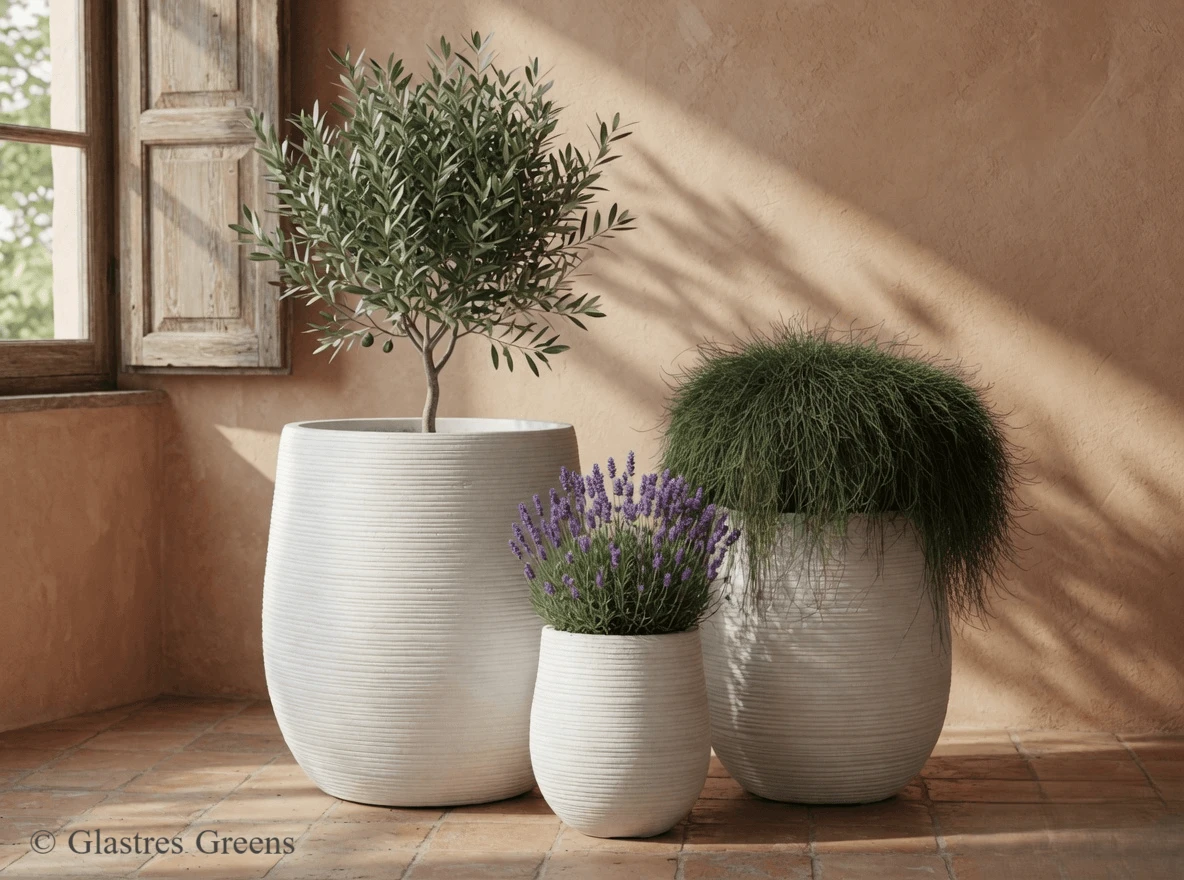
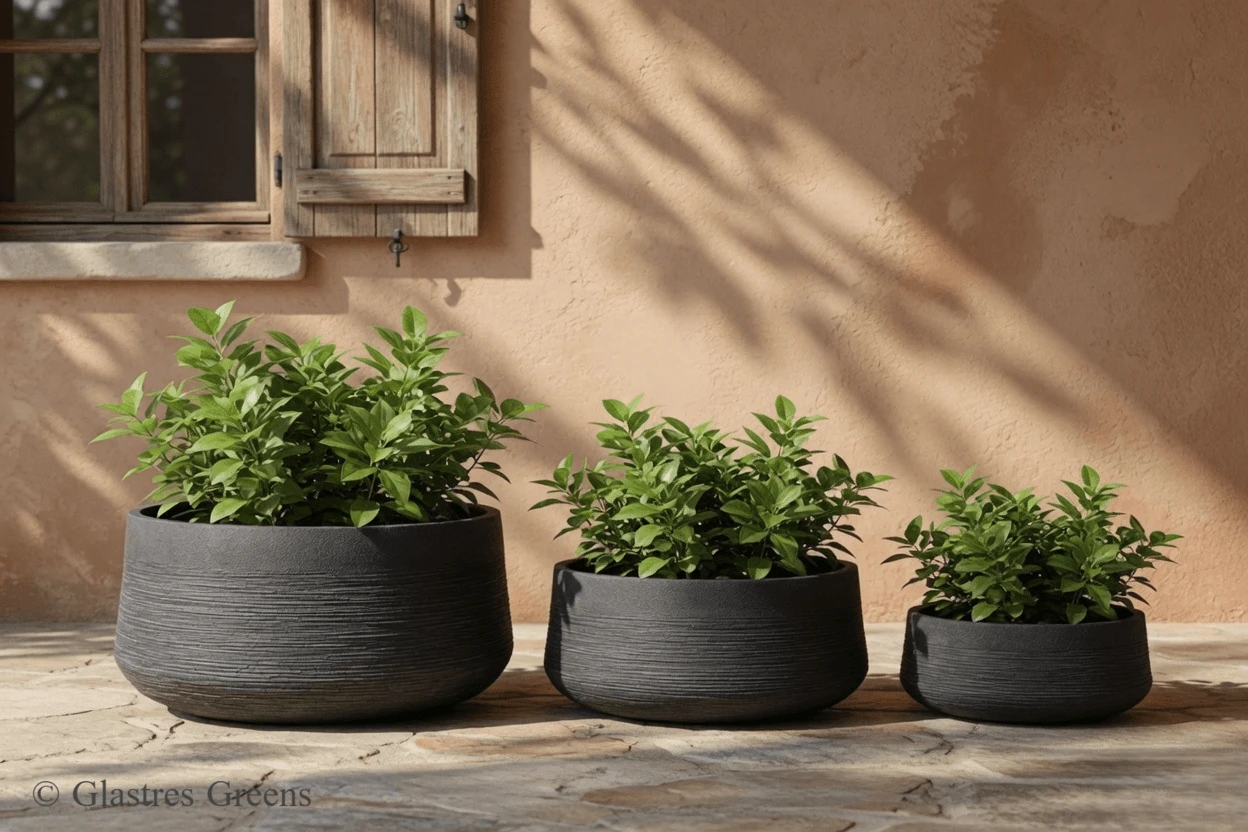
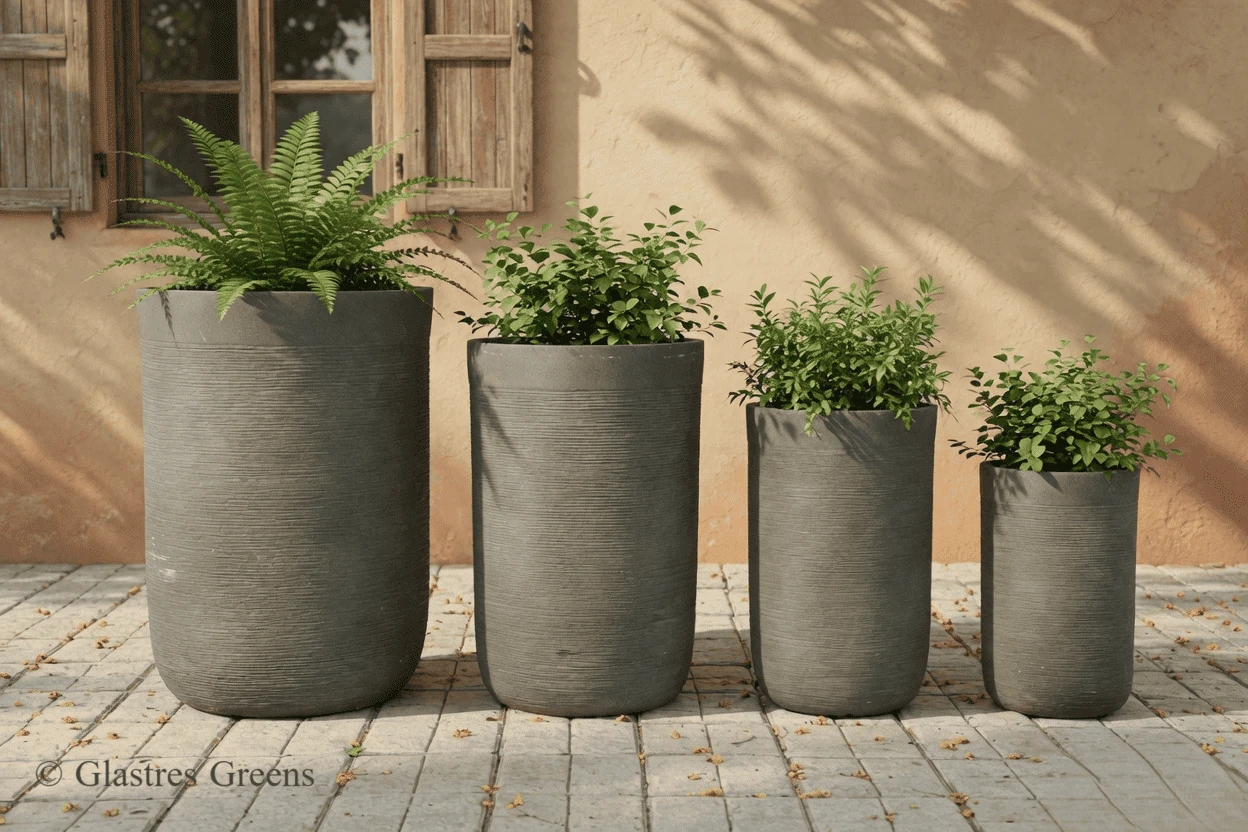
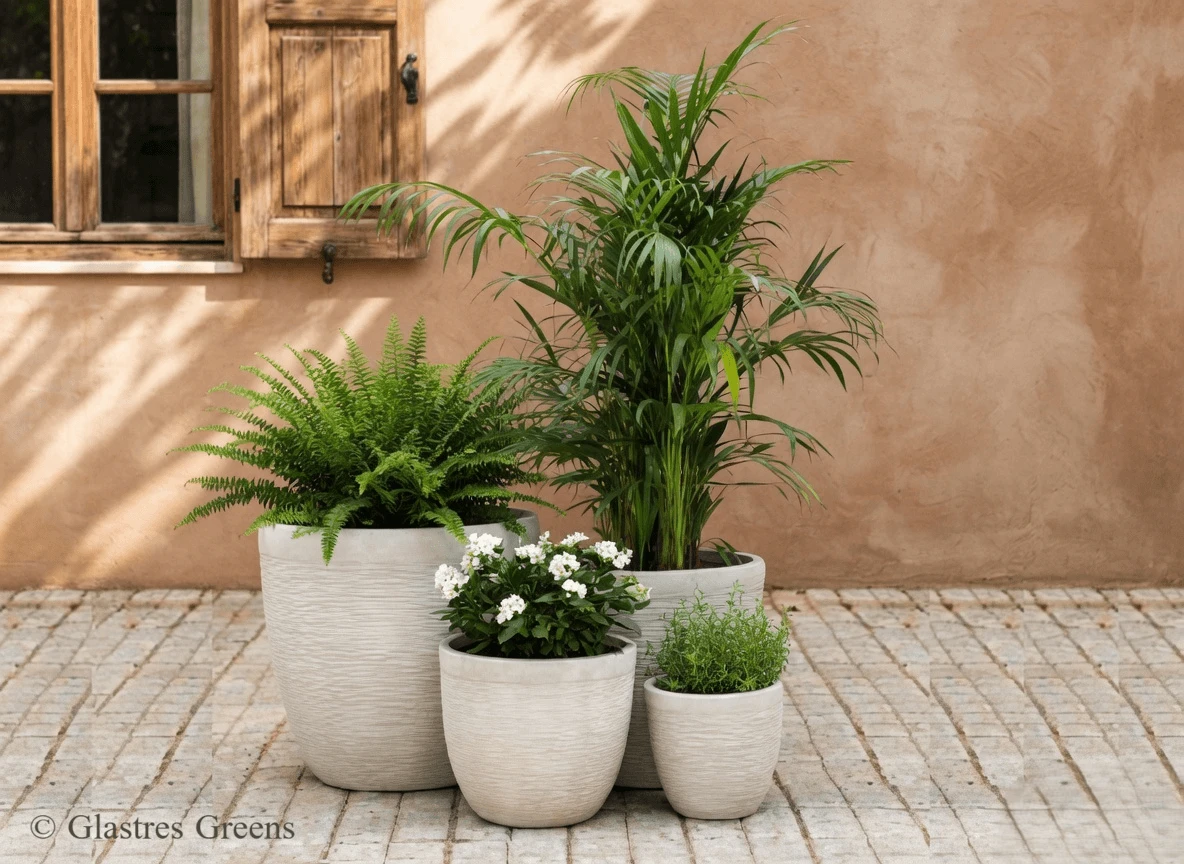
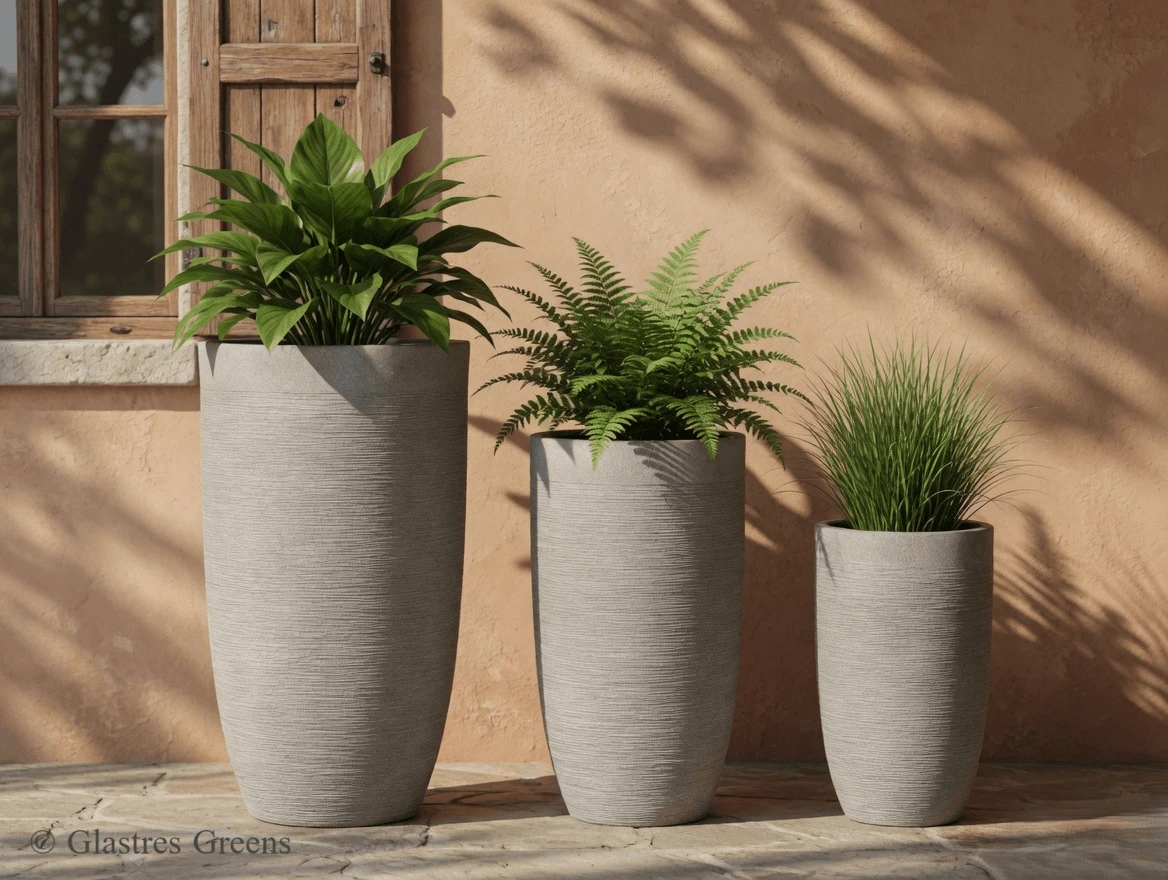
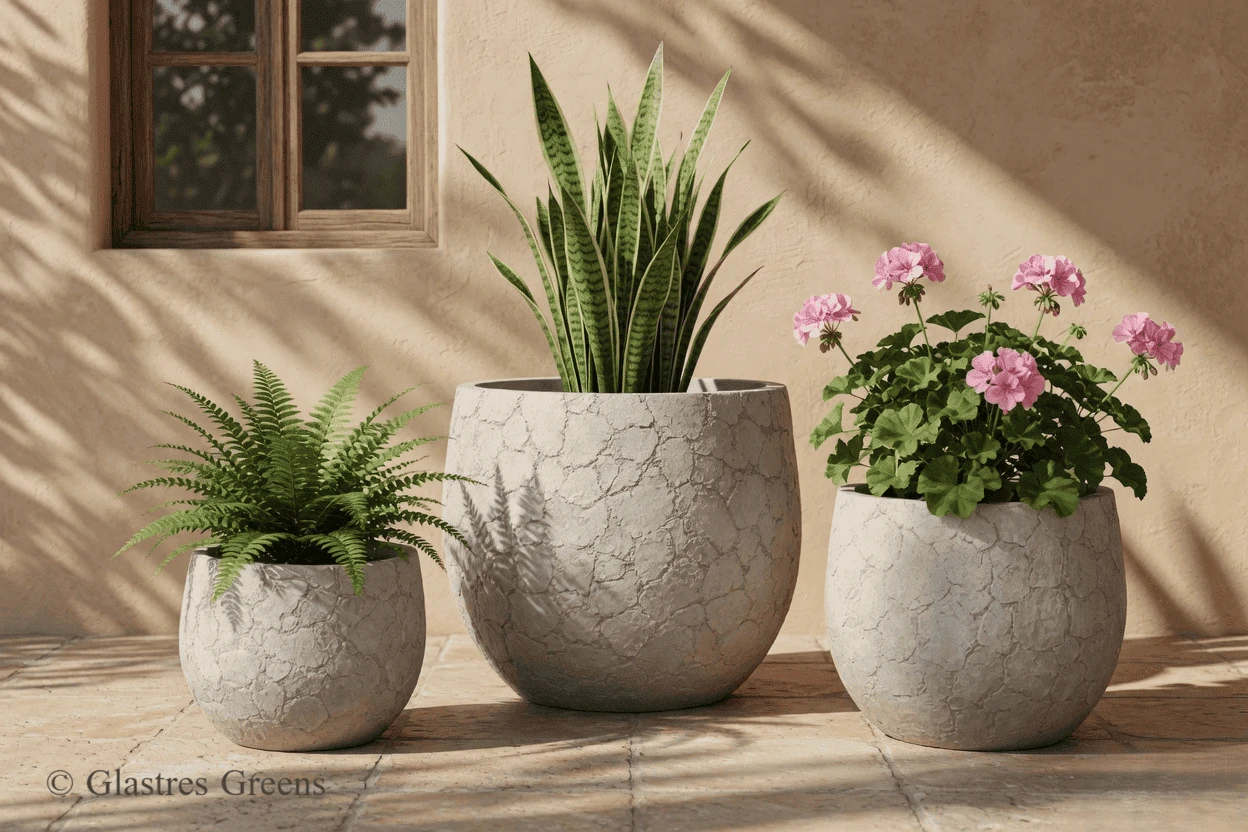
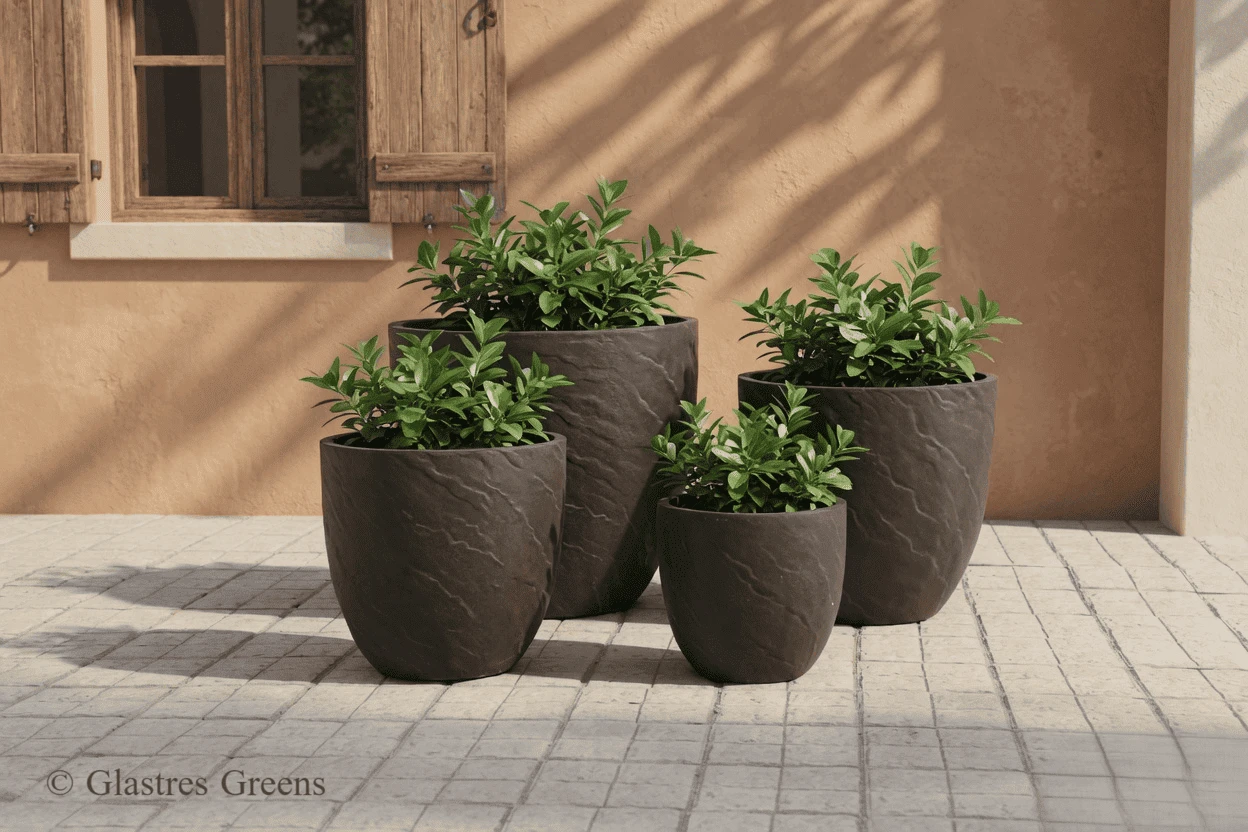
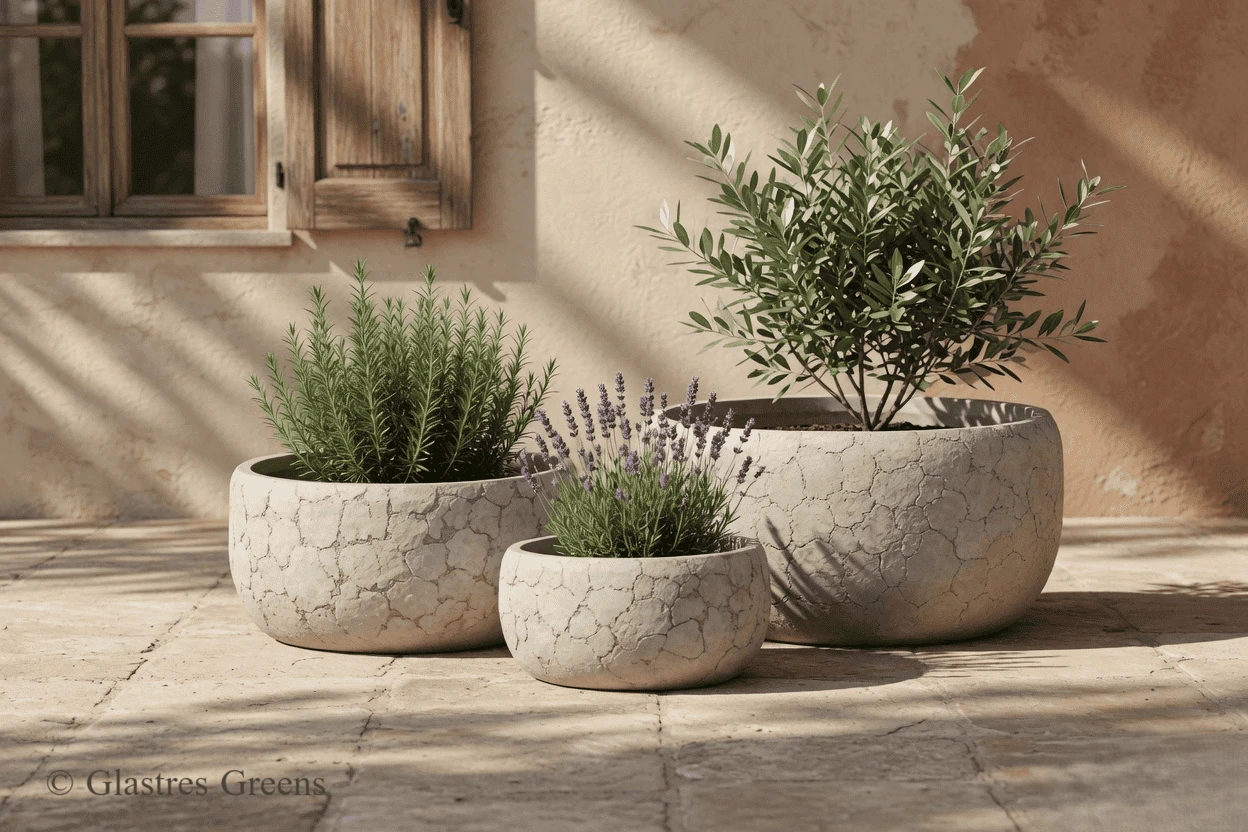
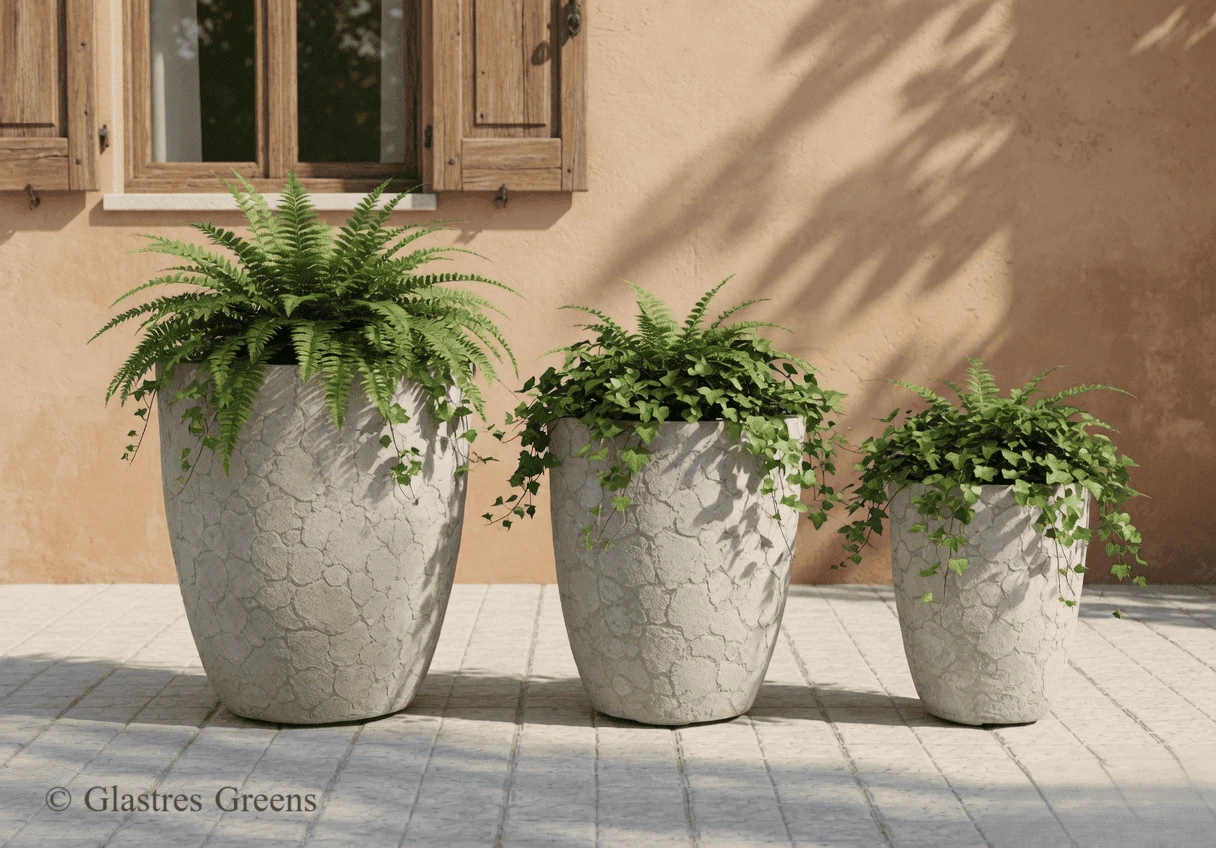
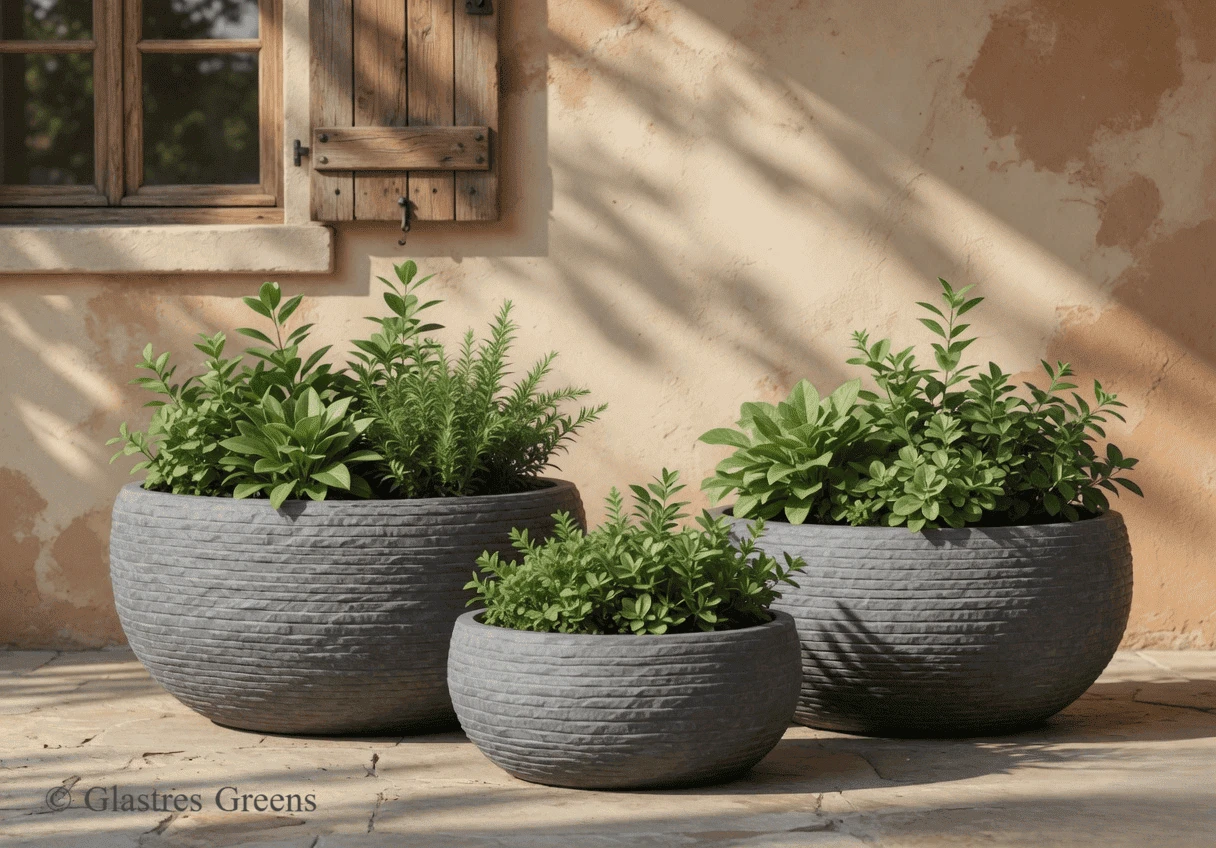
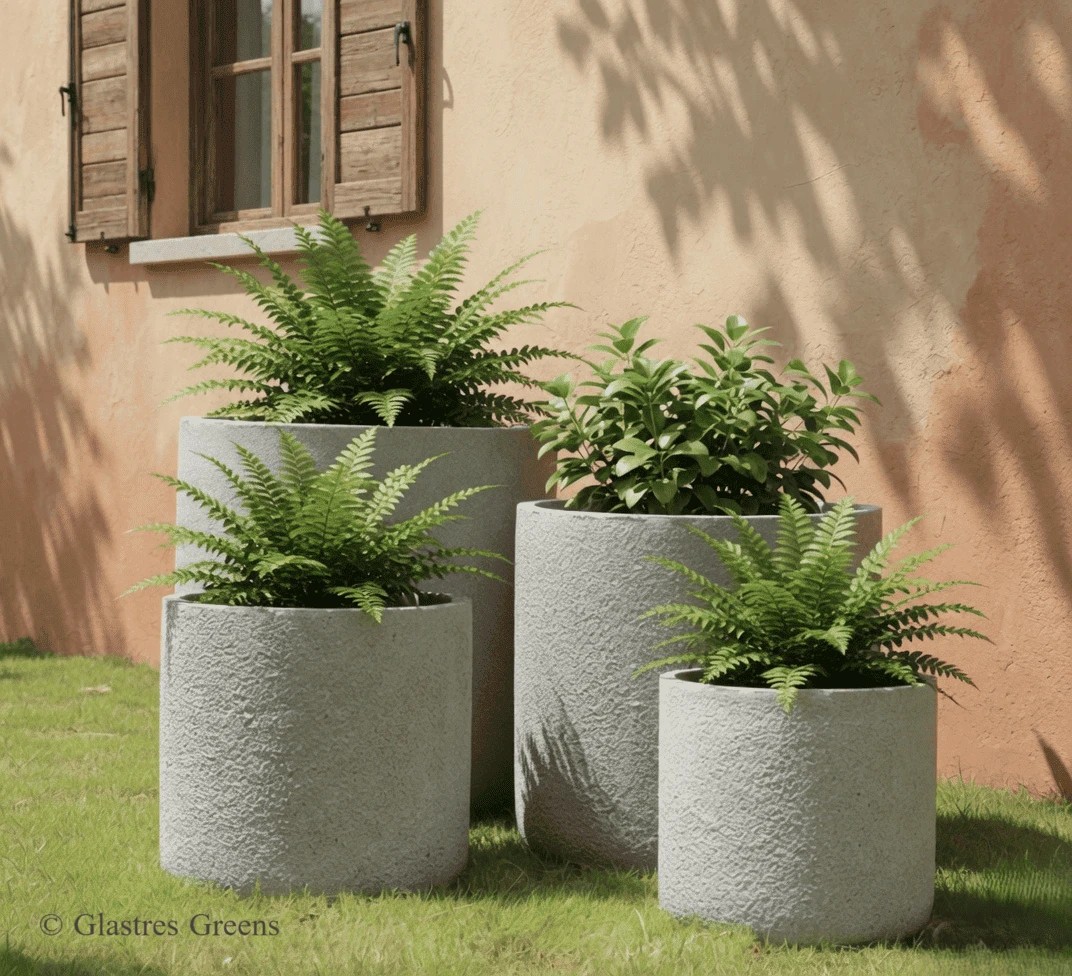
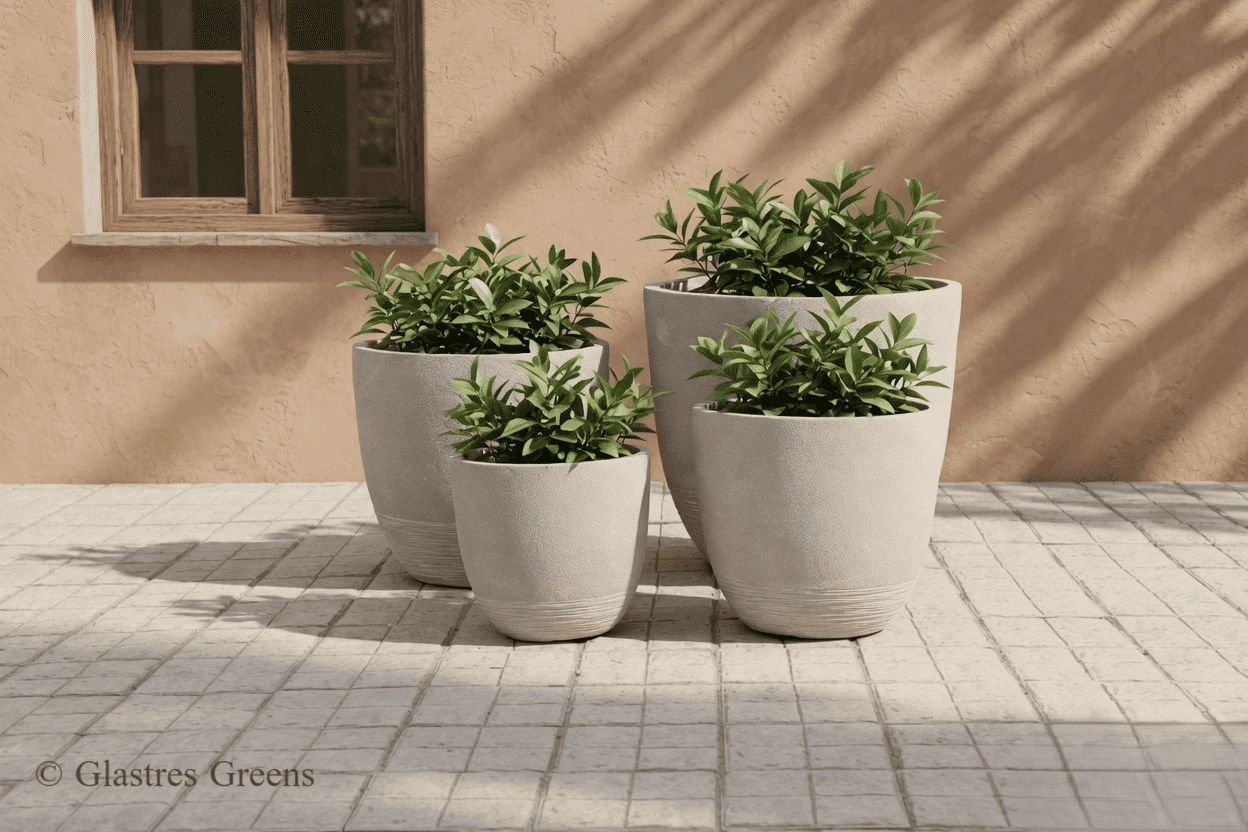
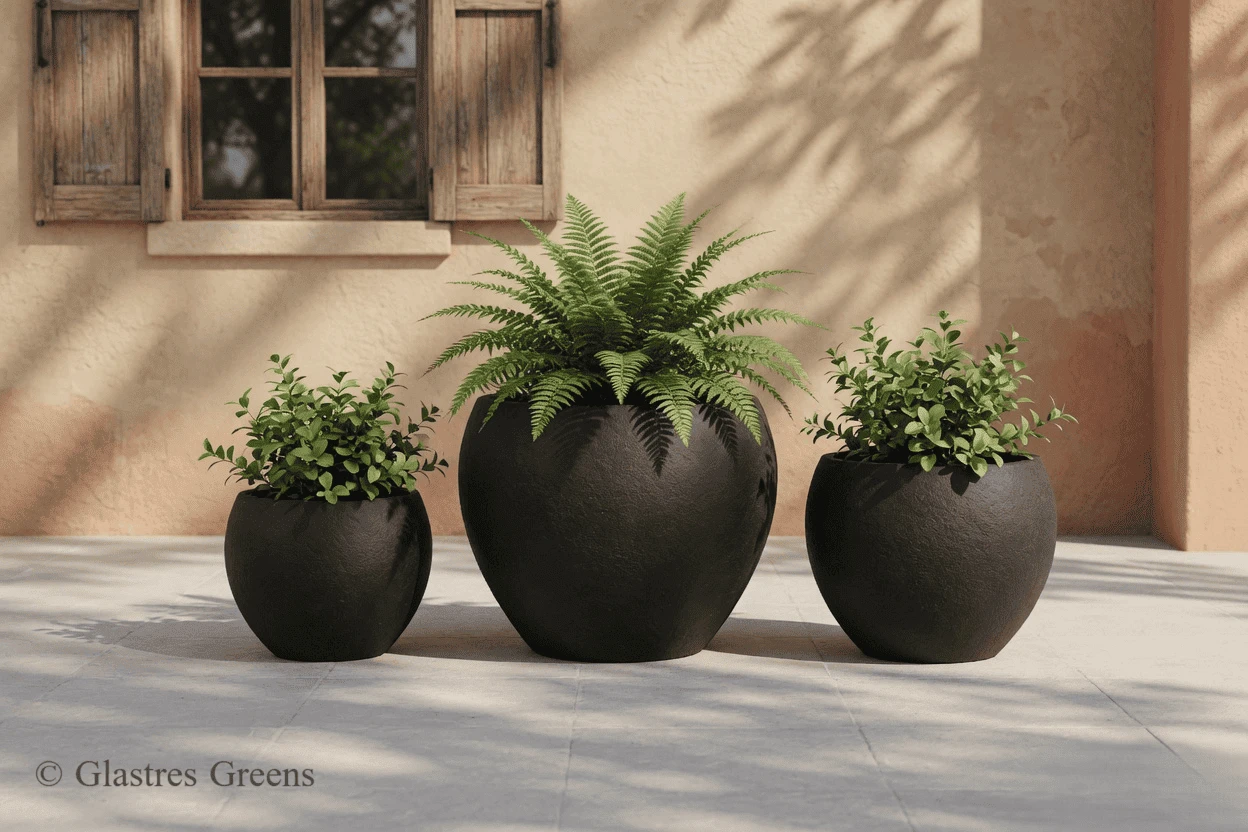
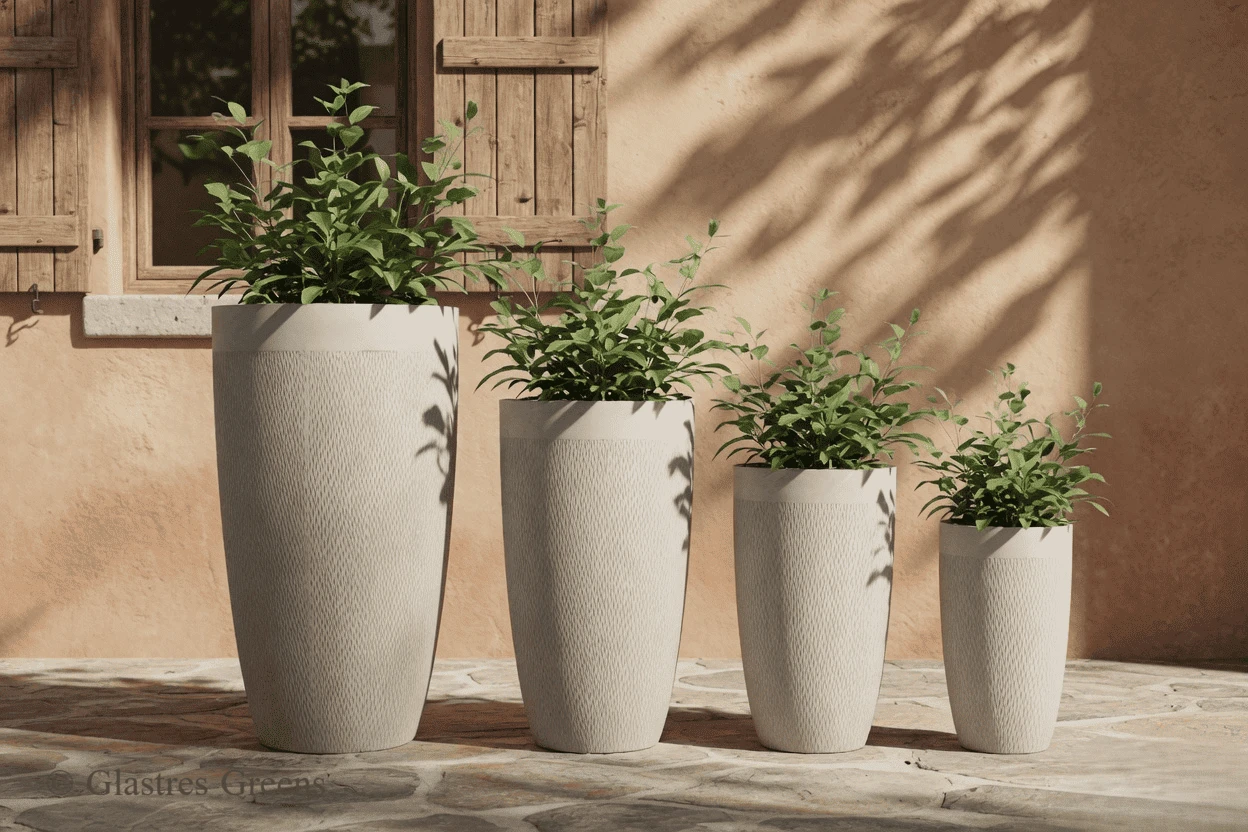
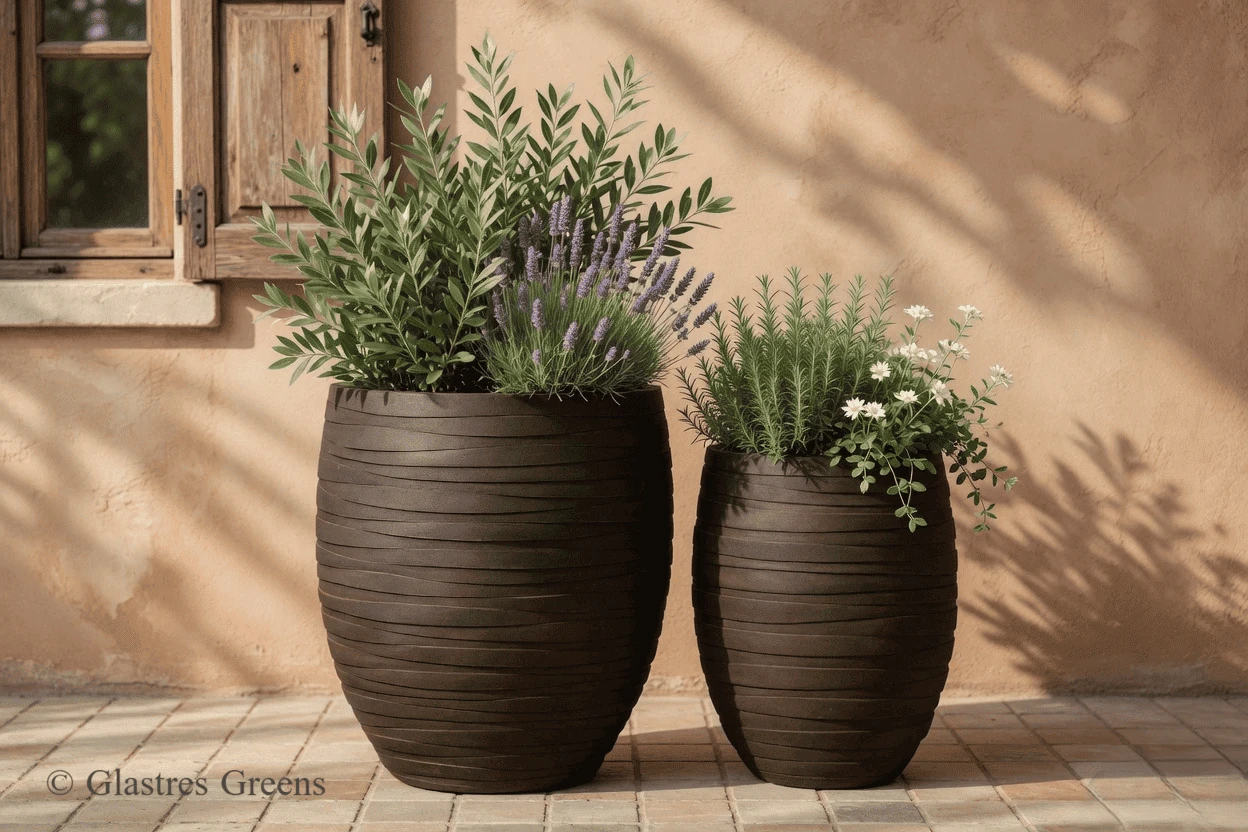
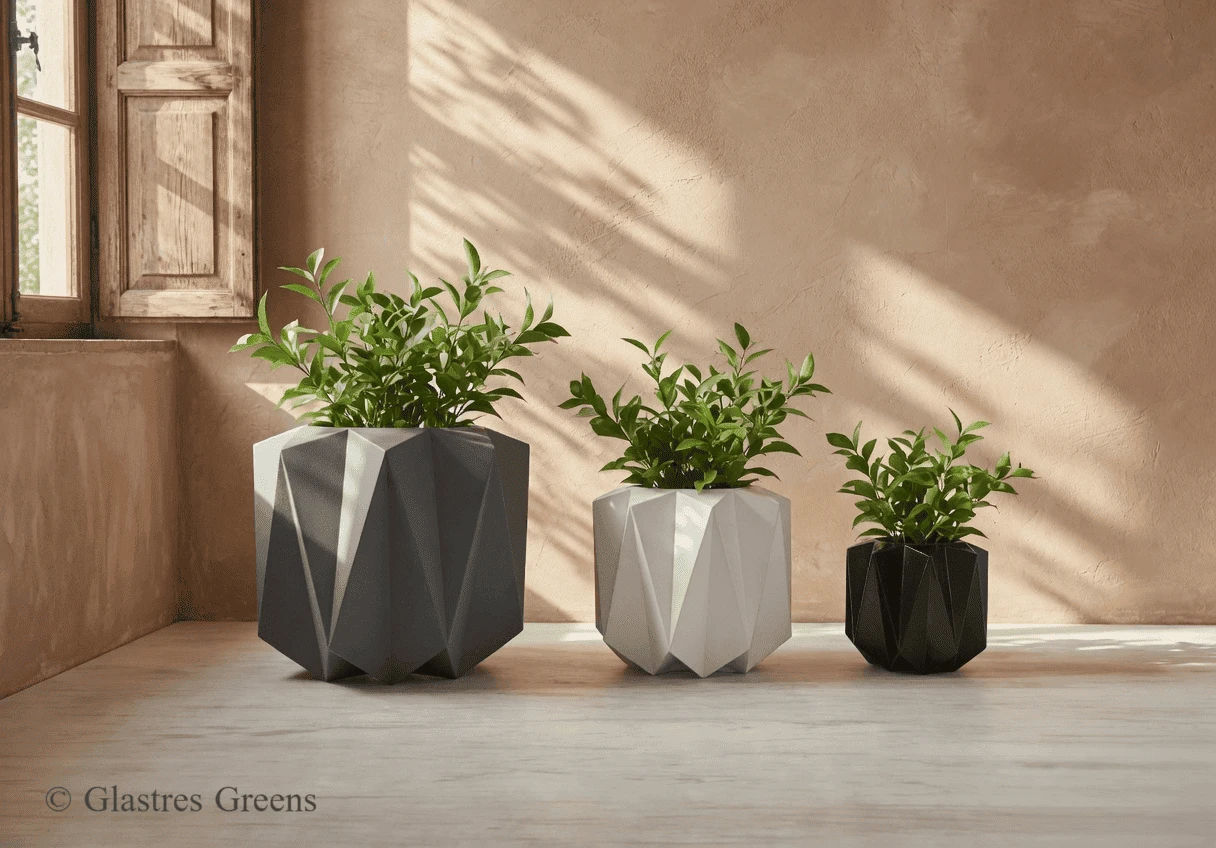
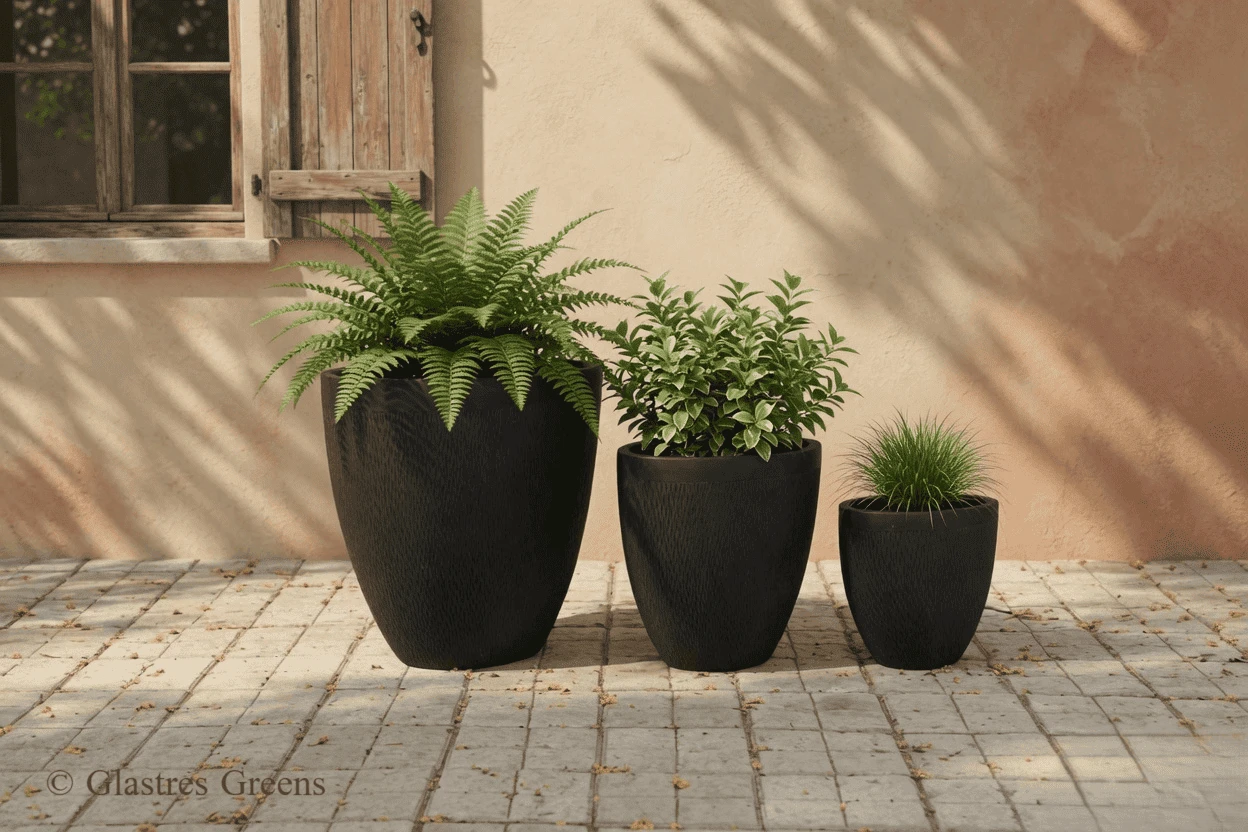
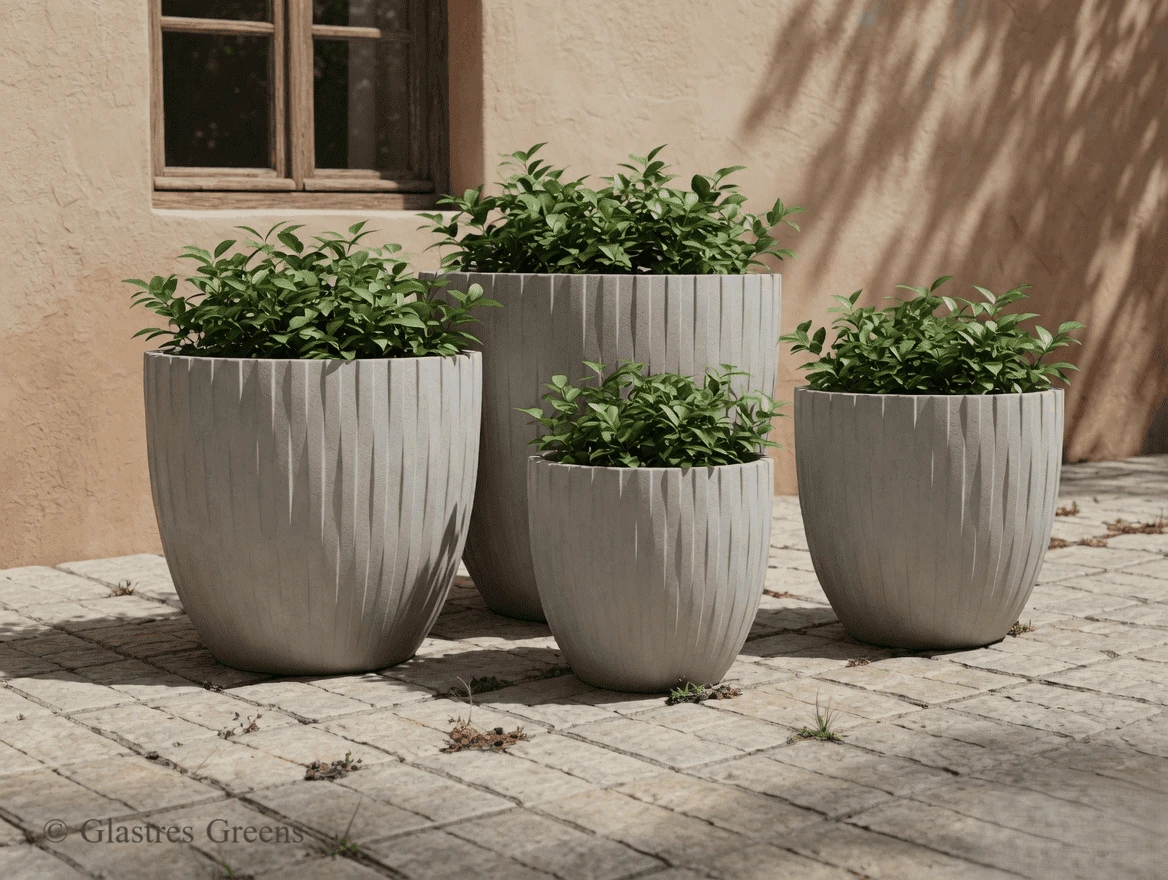
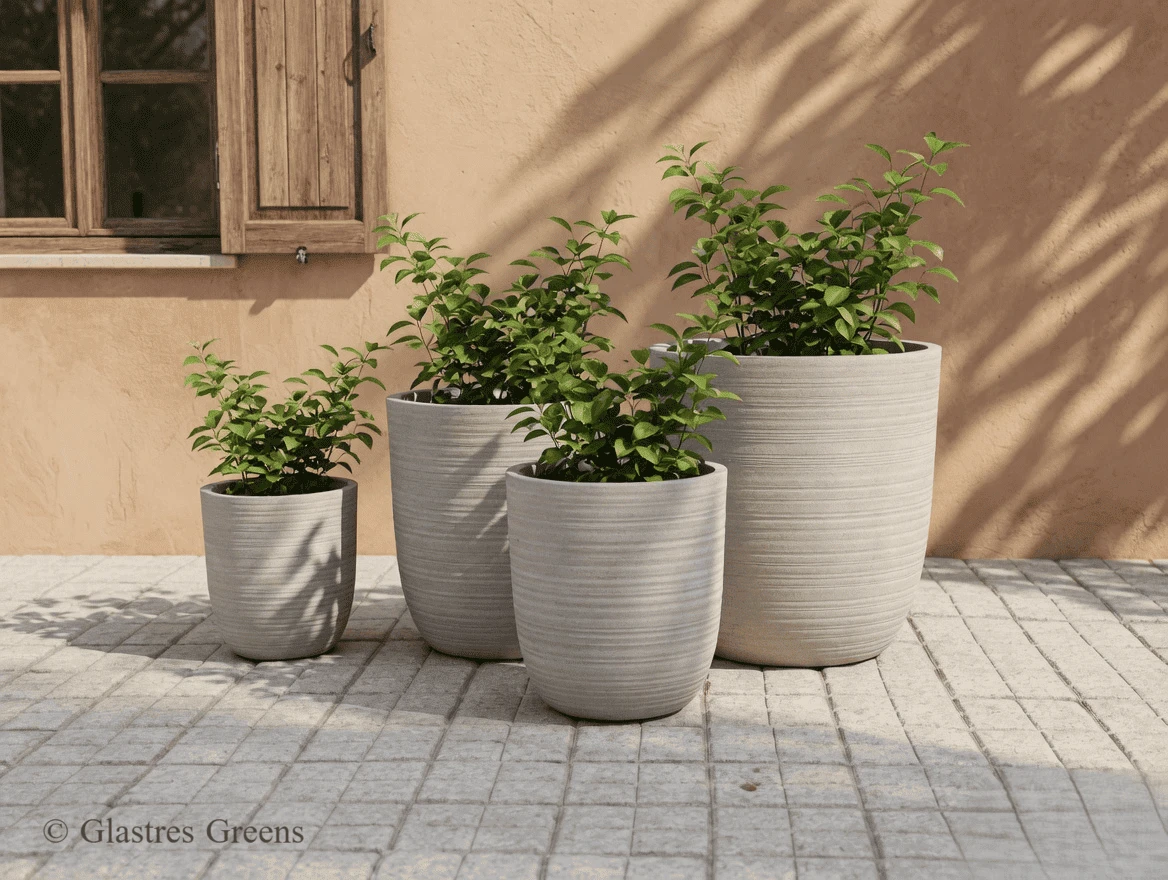
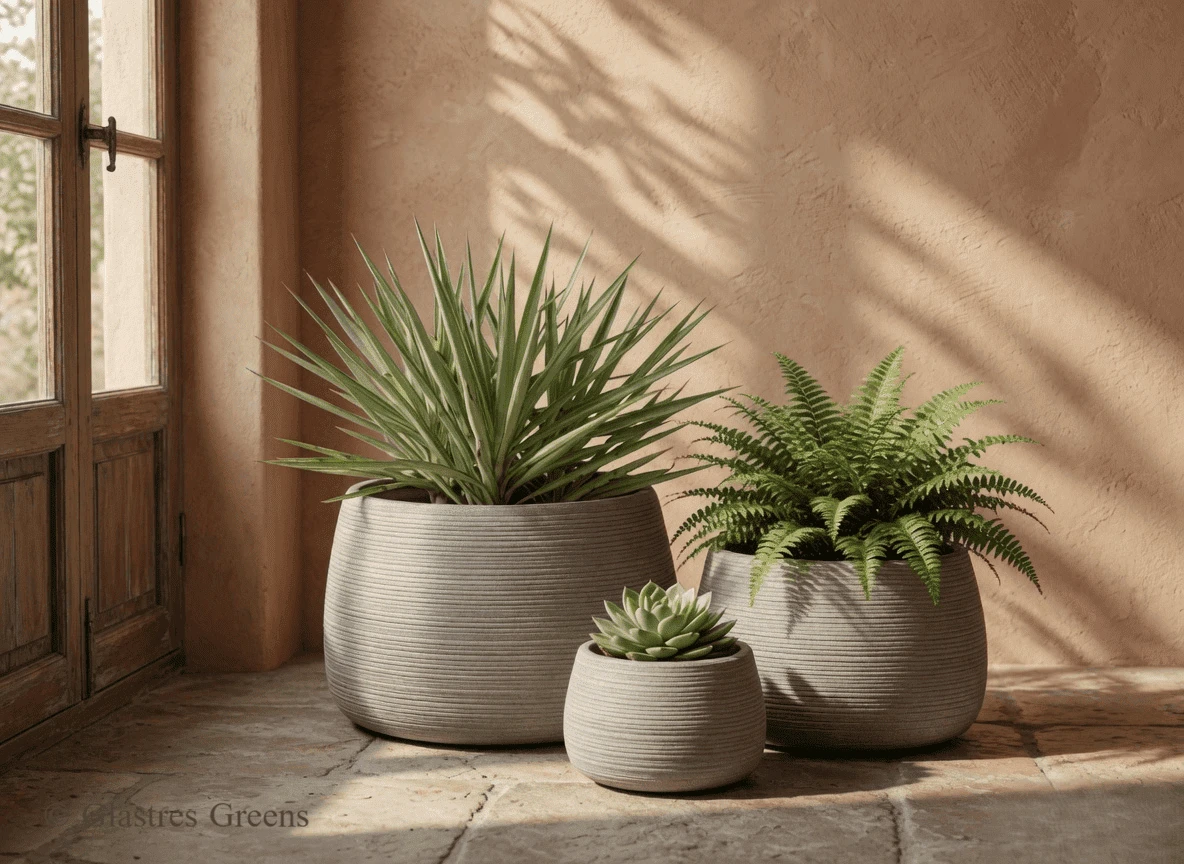
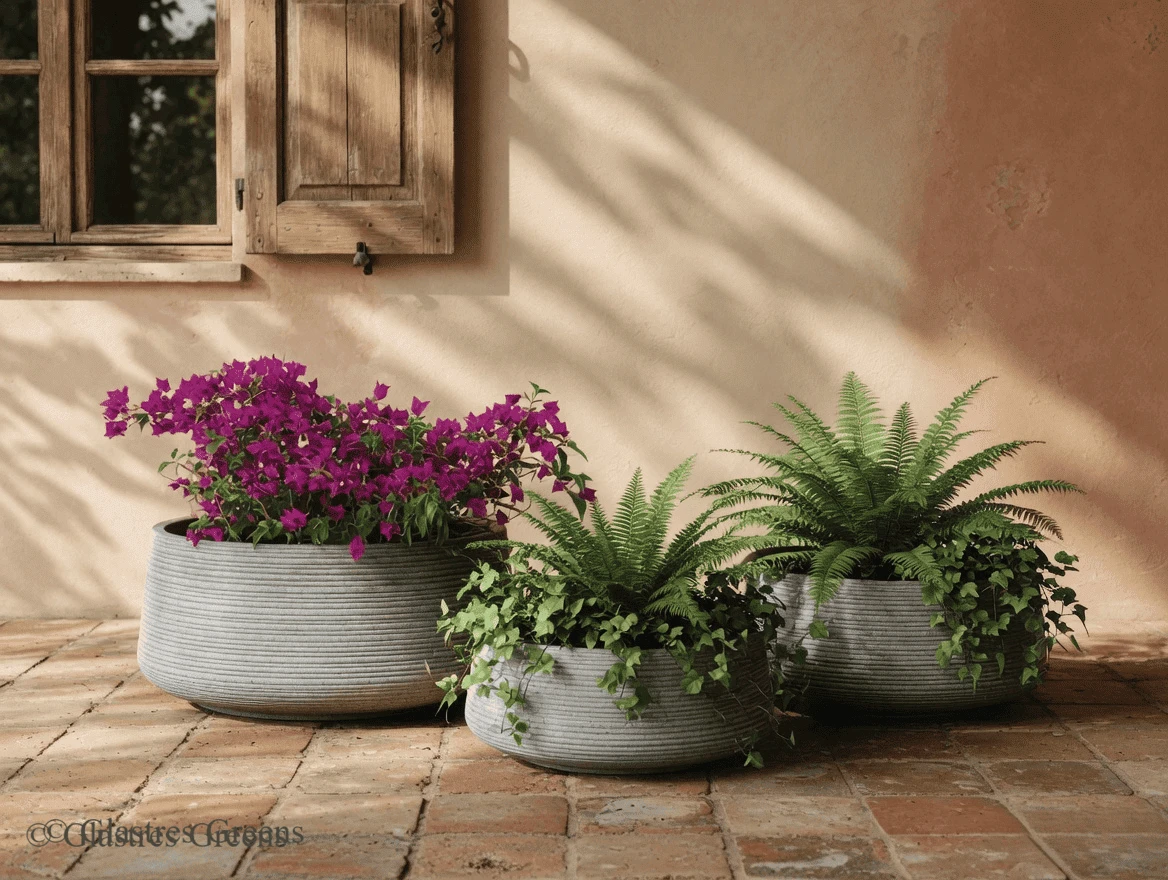
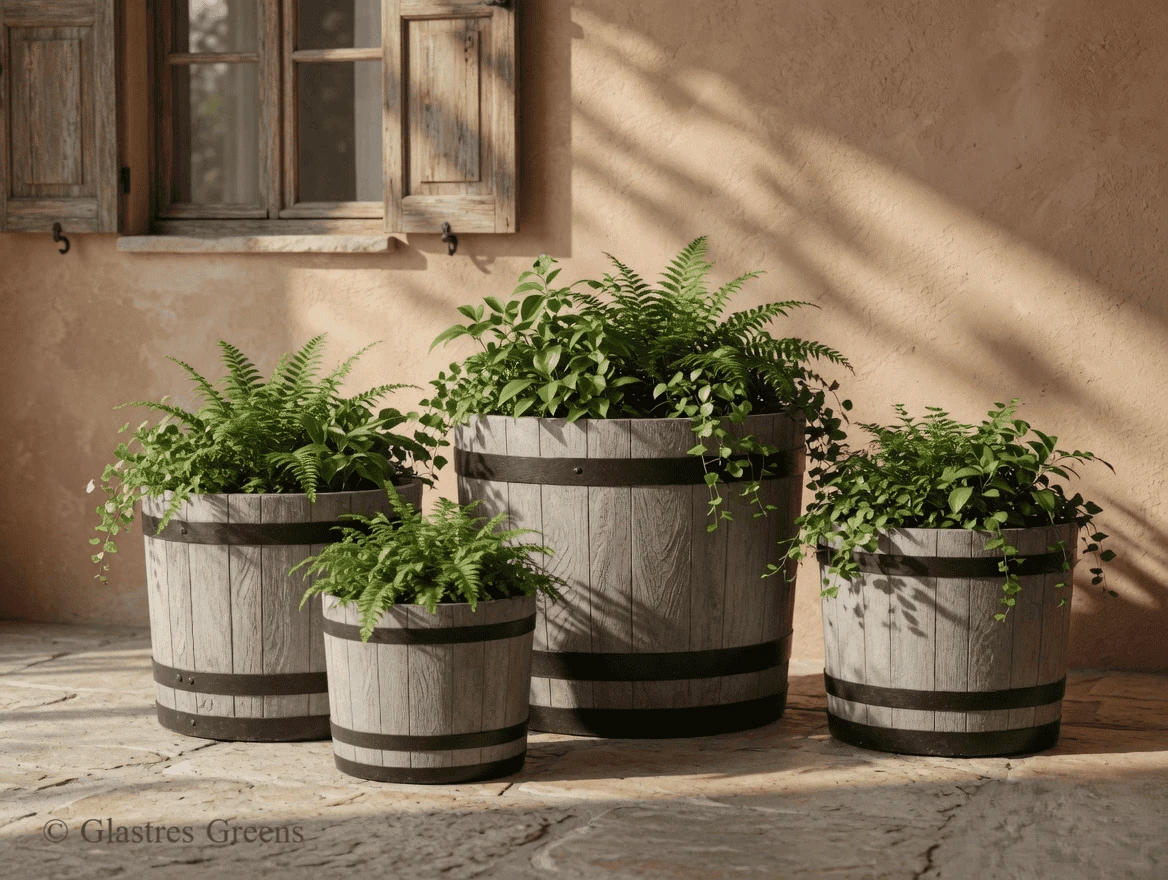
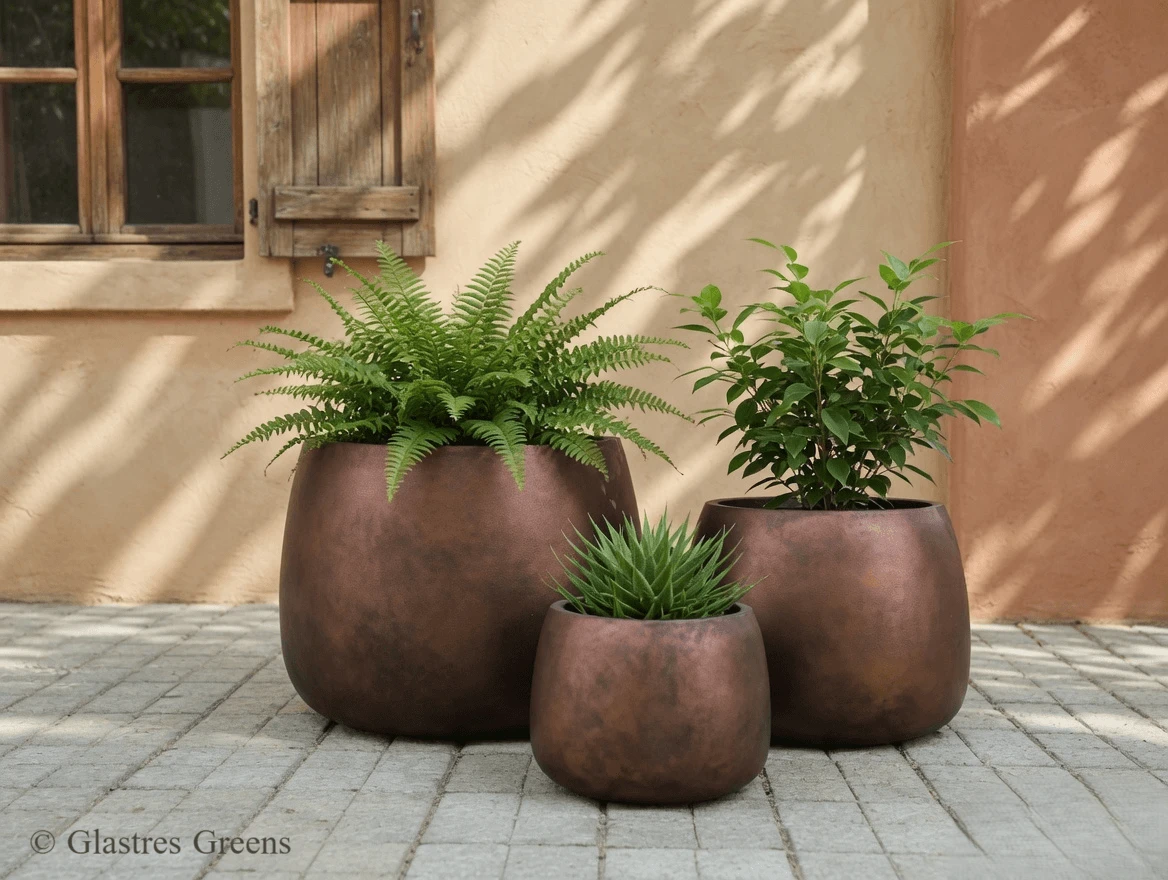
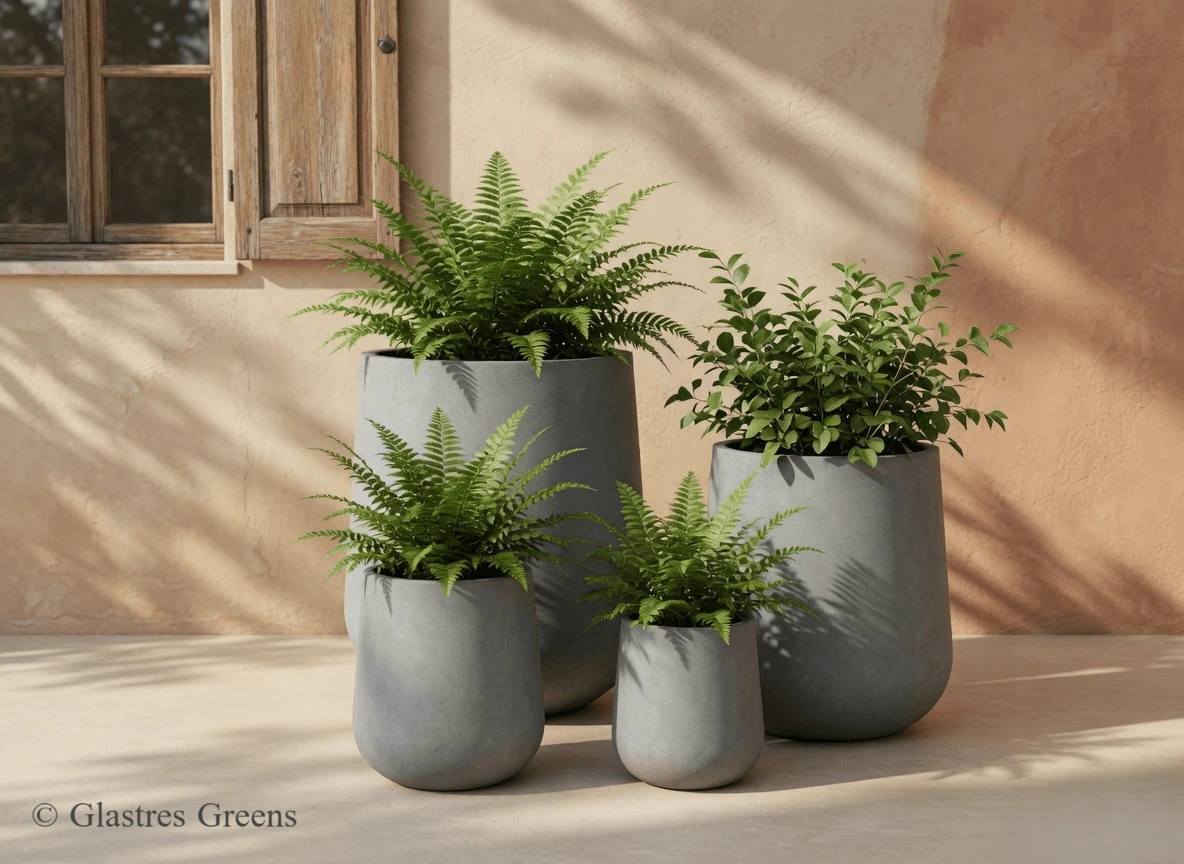
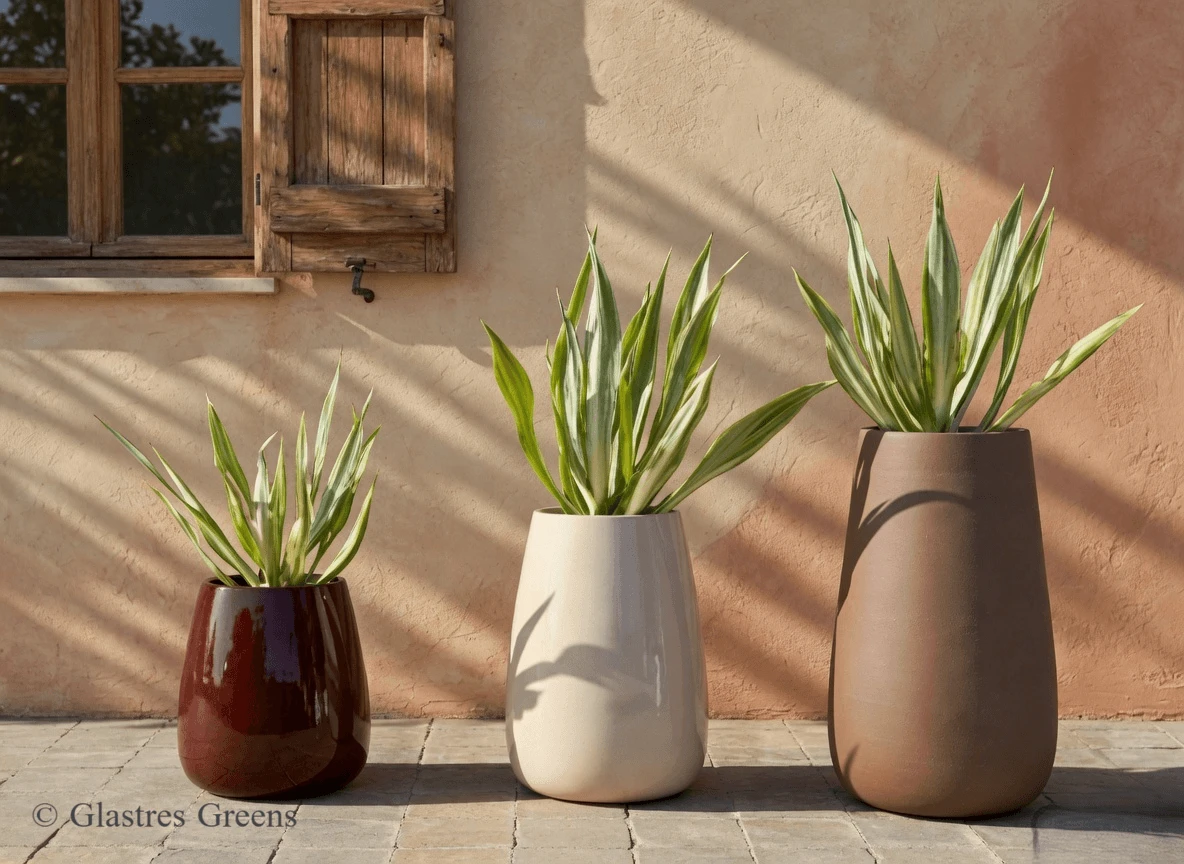
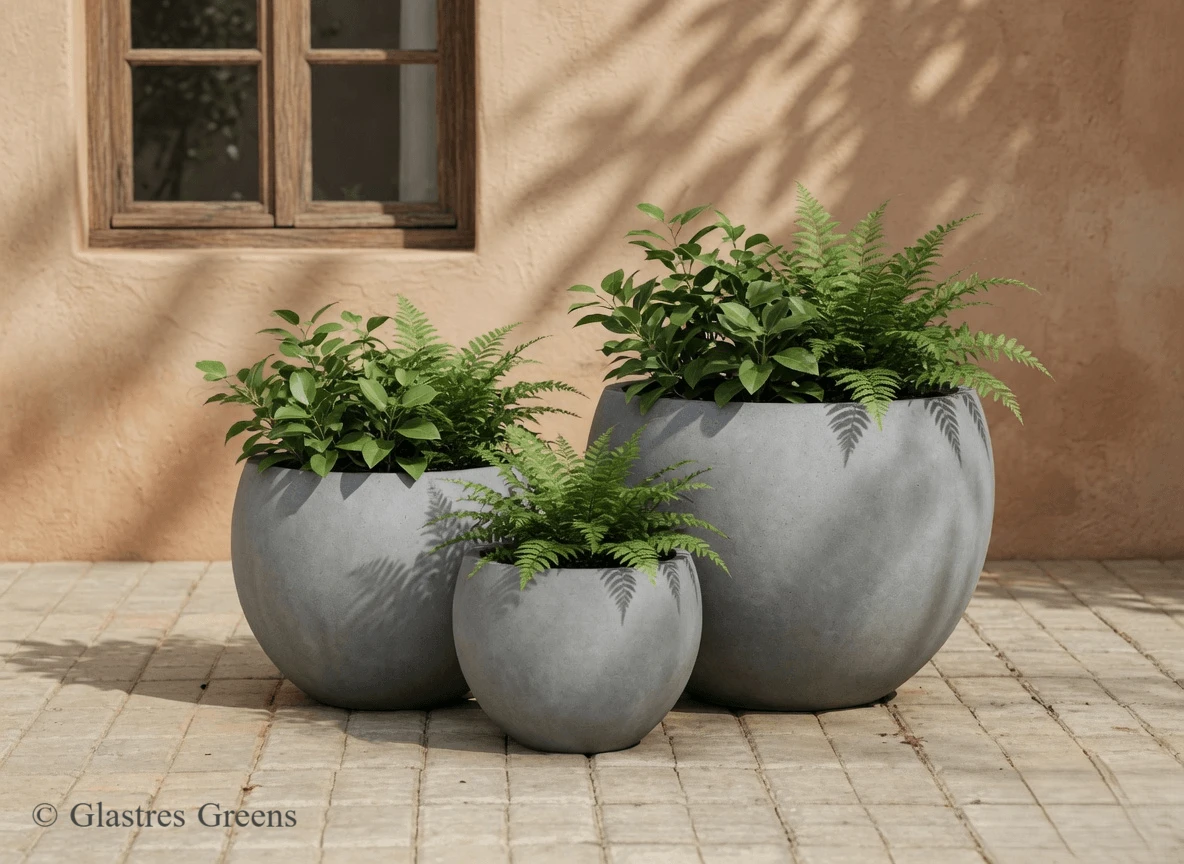
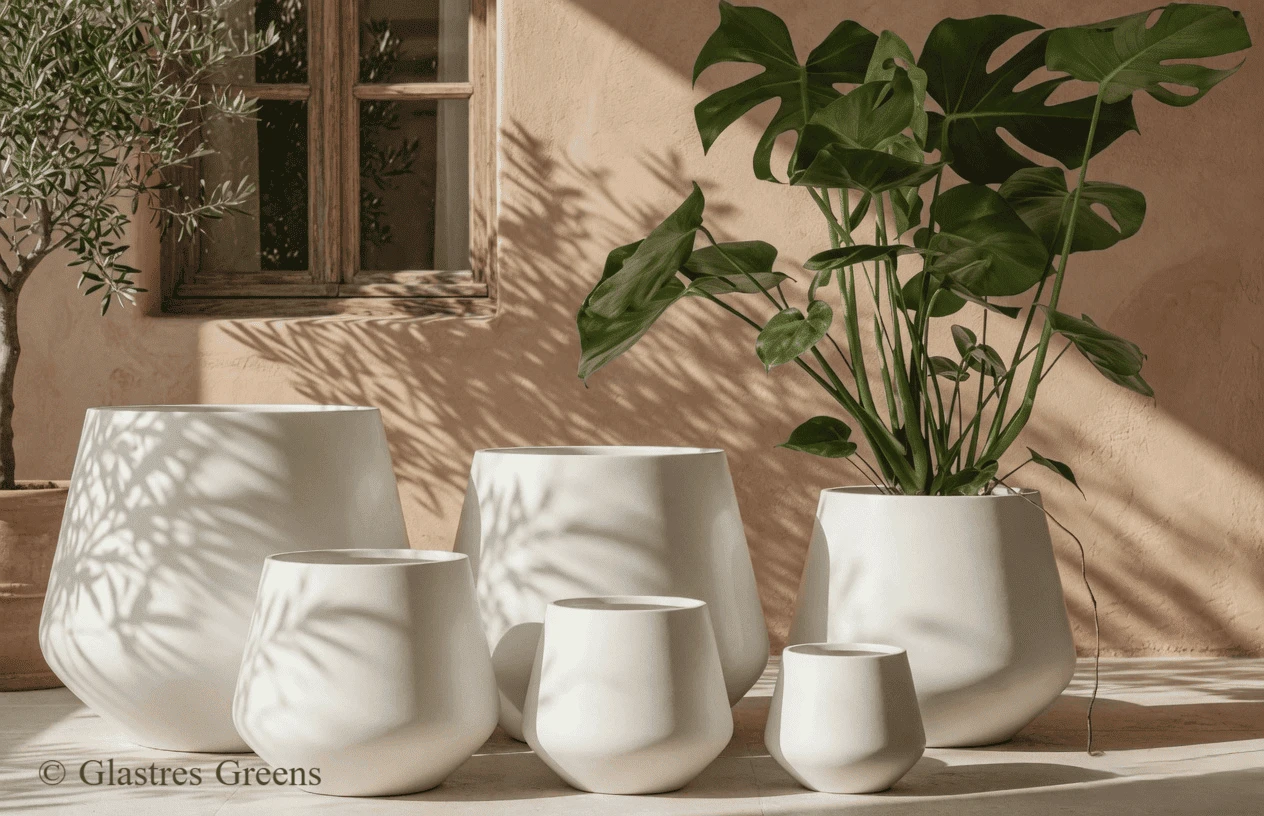
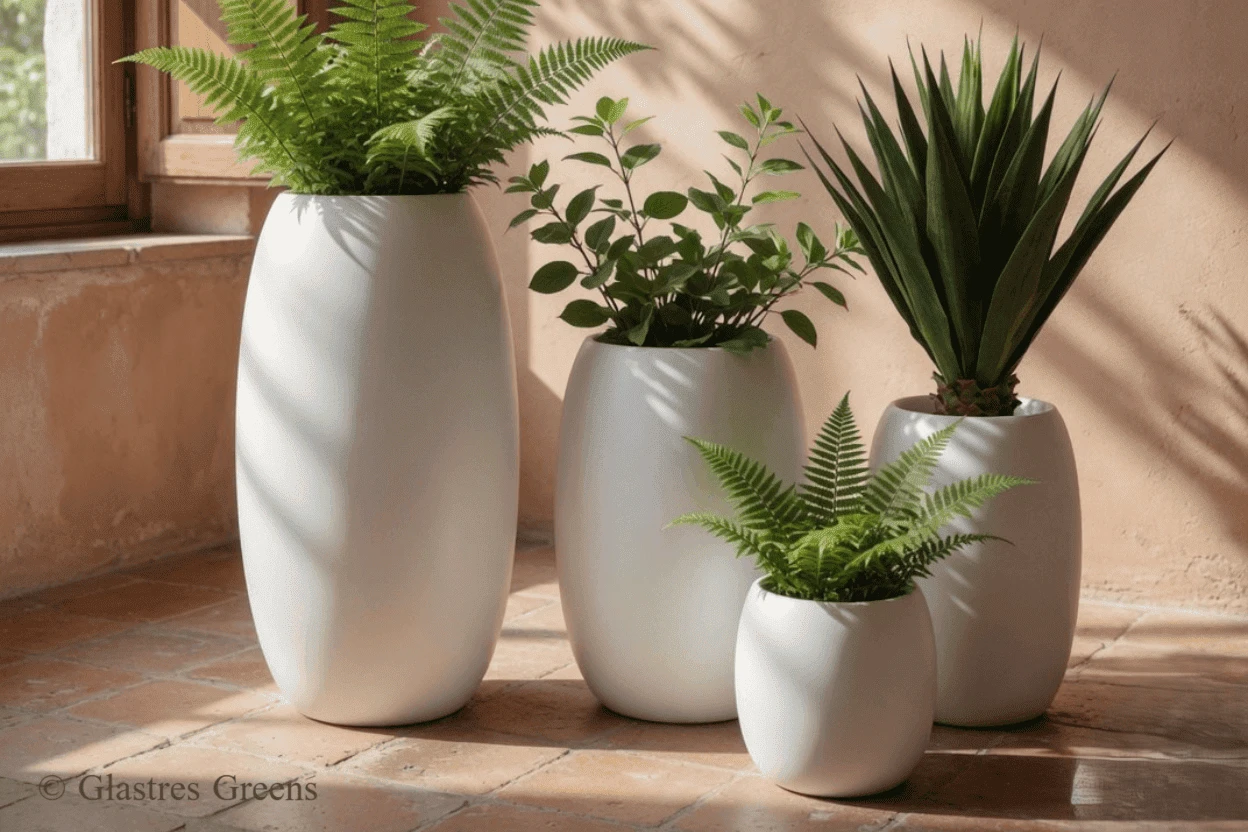
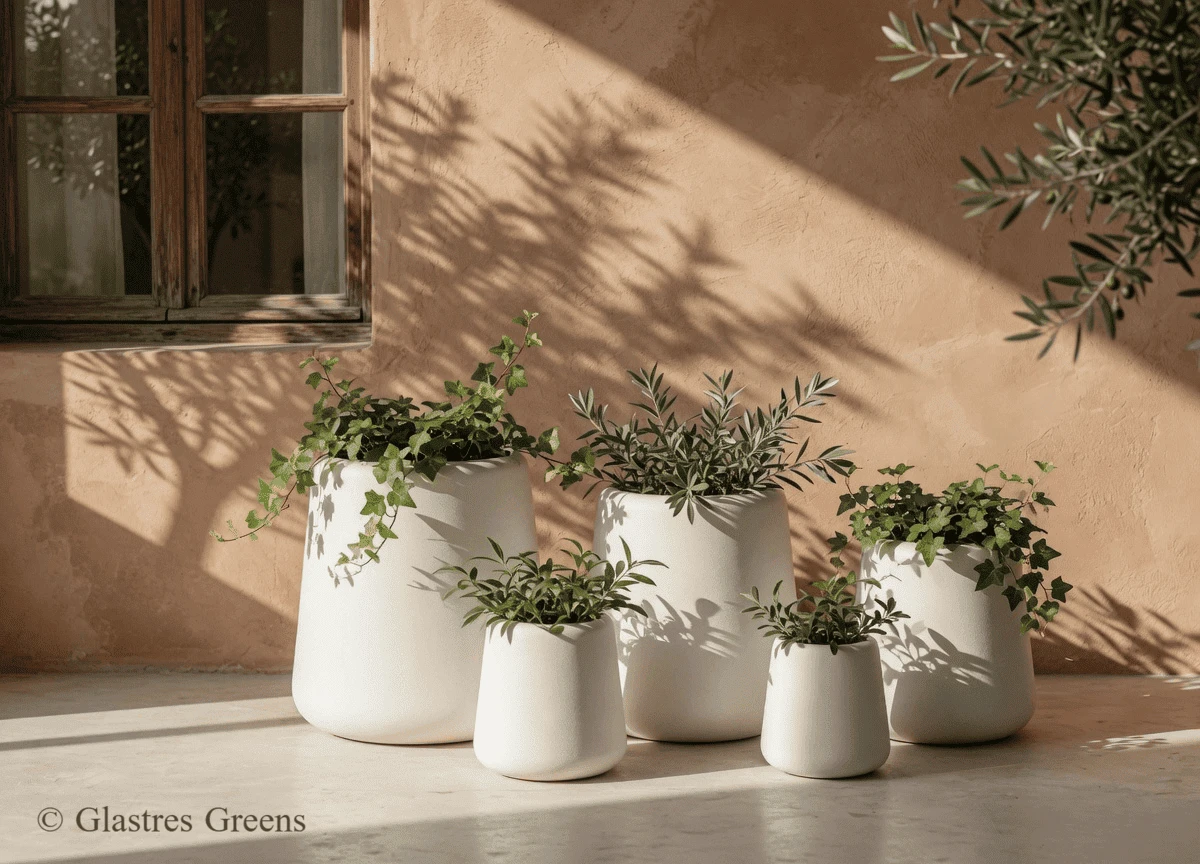
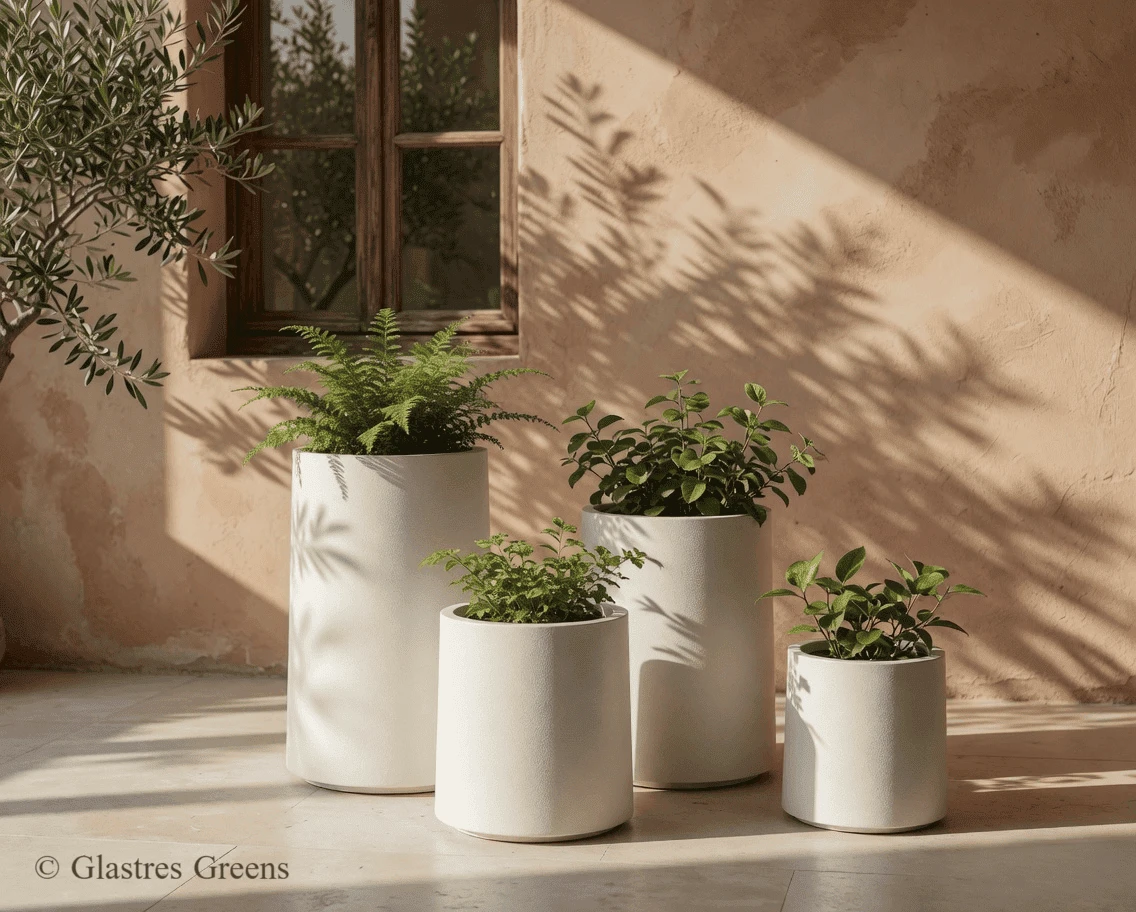
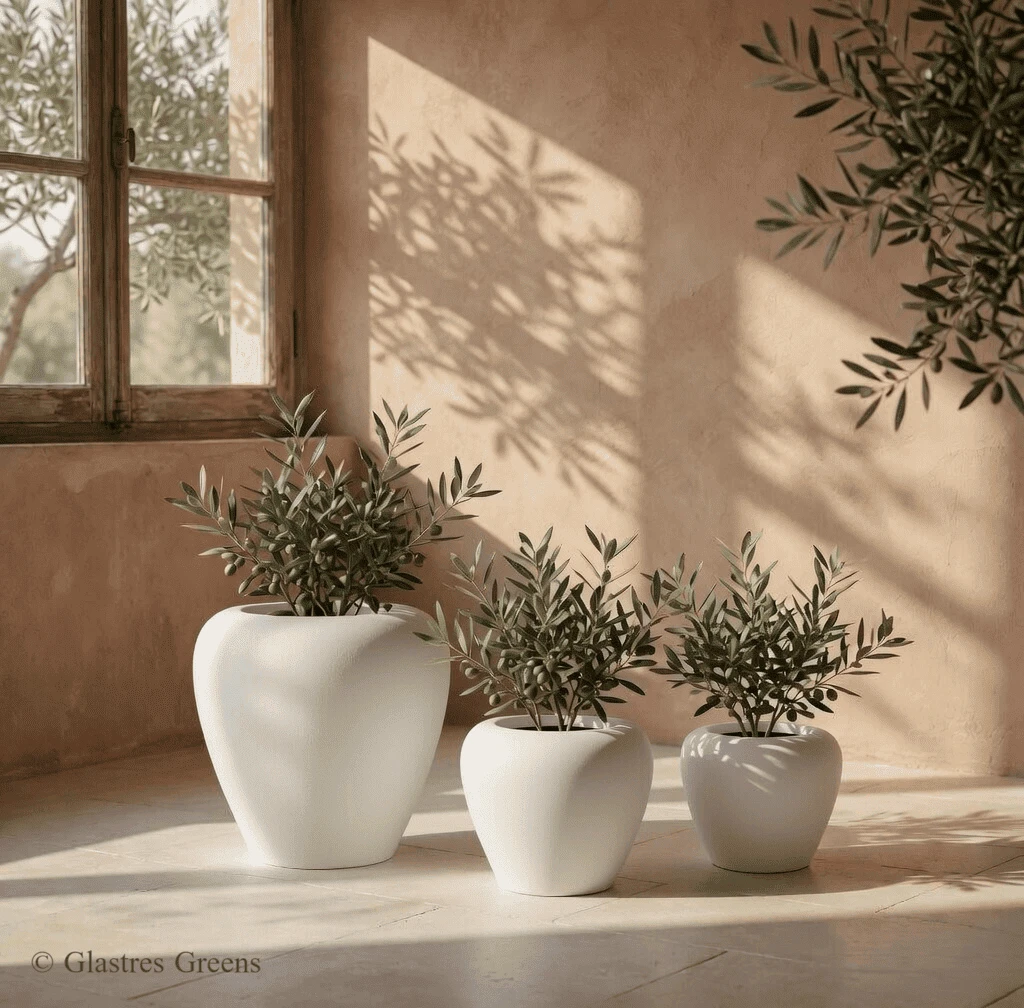
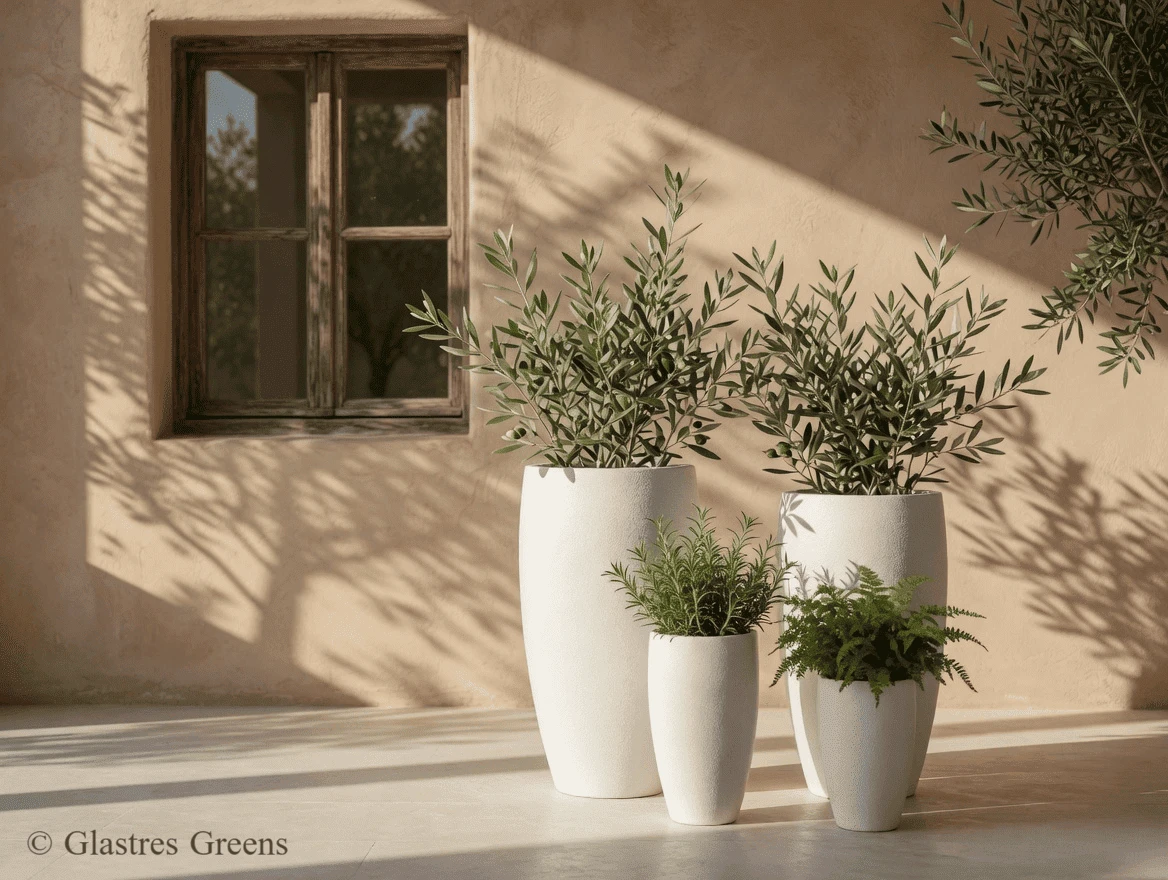
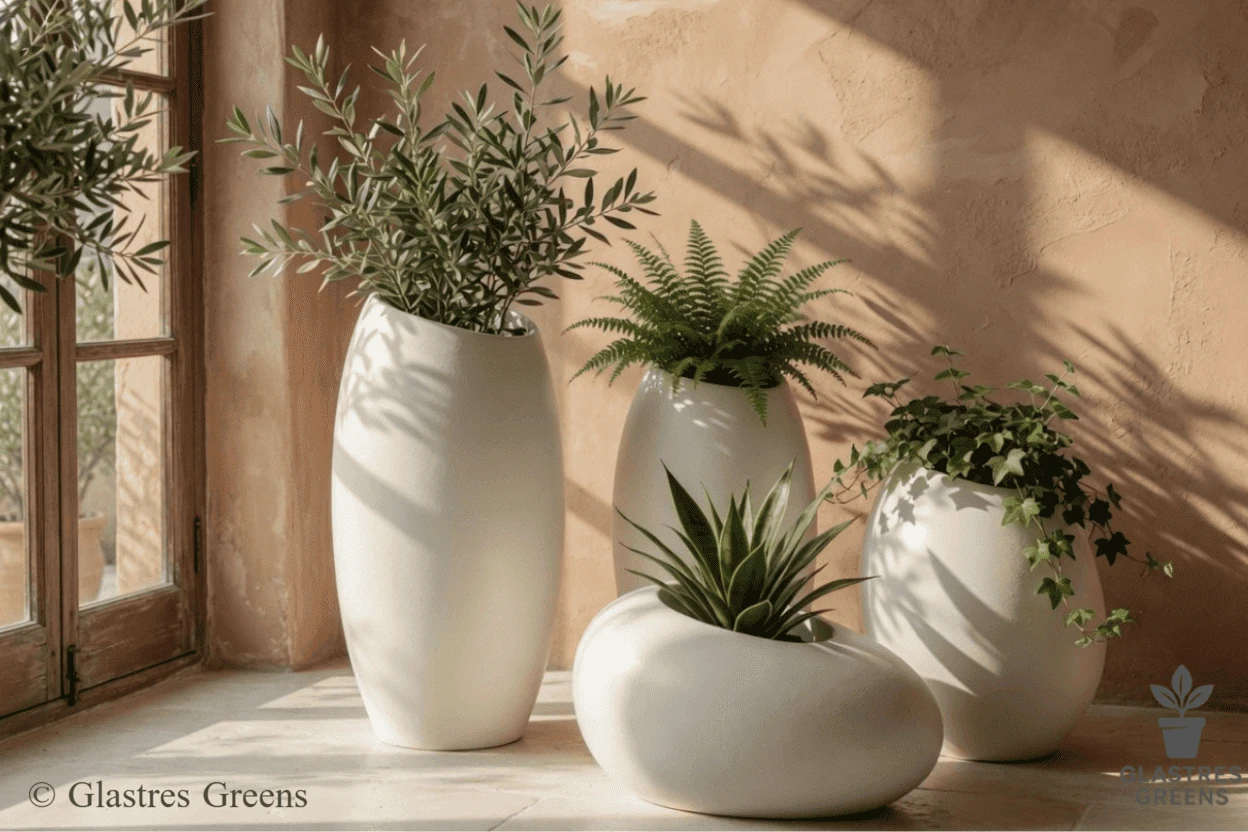
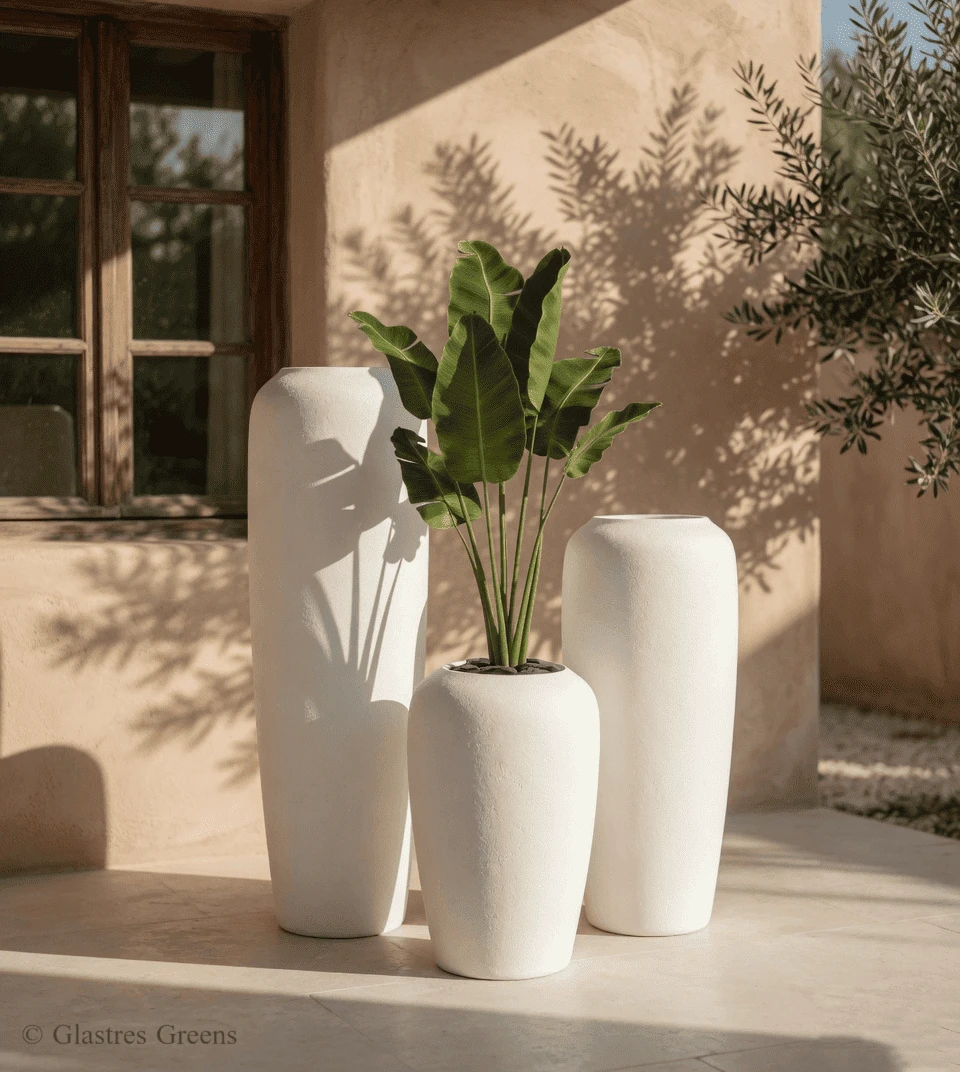
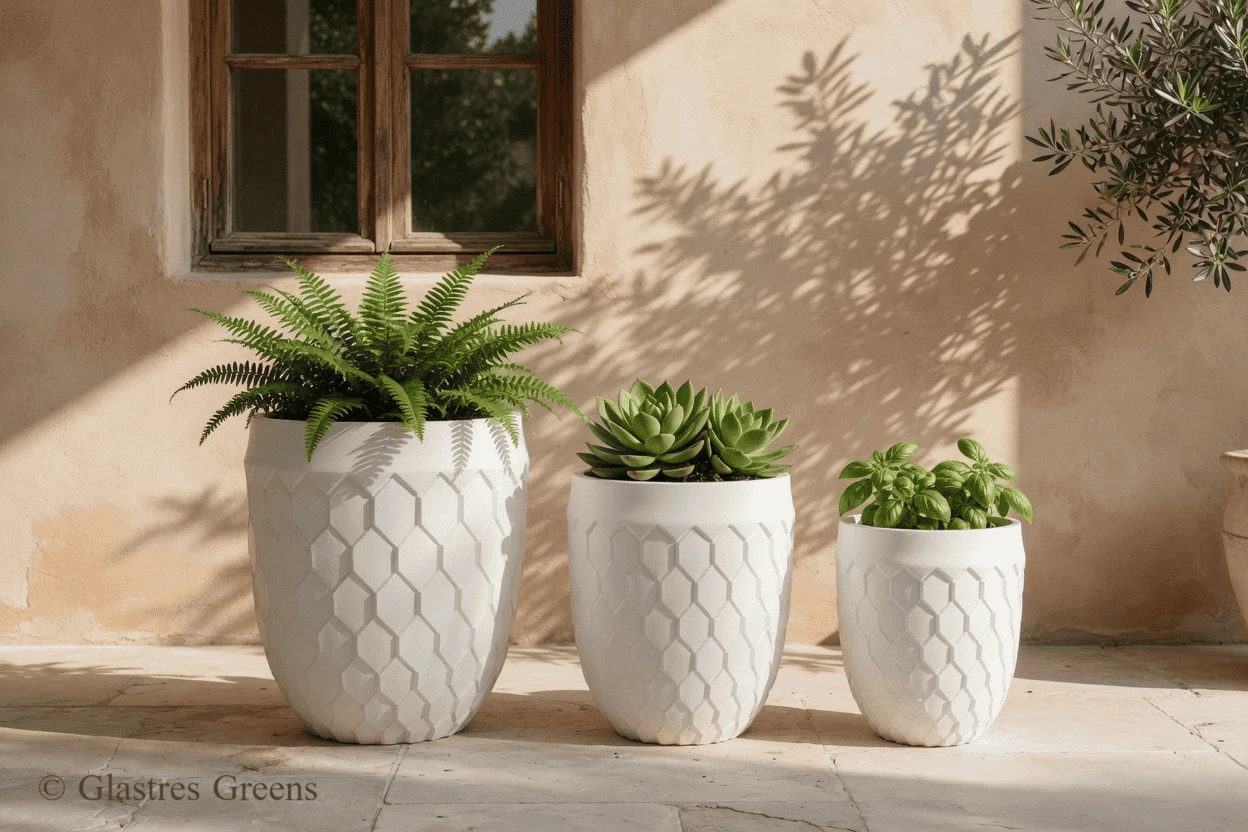
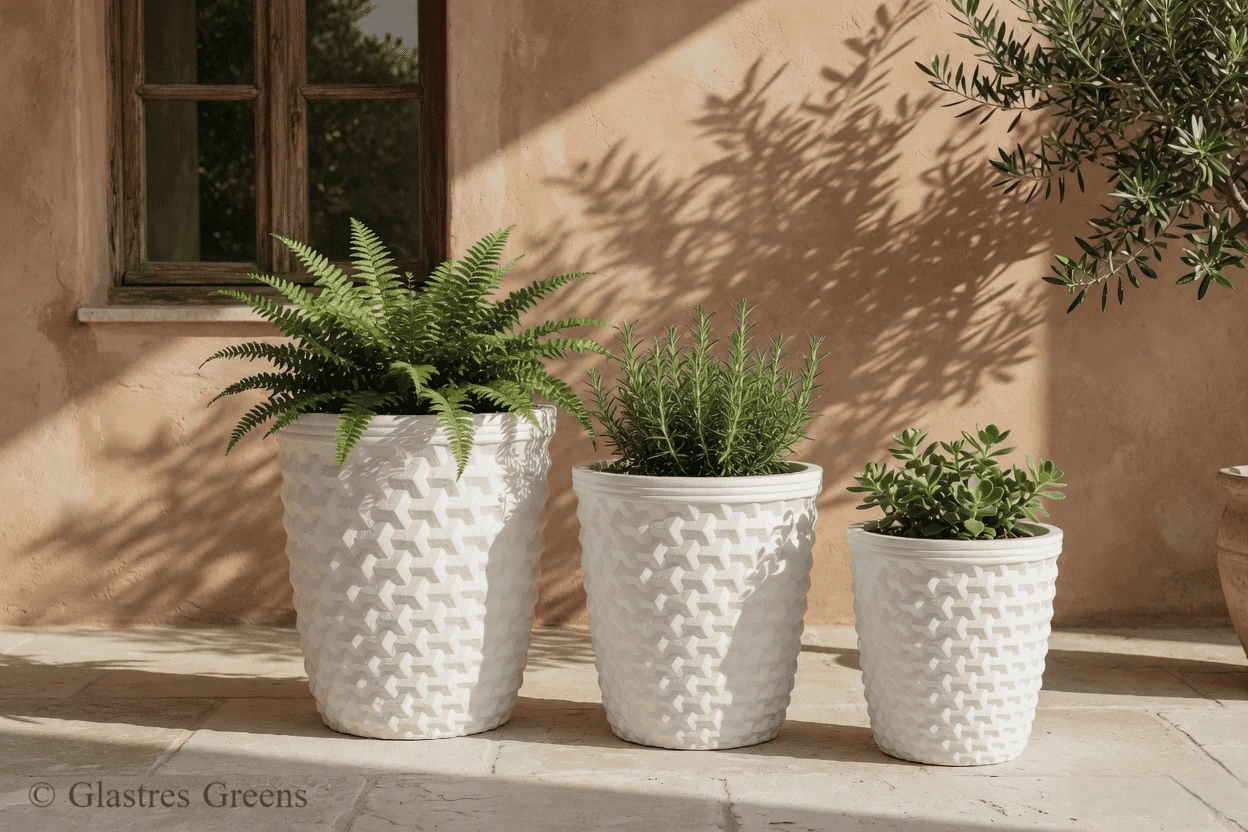
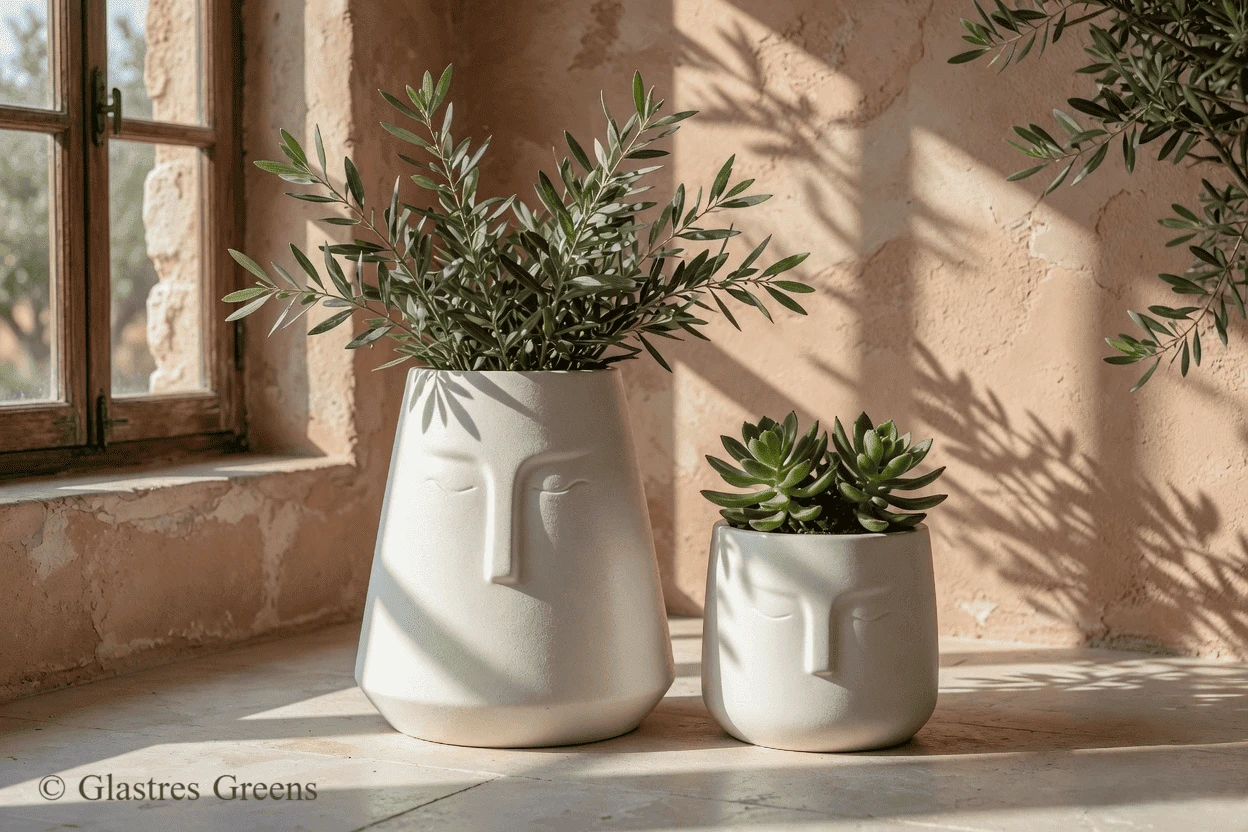
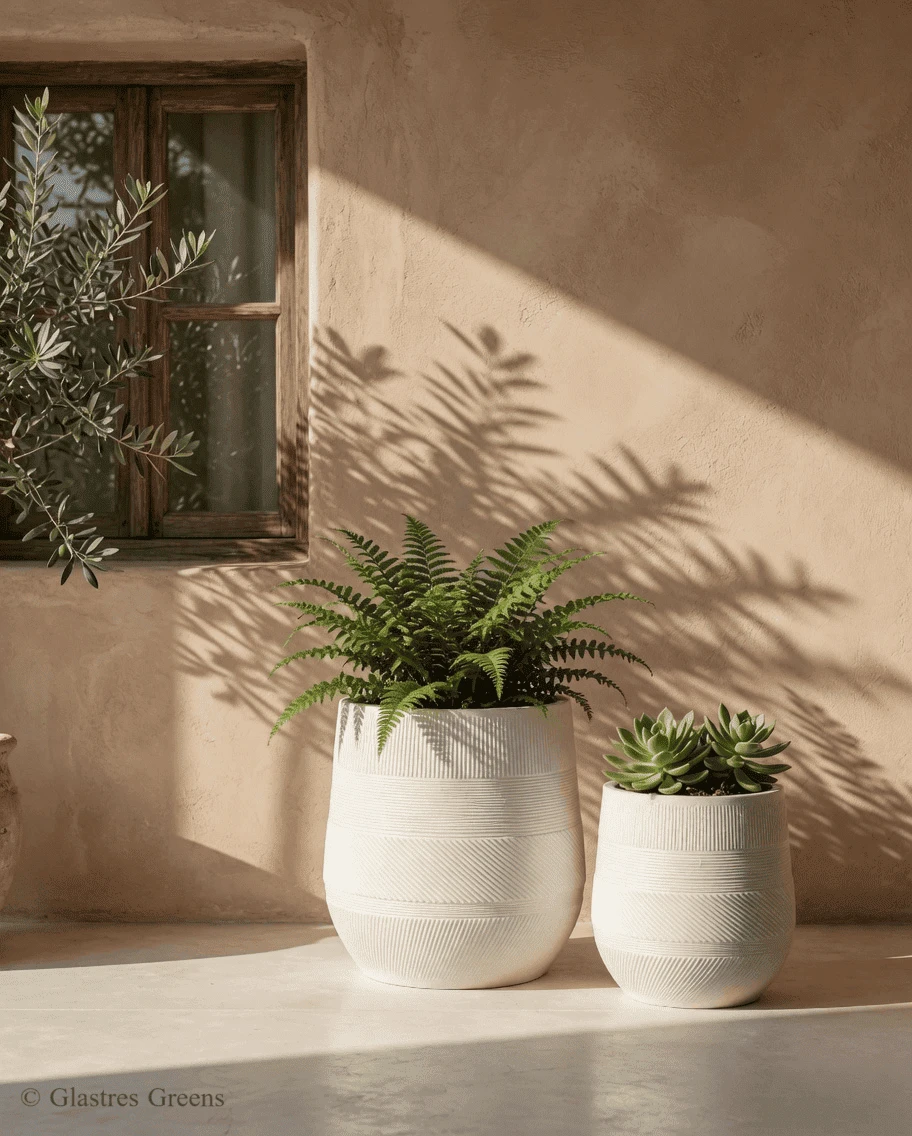
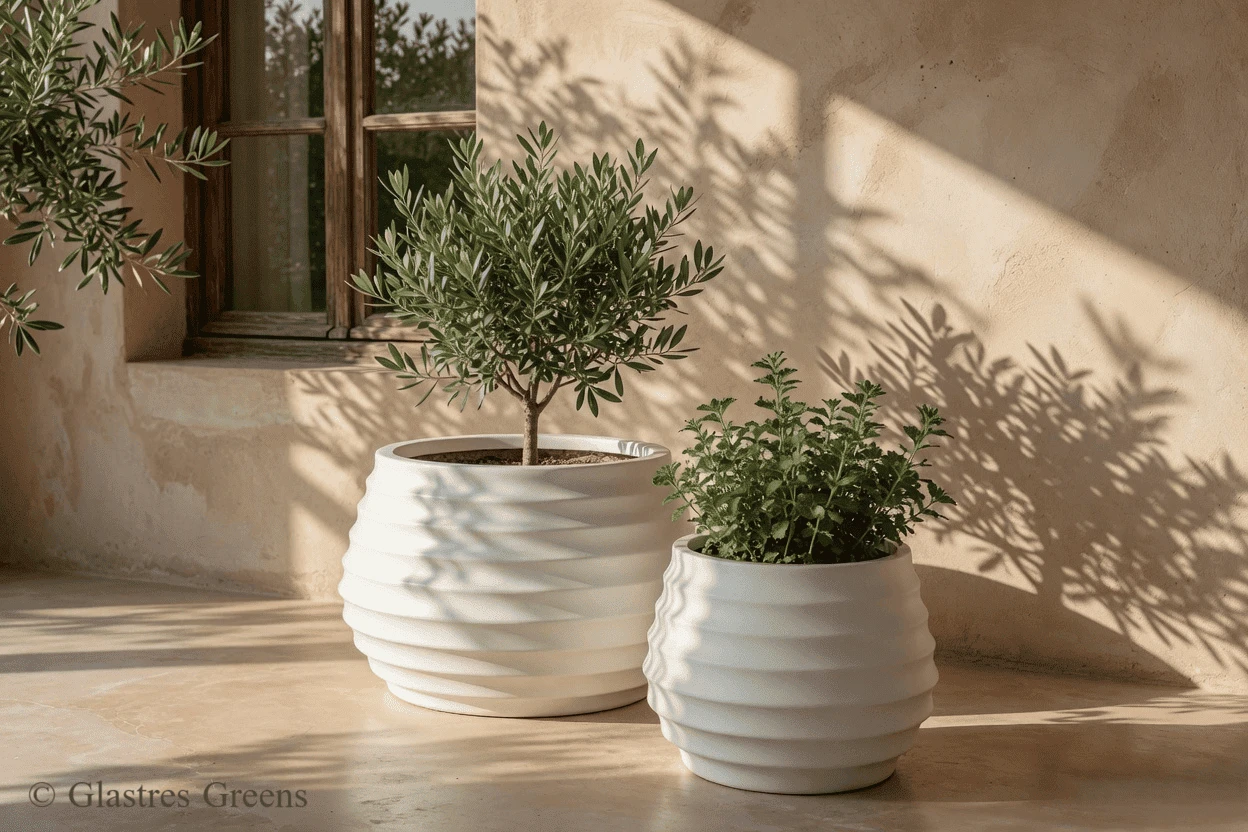
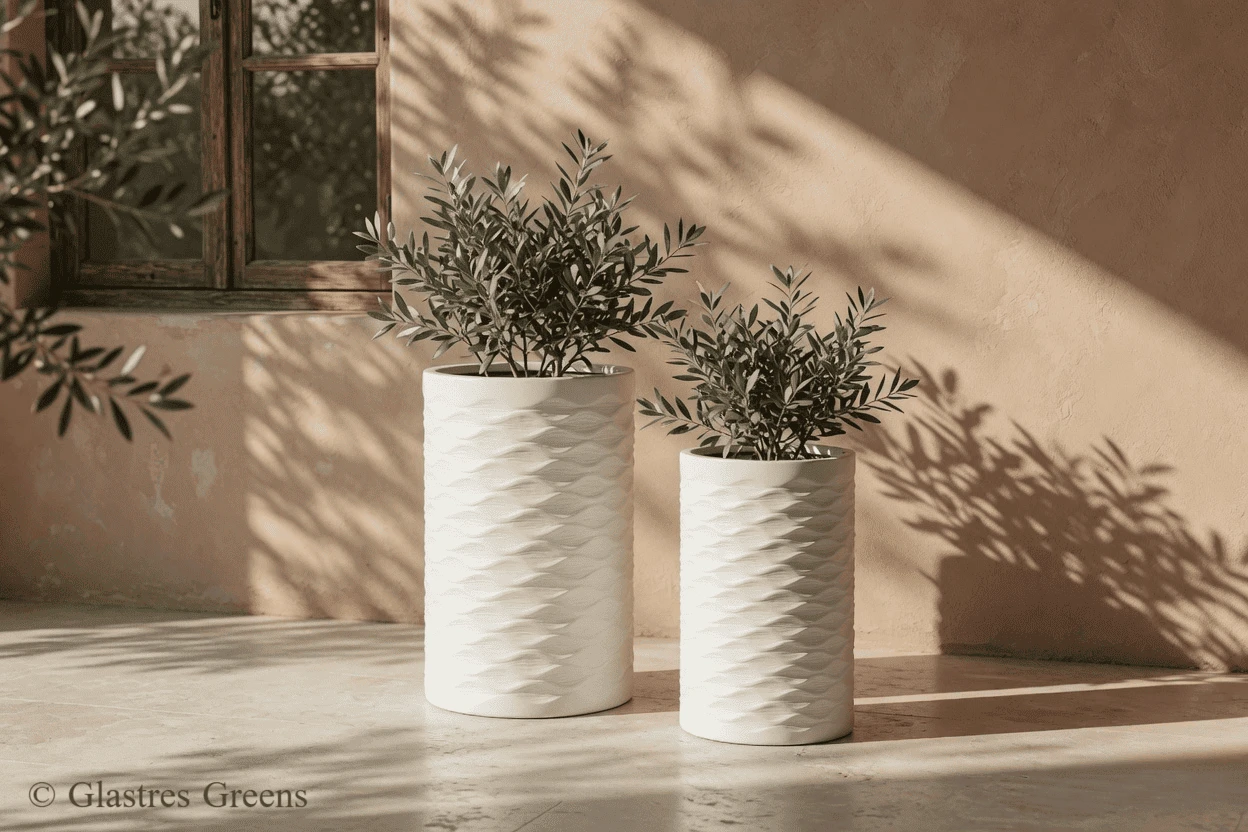
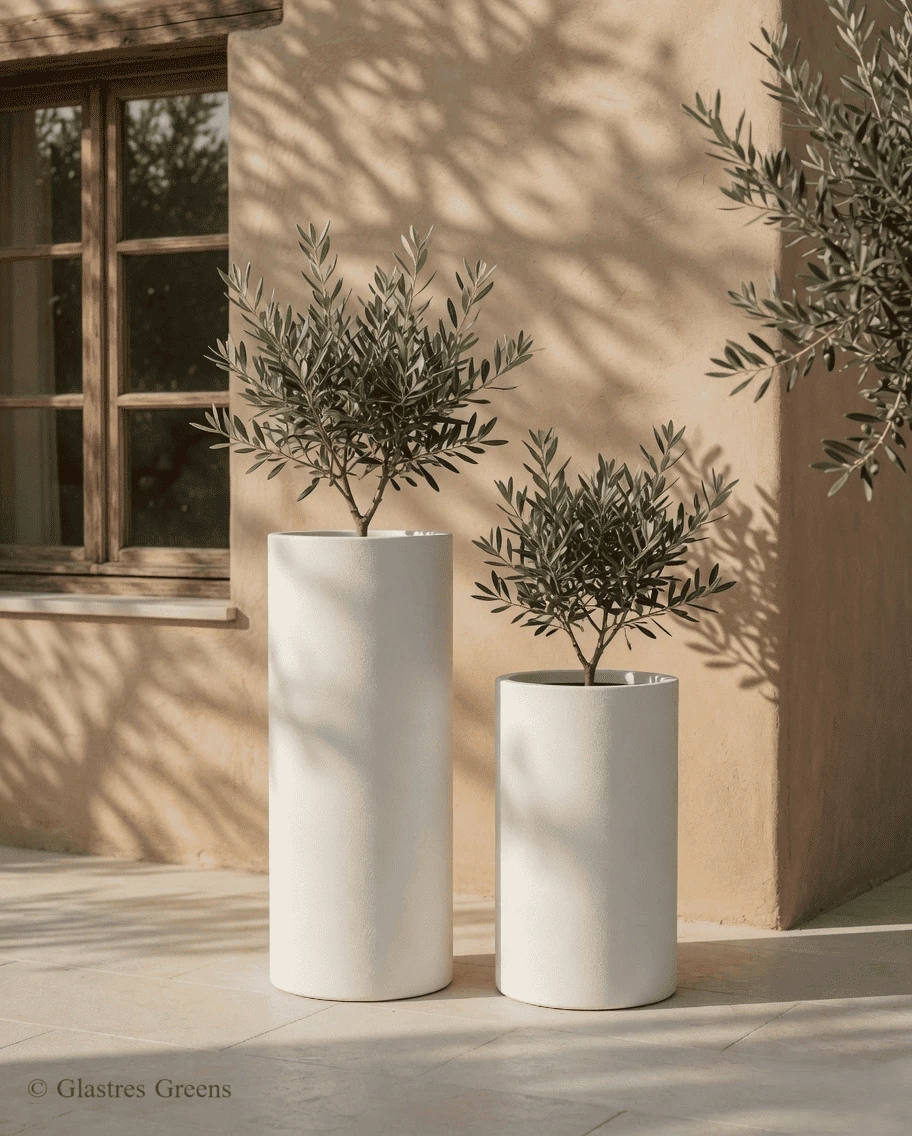
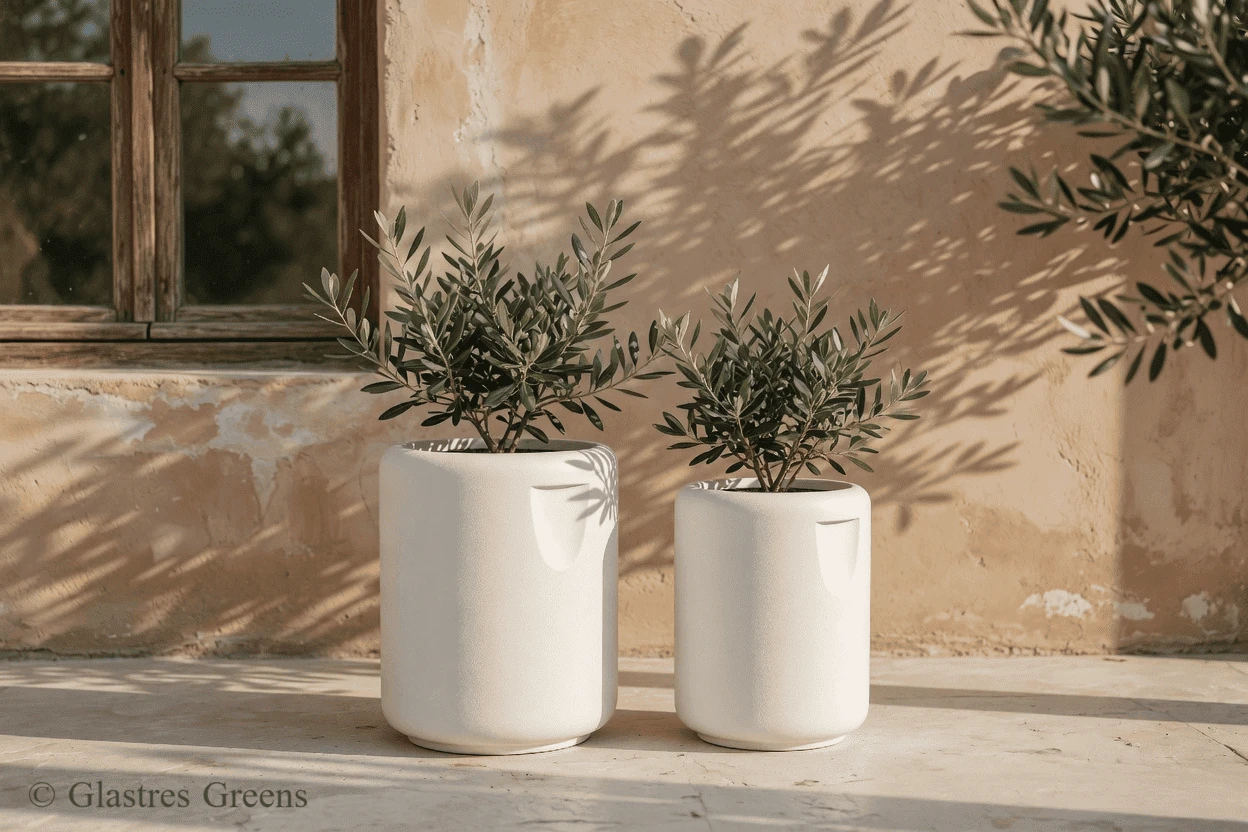
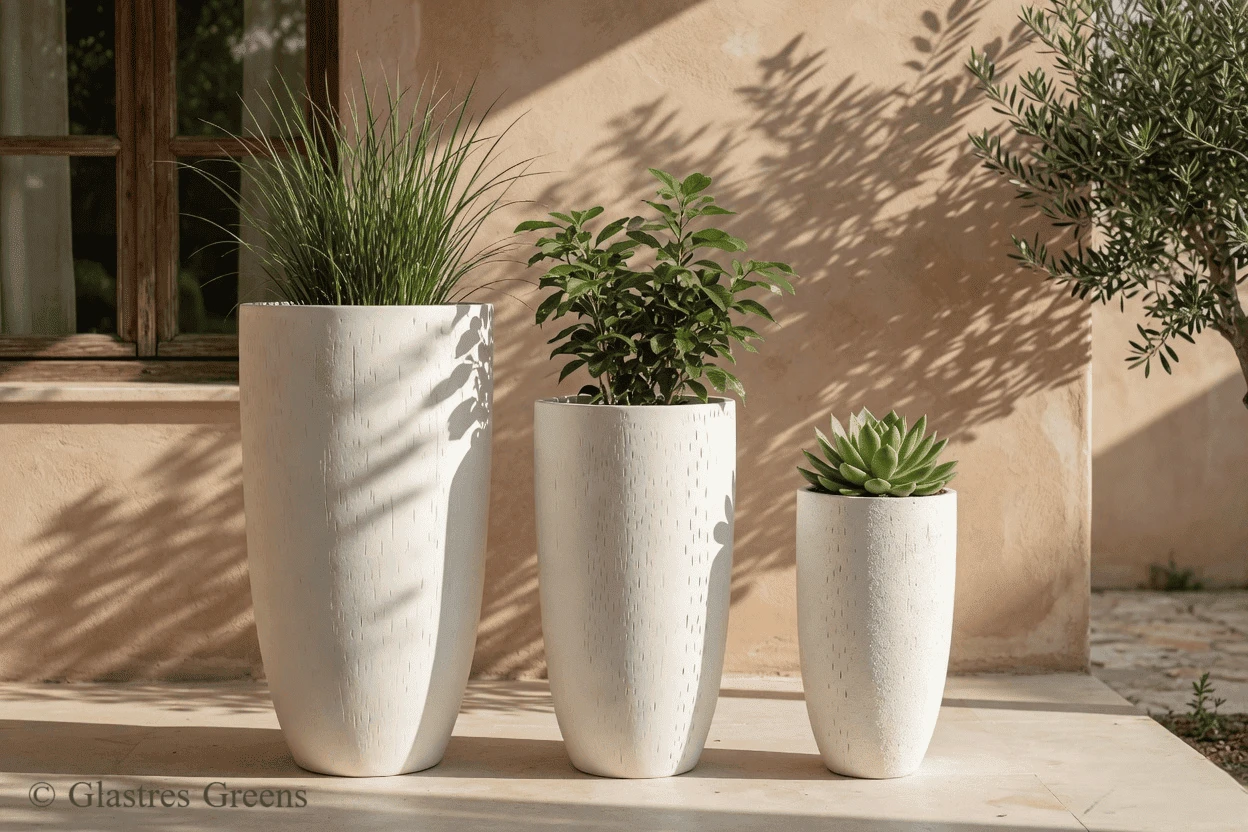
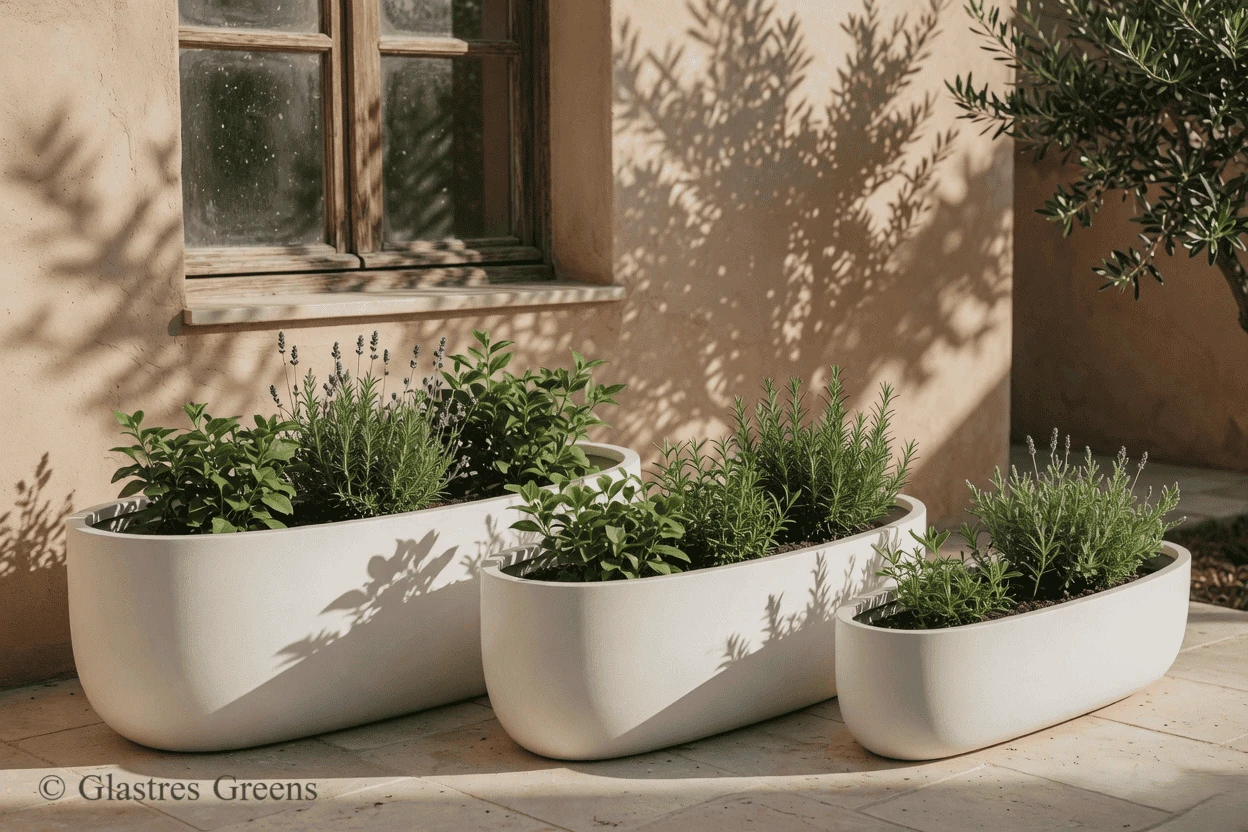
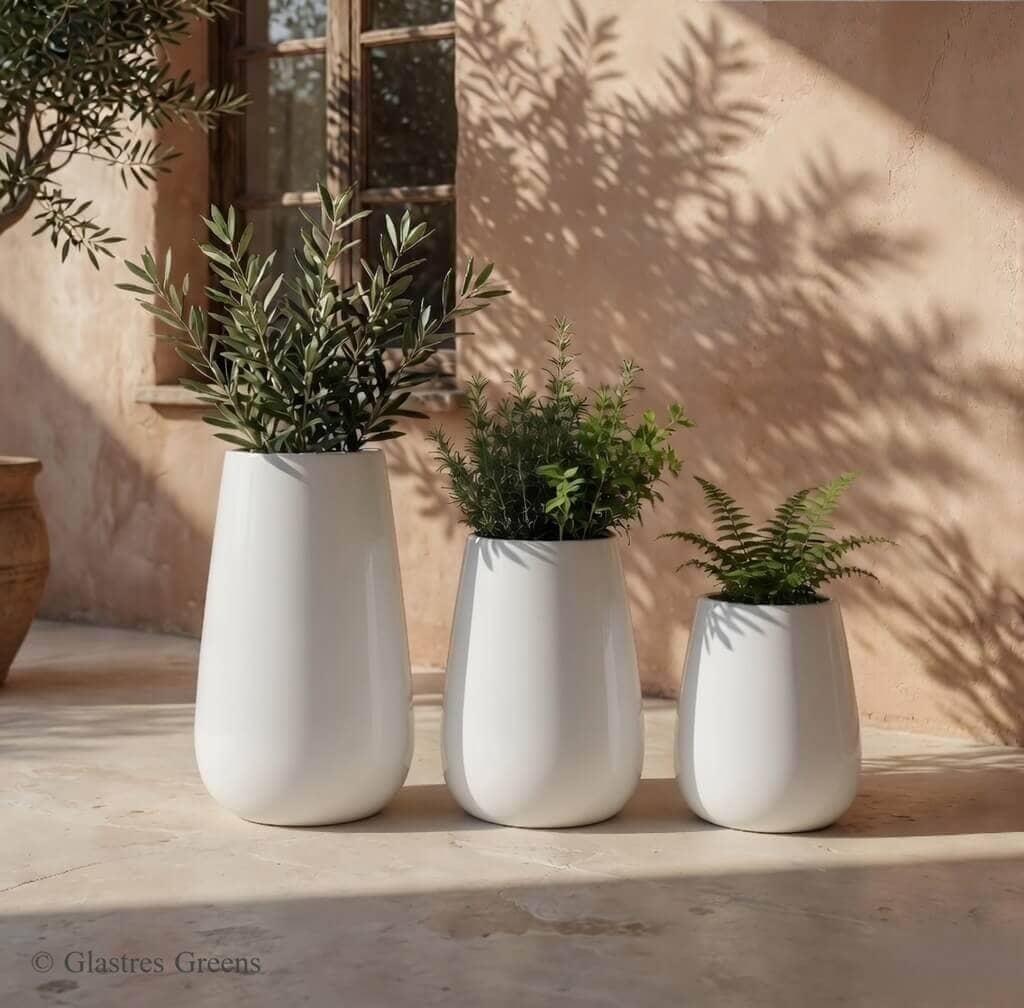
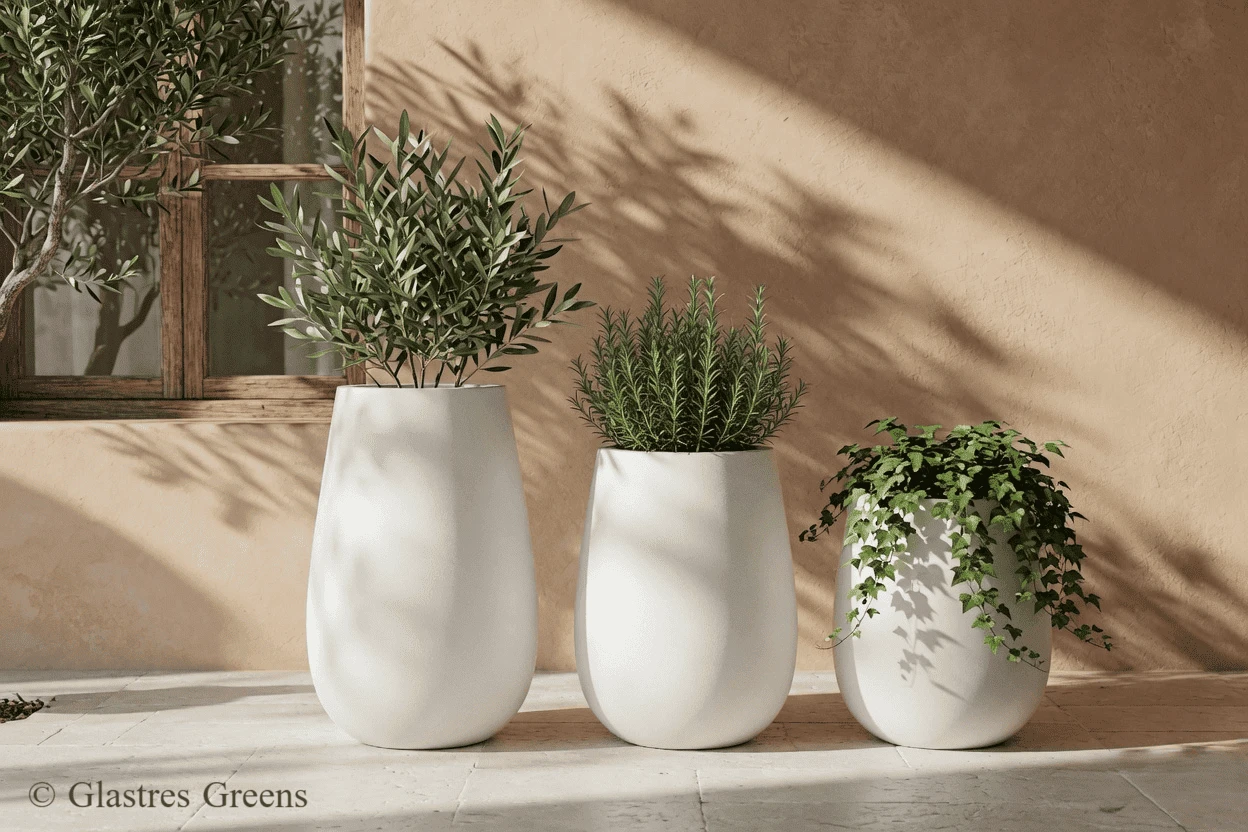
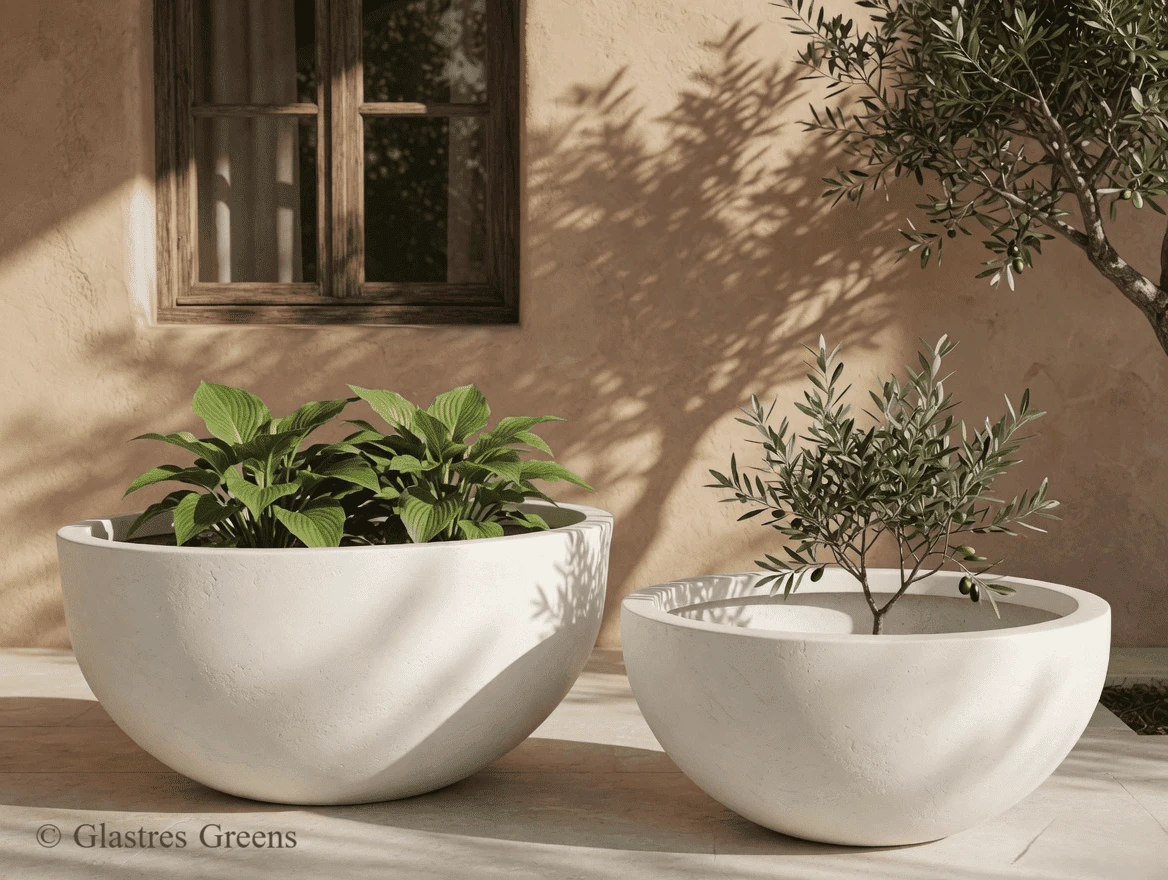
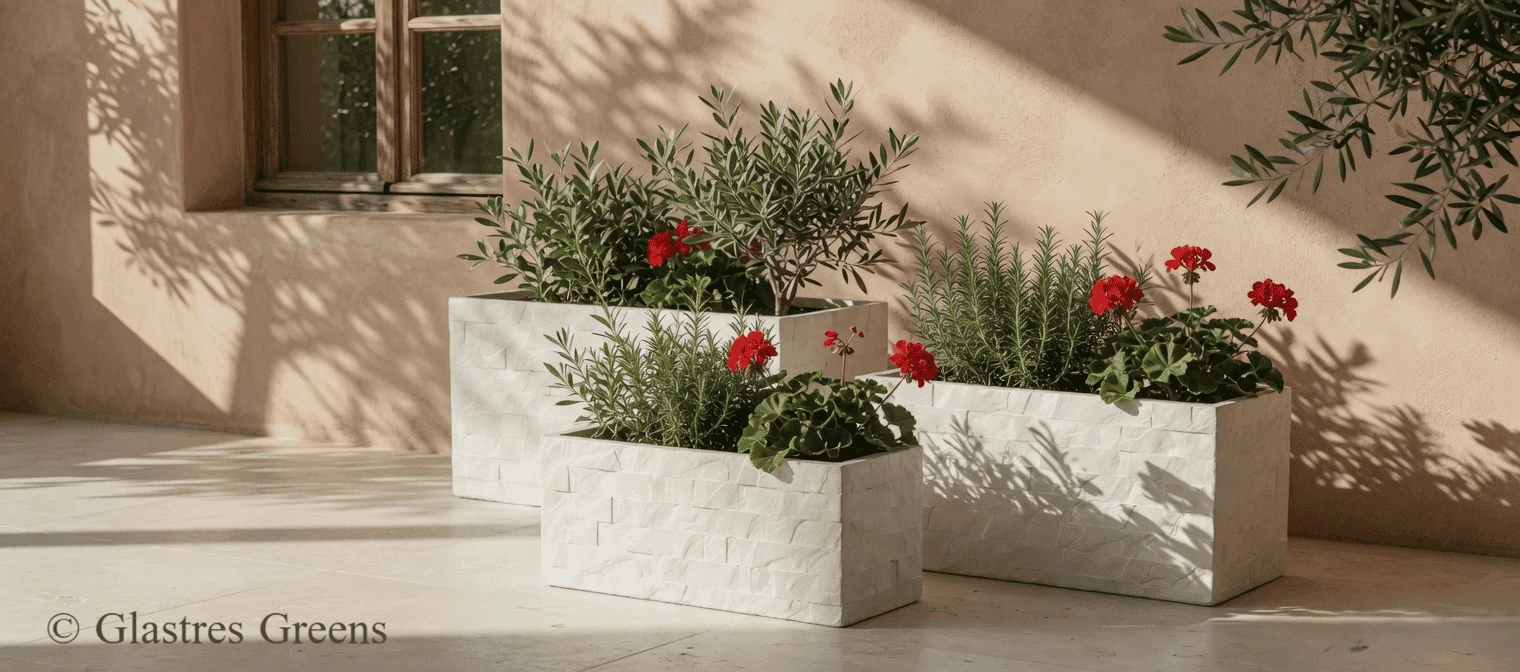
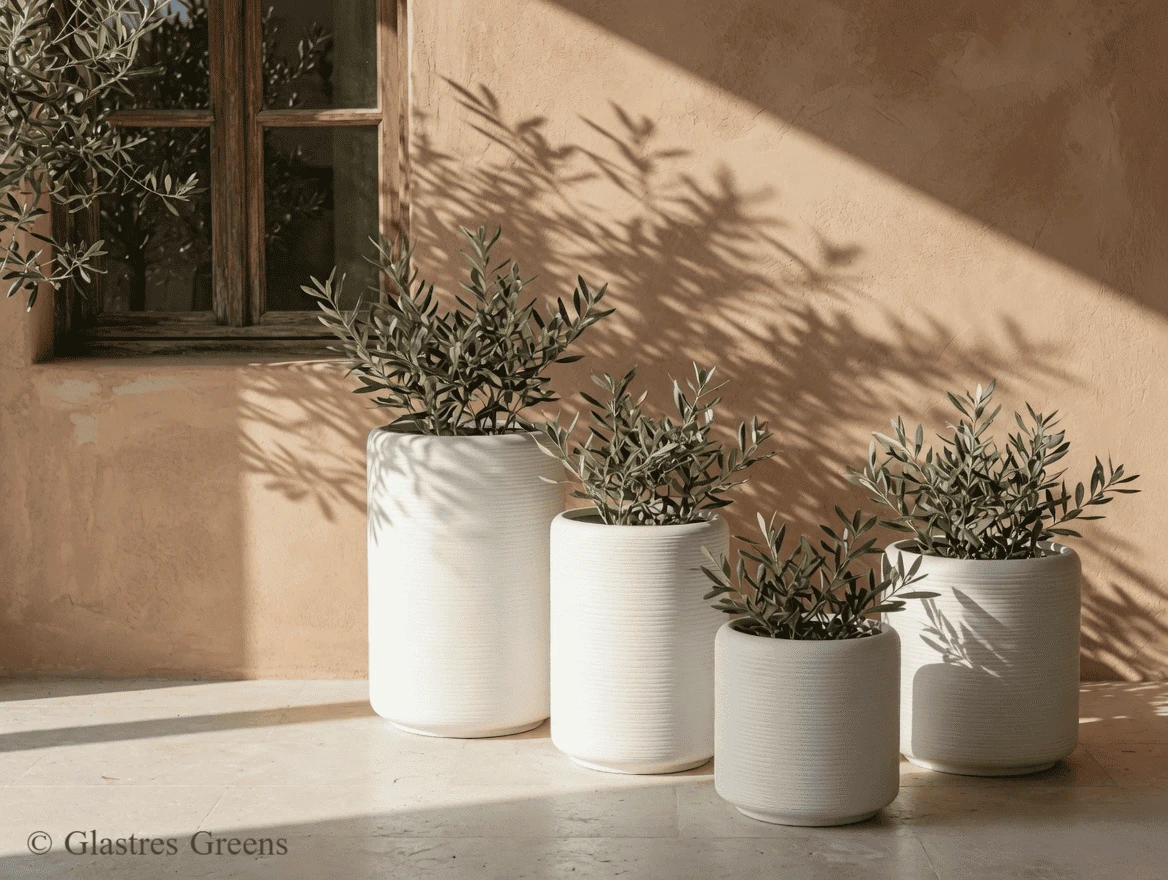
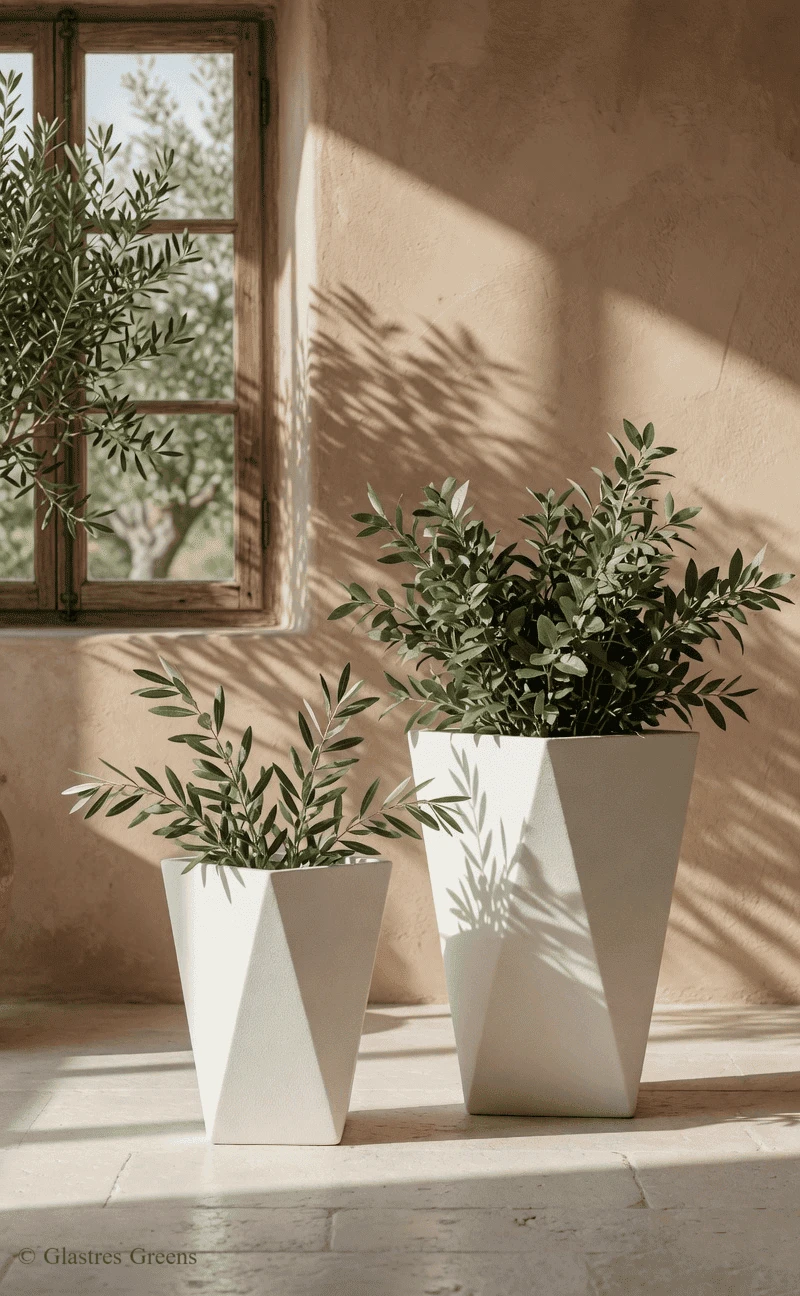
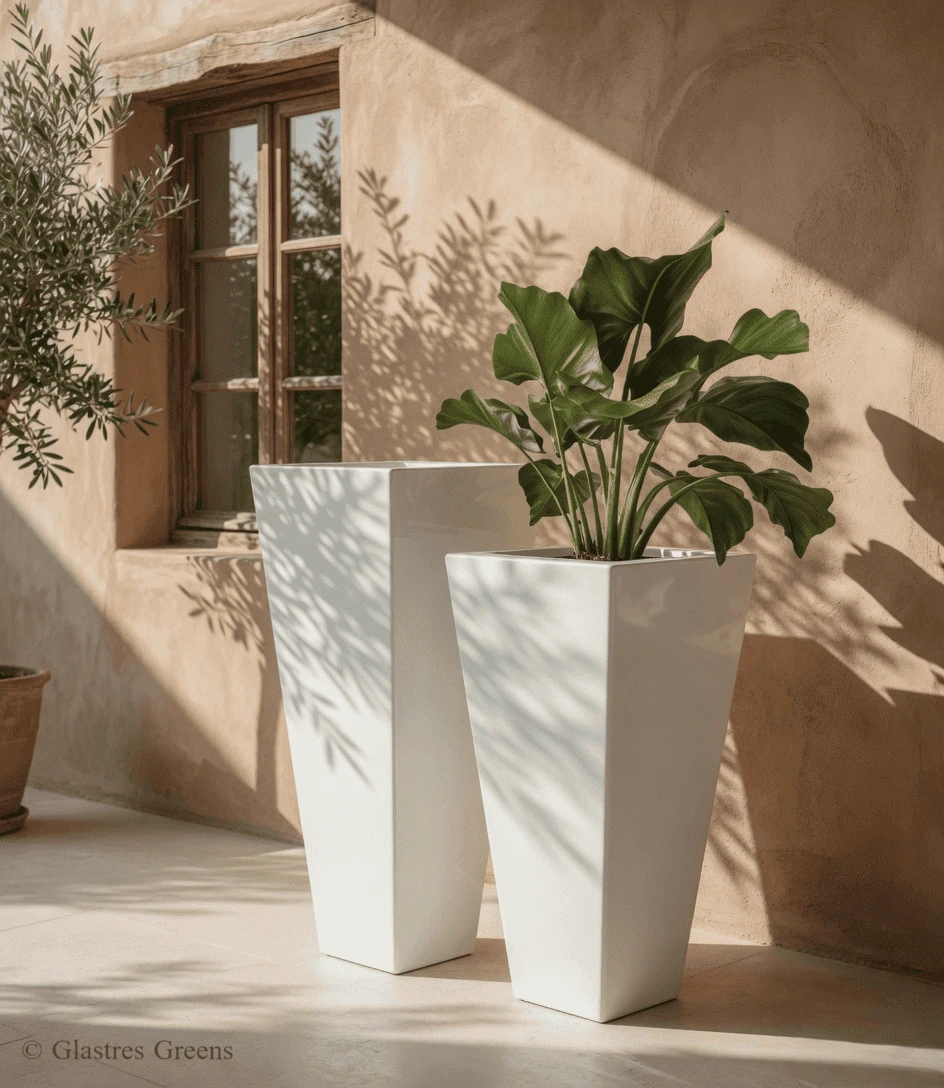
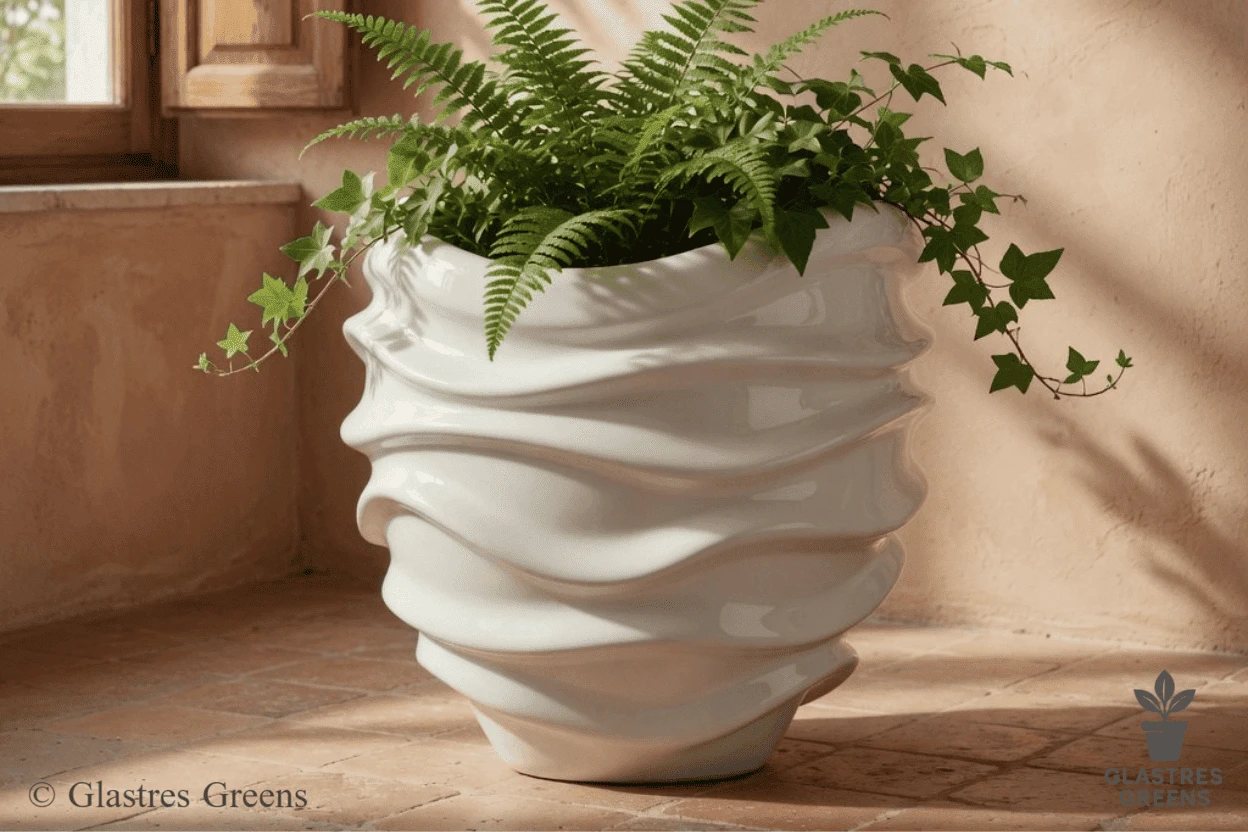
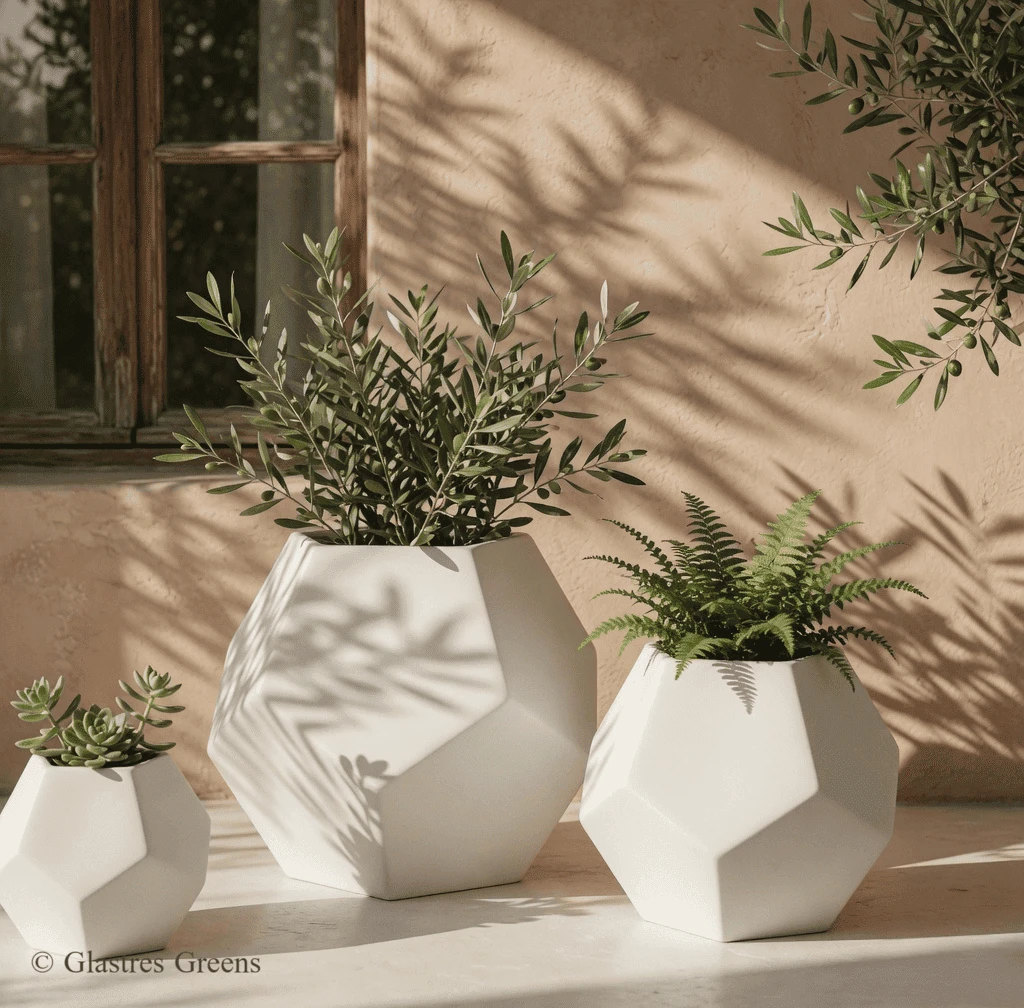
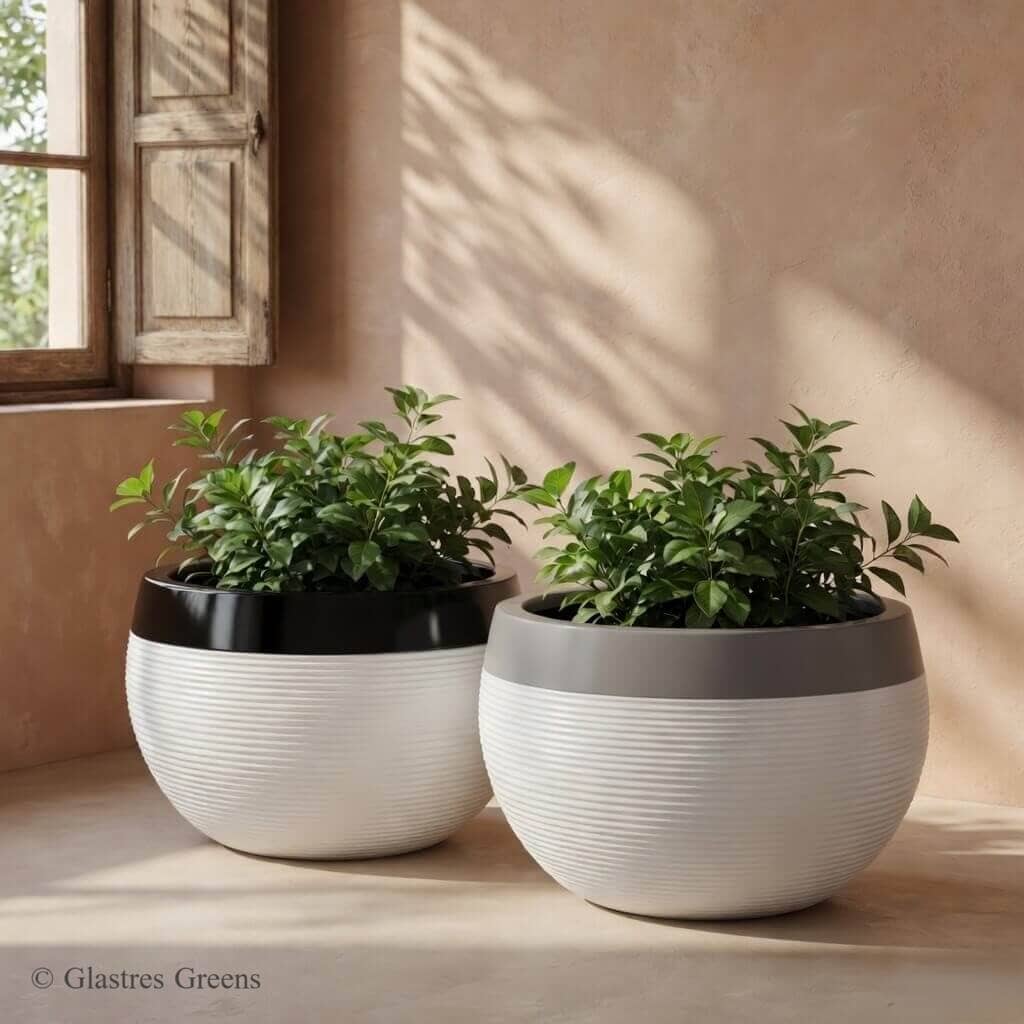
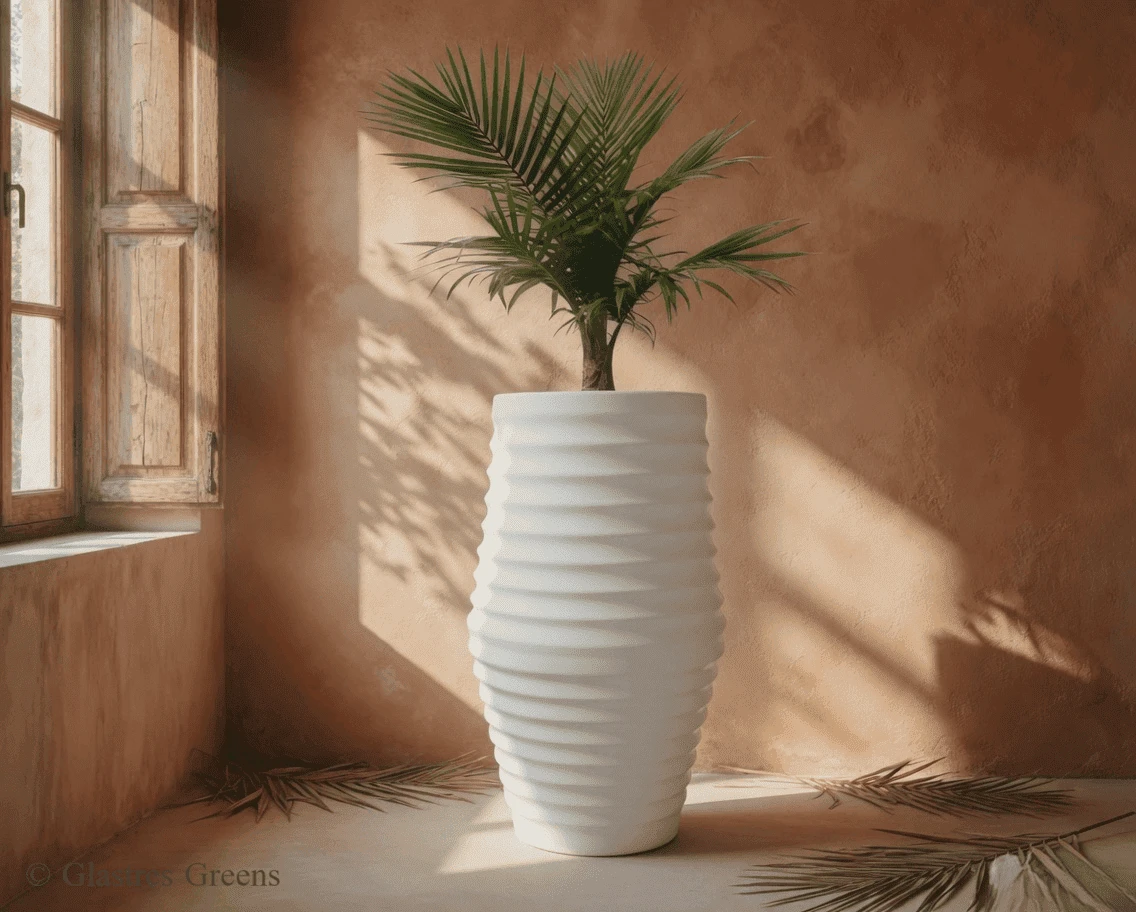
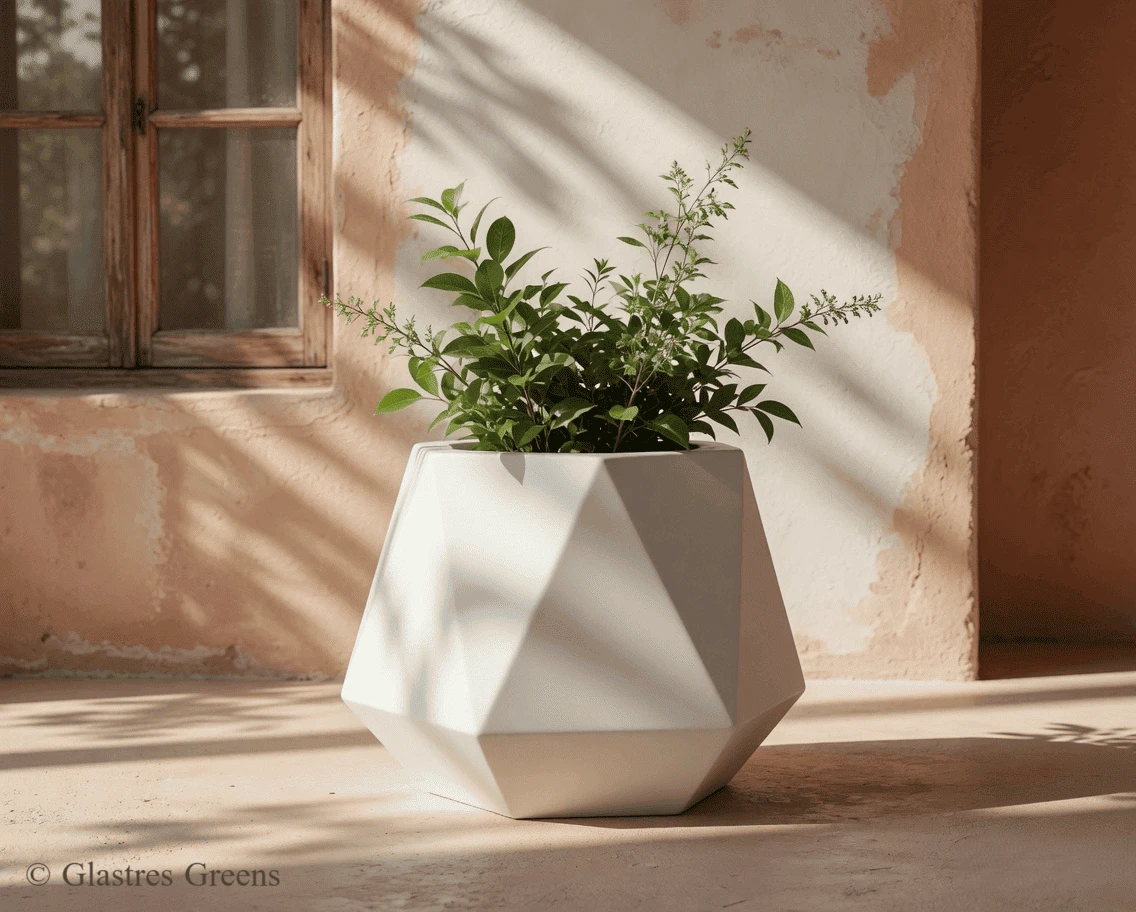
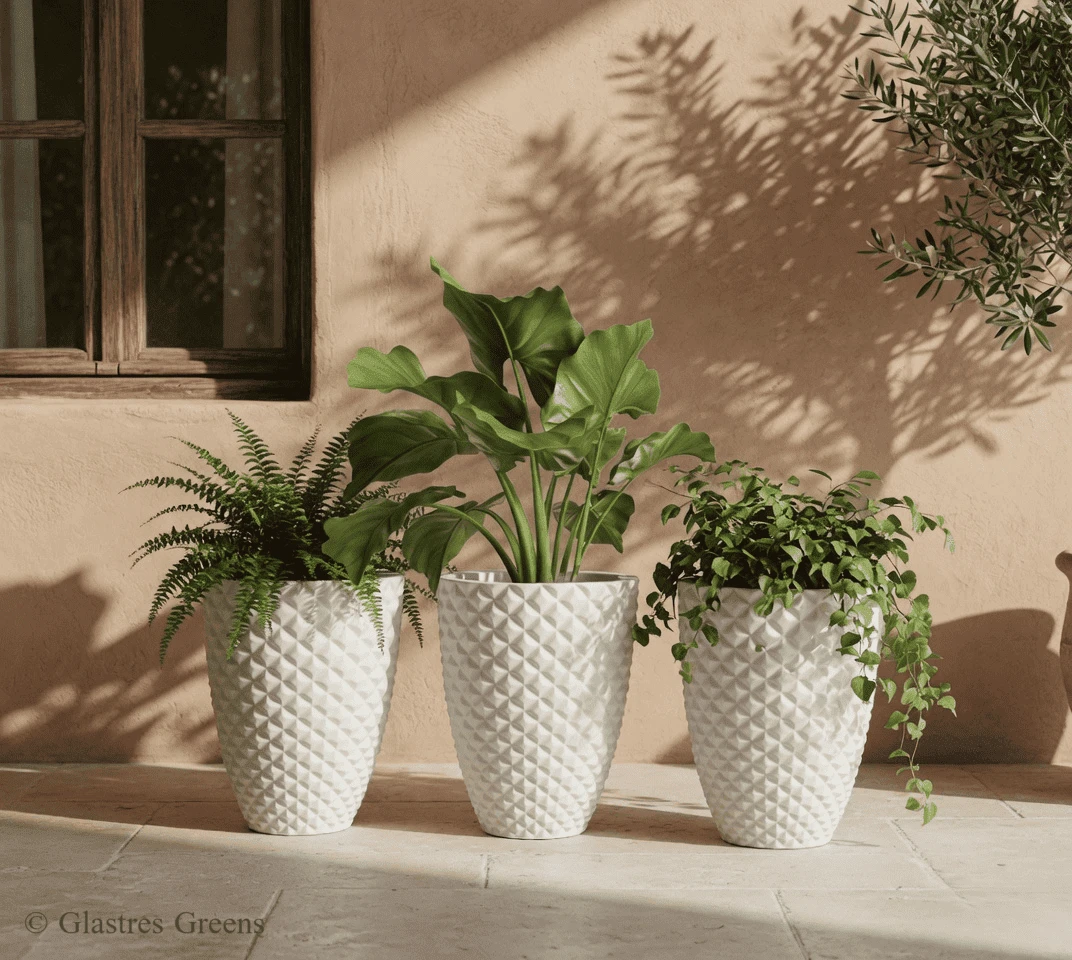
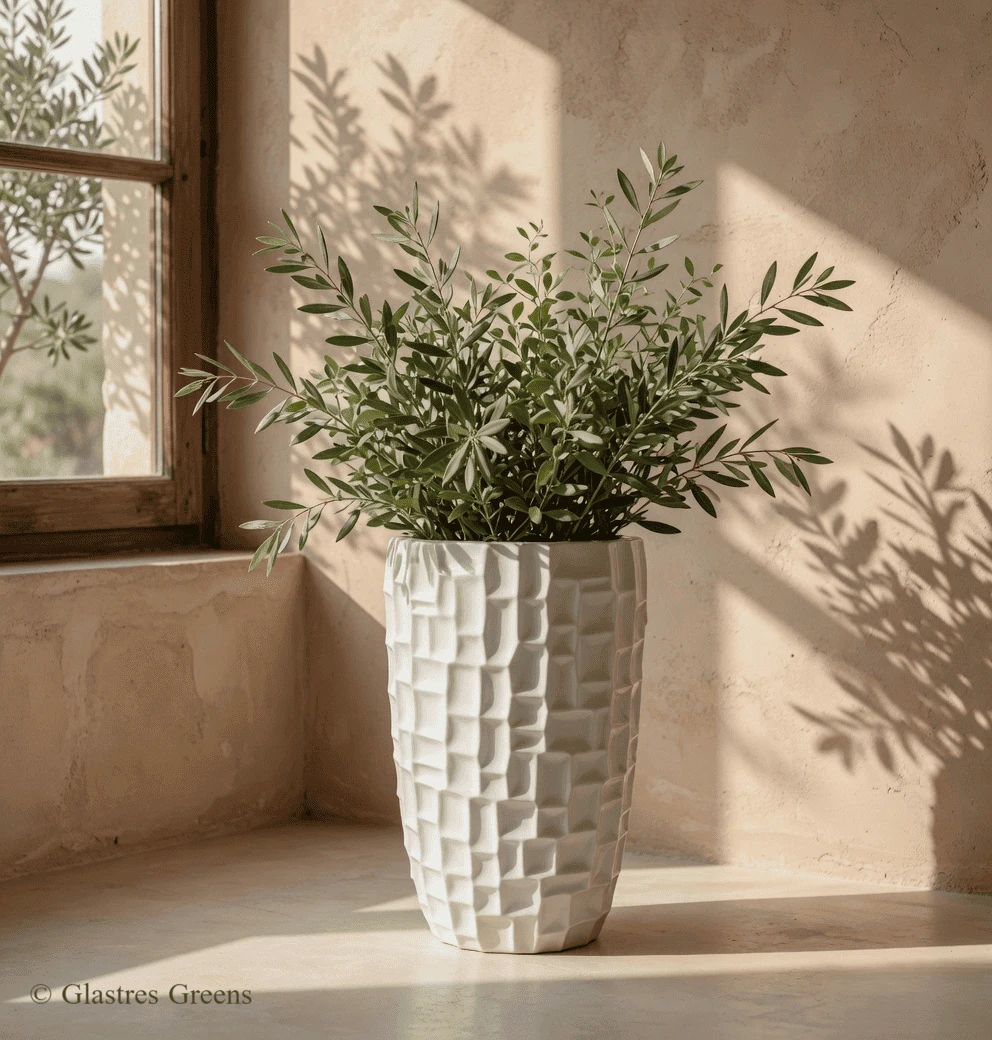
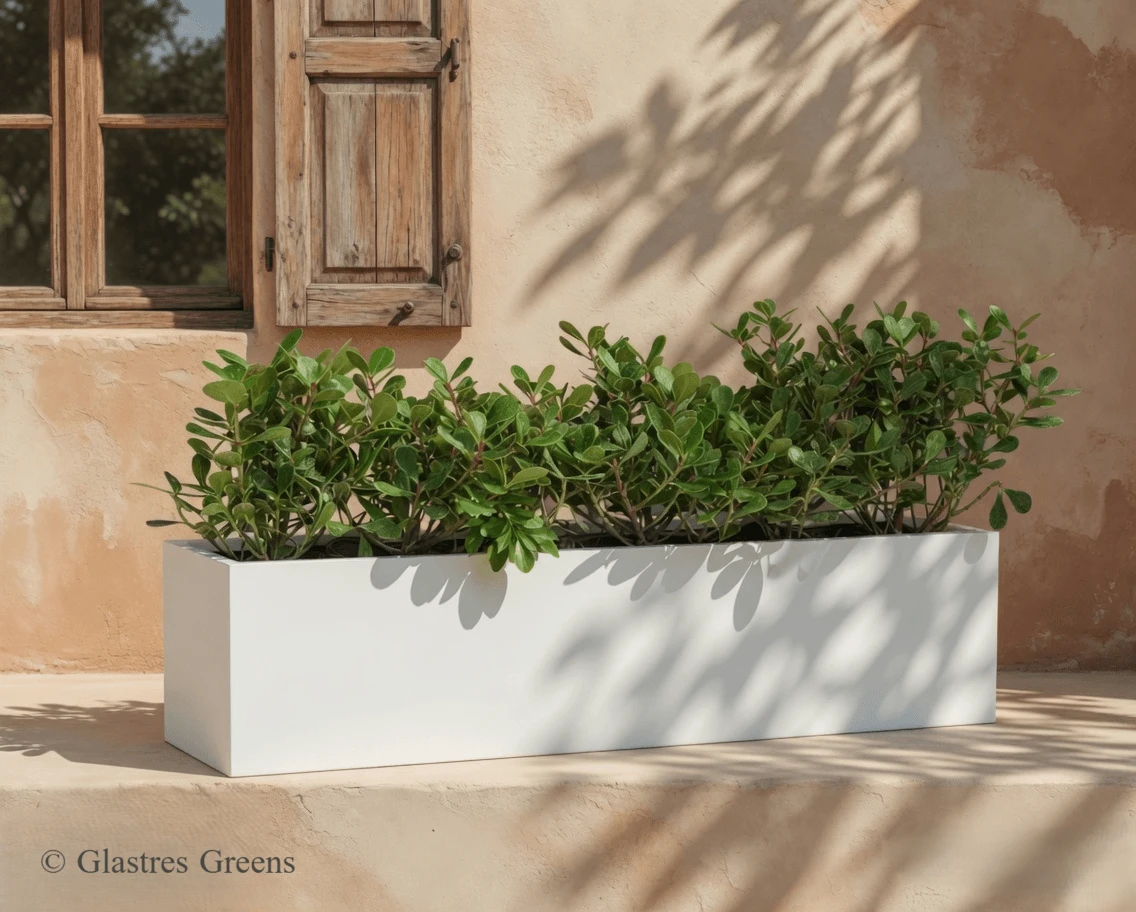
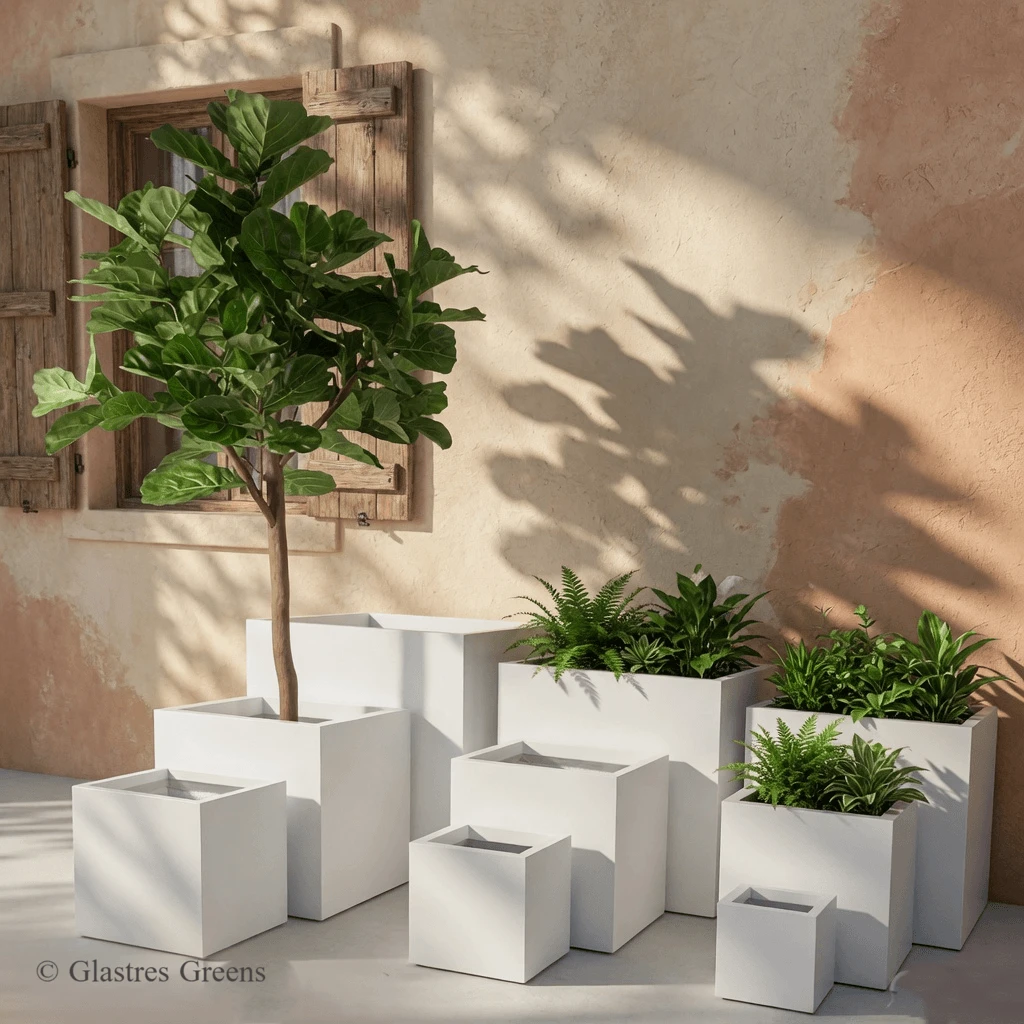
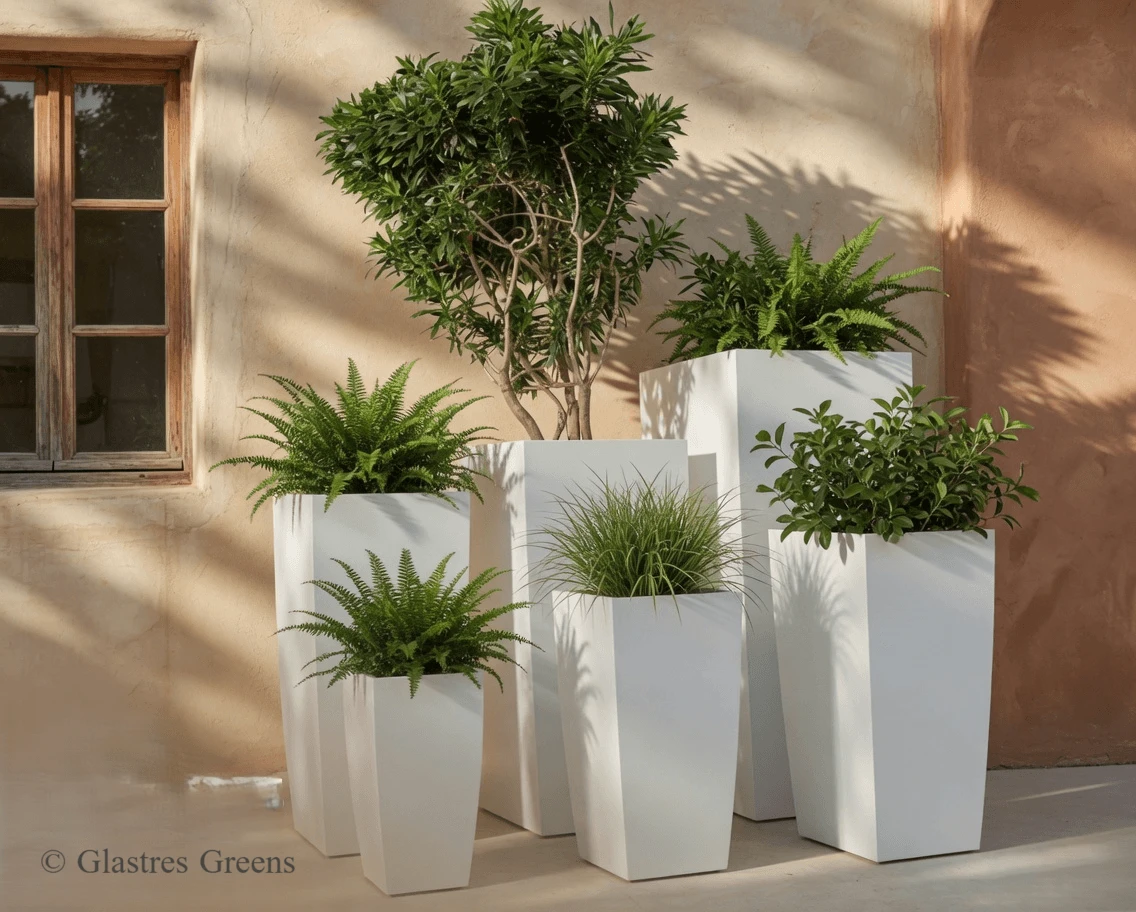
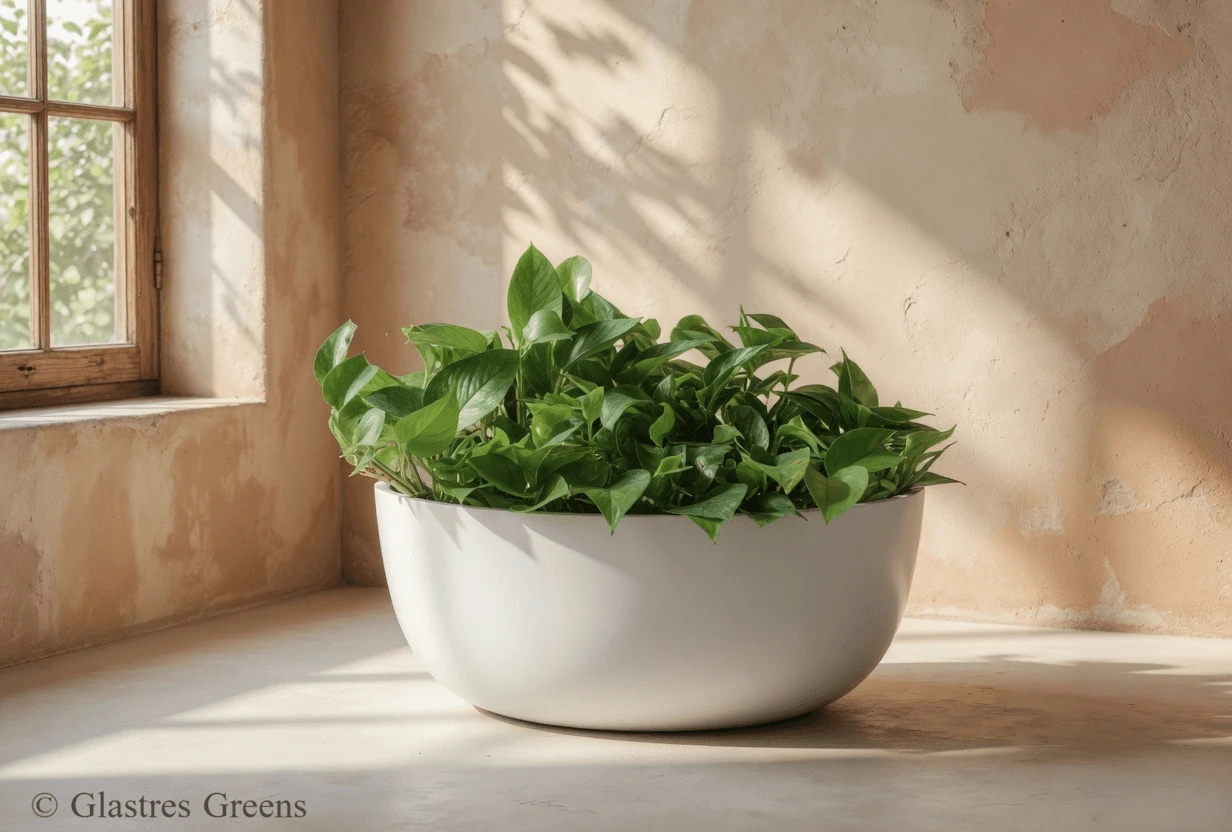
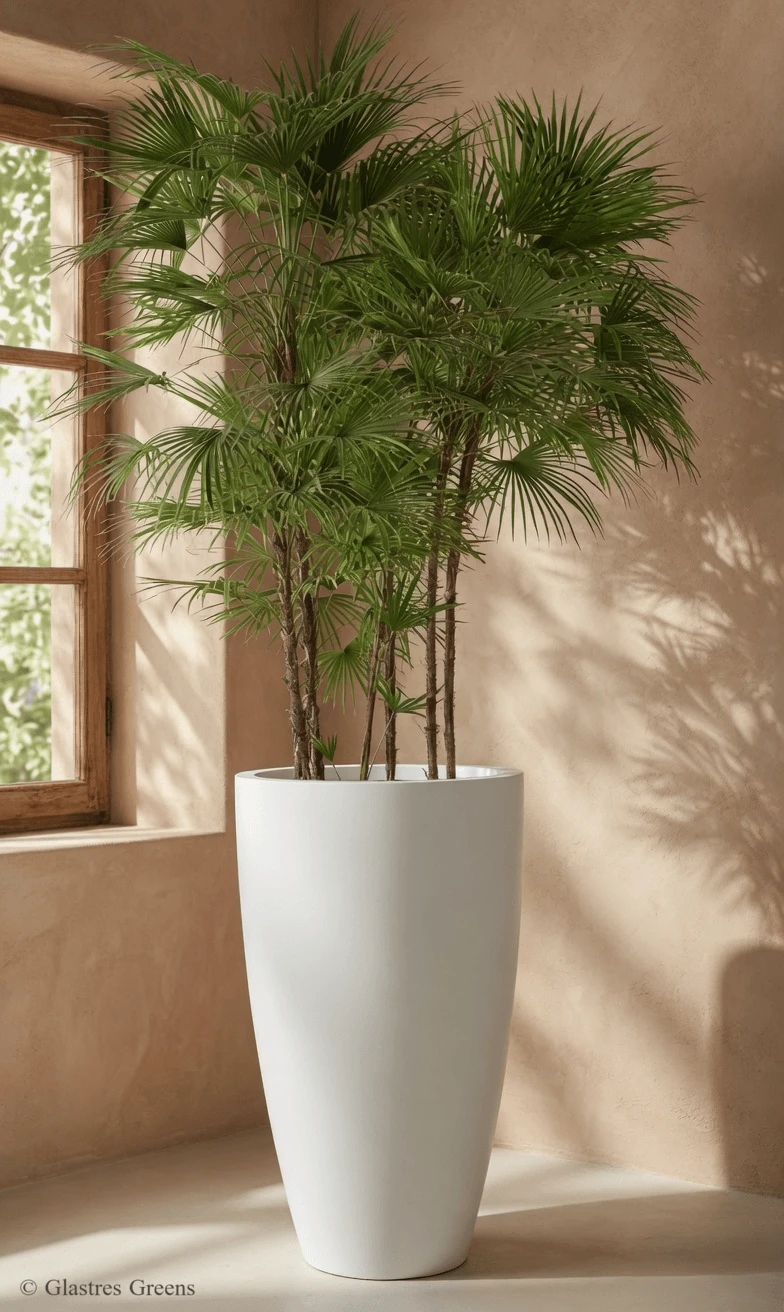
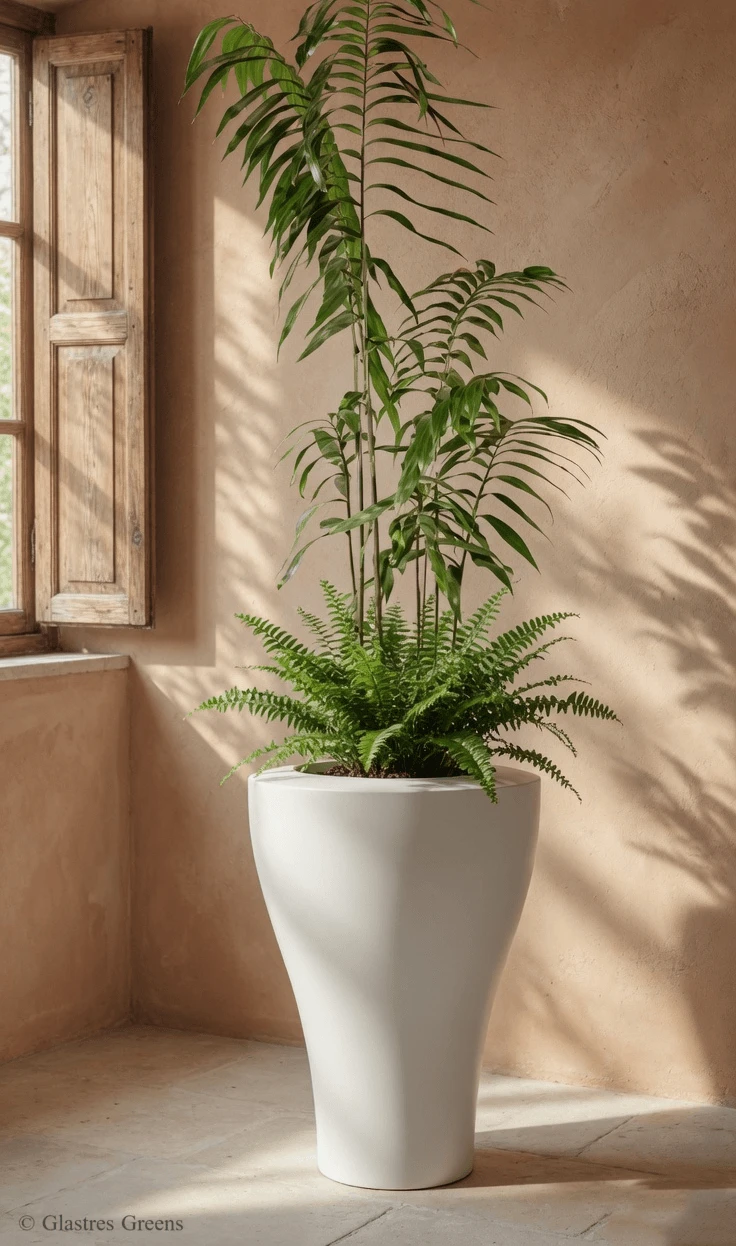
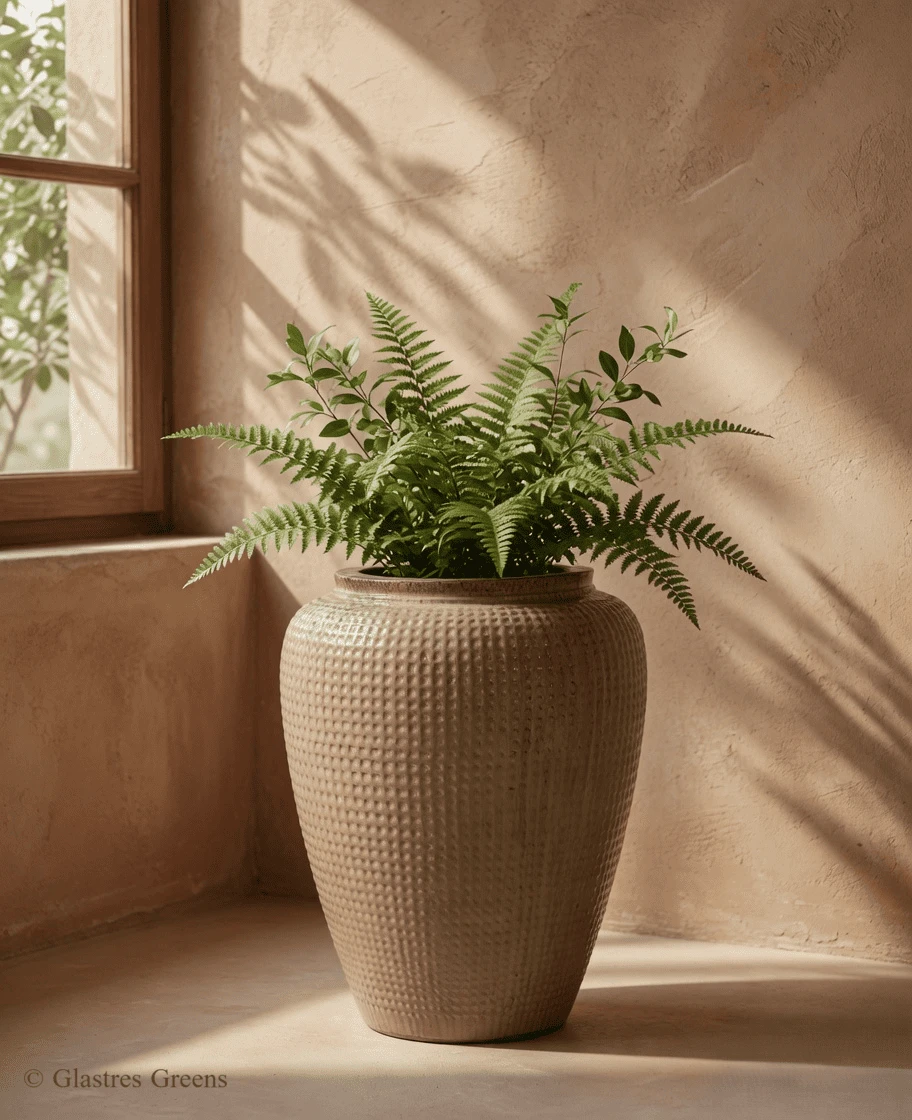
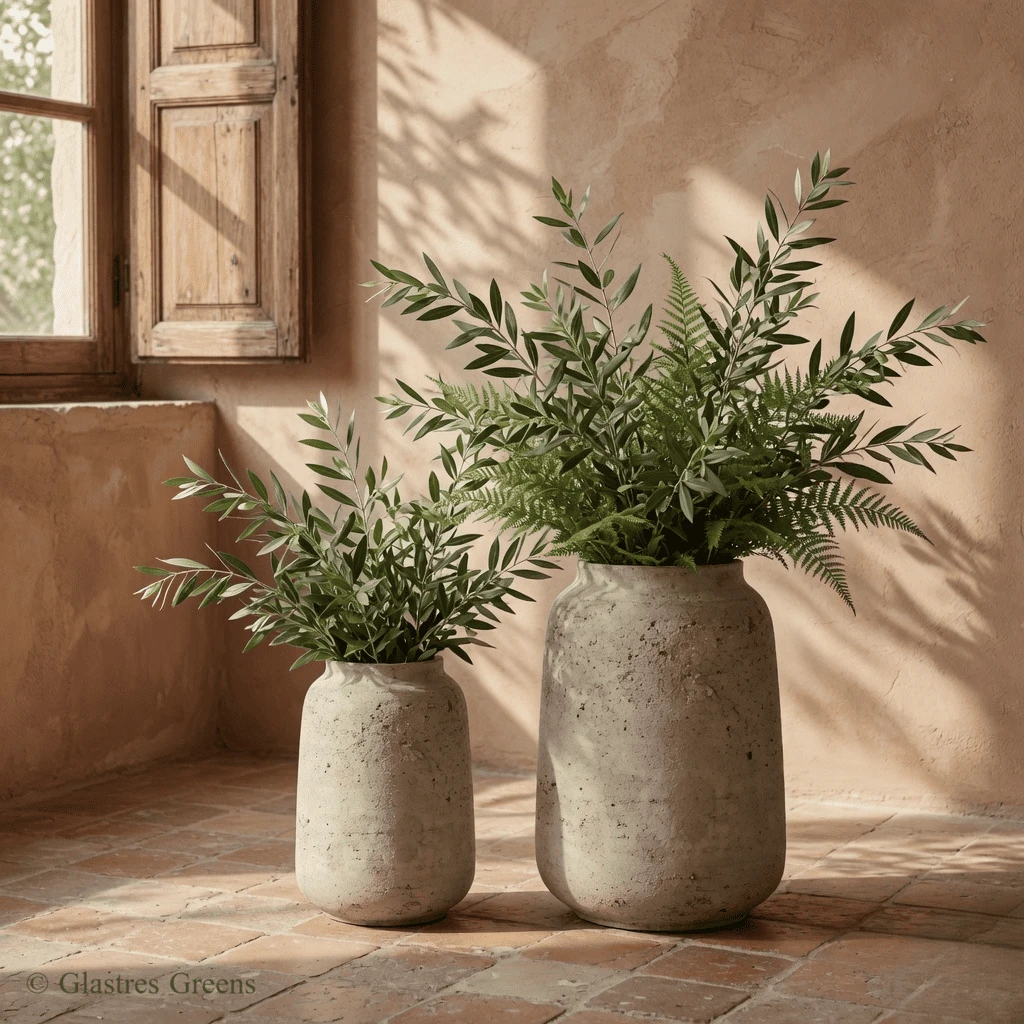
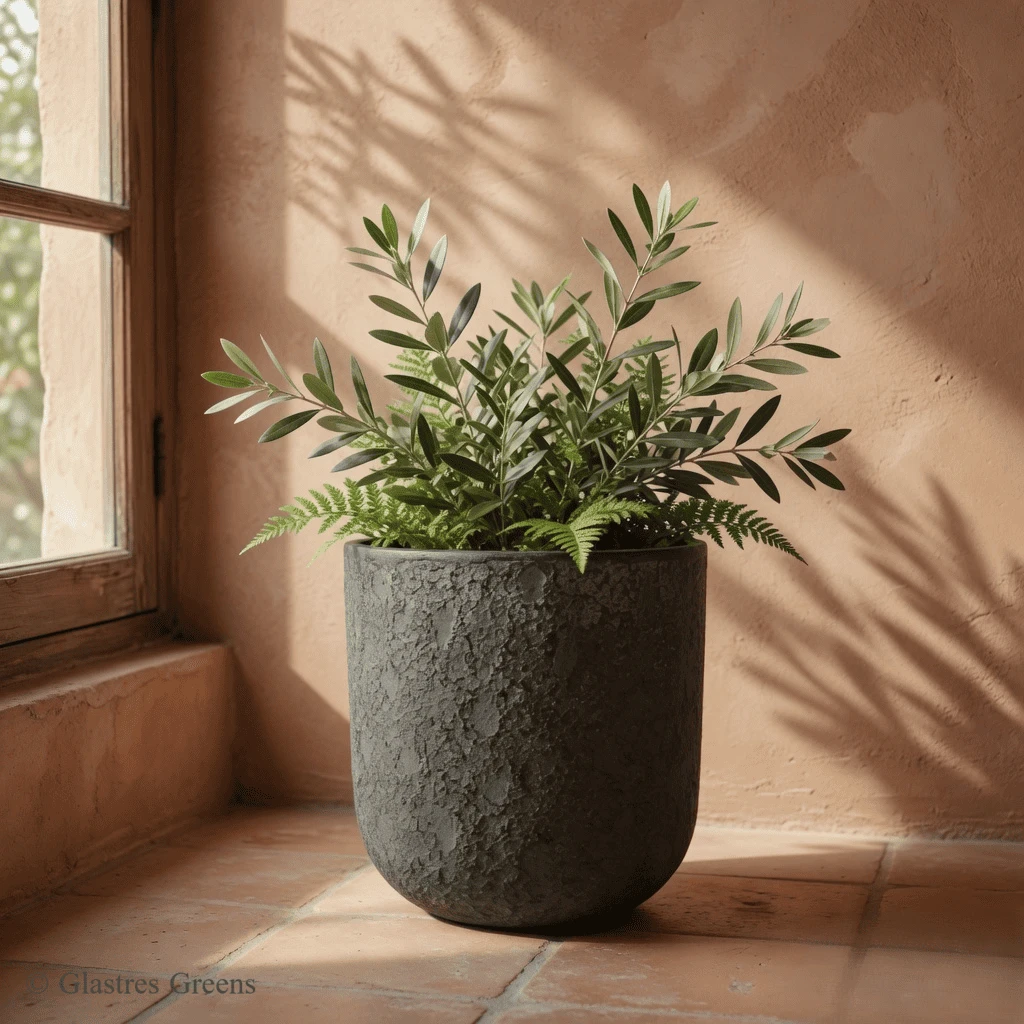
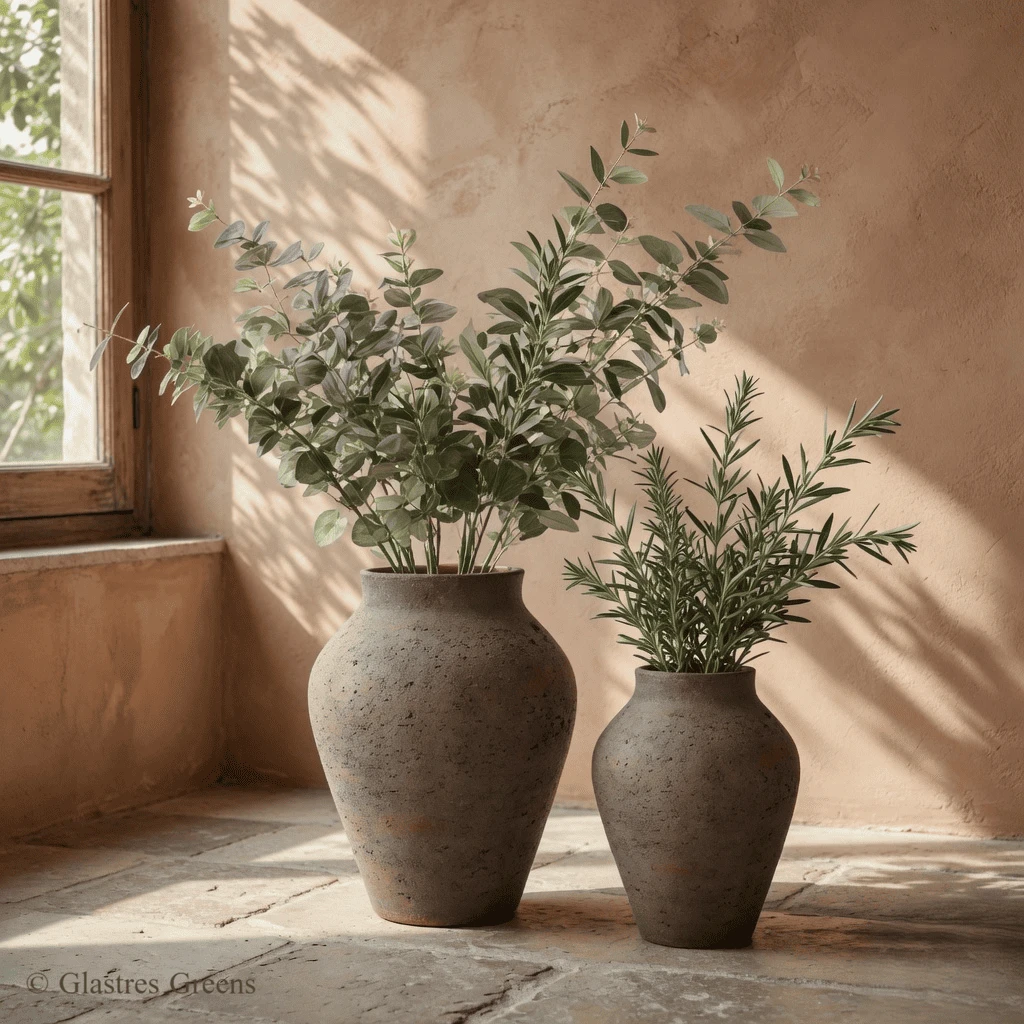
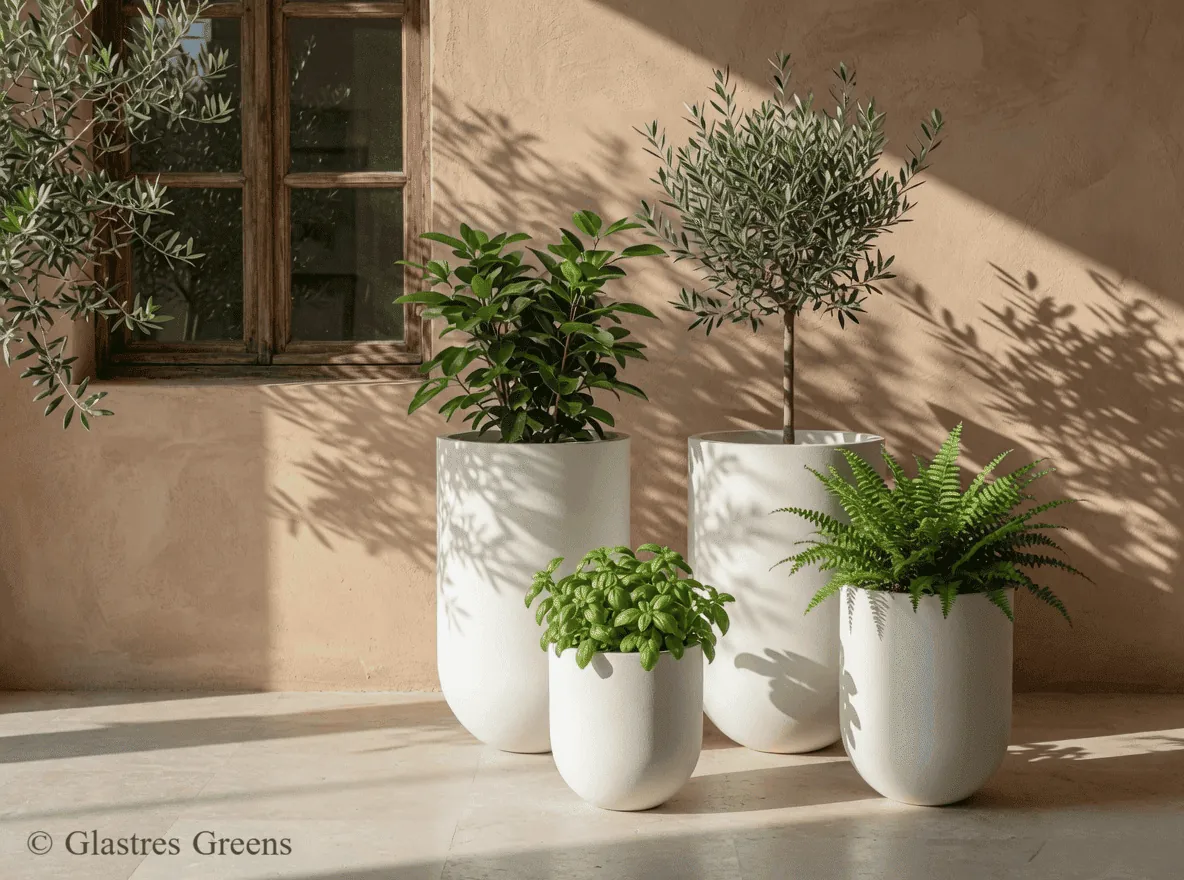
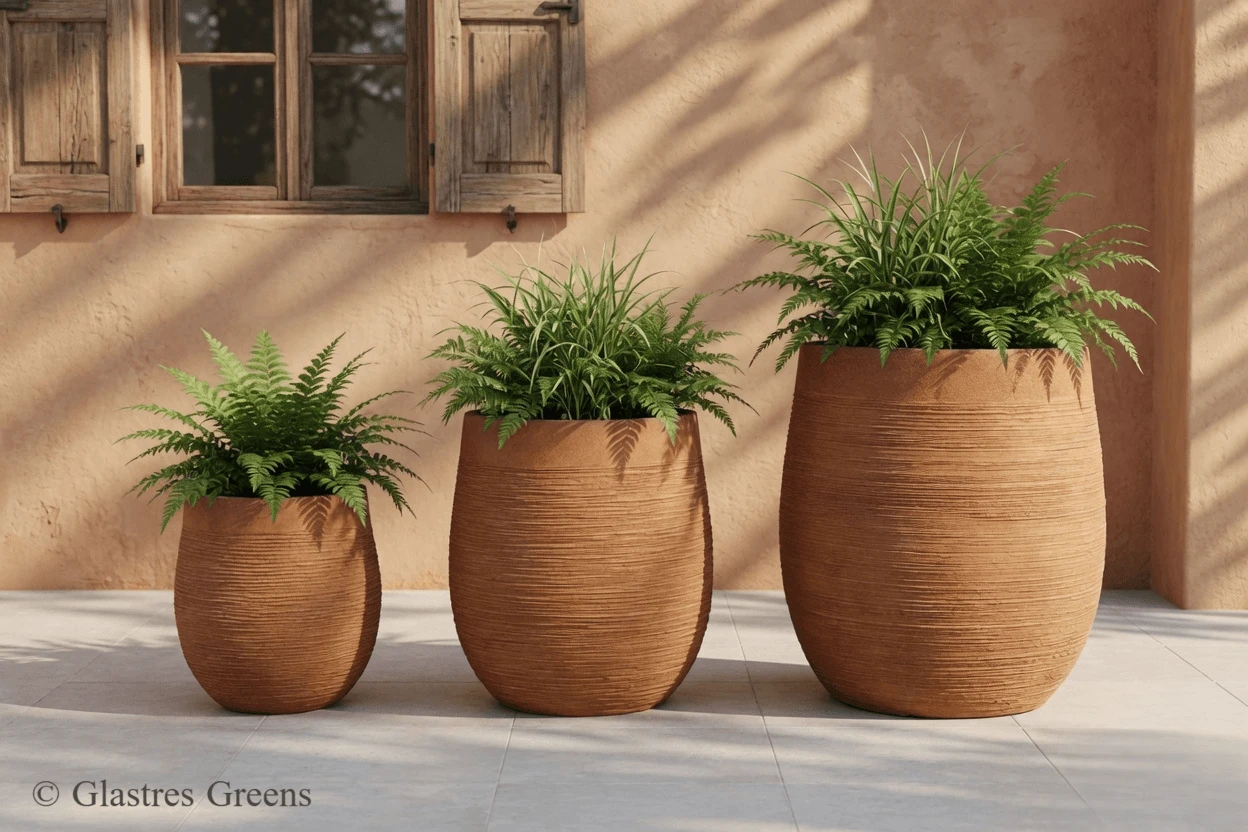
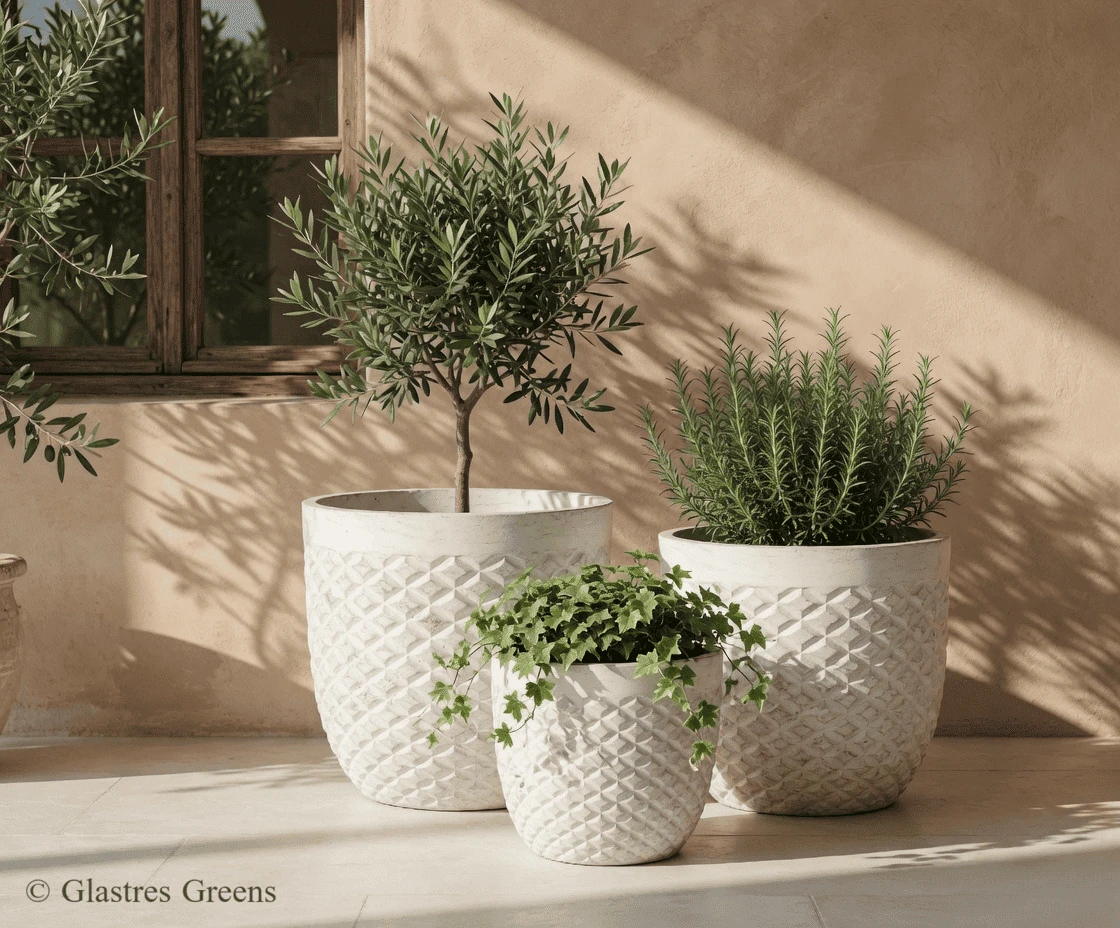
Signature Collections

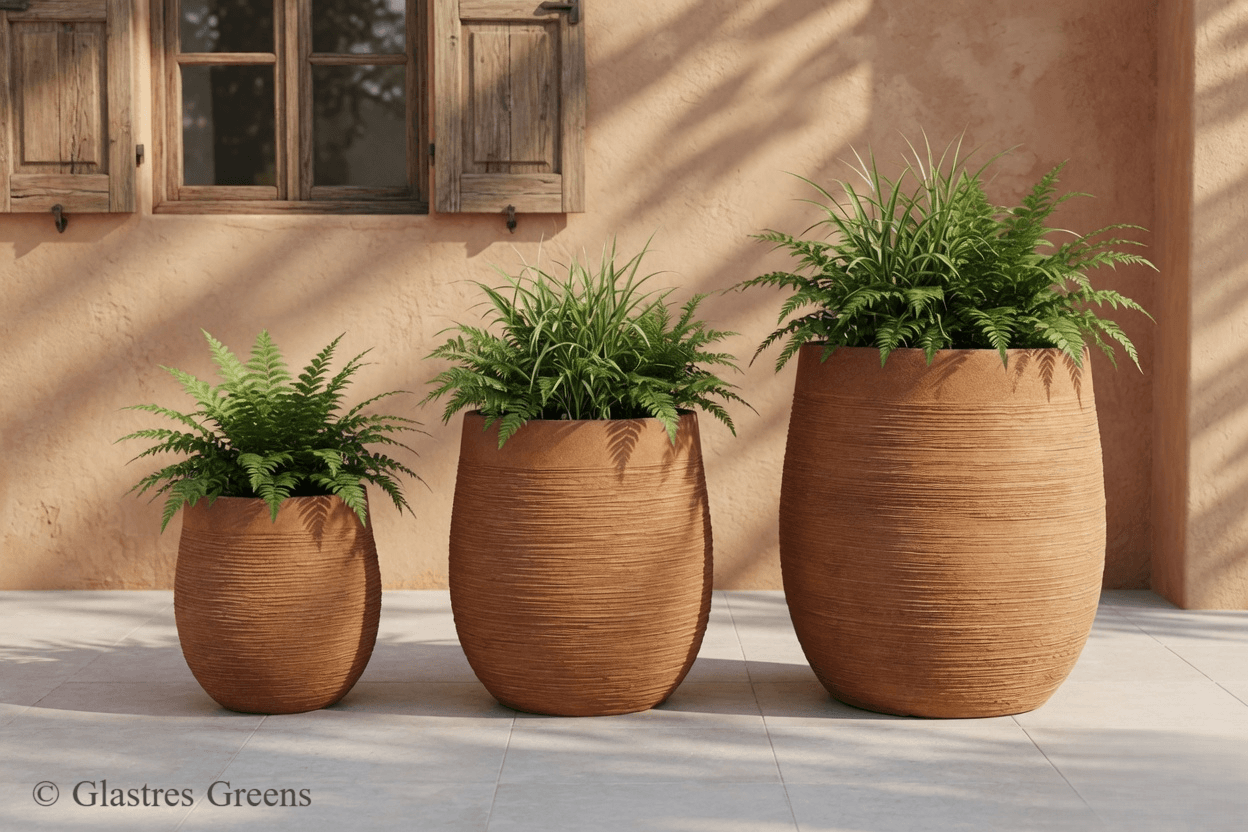
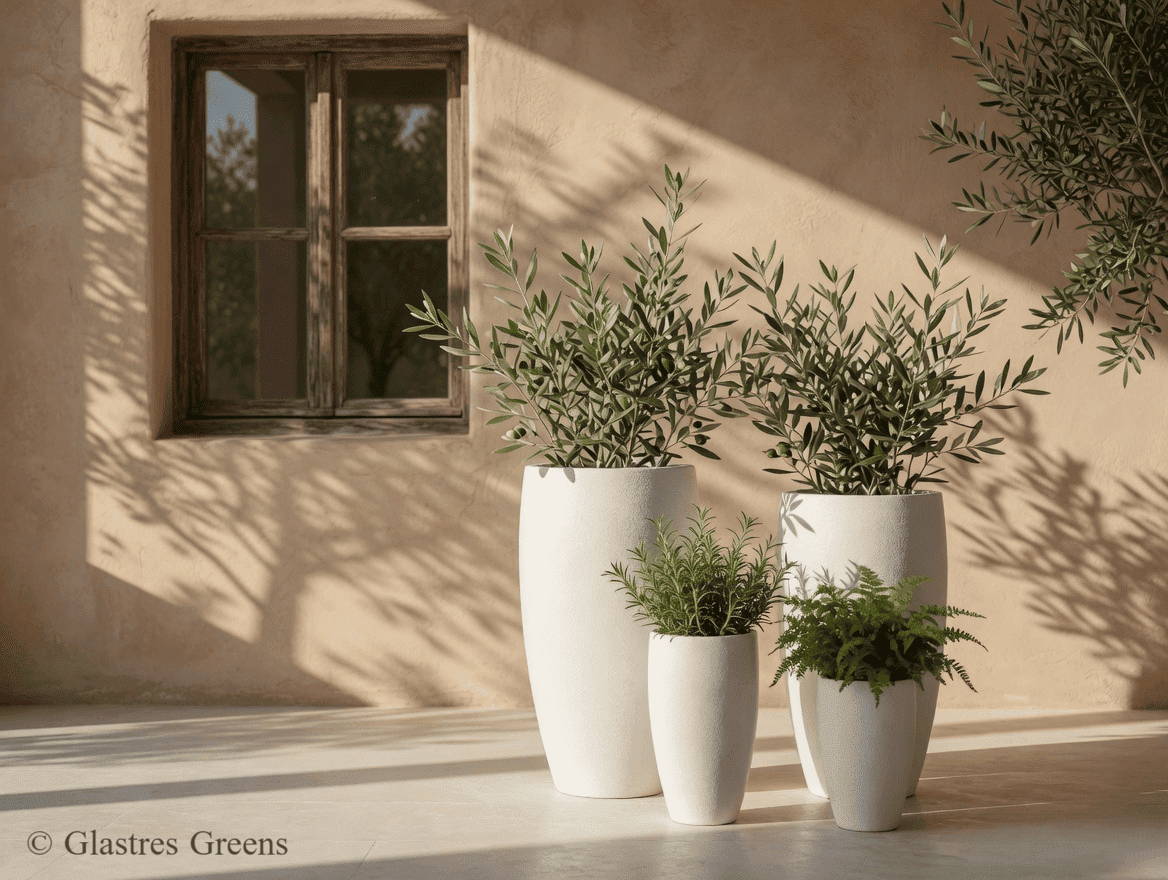
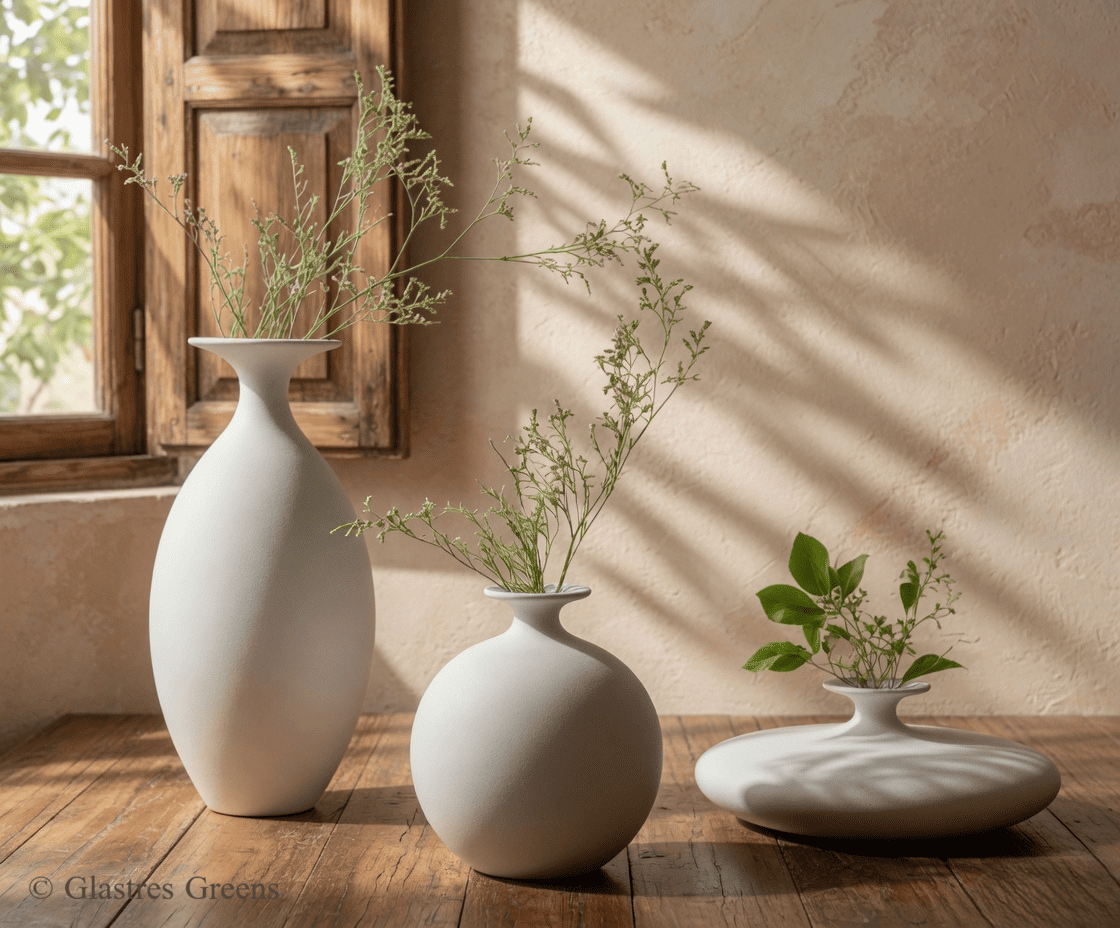
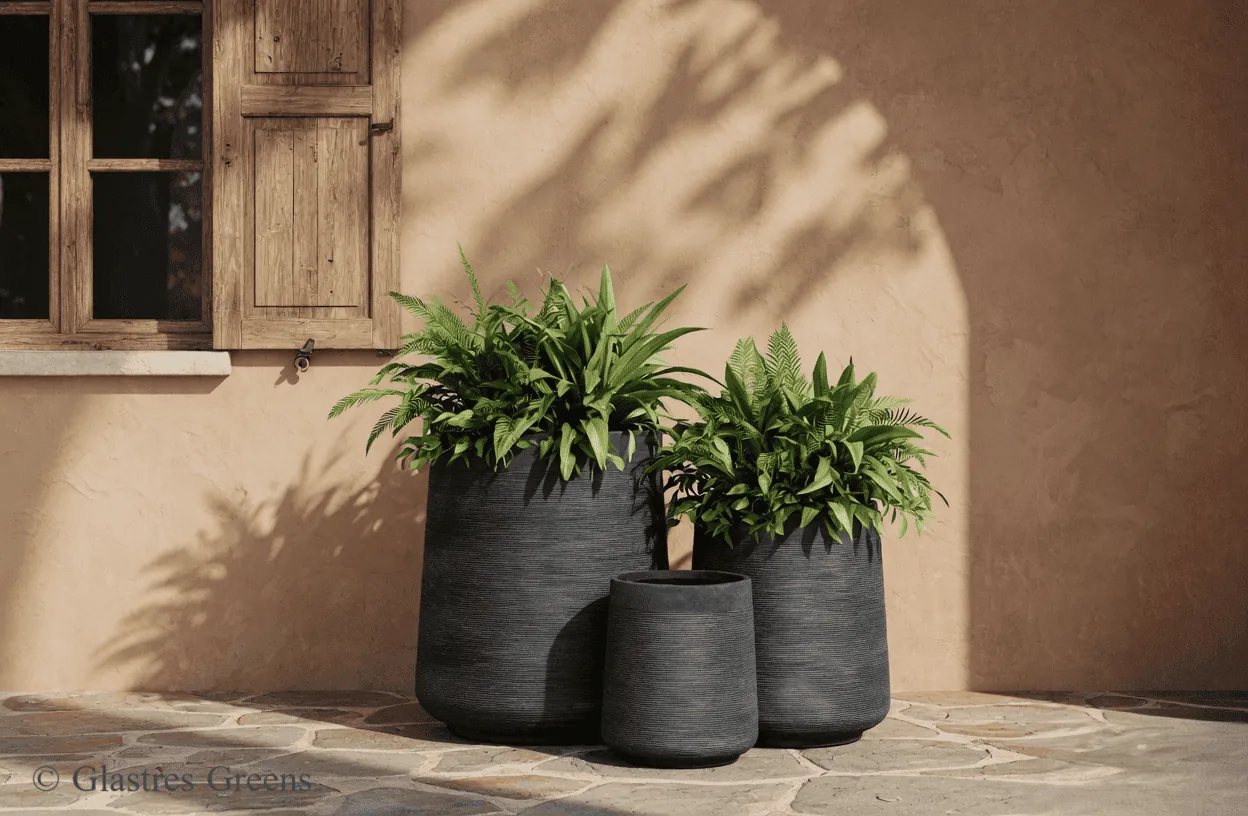
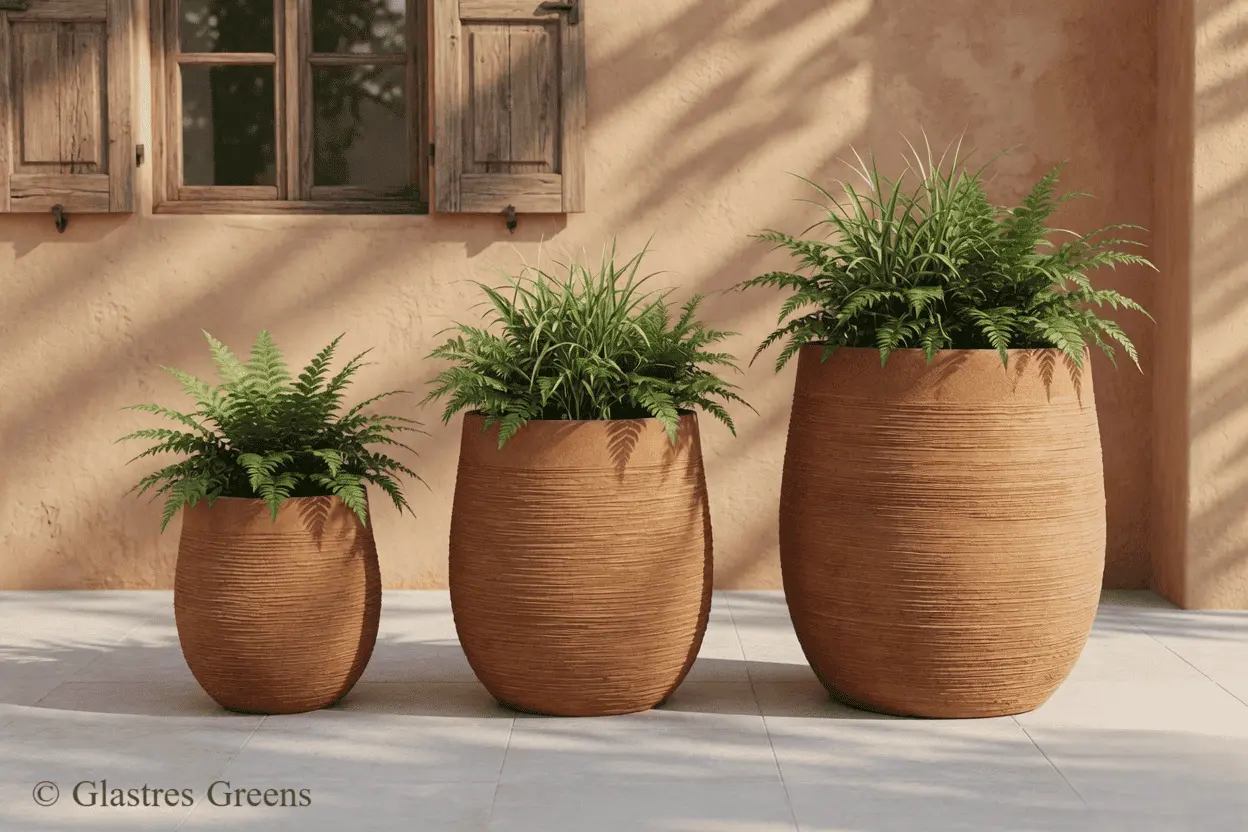
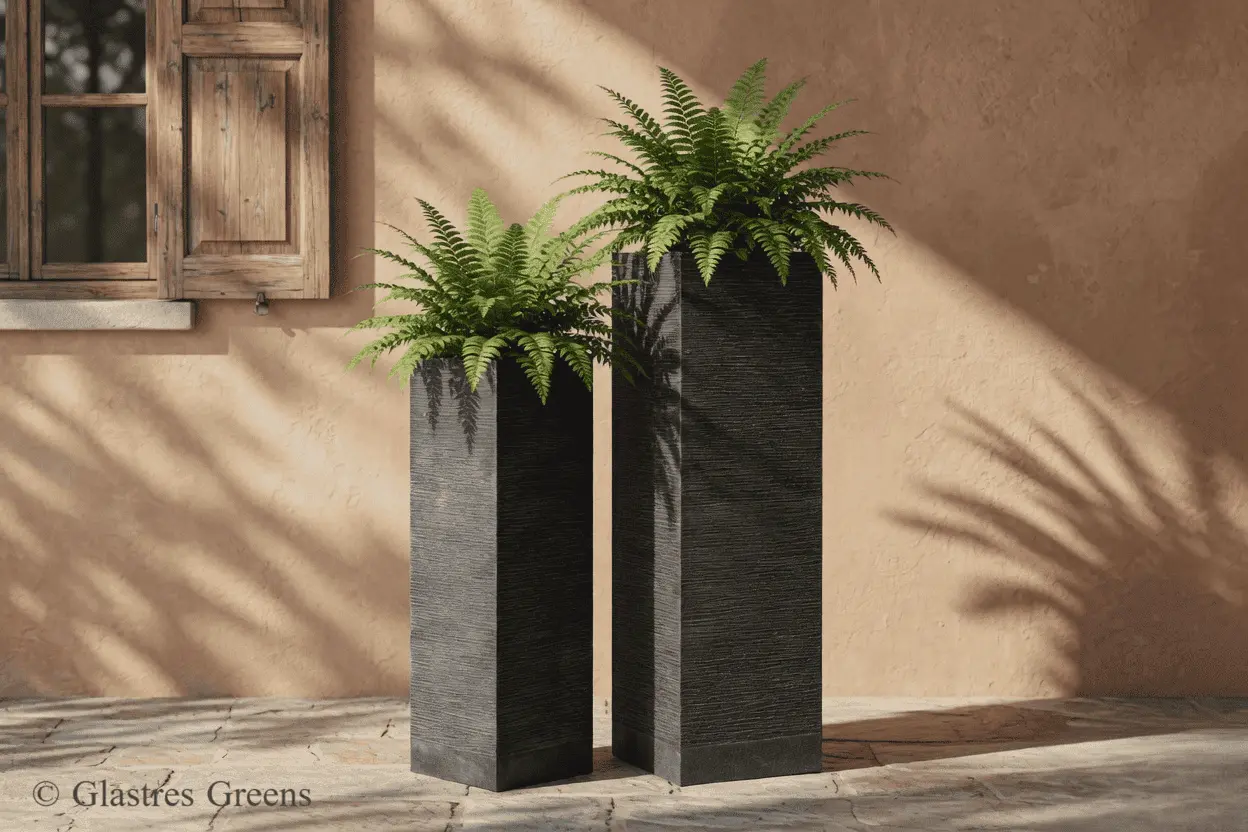
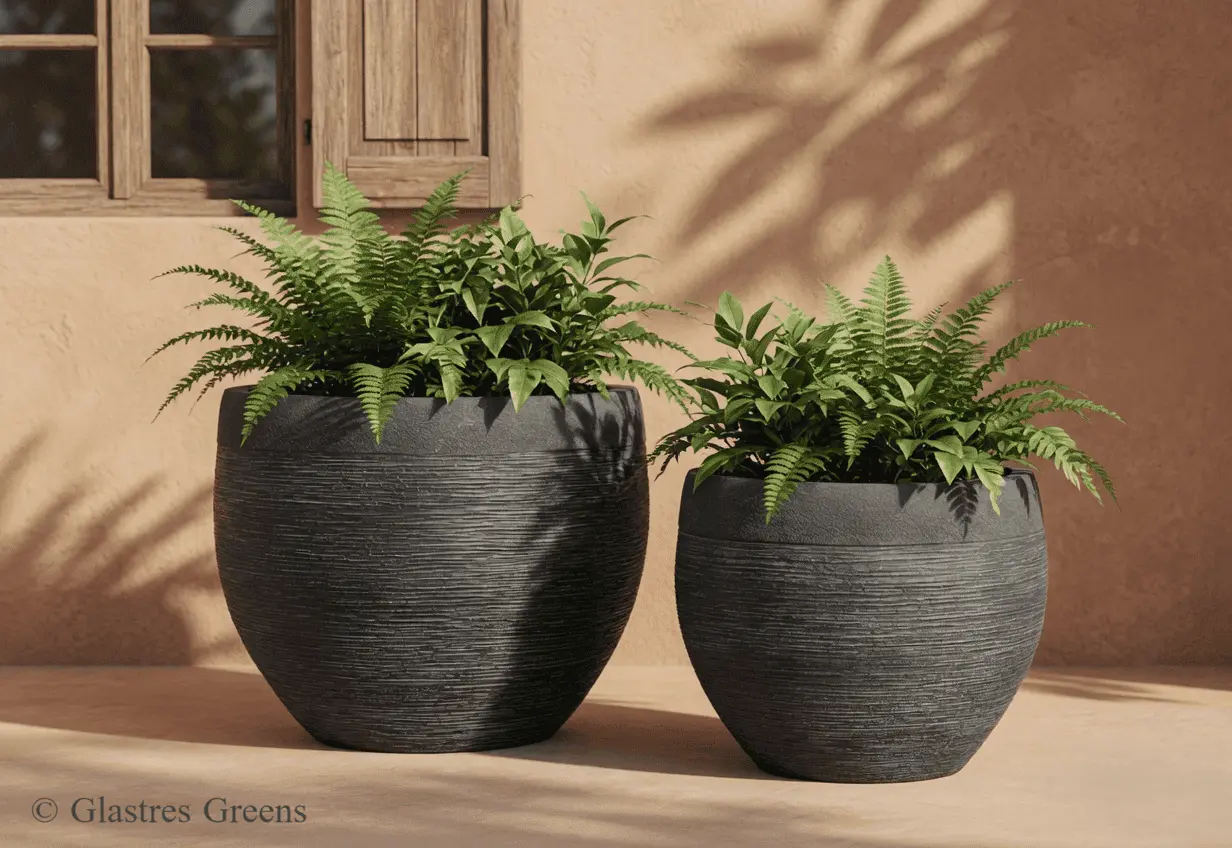
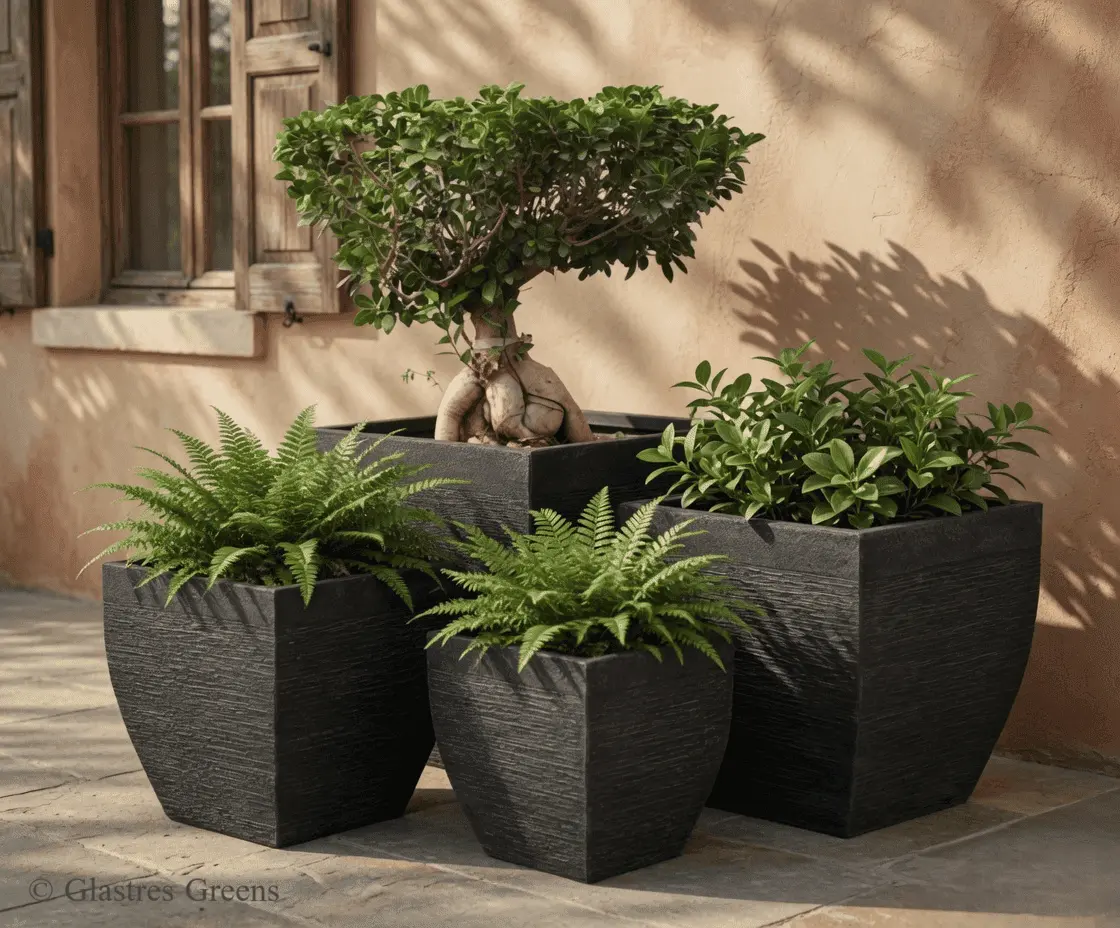
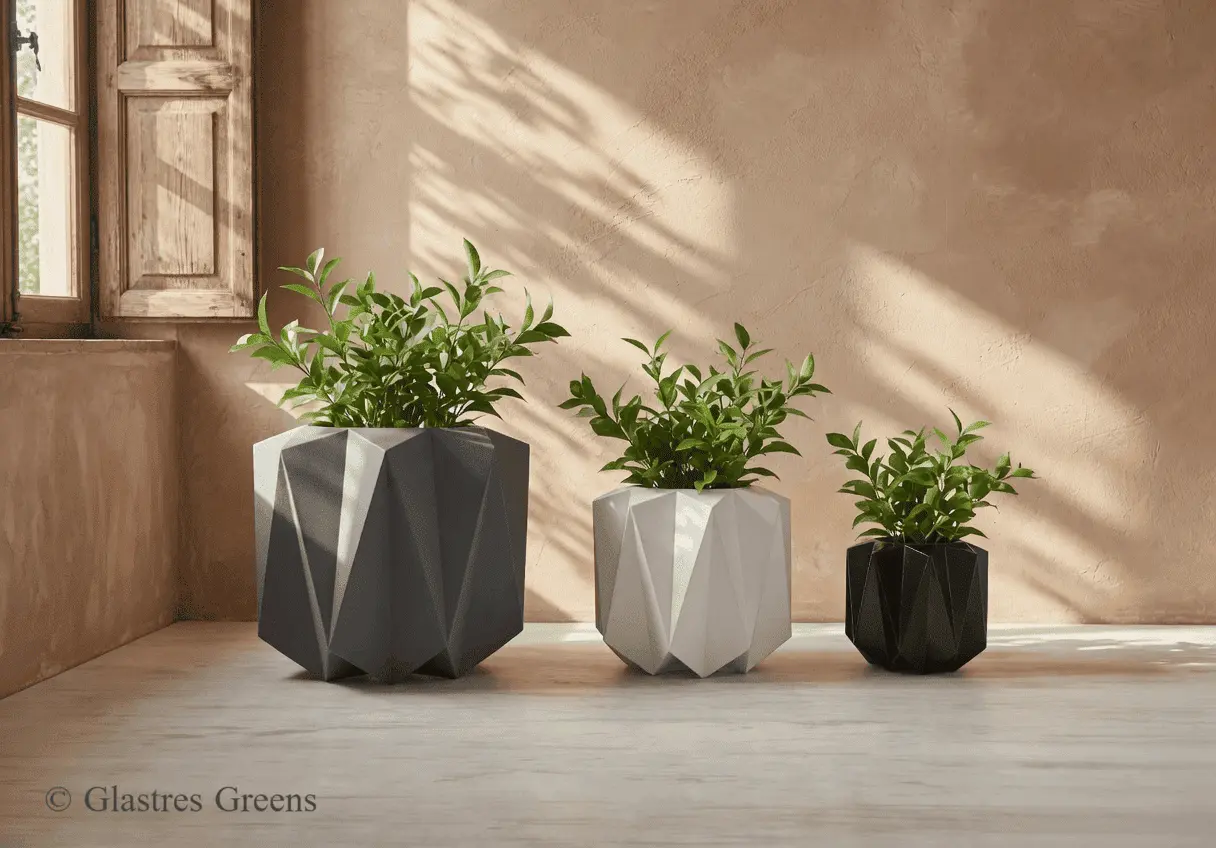
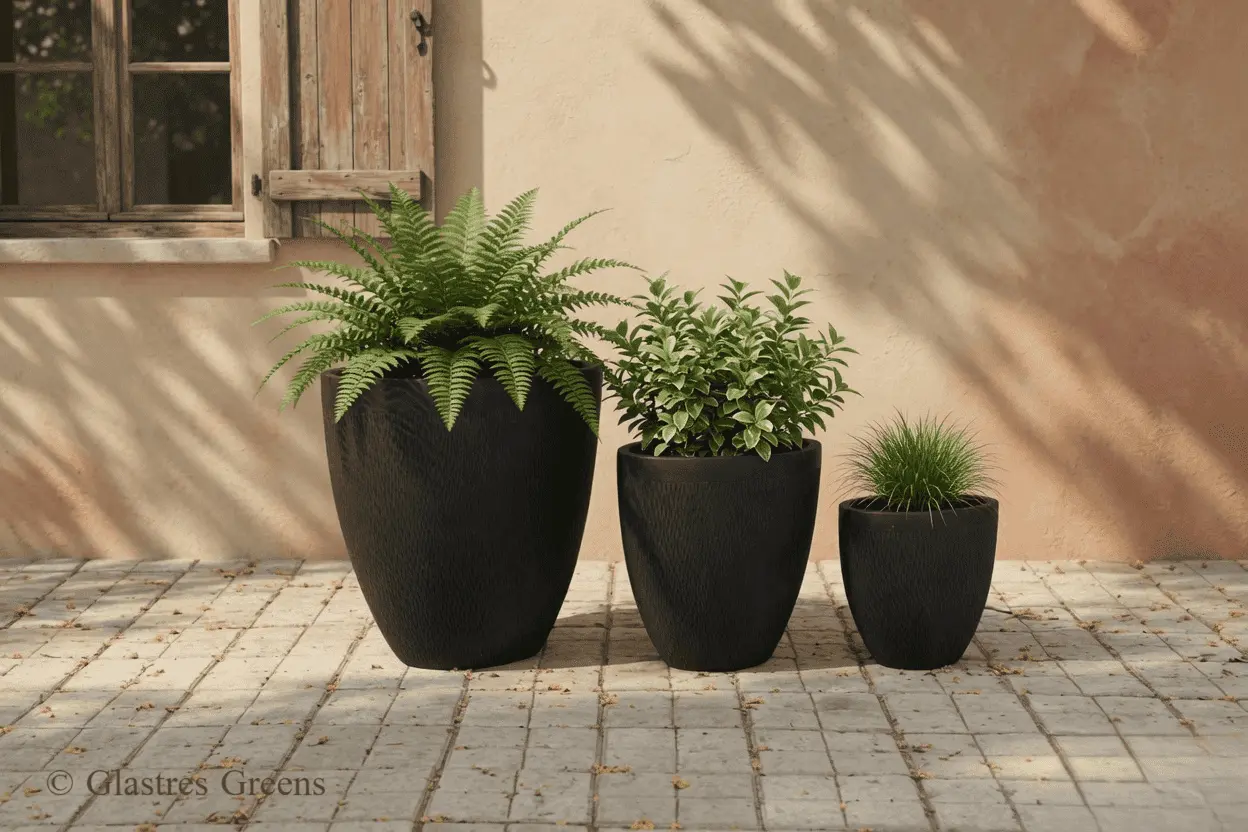
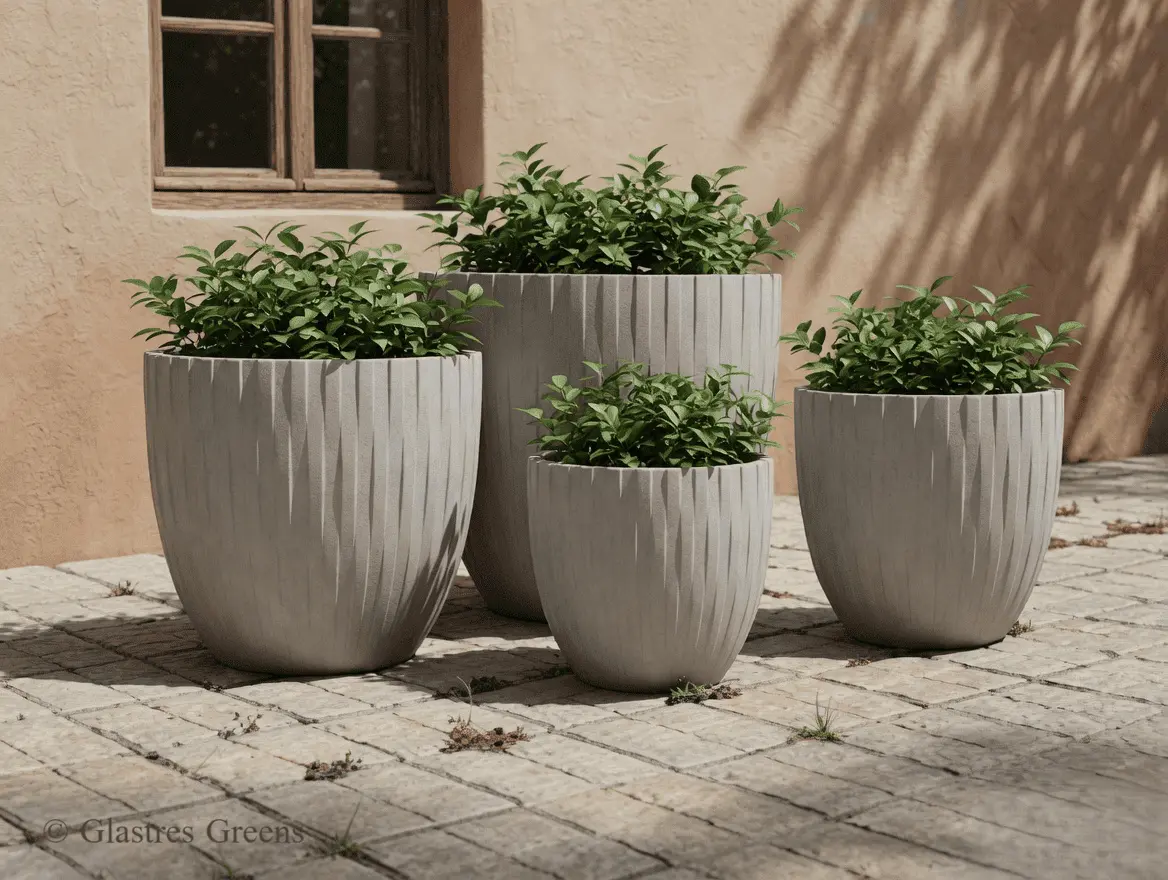
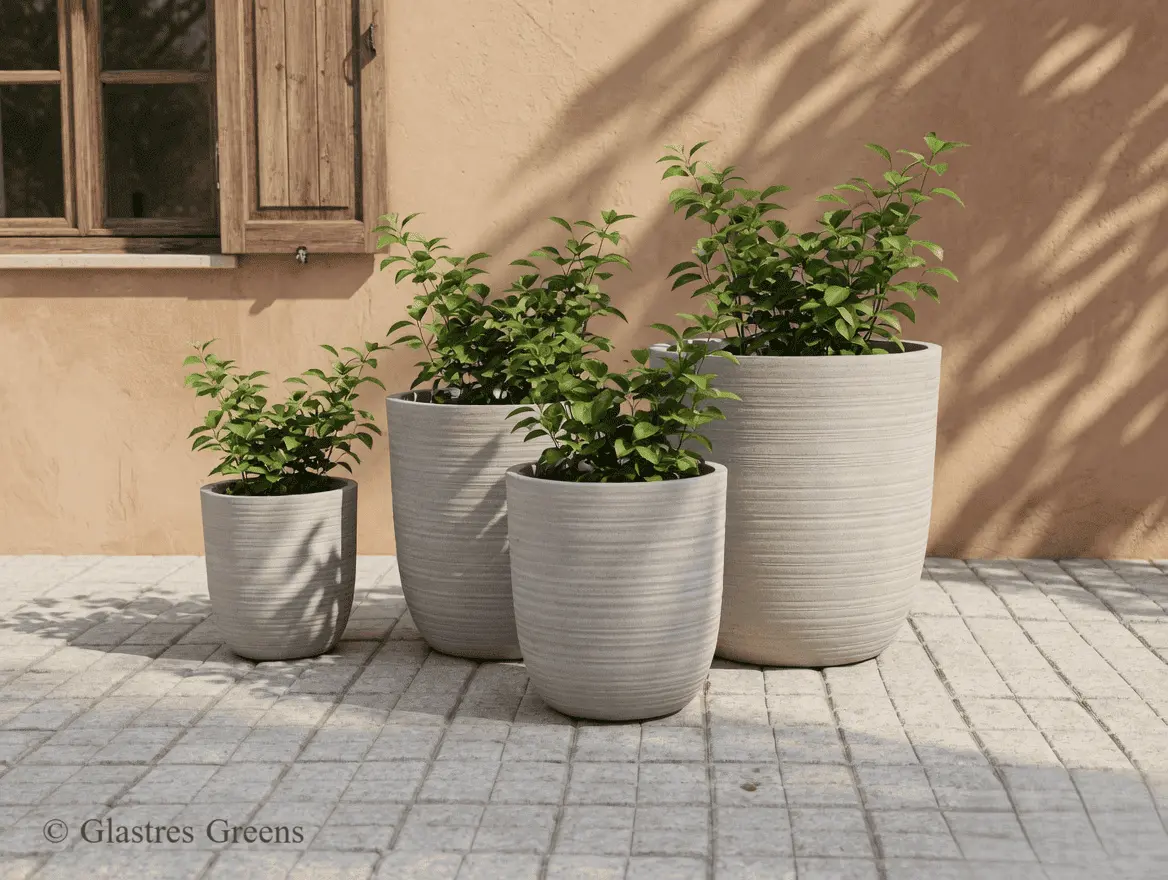
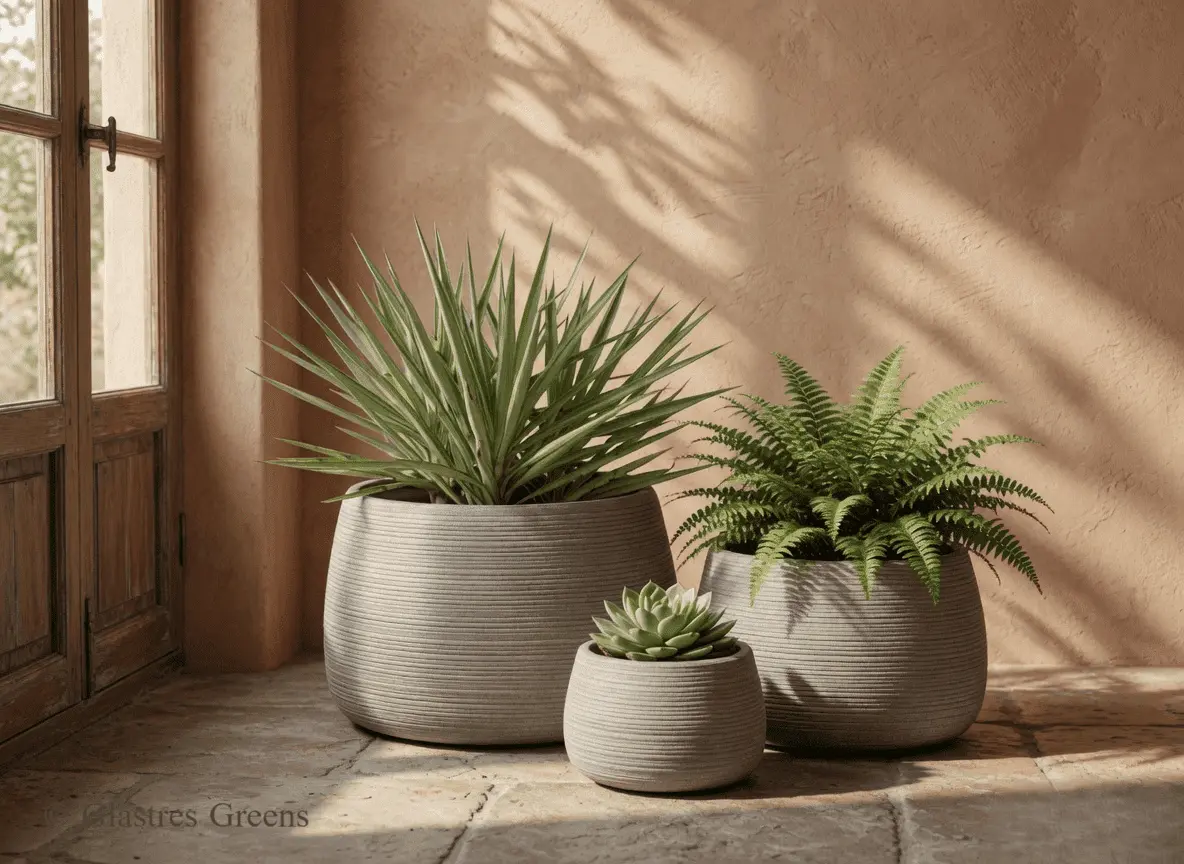
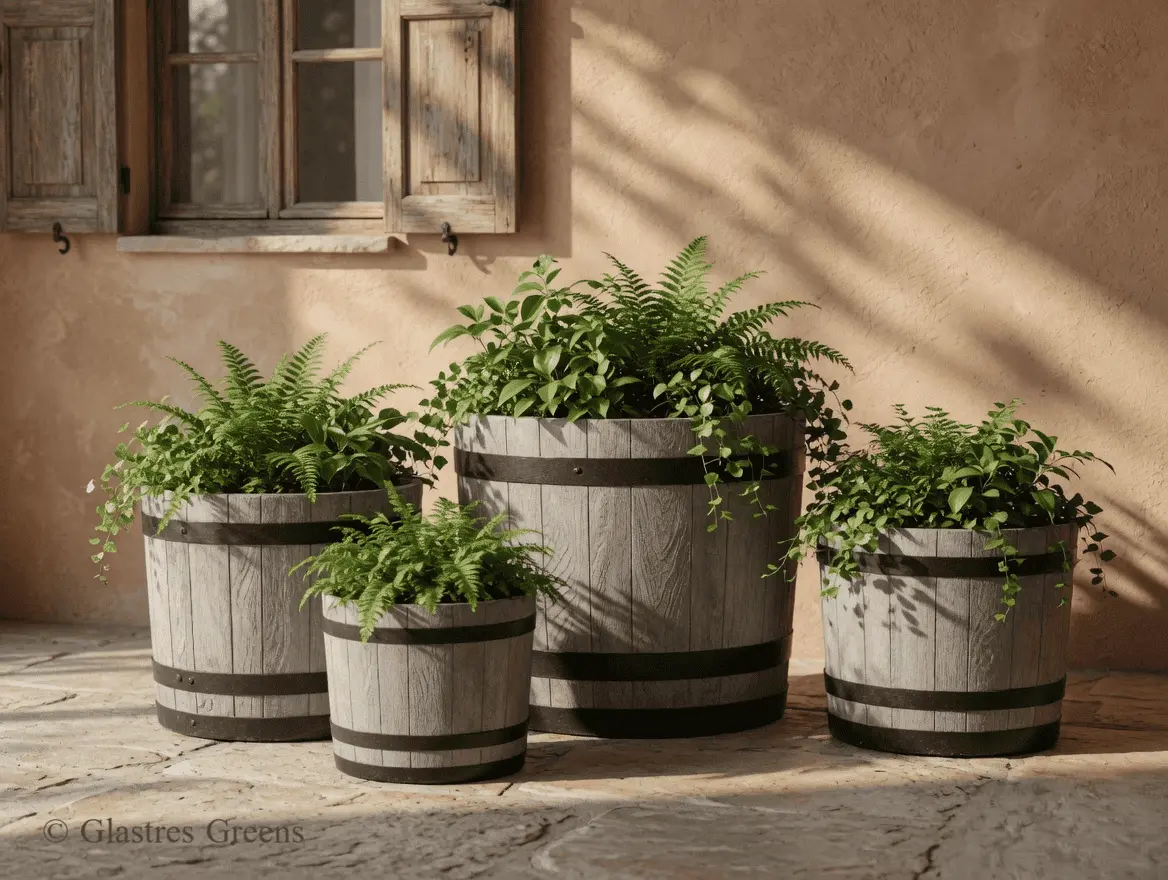
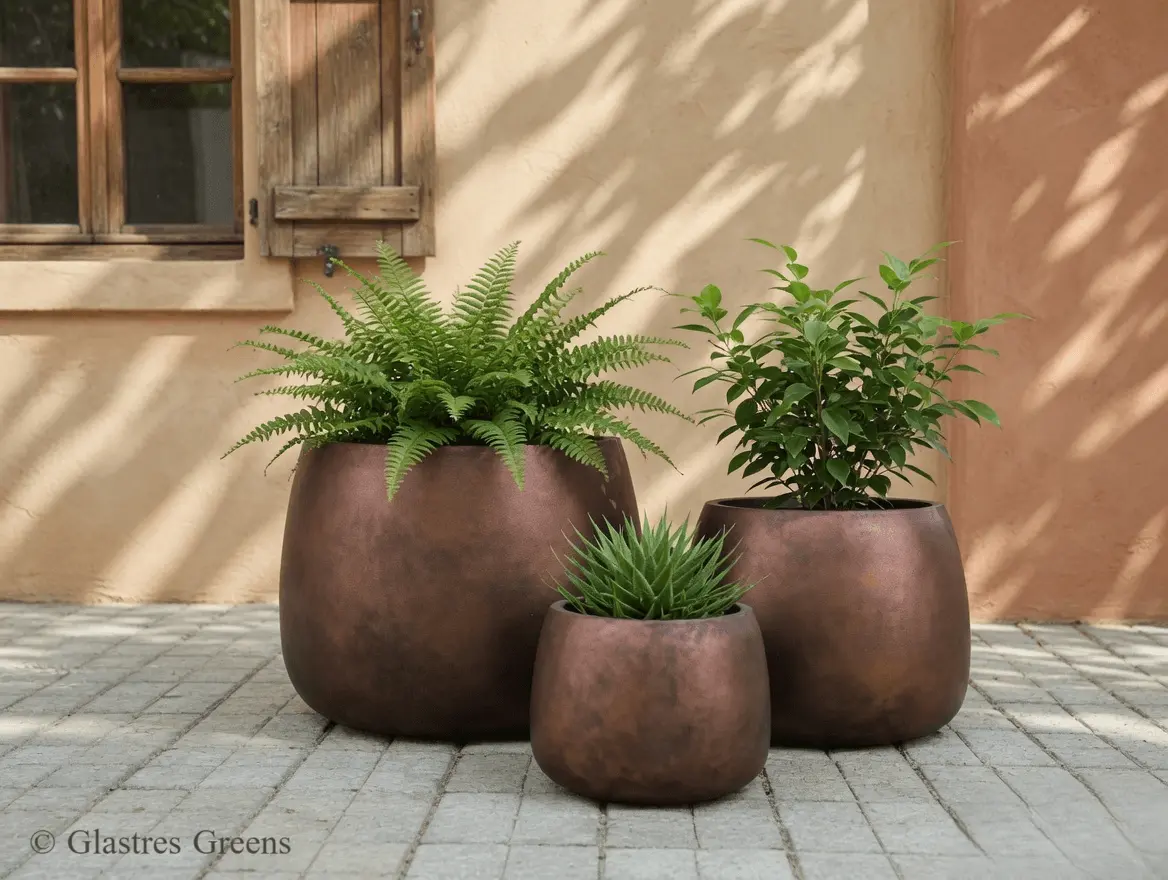
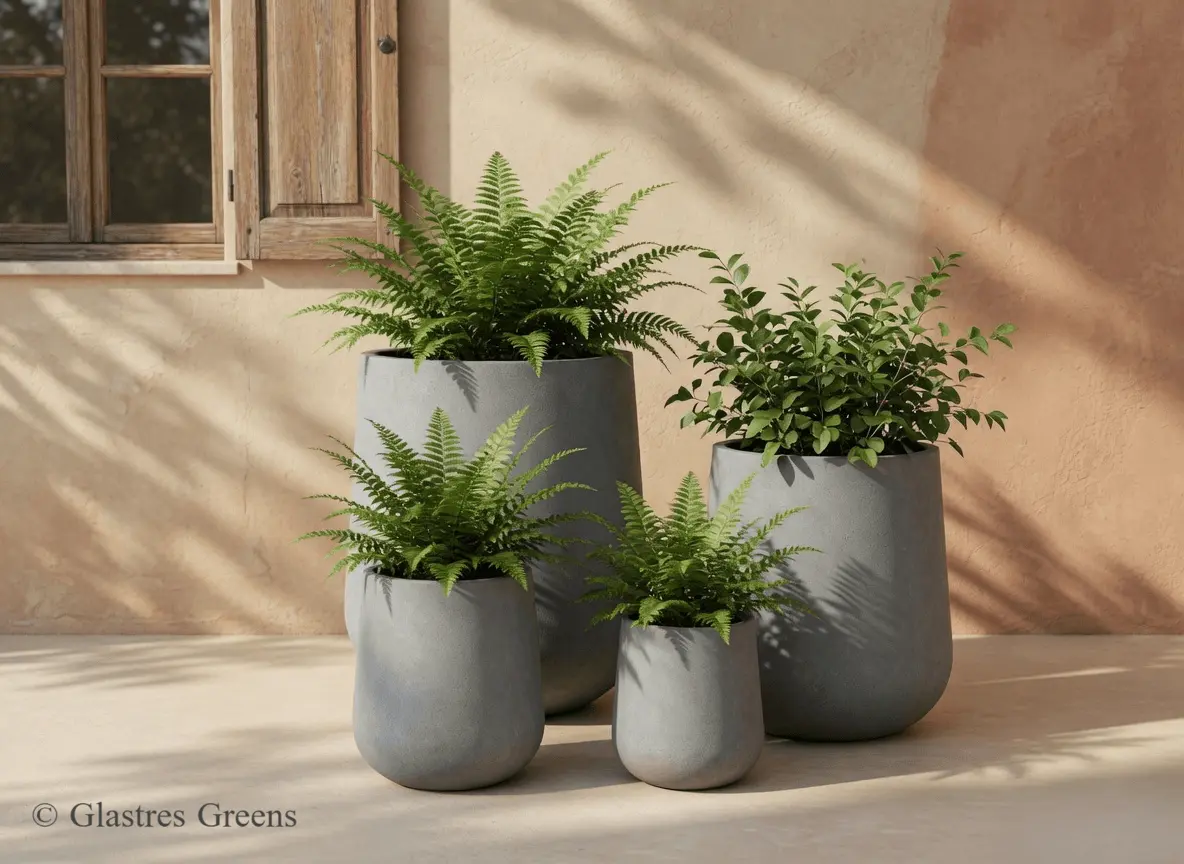
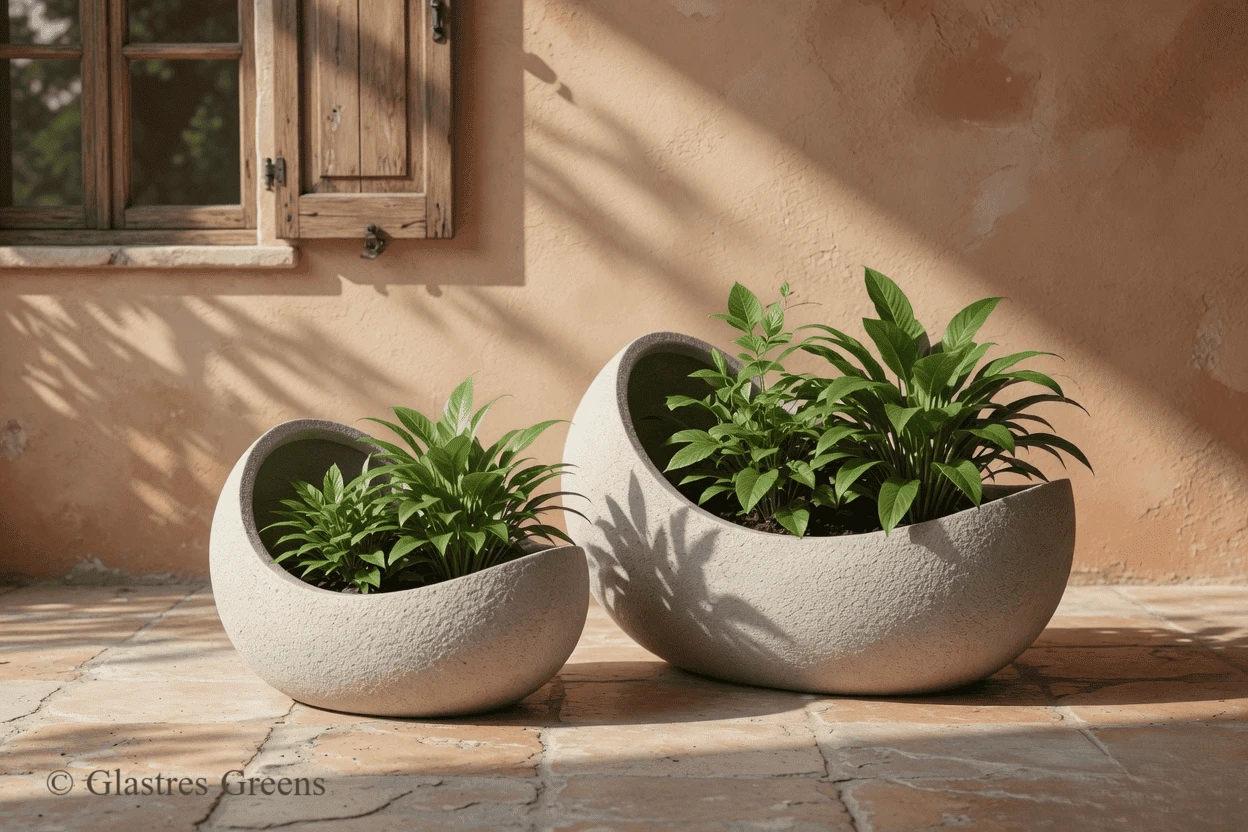
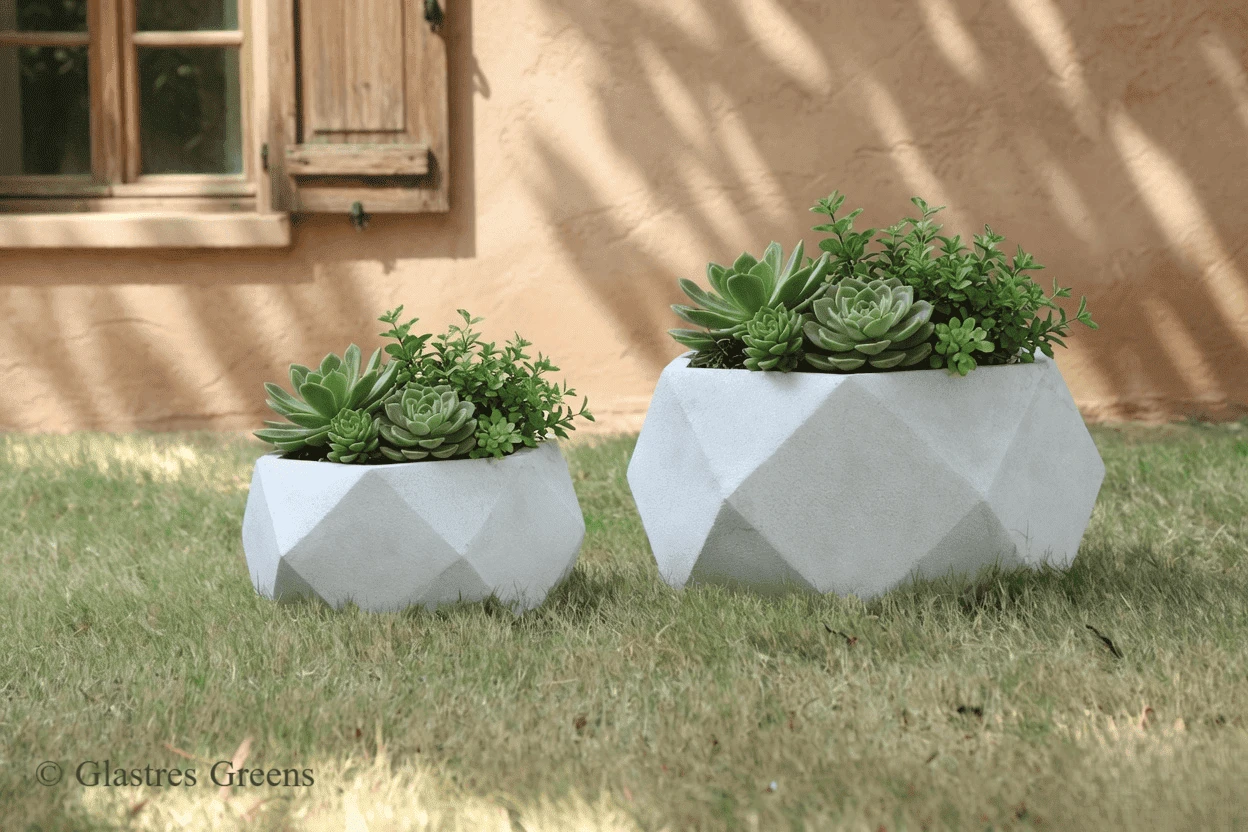
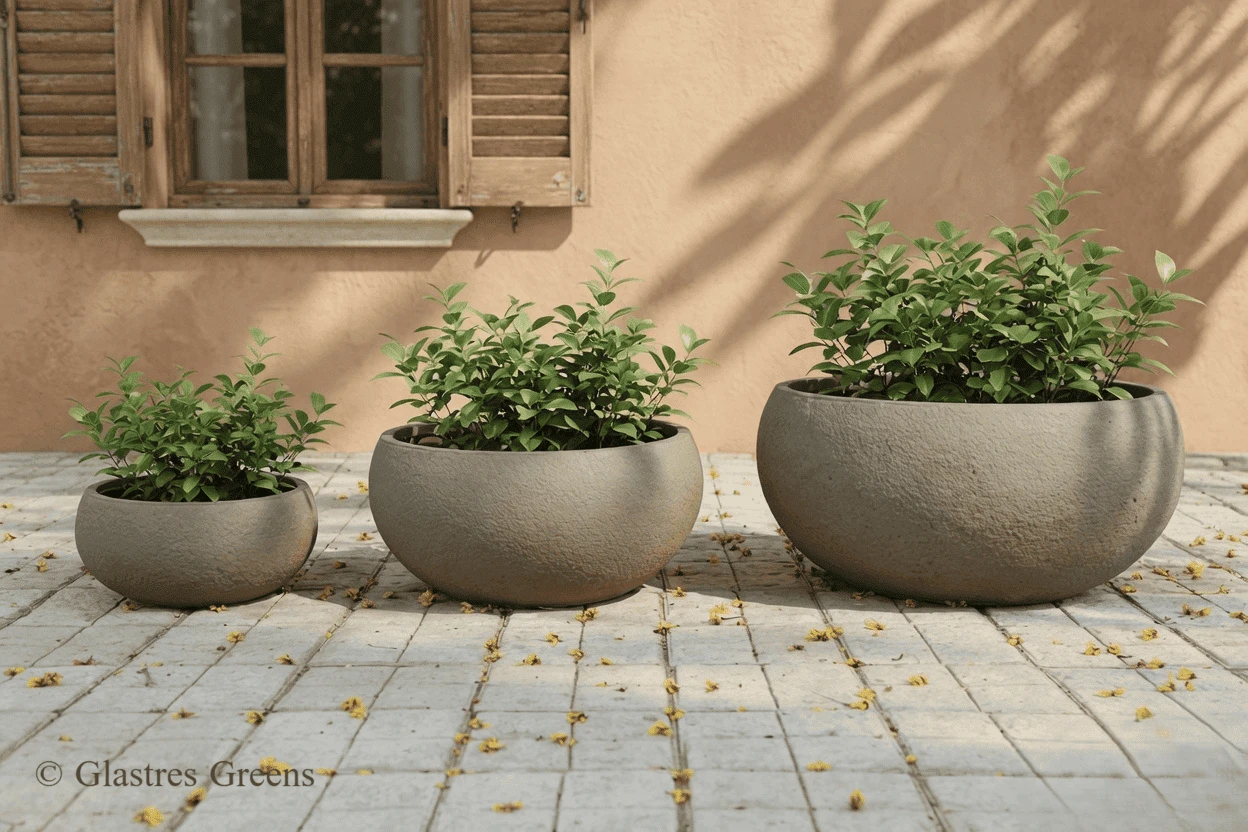
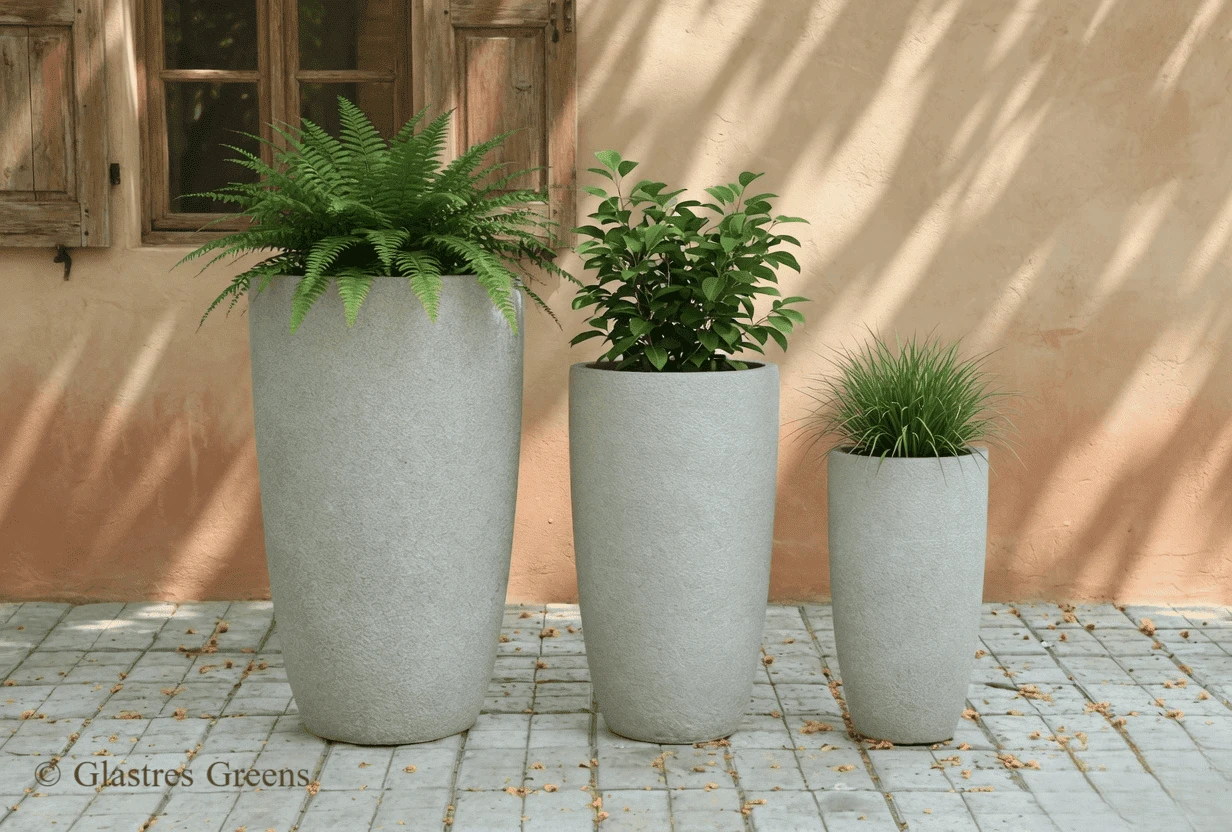
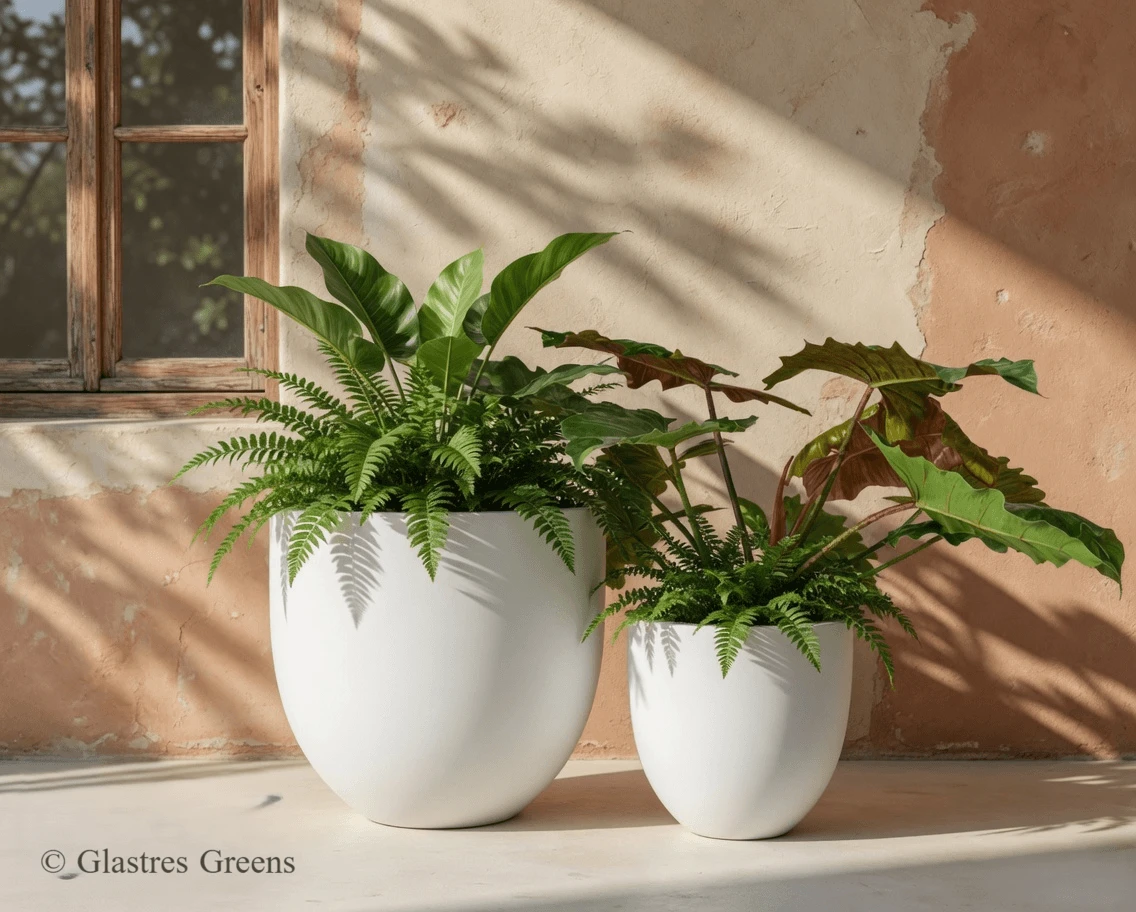
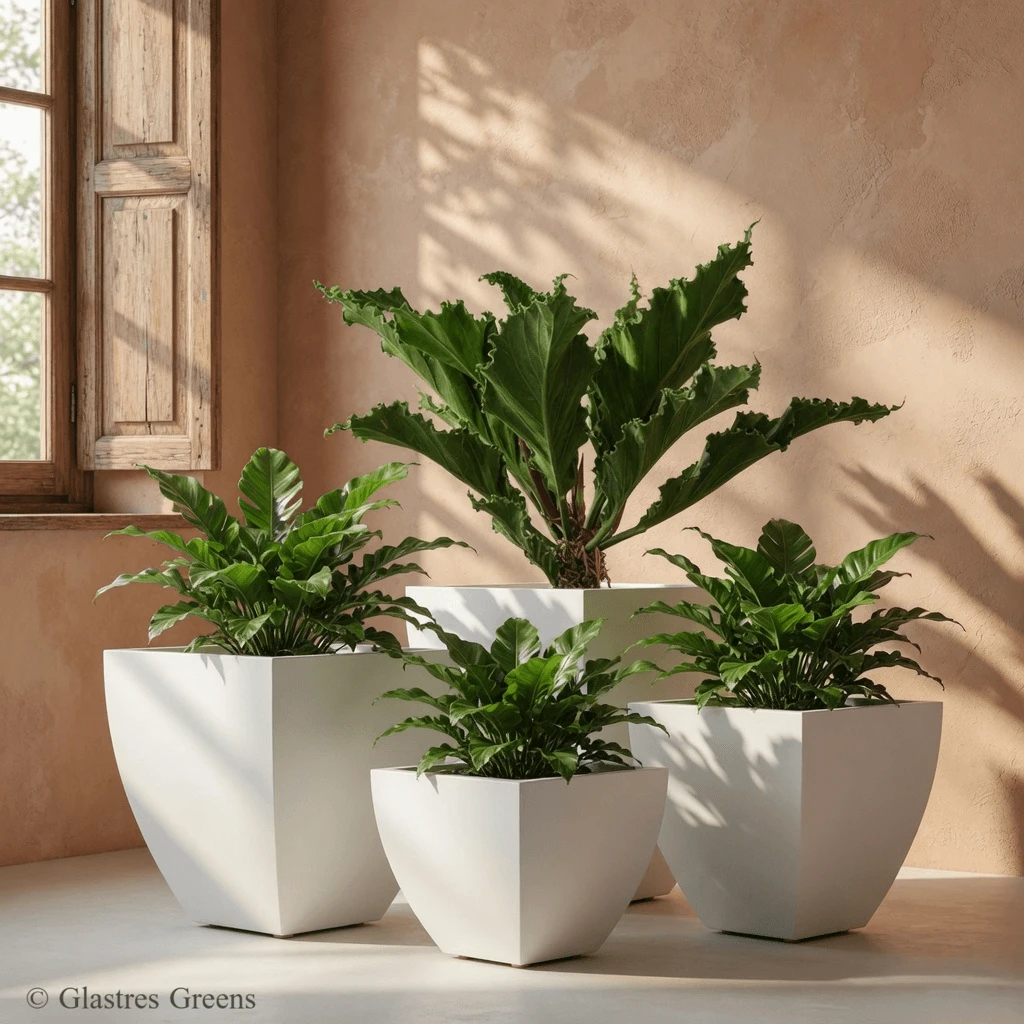
Four distinct ranges. 468+ designs.
Every piece engineered for India’s most demanding projects.
VIEW ALL 468+ DESIGNS

All collections available in custom finishes & colors • Manufactured in Bengaluru since 2010

THE MATERIAL REVOLUTION

Why the world’s best architects
have abandoned concrete.

For decades, concrete and stone dictated the limits of landscape architecture. Heavy. Brittle. Expensive to transport and install. Then came FRP.

Veritas Tall Architectural FRP Planter in a luxury hotel setting

"FRP allowed us to place 4-ton mature trees on a 12th-floor terrace that was never engineered for that load."

— Principal, International Landscape Architecture Firm, Bengaluru

Material Science & Engineering

What is FRP?
The DNA of Modern Architecture.

FRP stands for Fiberglass Reinforced Plastic. It is a highly advanced composite material formed by embedding woven glass fibers within a high-performance polymer matrix. The result is a structural material that challenges the very limits of scale, weight, and endurance in modern landscaping.

01

The Structural Core

Strands of high-tensile glass fibers are woven into a dense structural mat. This skeletal core gives the planter its immense load-bearing capacity and impact resistance, allowing it to contain hundreds of kilos of wet soil and extensive root systems without bowing or cracking.

02

The Polymer Matrix

The fiberglass skeleton is completely saturated in a premium thermosetting resin. Once cured, this matrix locks the fibers into a rigid, 100% waterproof shape that is entirely impervious to rot, rust, and biological degradation over decades of use.

03

Marine-Grade Gelcoat

The outermost layer utilizes a specialized, UV-stabilized gelcoat—the exact same hydrodynamic technology used on the hulls of luxury yachts. This provides a flawless aesthetic finish while acting as an impenetrable shield against extreme sun and monsoons.

Why Architects Specify FRP

The technical advantages driving the shift away from concrete and terracotta.

Unmatched Strength-to-Weight

FRP possesses a higher strength-to-weight ratio than steel or concrete. It is up to 70% lighter than traditional stone, drastically reducing dead load calculations on cantilevered balconies, high-rise terraces, and elevated decks.

Thermal & Climatic Defiance

Unlike plastic that turns brittle, or concrete that cracks under thermal expansion, FRP has a near-zero coefficient of thermal expansion. It performs flawlessly from desert heatwaves to freezing altitudes without structural fatigue.

Zero Moisture Transmission

FRP is completely impermeable. It stops water from weeping through the walls, entirely preventing unsightly efflorescence (white salt stains) and protecting luxury flooring in high-end corporate interiors.

Monumental Scalability

Because it is moulded rather than cast, FRP can be scaled to massive proportions (like 12-foot trough planters for hotel lobbies) in continuous, seamless pieces that would be impossible to create in concrete without severe structural cracking.

HANDCRAFTED IN BENGALURU • STUDIO CURATED

Signature Collection.
Seen in the world’s finest spaces.

Discover the definitive collection of 468+ premium FRP planters. Combining zero-maintenance weatherproof technology with exquisite bespoke finishes, every architectural fiberglass pot is masterfully crafted to redefine India's most prestigious spaces.

PROJECTS ACROSS INDIA

Signature Installations

Featured Project
HOSPITALITY Goa, India

Coastal Luxury Resort

Over 150 wind-engineered architectural planters installed across high-exposure coastal terraces and infinity pools.

BROWSE PROJECTS
120+ Installed
Coastal Luxury Resort
Goa • Hospitality
150+ planters
High-Rise Penthouse Terrace
Bengaluru • Rooftop
40th Floor • 80+ planters
Private Luxury Villa
Alibaug • Luxury Villa
65+ custom planters
Heritage Luxury Resort
Rajasthan • Hospitality
120+ planters
Corporate Campus Plaza
Hyderabad • Institutional
200+ linear planters
Urban Rooftop Hotel
Mumbai • Hospitality
95+ planters
VIEW ALL PROJECTS →
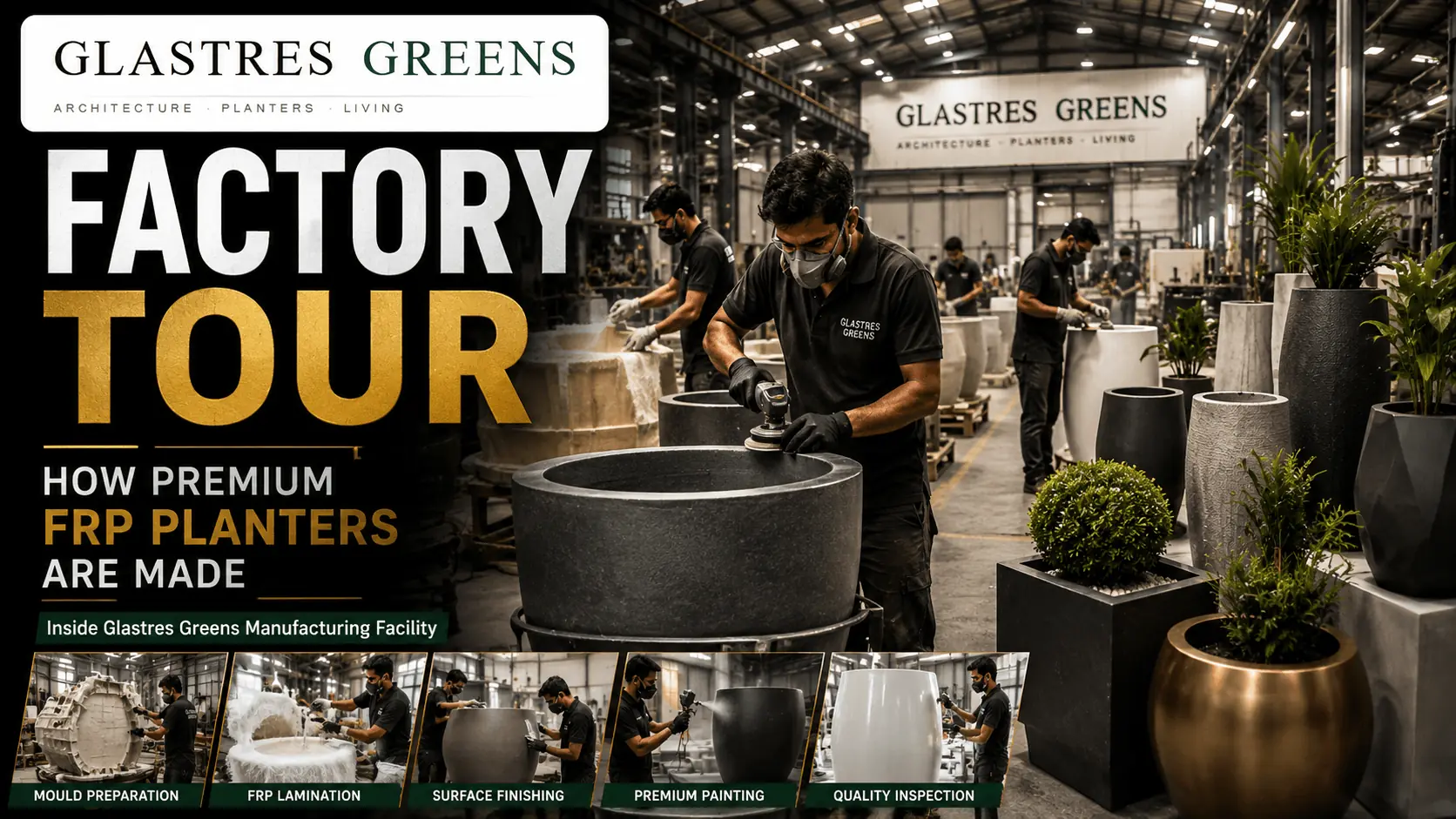
Our Craftsmanship

State-of-the-Art Manufacturing in Bangalore

Each planter at Glastres Greens is carefully crafted by skilled artisans. From moulding to finishing, our process relies on meticulous handwork—ensuring every piece carries a unique human touch.

FRP Planter Manufacturing - Glastres Greens Factory Tour

Trusted by the World's Leading Architects, Hotels & Developers

Taj Hotels

The Oberoi

Marriott

DLF

Foster + Partners

Prestige Group

Godrej Properties

Embassy

Sobha

Brigade

Hiranandani

Taj Hotels

The Oberoi

Marriott

Projects Across India

Architectural Scale.
Zero Weight Limits.
View Complete Portfolio
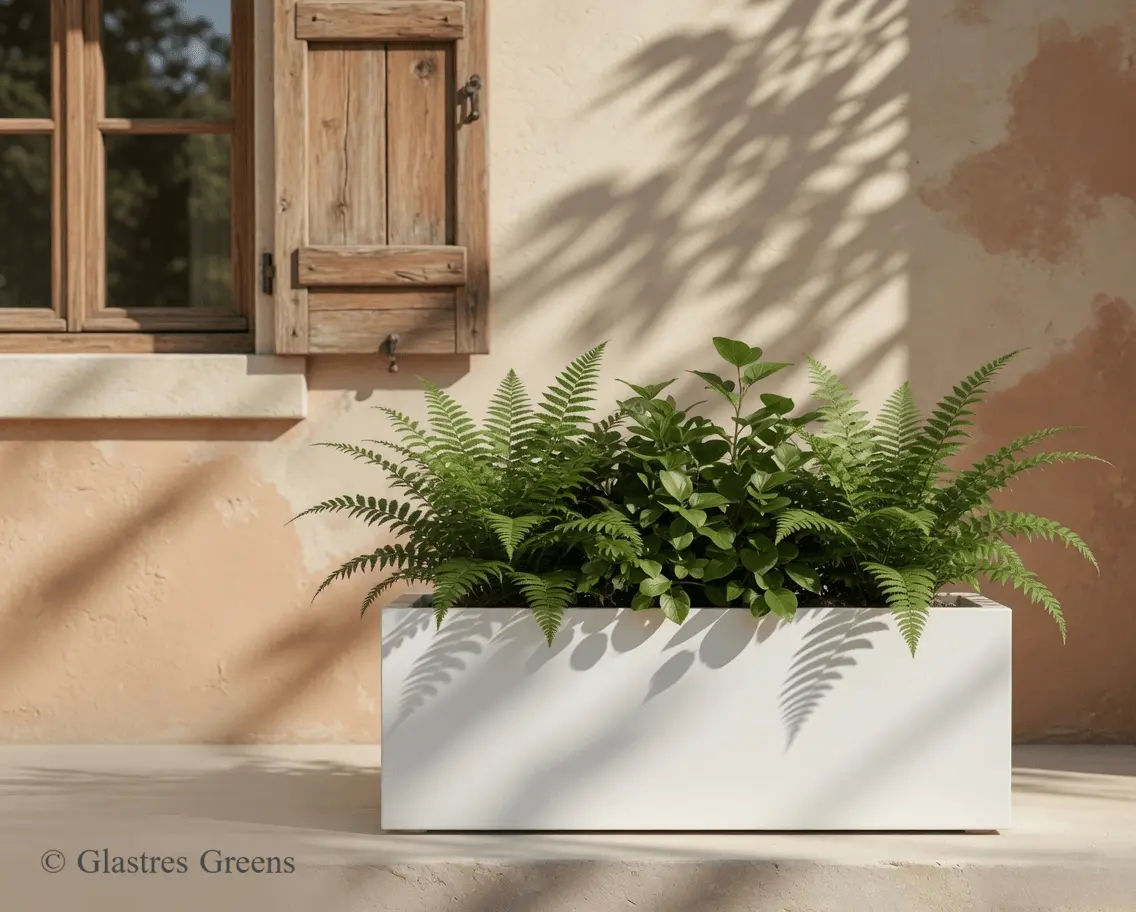
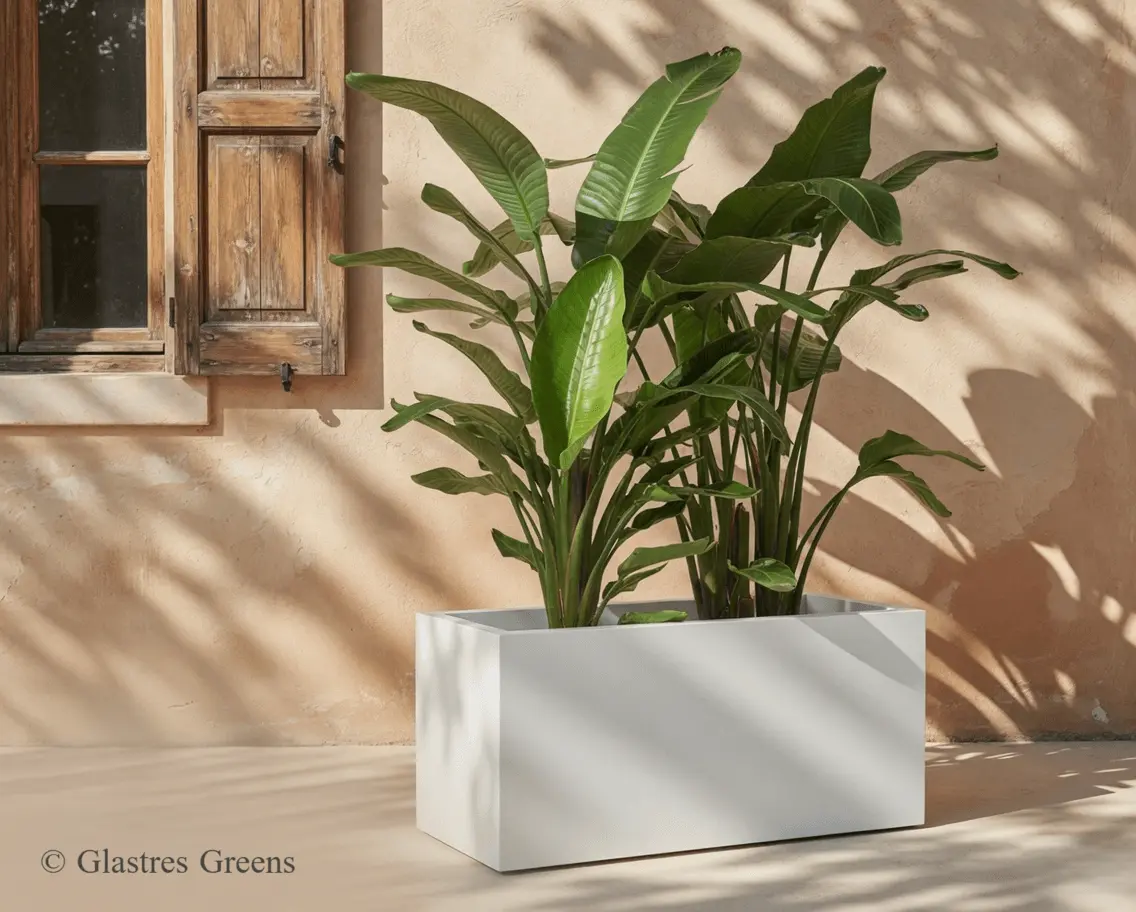
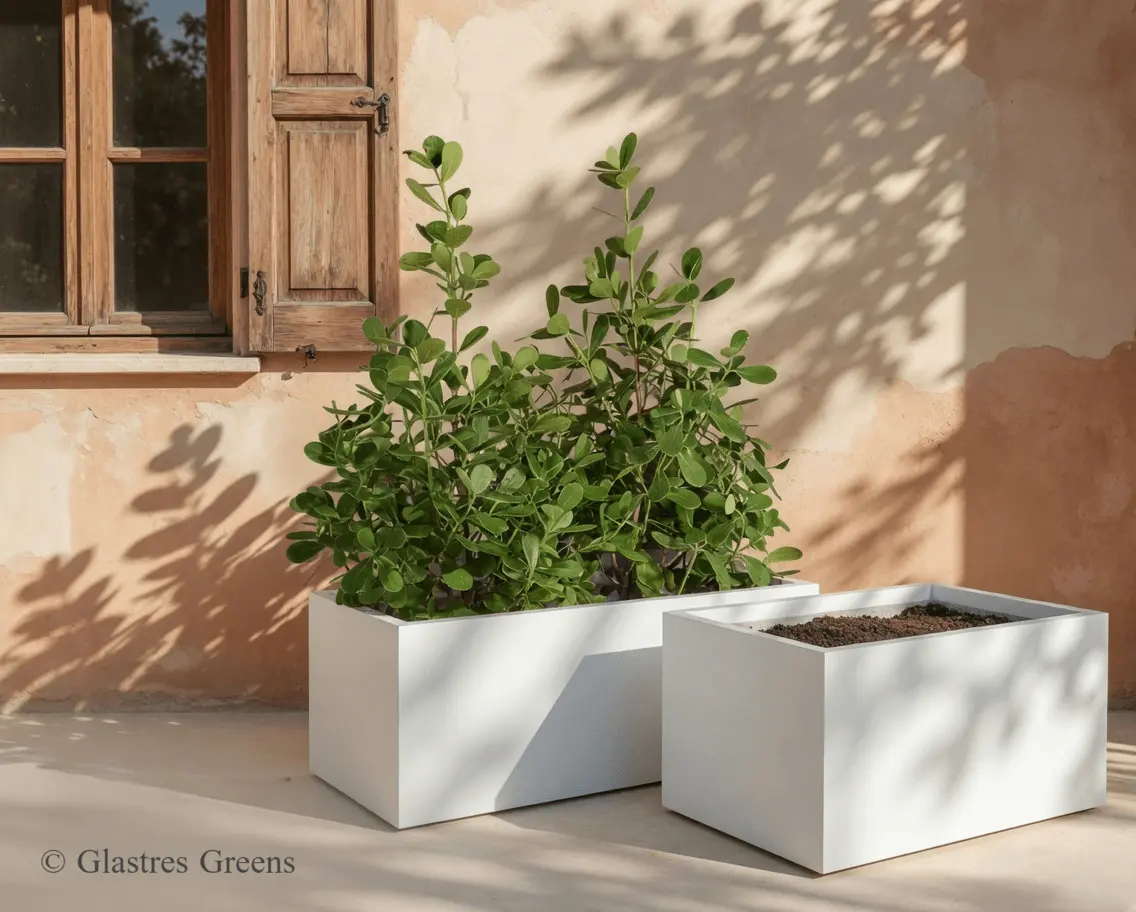
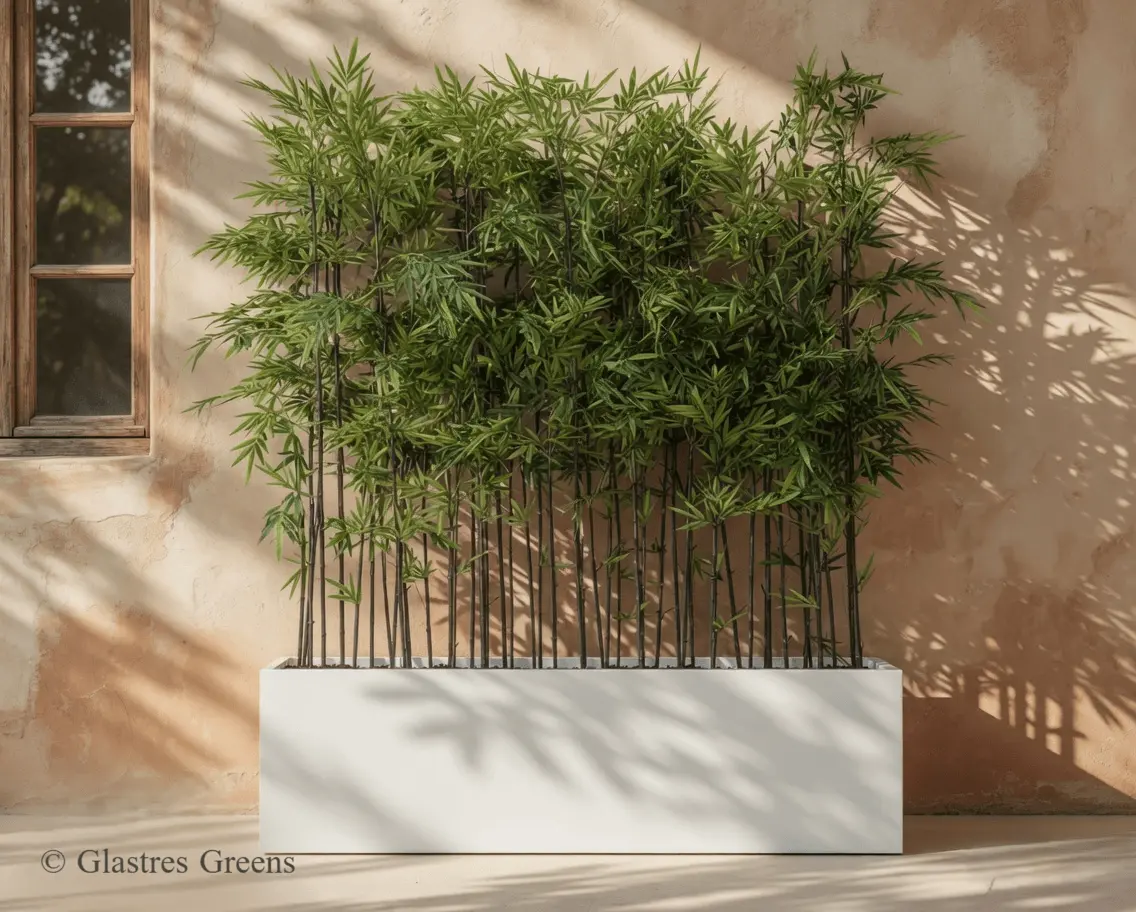
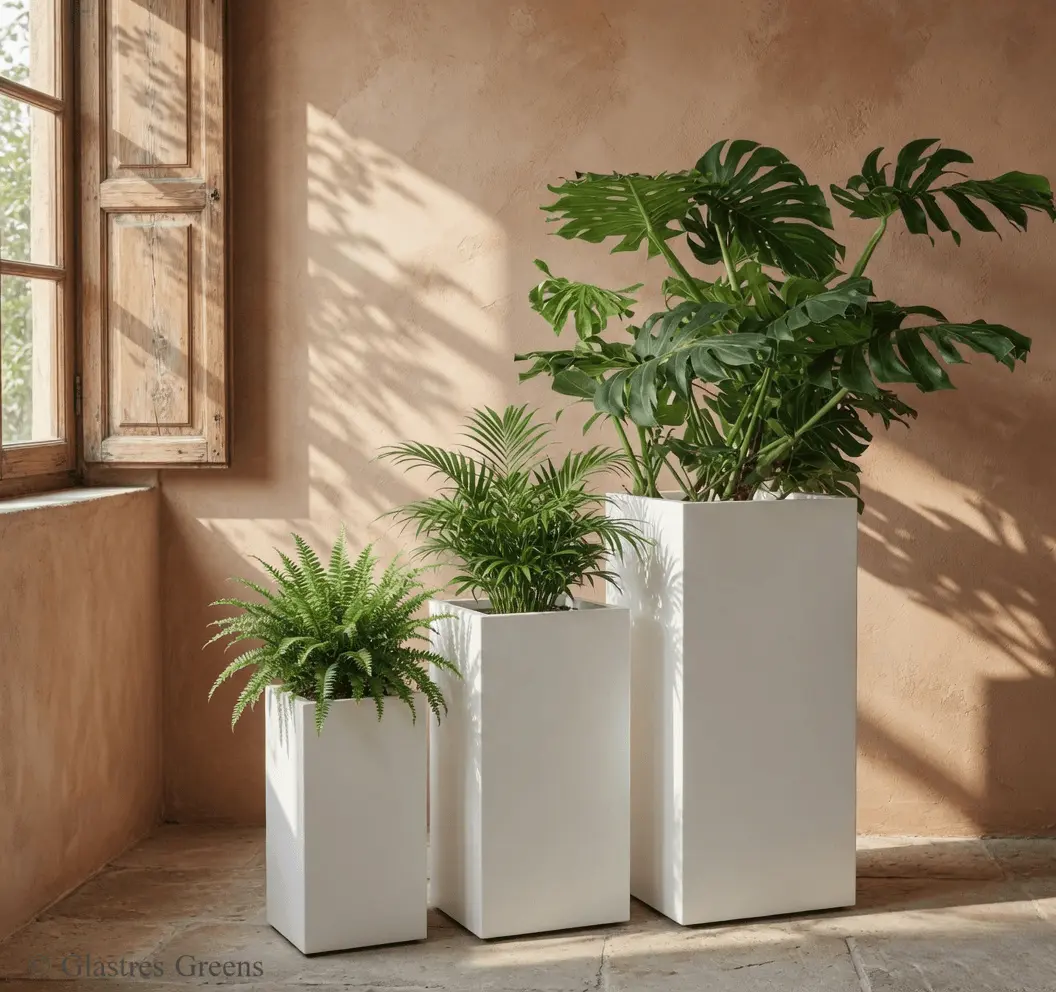
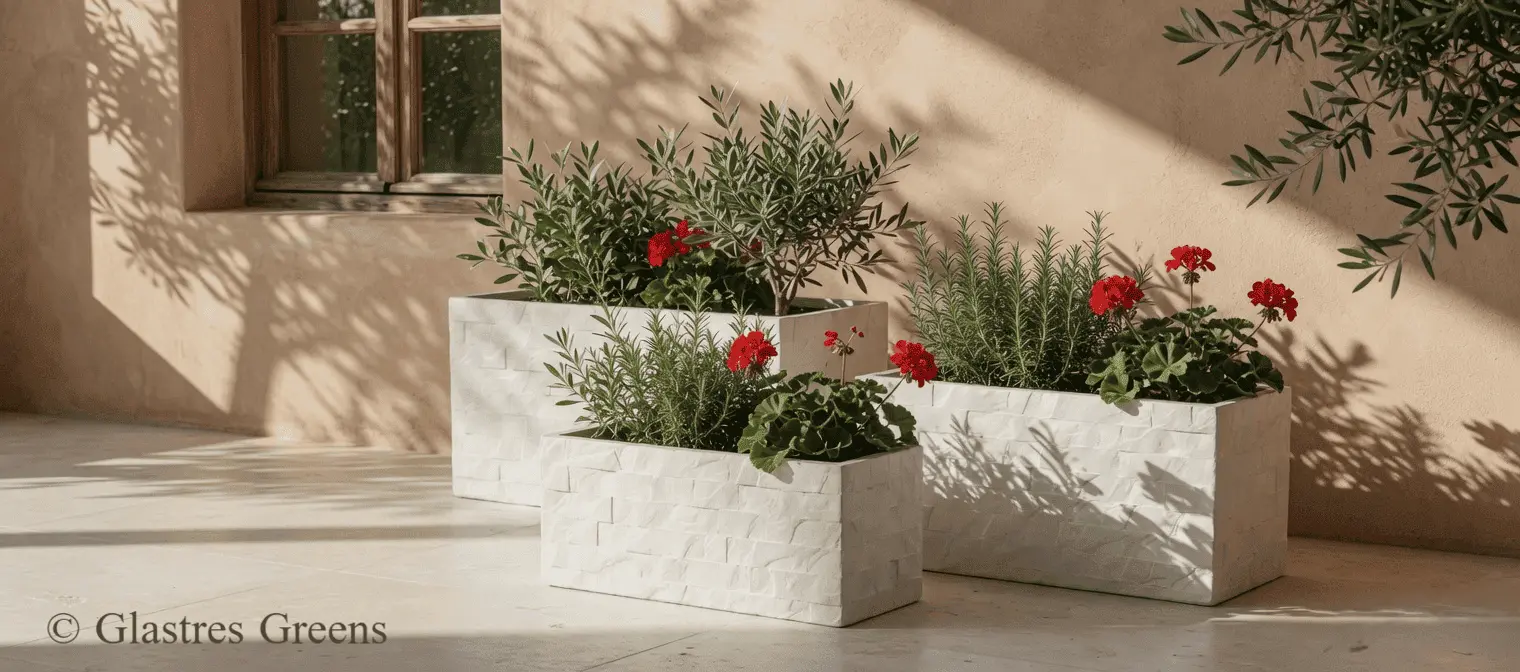
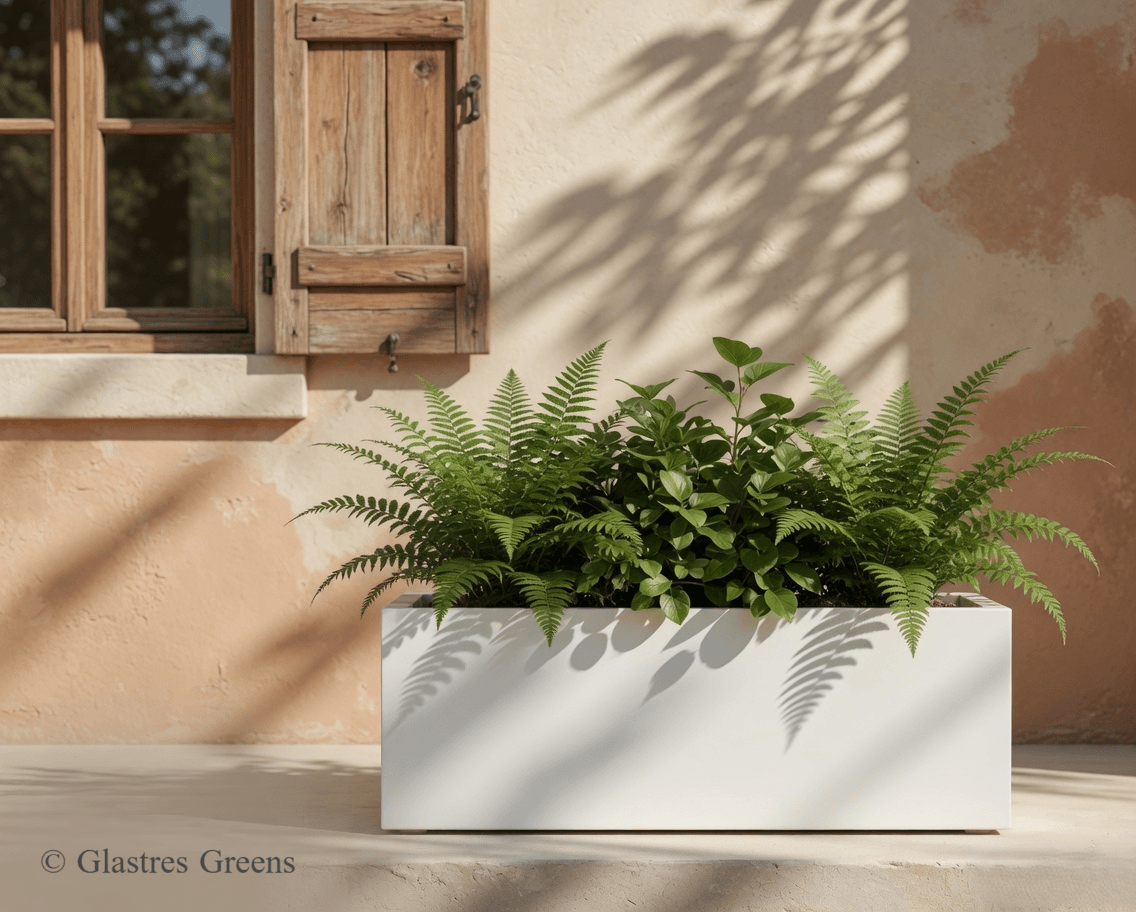
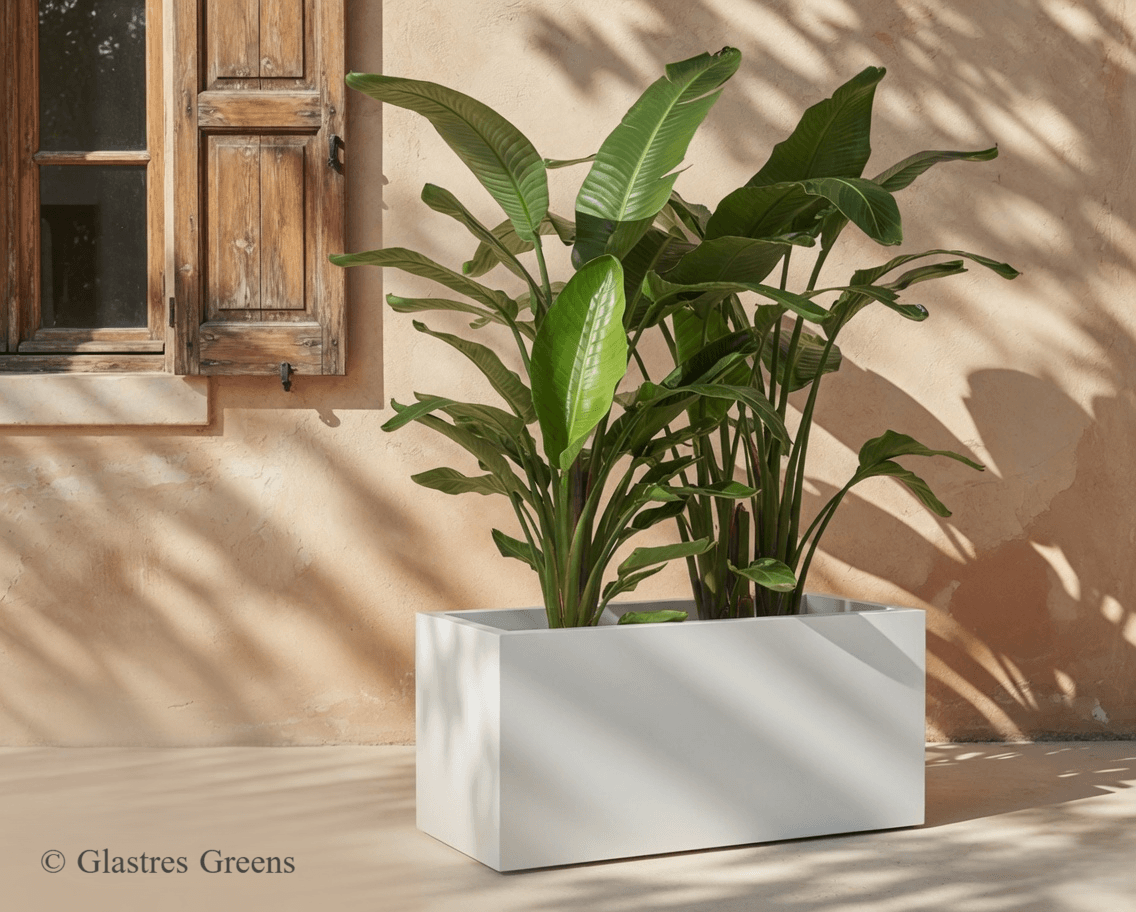
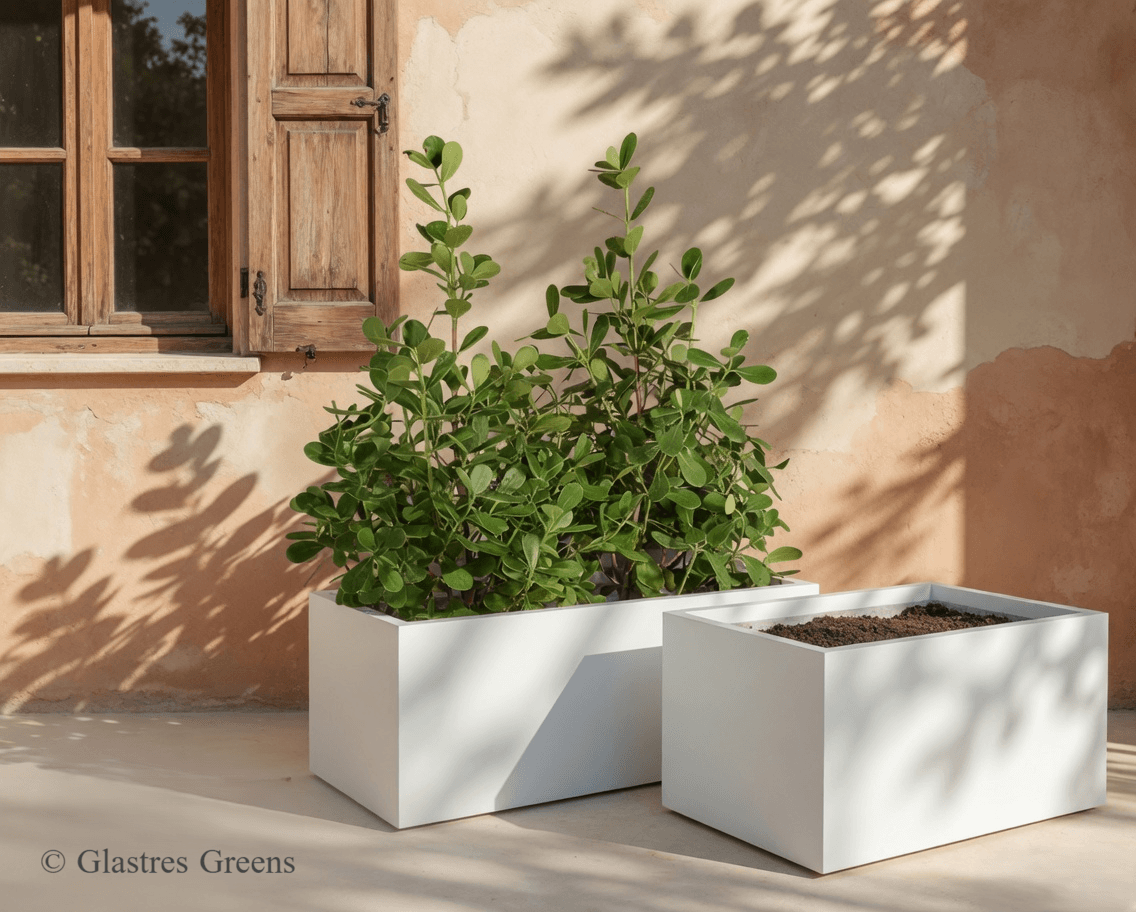
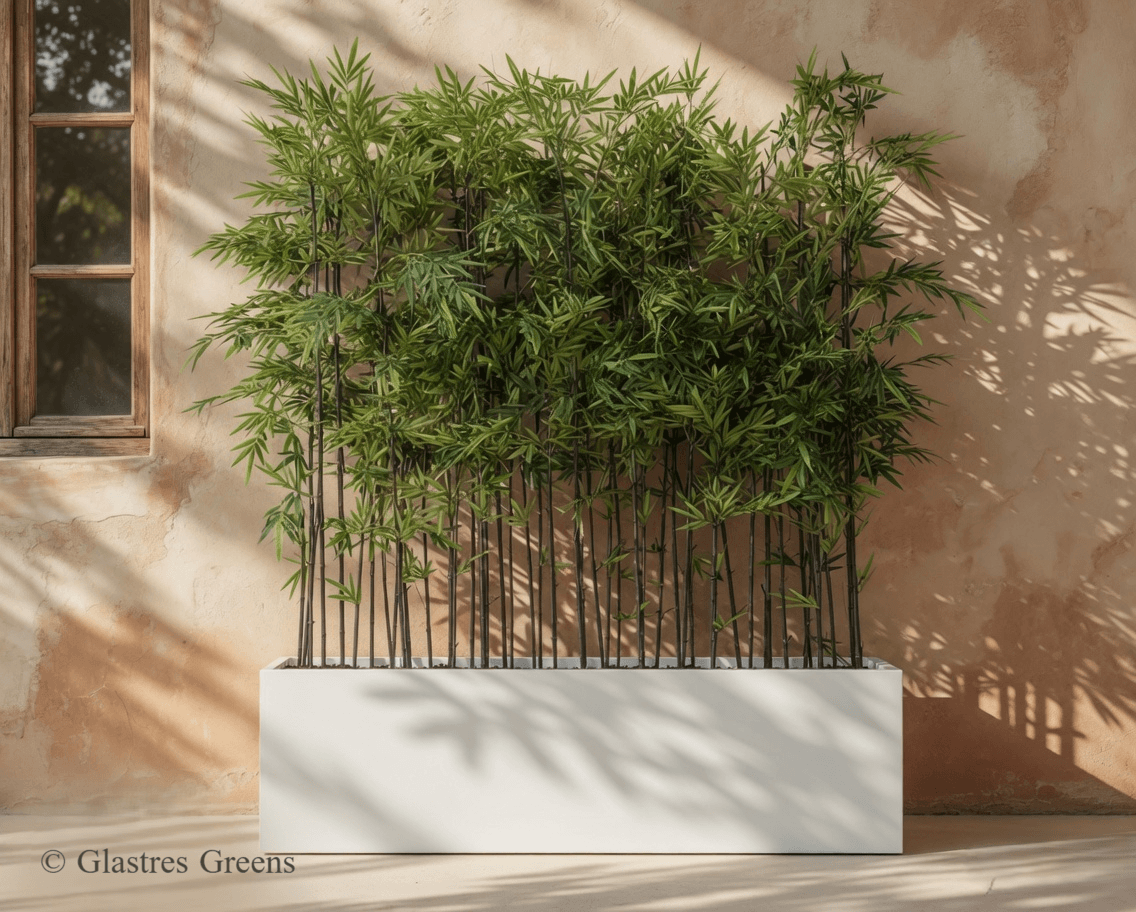
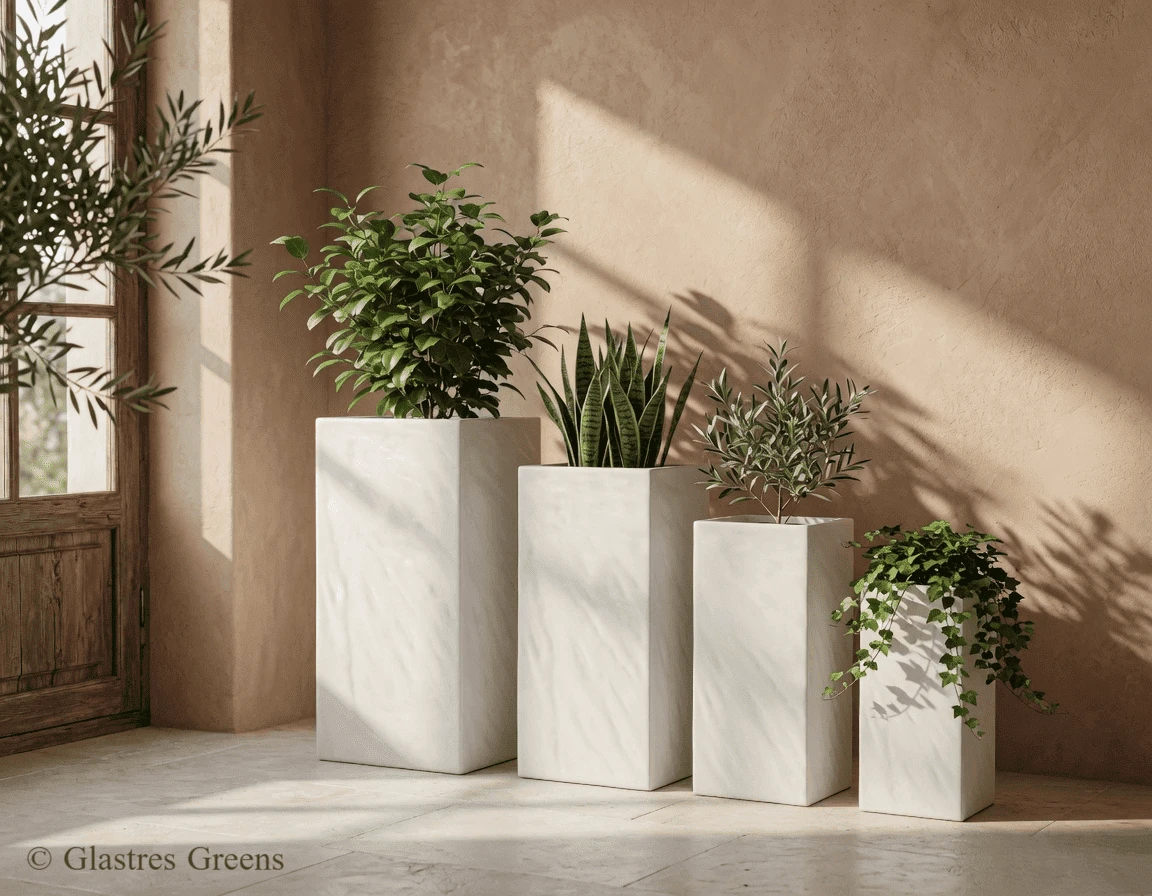
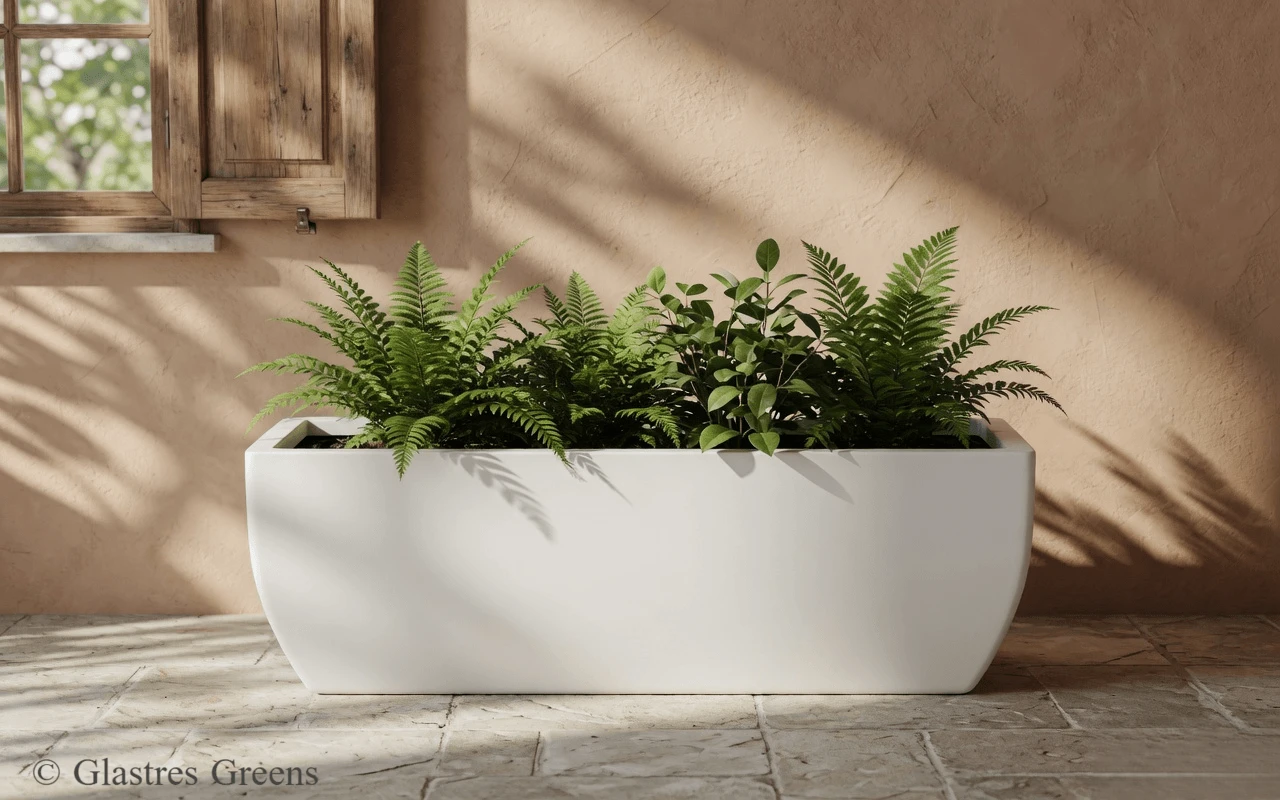
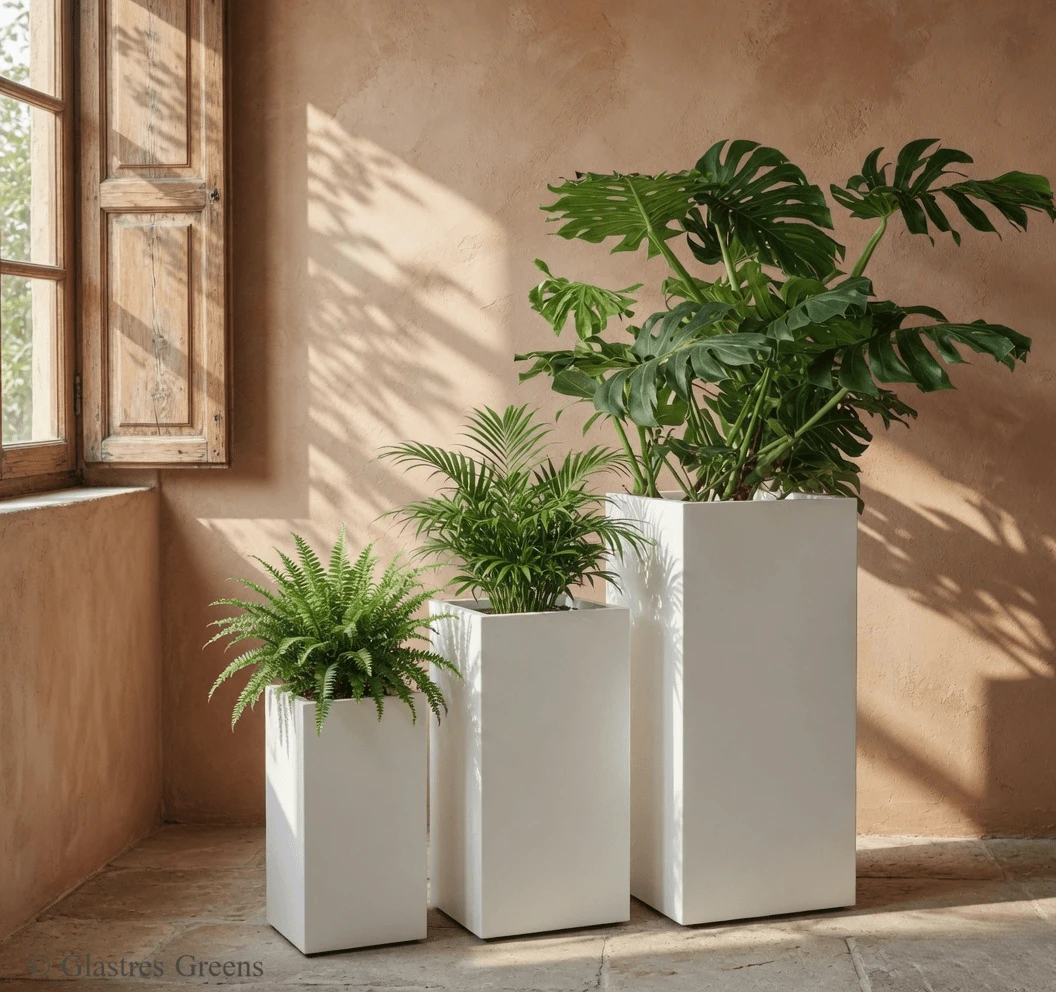
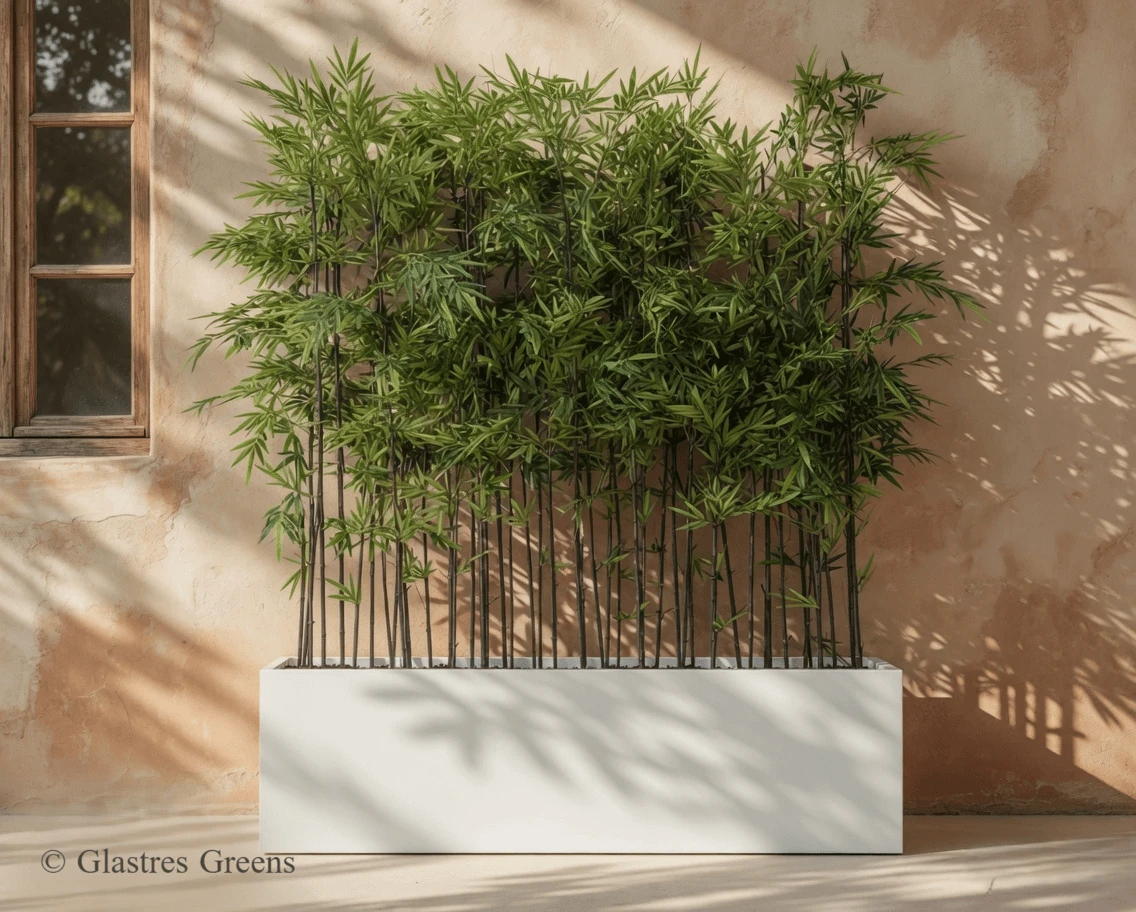
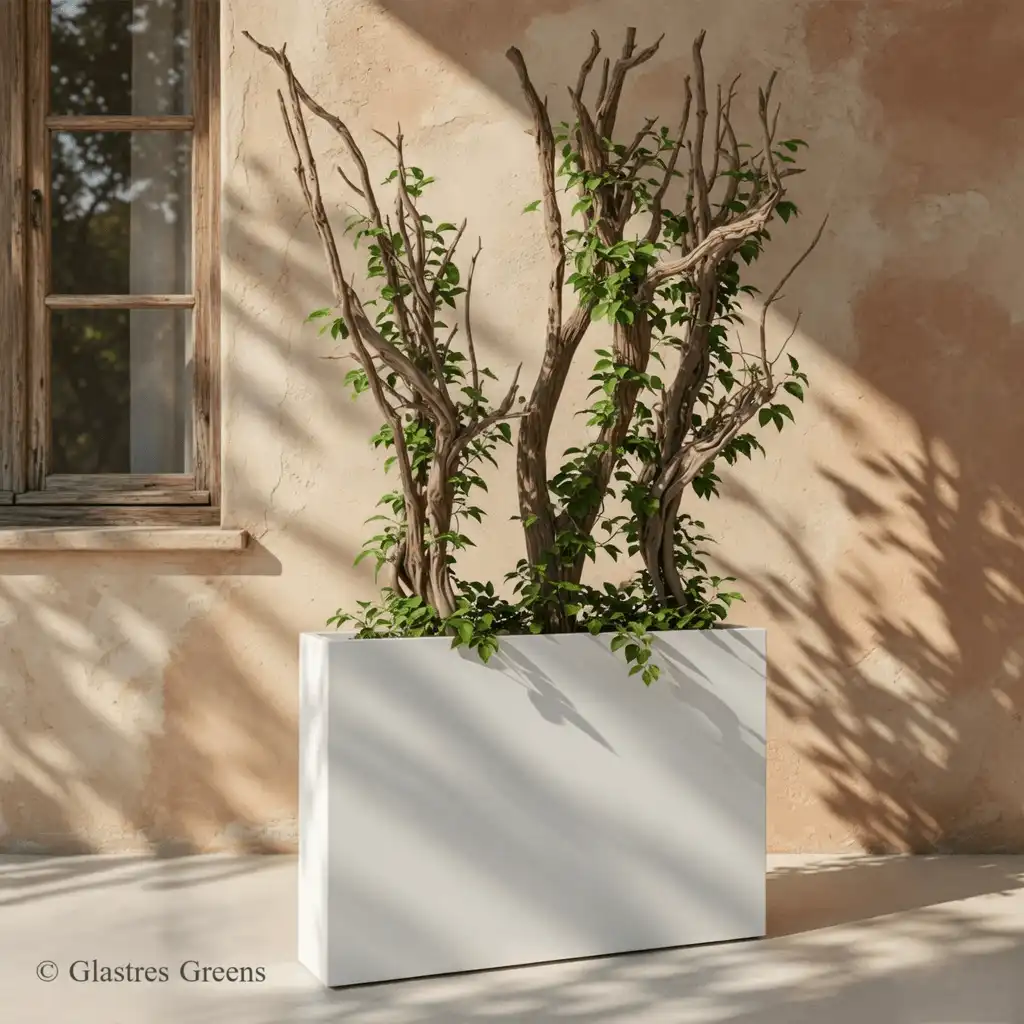
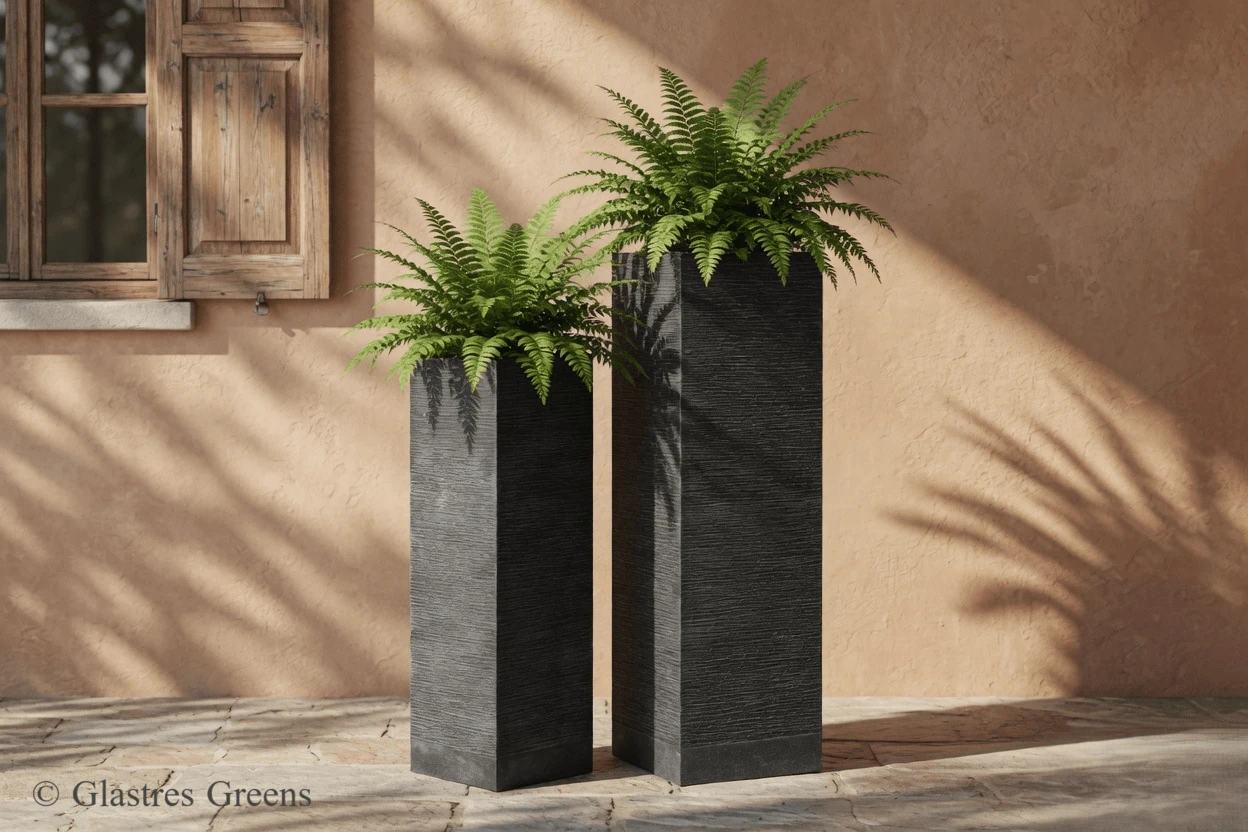
Rectangular FRP Planters

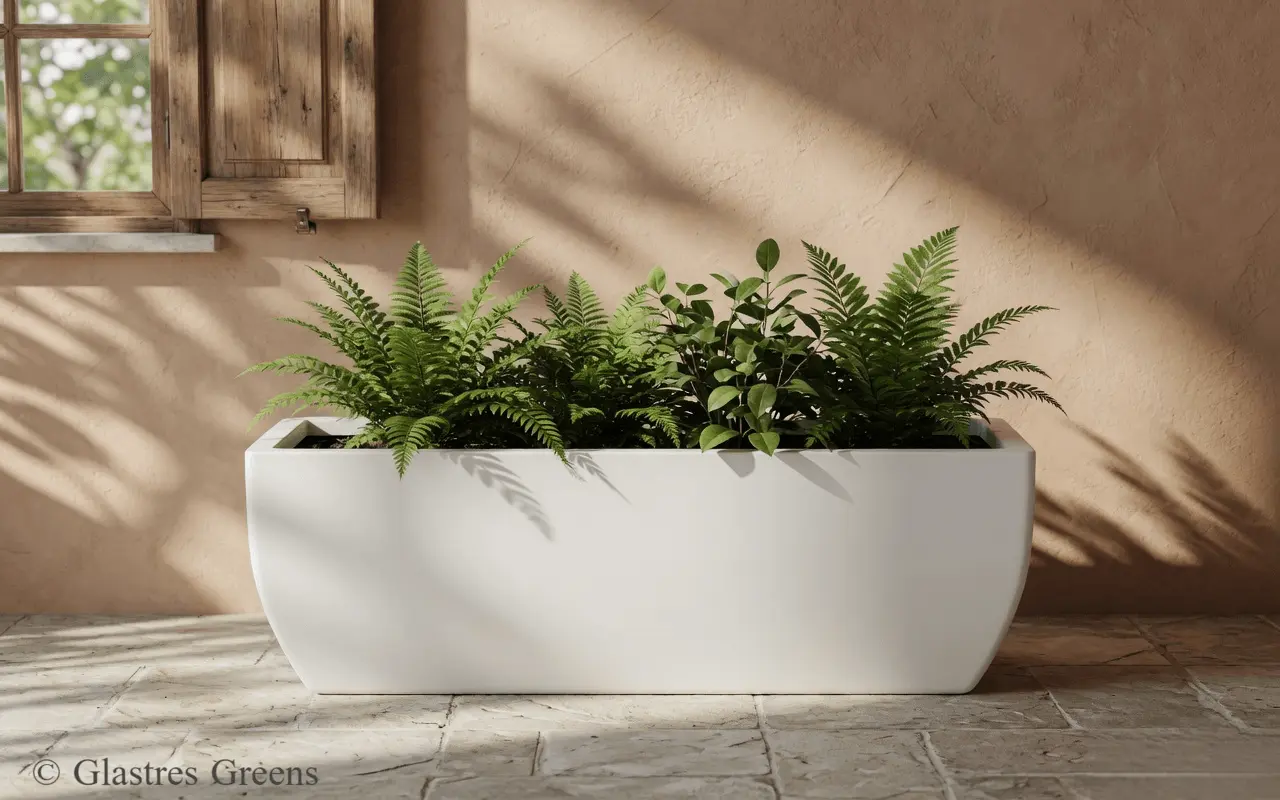
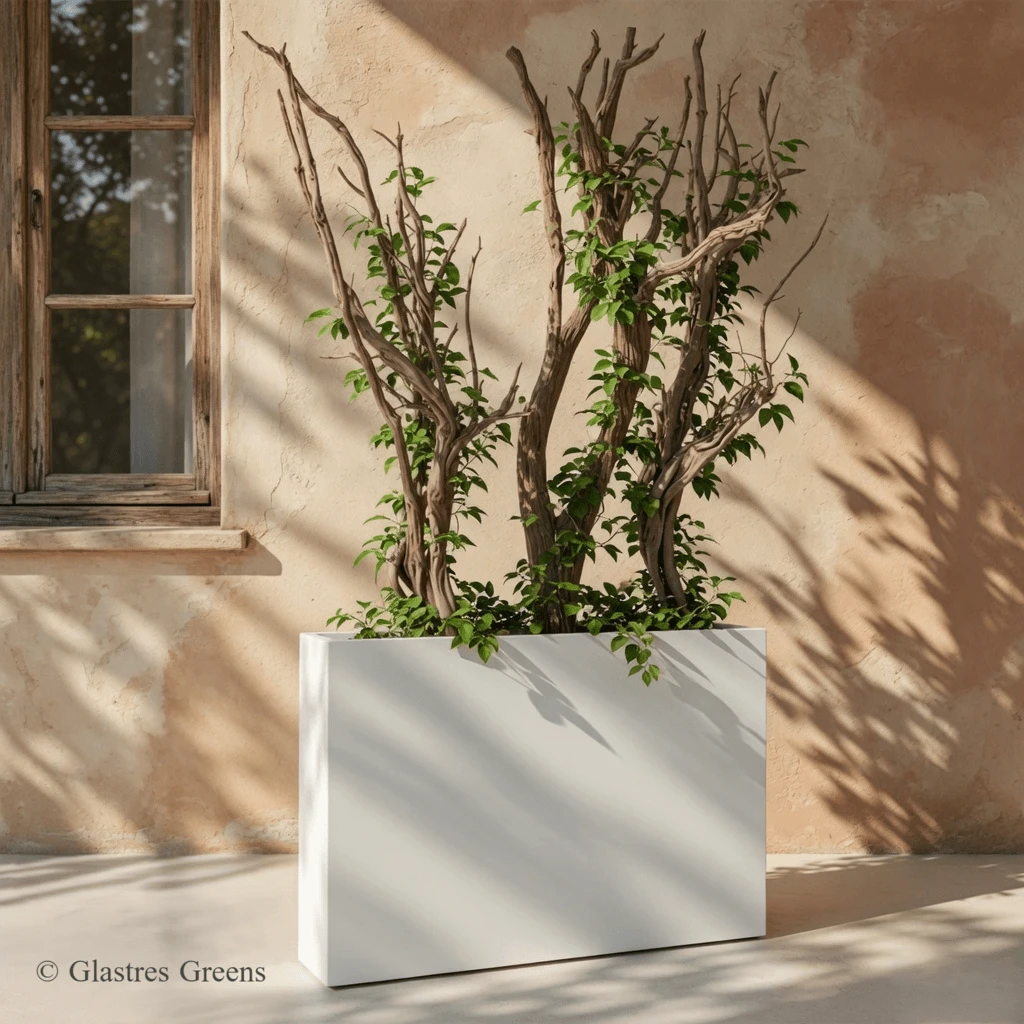
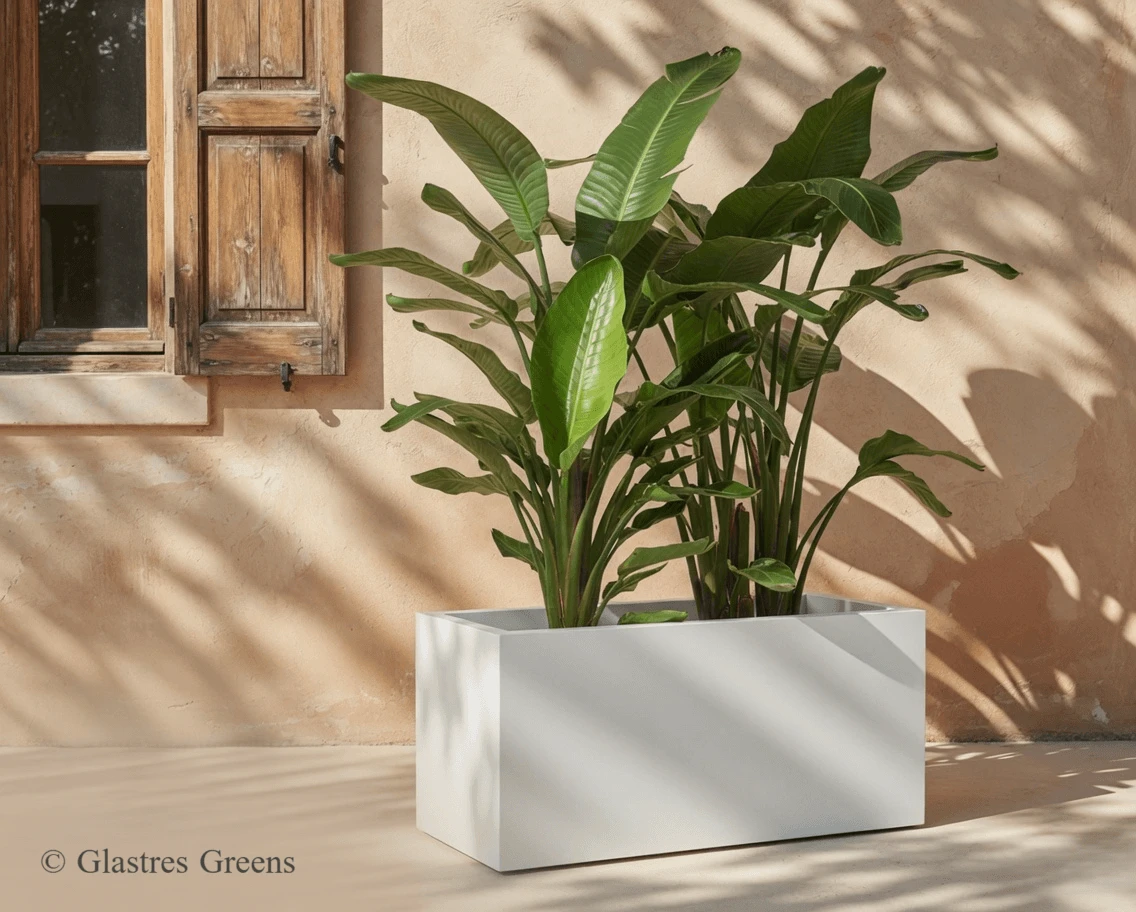
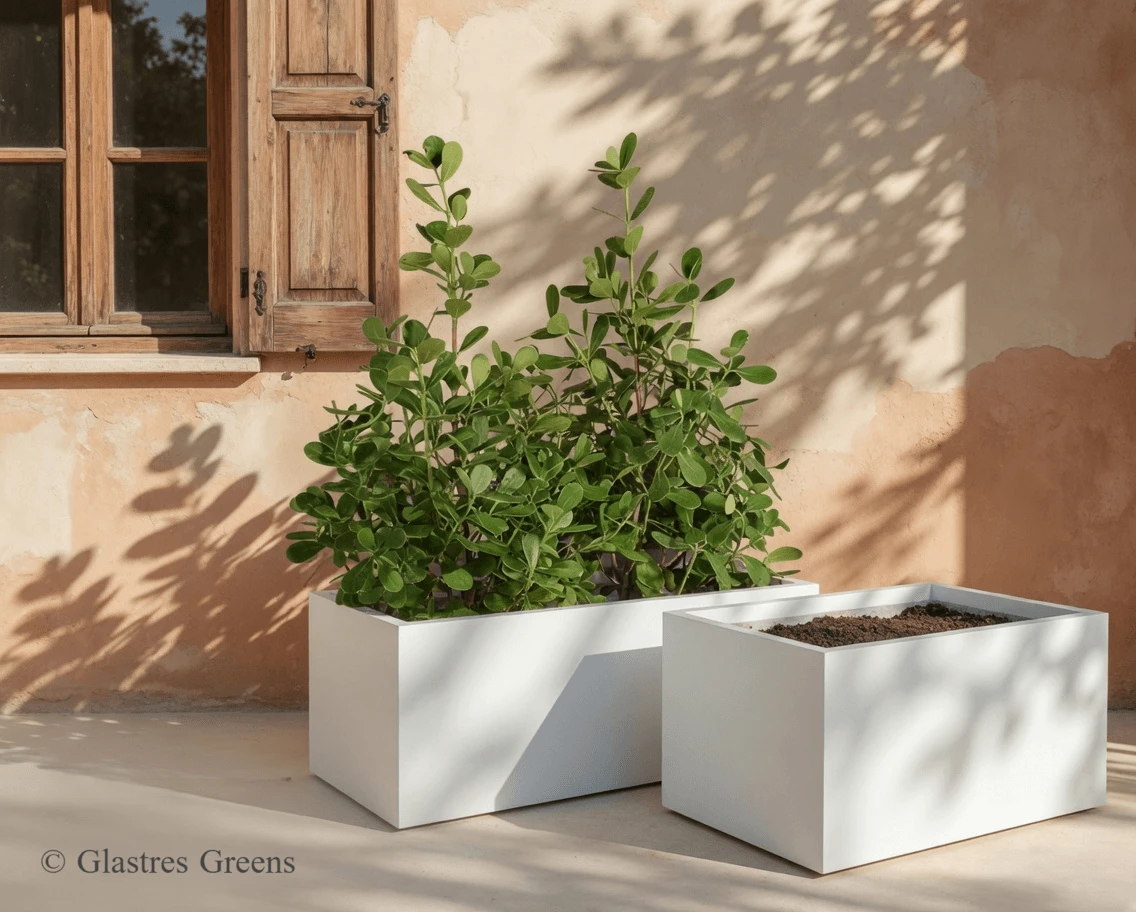
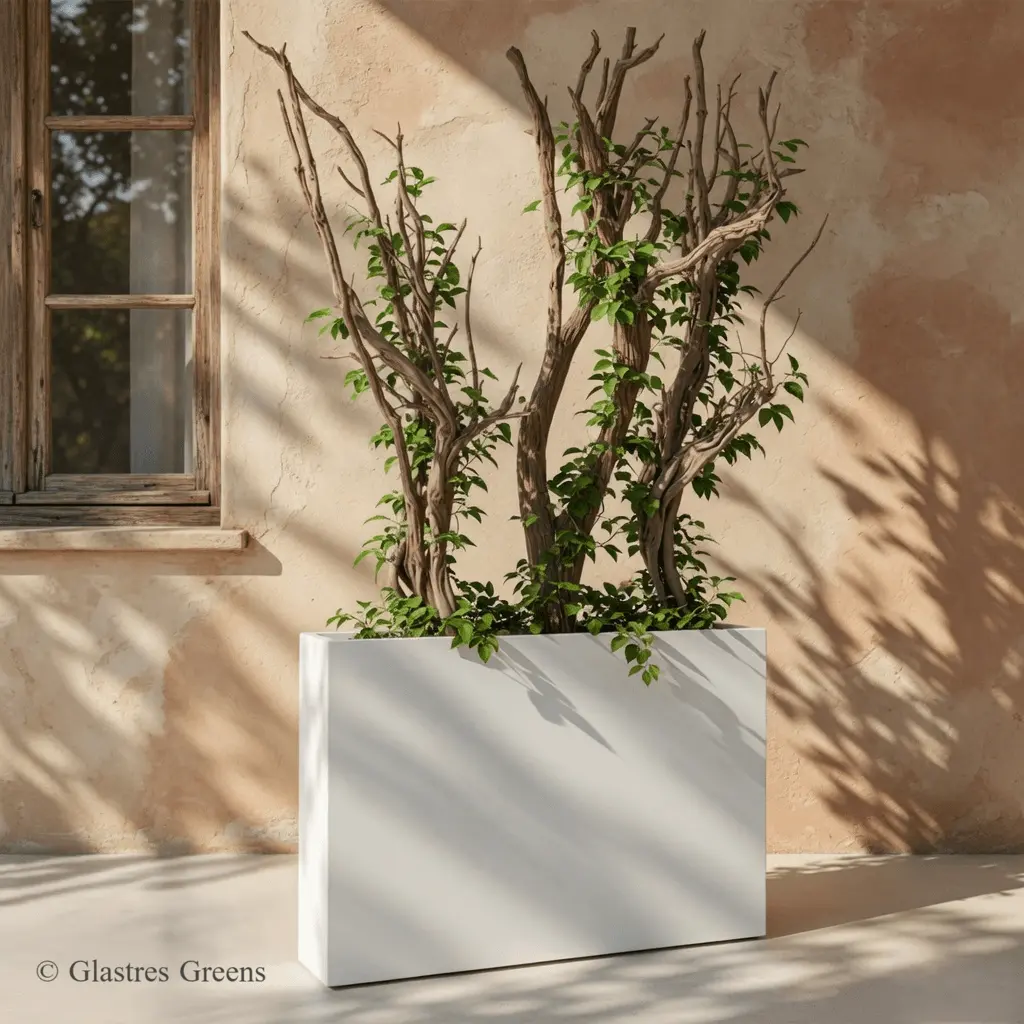
Large Rectangular Planters

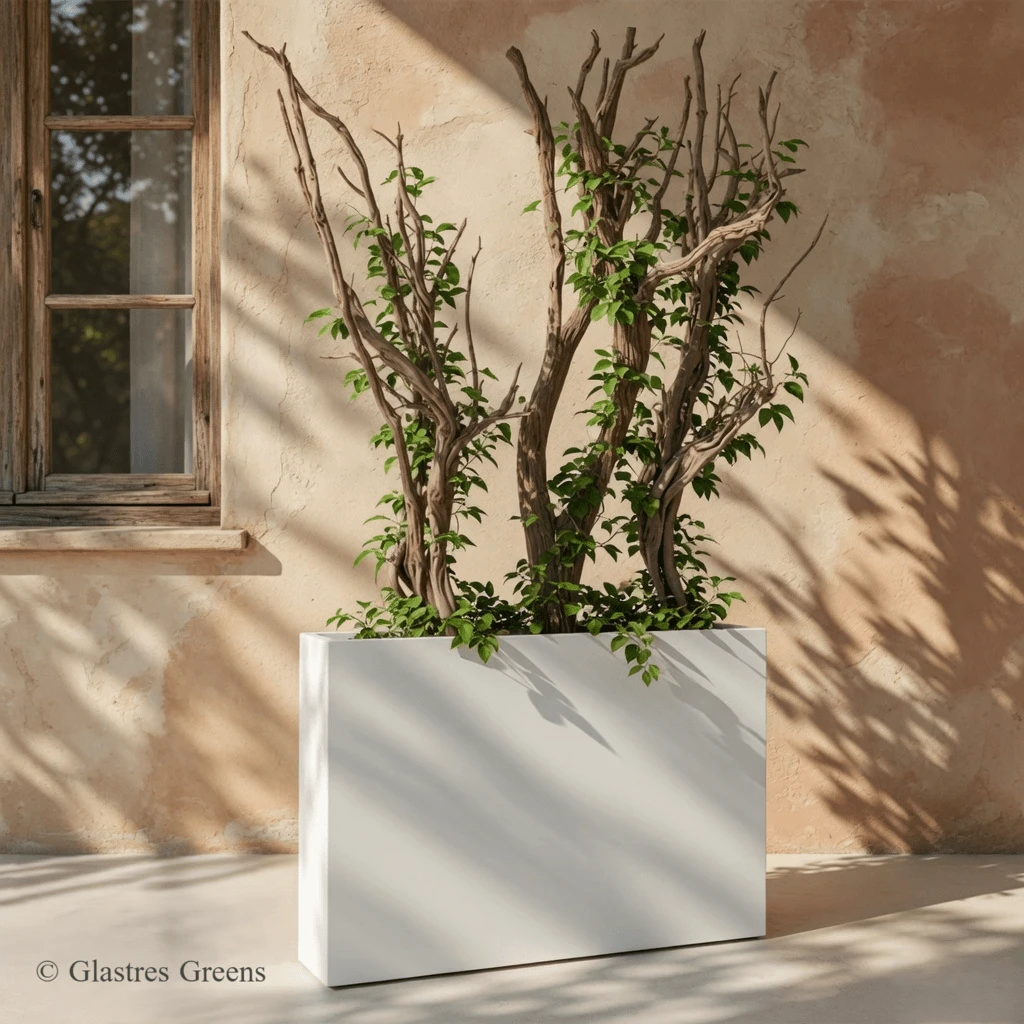
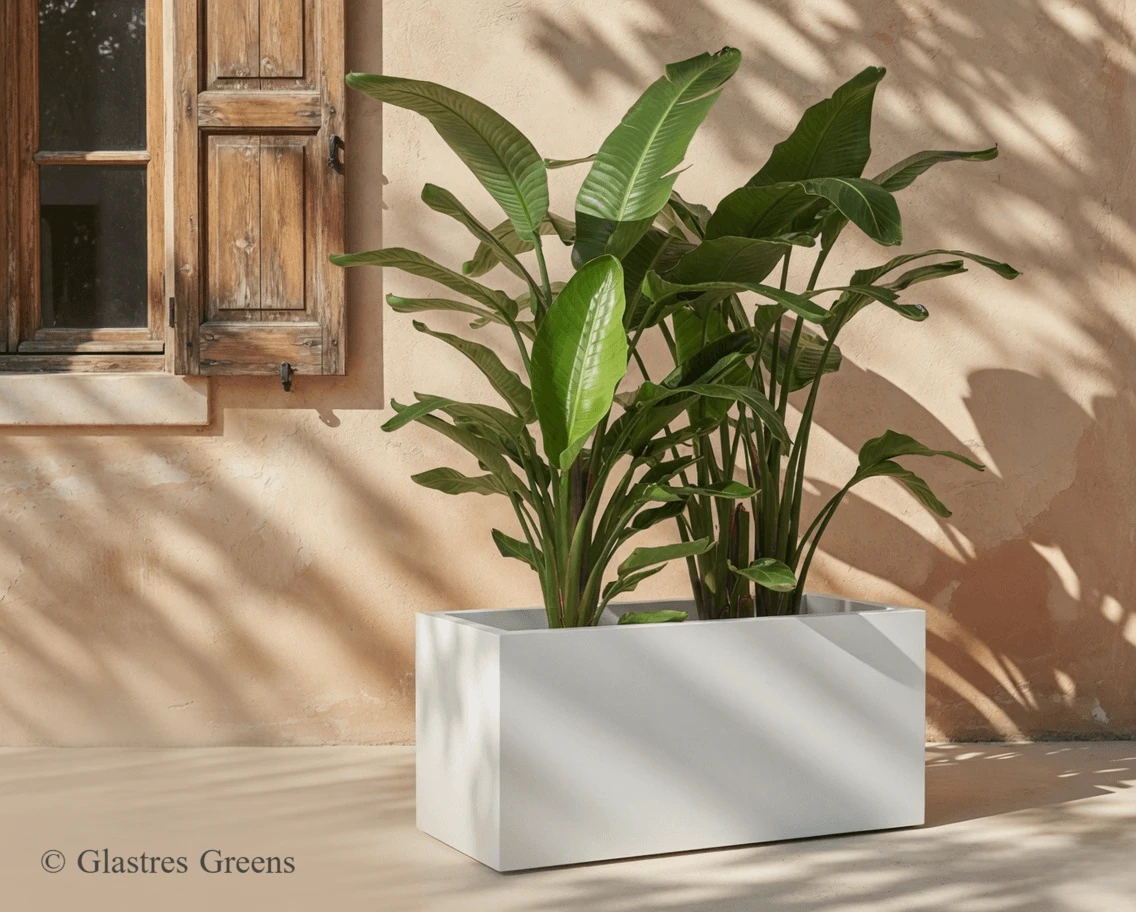
Discover our range of large and extra-large rectangular FRP planters. Designed with clean architectural proportions, these tall and spacious planters bring refined modern elegance to terraces, balconies, villas, and contemporary indoor spaces while offering exceptional durability and weather resistance.

Architectural Hospitality

Enterprise Manufacturing for Iconic Developments

From 5-star resorts to ultra-luxury estates, we deliver end-to-end custom FRP manufacturing for India’s most ambitious landscape projects.

Hotels & Resorts

Extra-large FRP basins for pool decks and beachfronts. Resistant to saline air and chlorine.

Luxury Estates

Bespoke planters crafted to exact CAD dimensions for heritage and contemporary villas.
10k+ Units Deployed
20+ Year Lifespan
100% Waterproof

Architect & Developer Hub
Access CAD files, technical specs, and project pricing.
For Landscape Architects • Developers • Hospitality

Architectural FRP Planters.
Engineered for Commercial Landscapes.

India's premier manufacturer of commercial-grade fiberglass planters for large-scale B2B projects.

Heavy-Duty Commercial FRP Planters

Transform corporate campuses and commercial real estate with high-tensile, lightweight FRP systems built for high-traffic environments.
Corporate Lobbies & Plazas

100% waterproof monumental planters that protect luxury flooring.

Open-Plan Zoning

Modular troughs for traffic flow and acoustic privacy.

Explore Commercial
Commercial FRP planters

Stay inspired with us on Instagram

See how architects and designers are using Glastres Greens in real luxury projects.

Follow @glastresgreens
DOWNLOAD OUR CATALOGS

Explore Our Collections

Browse and download our latest catalogs featuring premium FRP planters and architectural solutions.

Premium FRP Planters Catalog
Premium FRP Planters
Retail Catalog 2025
Stone Finish Collection
Luxury Finishes
Decor Accents Collection
Project Lookbook
Printed Table Top Pots
Home & Office Edition
CLIENT TESTIMONIALS

What Our Clients Say

Real feedback from architects, builders, and designers who trust Glastres Greens for their premium FRP planters.
As an architect, I’m always looking for reliable planter suppliers in India. Glastres Greens has exceeded my expectations with their premium quality FRP planters. Their modern designs and exceptional craftsmanship have significantly elevated our projects.
Arjun Patel
Project Designer & Architect

Collaborating with Glastres Greens has been a fantastic experience. Their exquisite planters have brought elegance and greenery to our architectural projects. The quality and modern designs are unmatched. Our clients are consistently impressed.
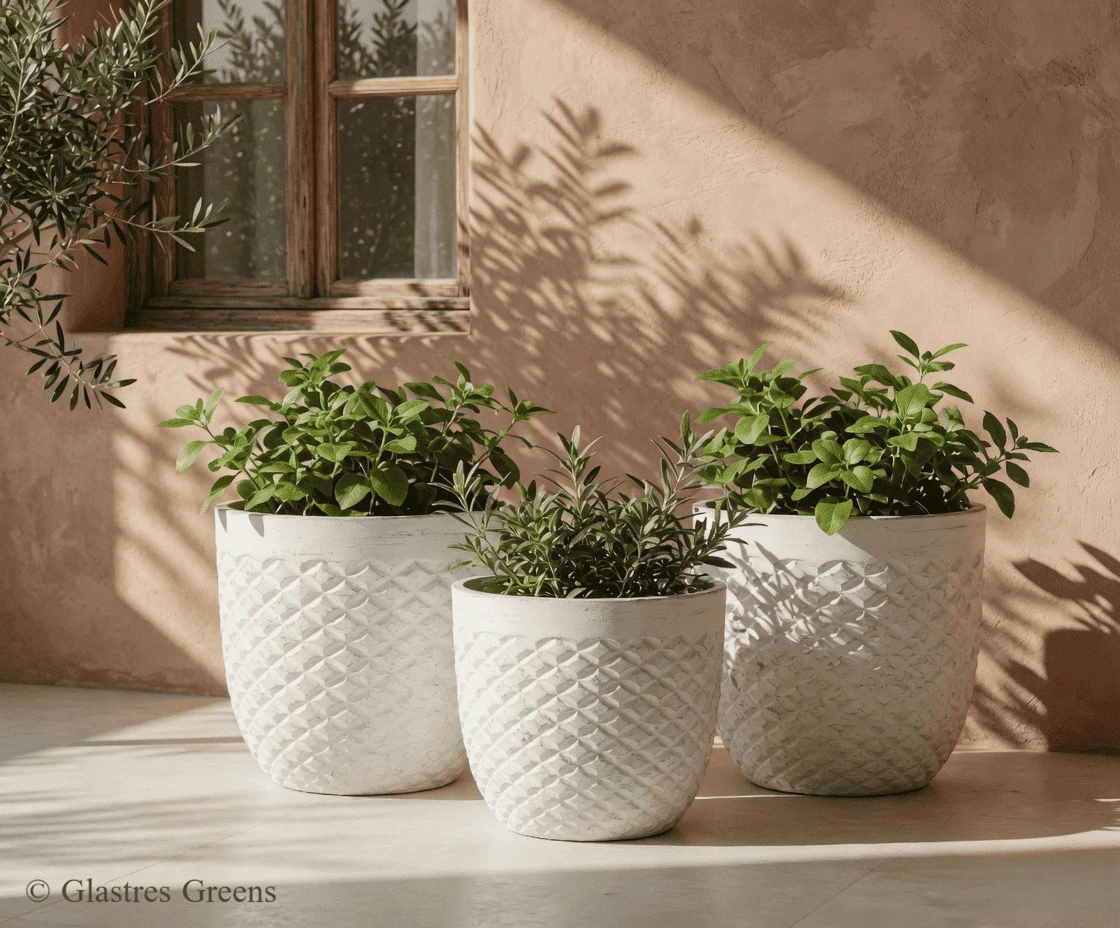
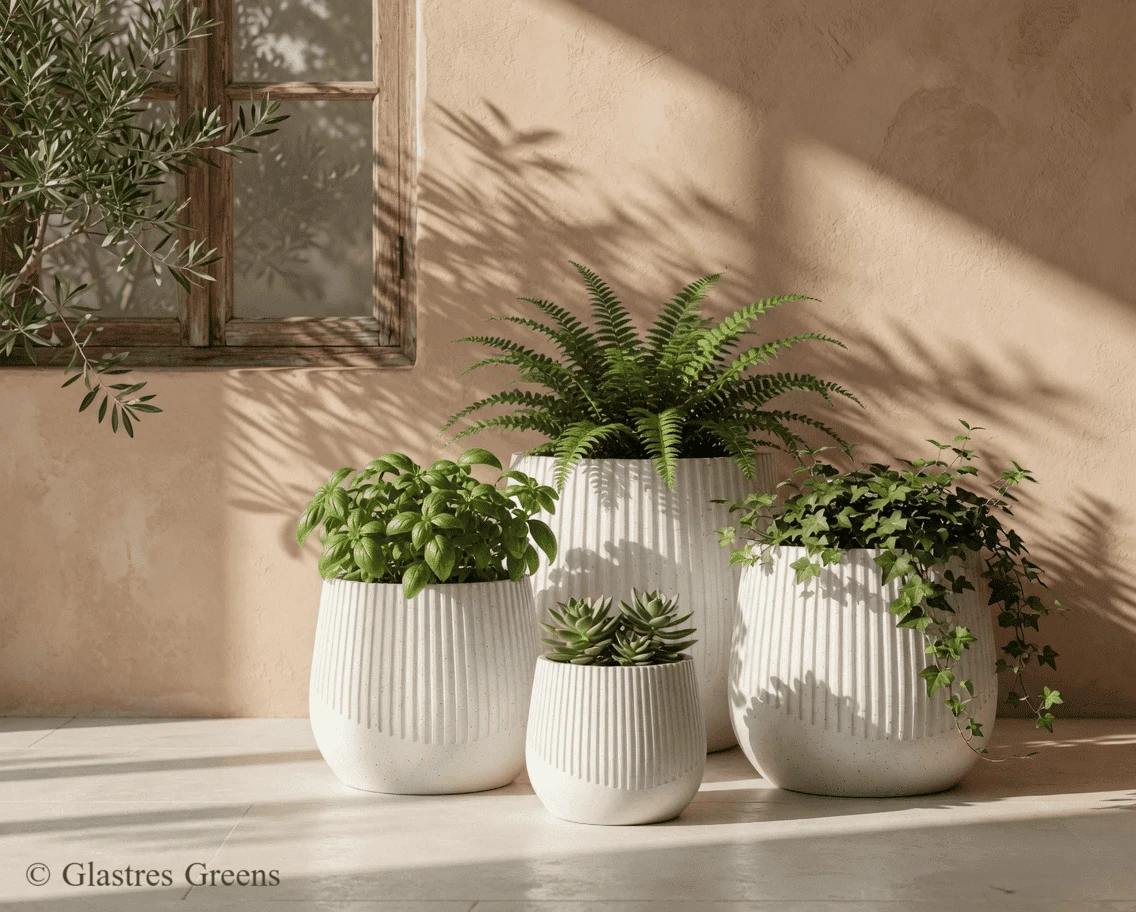
Aishwarya Sharma
Architect

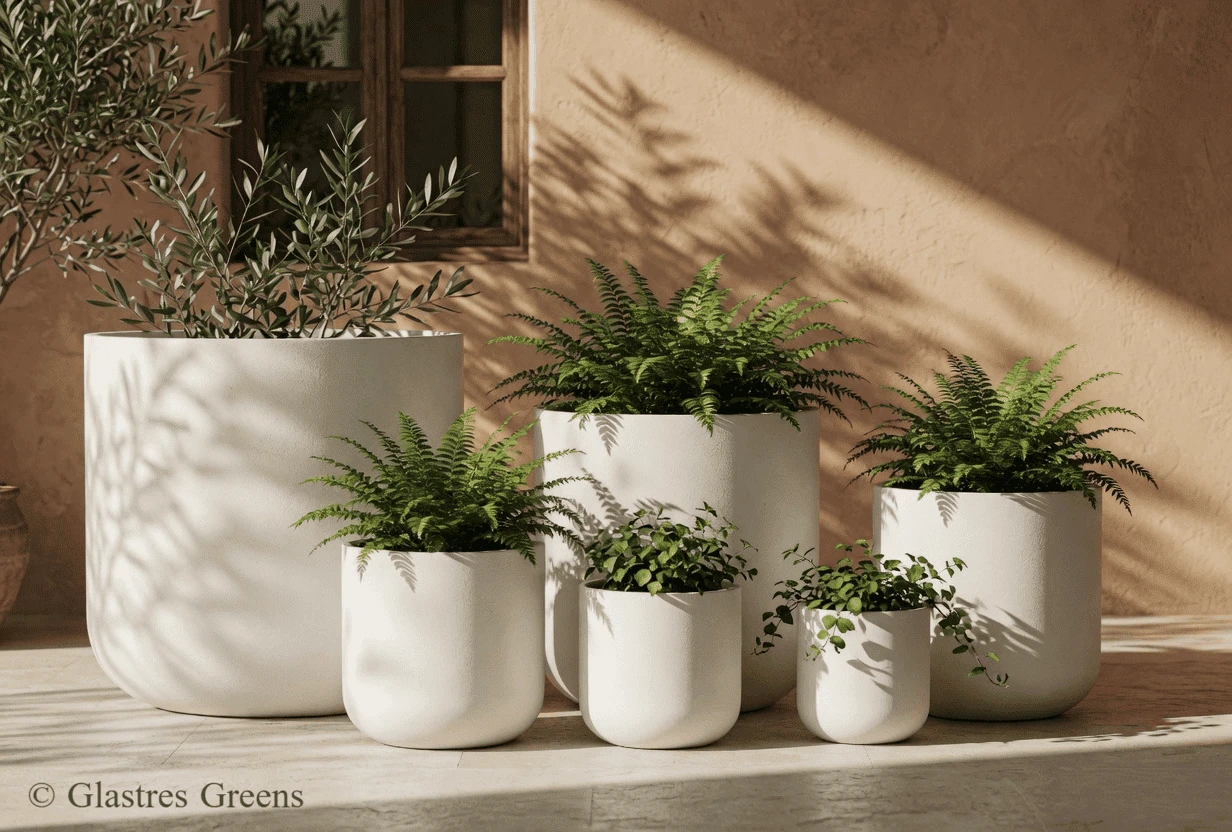
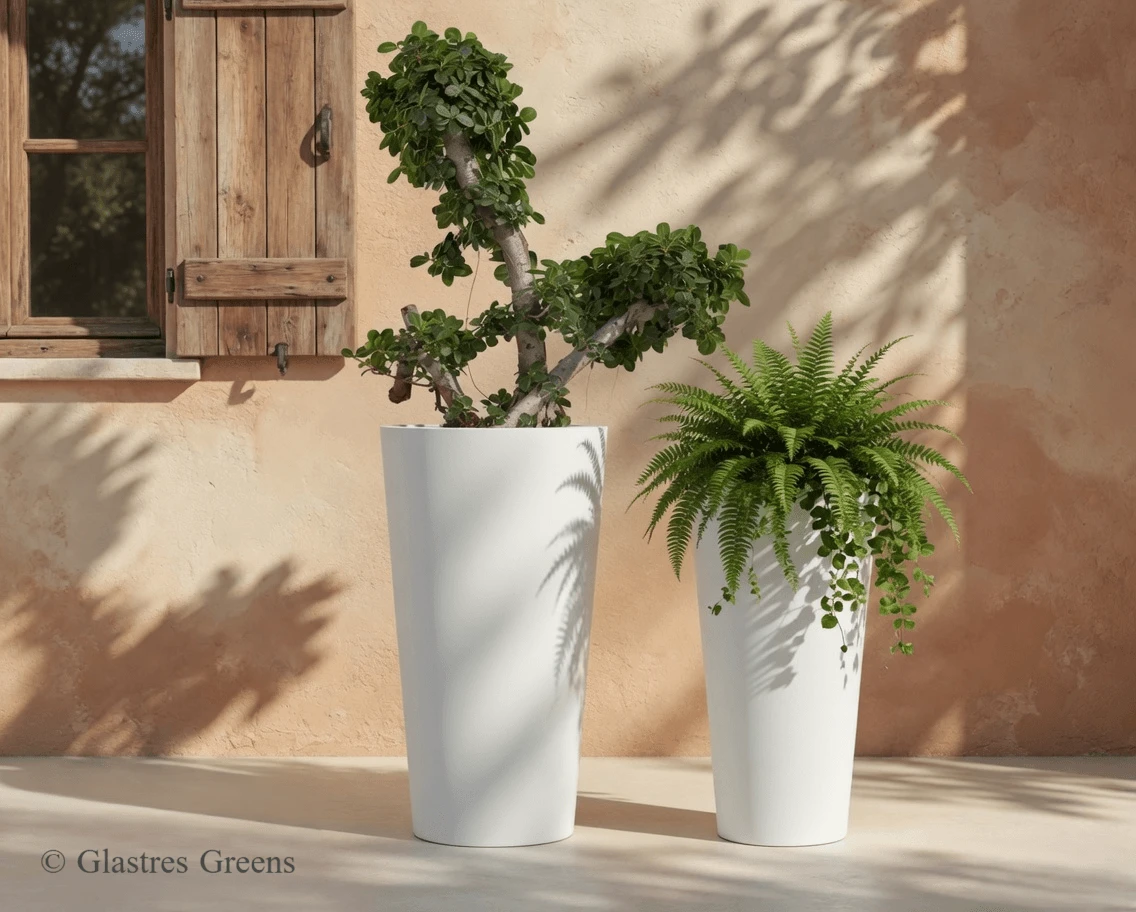
As a builder, I depend on top-quality planter suppliers. Glastres Greens has become my trusted choice. Their sophisticated and durable planters add natural beauty and elegance to the properties I develop. Highly recommended.
Rohan Desai
Builder & Real Estate Developer
MATERIAL SUPERIORITY

Why Architects Choose FRP
Over Stone & Concrete

A clear comparison of why leading architects and developers prefer Glastres Greens FRP planters for luxury and commercial projects.
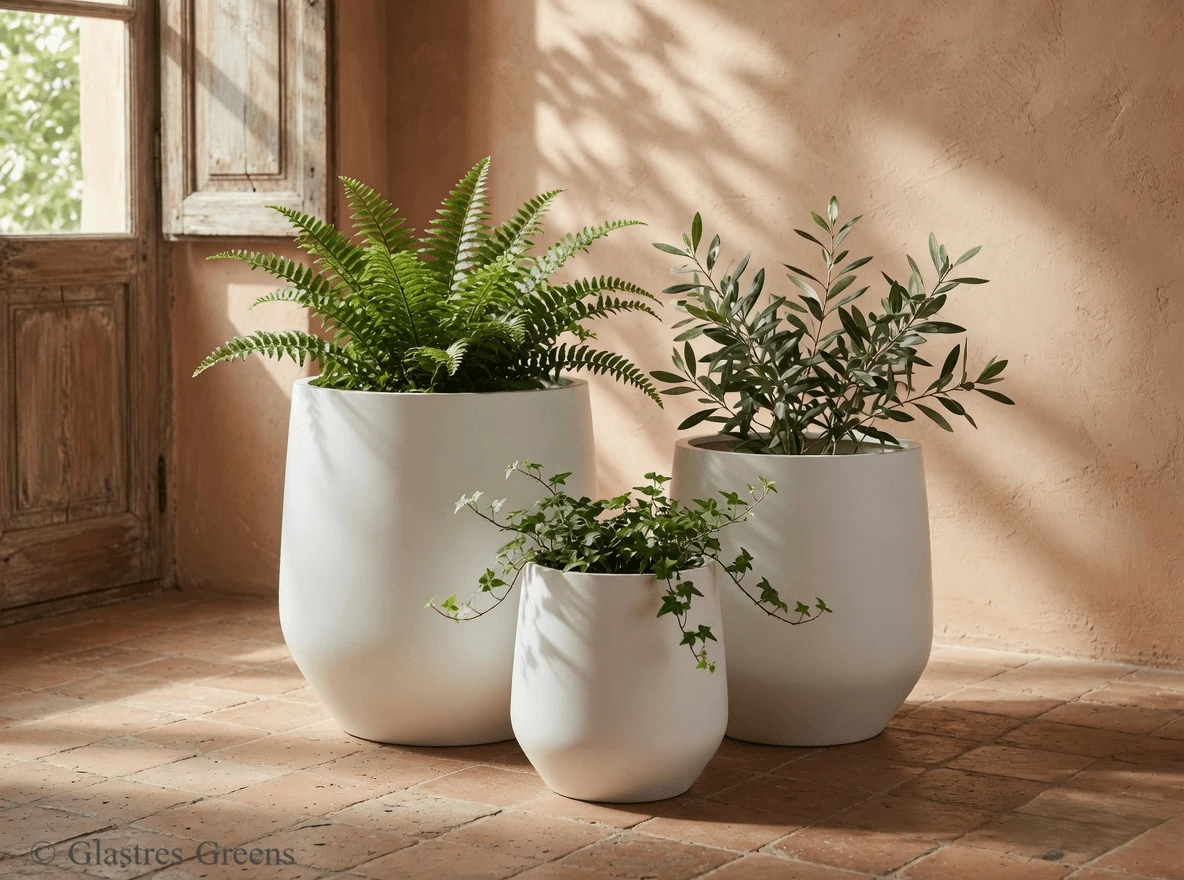
Weight
FRP is up to 70% lighter than concrete or stone — ideal for rooftops, terraces, and high-rise projects.
Weather Durability
Fully resistant to UV, monsoon, and frost. Non-porous surface prevents staining, cracking, and degradation.
Design Flexibility
Unlimited shapes, sizes, and finishes. Can be customised to perfectly match any architectural vision.
Lifespan & Maintenance
20+ years of commercial-grade performance with very low maintenance. No sealing required.

For Architects & Developers: Glastres Greens FRP planters deliver the refined aesthetic of natural stone and the structural integrity of concrete — without the extreme weight, high maintenance, or design limitations.
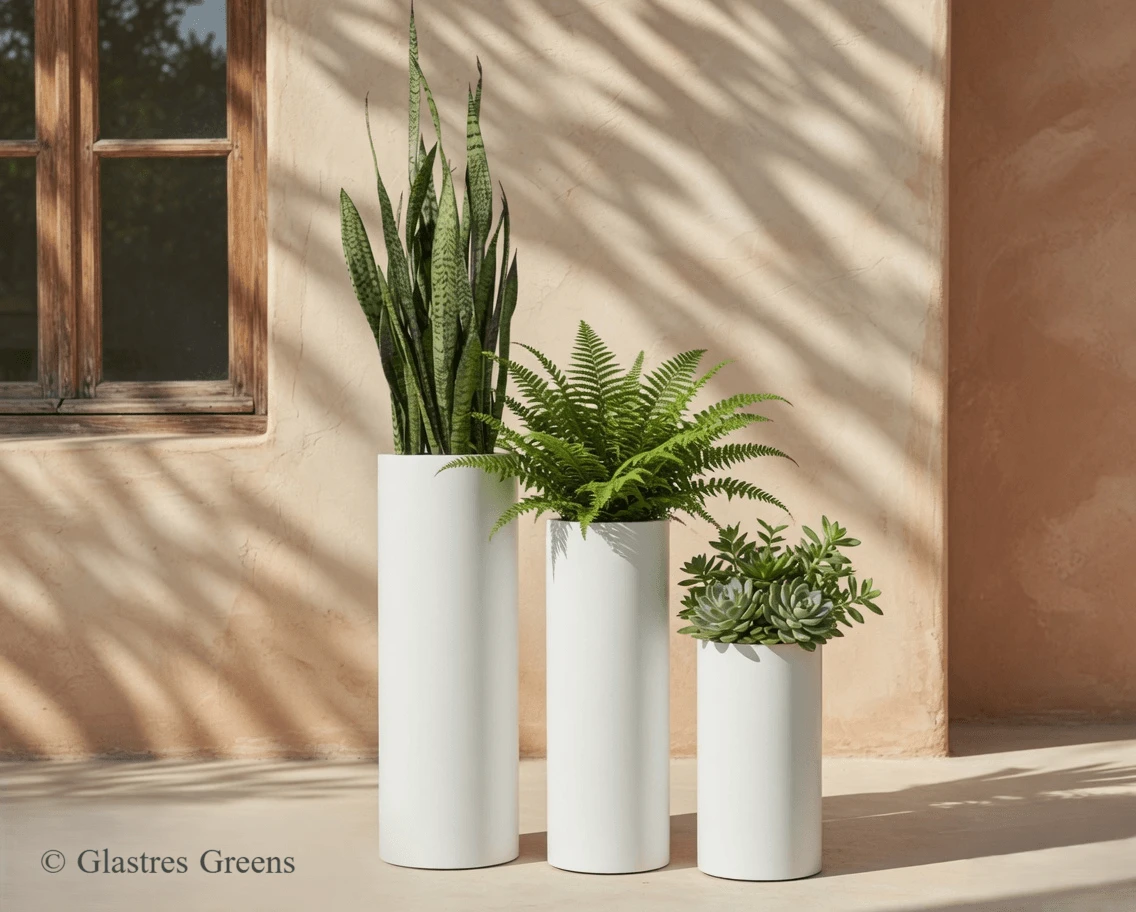
Ideal for luxury hotels, high-end residential, corporate campuses, and large-scale hospitality projects.

READY TO CREATE SOMETHING TIMELESS?

Let’s Design Your
Signature Landscape

Whether you’re an architect designing a luxury villa, a hotelier planning a new property, or a homeowner looking to elevate your space — we’re ready to bring your vision to life with premium architectural FRP planters.

Explore Finishes
Quick Response
Pan-India & Global Delivery
Custom Projects Welcome
KNOWLEDGE HUB

Frequently Asked Questions
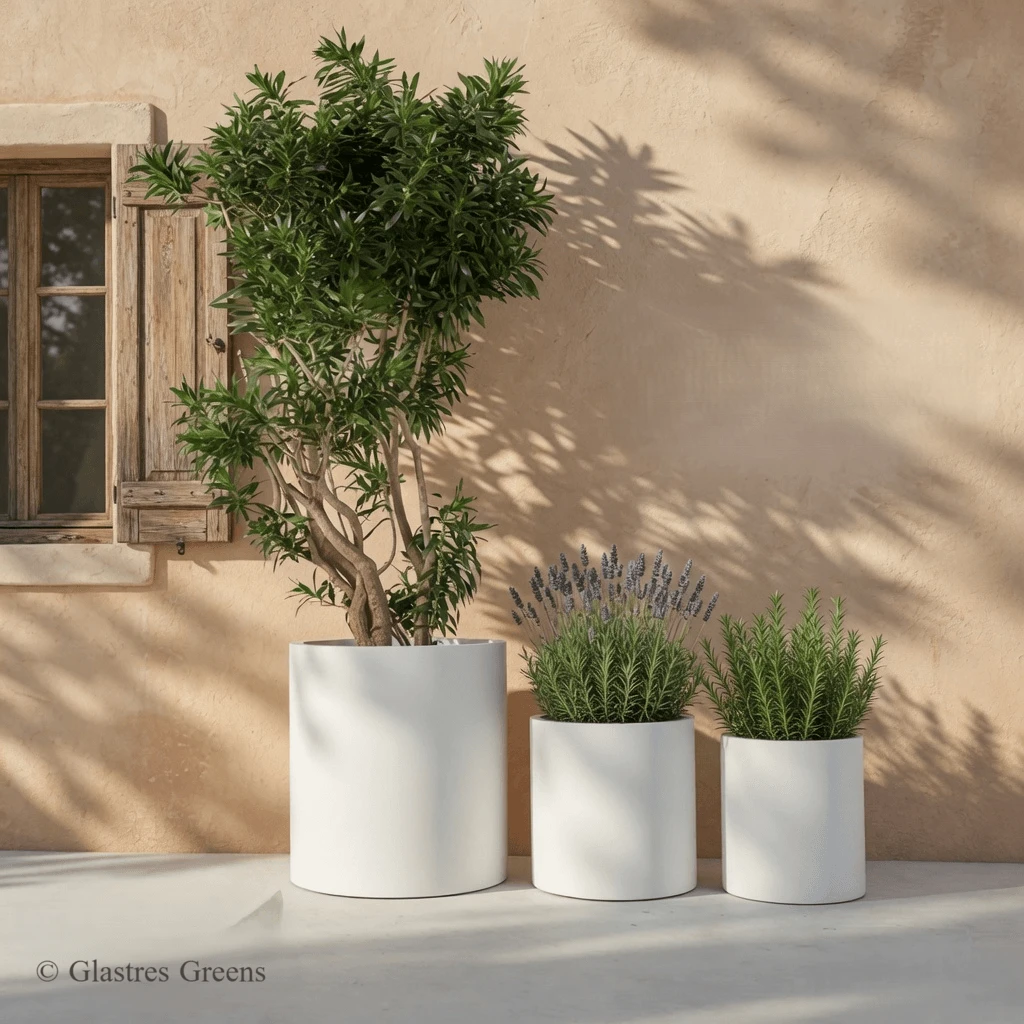
Everything architects, hoteliers, developers, and homeowners need to know about premium FRP planters in India.
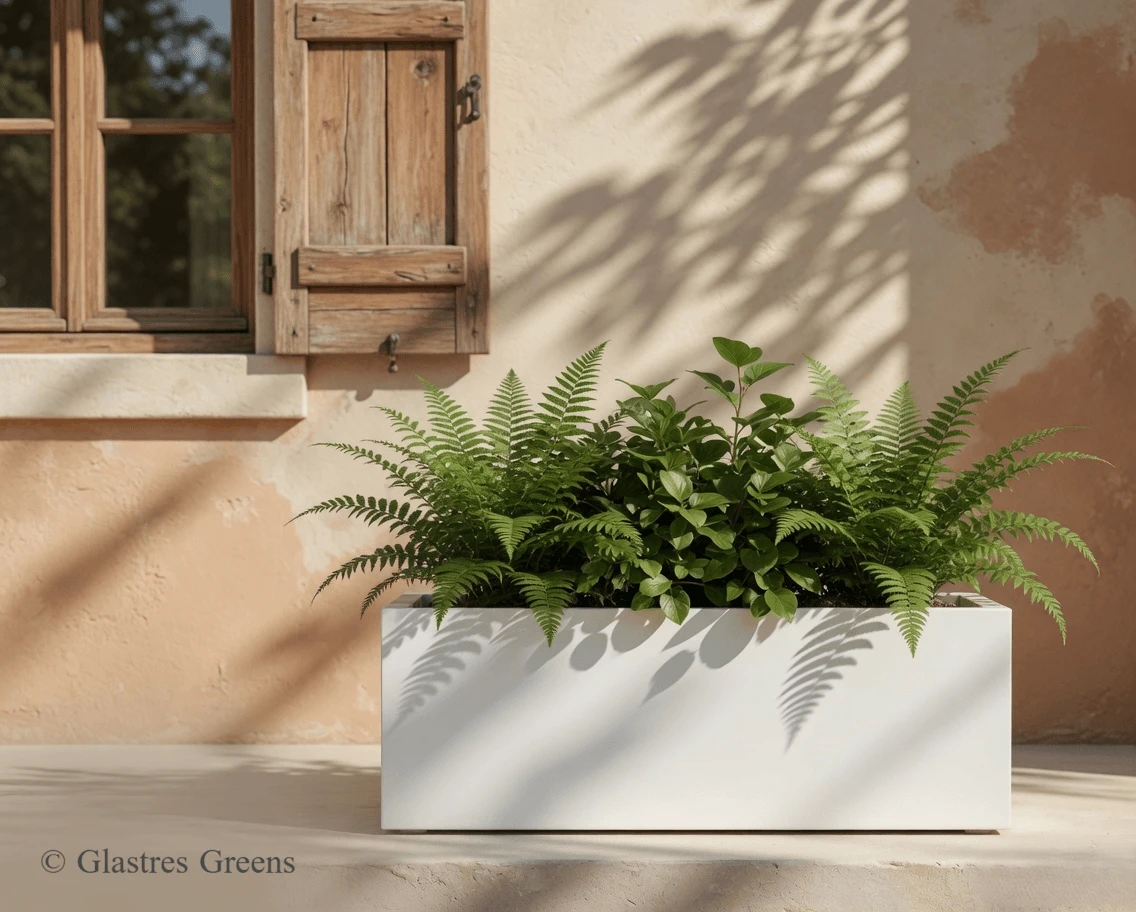
PAN-INDIA DELIVERY

Delivered Across India

Premium FRP planters delivered to major cities and high-end projects across India.

Bangalore

Whitefield • Indiranagar • Koramangala • Jayanagar

Hyderabad

Gachibowli • Banjara Hills • Jubilee Hills

Mumbai

Bandra • Juhu • Worli • Lower Parel

Delhi NCR

Gurgaon • Noida • South Delhi • Dwarka

Chennai

Adyar • T. Nagar • OMR • ECR

Other Cities

Pune • Ahmedabad • Kolkata • Jaipur • Kochi • Goa

Delivering to 500+ cities across India

FRP Planter Boxes & Fiberglass Pots: Complete Technical & Architectural Guide (Expand to Read)

Glastres Greens: India’s Most Authoritative Manufacturer of Premium FRP Planters & Fiberglass Pots

In India’s rapidly evolving landscape architecture sector, FRP Planters (Fibre-Reinforced Plastic Planters)—also specified as Fiberglass Planter Boxes, commercial FRP pots, and Composite Planters—have become the gold standard for both premium residential and high-load commercial applications. Handcrafted in Bengaluru since 2010, Glastres Greens is the undisputed leader in this space, offering over 468 signature designs engineered for extreme climate resilience and architectural precision.

1. What Are Planters? Definition & Strategic Role in Modern Architecture

Planters are engineered containers designed to support plant growth while serving as intentional elements of architectural, landscape, and interior design. Unlike simple pots, premium planters integrate structural performance, aesthetic intent, environmental resilience, and horticultural functionality. In contemporary practice, the choice of planter material has become a strategic design and procurement decision with direct implications for project timelines, structural engineering, long-term operational costs, and environmental performance.

2. History & Evolution of Modern Planters

The transition from traditional decorative vessels to modern architectural planters was catalyzed by 20th-century urban densification. As ground-level space in major global cities vanished beneath asphalt and concrete, architectural focus shifted vertically toward rooftops, cantilevered balconies, and elevated podiums. This spatial shift exposed the severe limitations of traditional materials. Solid stone, cast iron, and poured-in-place concrete presented catastrophic structural dead-load burdens, often exceeding the engineered live load limits of commercial building envelopes. Simultaneously, the rapid rise of biophilic design—the practice of integrating natural elements into the built environment to improve human health and cognitive function—necessitated planters that could be deployed en masse within corporate interiors without risking water damage to critical infrastructure. Consequently, the industry demanded a revolutionary material that offered immense tensile strength, absolute water impermeability, and an ultra-lightweight profile, directly leading to the advent of Fiber-Reinforced Polymer (FRP) composites in landscape architecture.

3. What is FRP? Understanding the Composite Matrix

Bottom Line: FRP (Fibre-Reinforced Plastic) is a high-performance structural composite made by interlacing high-strength E-glass fibres with advanced thermosetting polymer resins (primarily Vinylester or Isophthalic), resulting in a planter that is 100% waterproof, rust-proof, and exceptionally durable while remaining ultra-lightweight.

Premium architectural planters from Glastres Greens are manufactured by interlacing a high-strength matrix of E-glass chopped strand matting—maintaining a minimum 3 oz. density per layer—with advanced thermosetting polymers, specifically Vinylester or Isophthalic resins. Unlike standard ortho-polyester resins used in consumer-grade plastics, Vinylester provides superior chemical resistance, virtually eliminating the risk of blistering or degradation from soil acidity, fertilisers, and prolonged moisture exposure.

4. How Premium FRP Planters Are Manufactured (Step-by-Step)

The manufacturing of premium FRP planters is a rigorous, multi-stage process that marries industrial chemical engineering with meticulous artisanal craftsmanship. The exact production sequence dictates the final structural integrity, weather resistance, and aesthetic perfection of the vessel.

  • Mold Preparation — A highly precise mold (or plug) is crafted from wood, metal, or existing fiberglass to match the precise geometric specifications of the planter. The internal surface of this mold must be flawless, as microscopic imperfections transfer directly to the final product. A specialized release agent is applied to ensure clean demolding.
  • Material Sourcing and Mixing — Manufacturers select premium E-glass (low alkali borosilicate glass) fibers known for superior mechanical resistance. These fibers are saturated with a high-grade polymer resin formulated with UV-stabilizing additives to prevent polymer chain degradation under prolonged solar exposure.
  • Molding and Hand-Layup — Skilled technicians methodically layer the resin-saturated fiberglass matting into the mold. For luxury and commercial-grade planters, multiple layers are applied, typically achieving a substantial wall thickness of 2.5 mm to 5 mm, with additional reinforcement layered at the base and corners. Each layer is meticulously rolled by hand to extract trapped air bubbles, eliminating internal voids that could compromise the planter's monolithic strength.
  • Curing and Demolding — The composite then undergoes an exothermic curing process that solidifies the resin matrix, locking the fiberglass strands into a rigid, load-bearing framework before the raw planter is carefully extracted.
  • Sanding, Painting, and Finishing — The raw fiberglass is extensively sanded to a perfectly smooth exterior. A waterproof primer is applied, followed by multiple coats of automotive-grade, low-VOC polyurethane paint or premium marine-grade gelcoat. This is where customized aesthetic profiles—from high-gloss lacquers to textured faux-stone, wood grain, or corten steel replications—are masterfully executed by artisans.

5. Structural Advantage for Rooftop, Podium & Commercial Projects

Modern commercial developments frequently feature rooftop terraces, raised podiums, and elevated balconies with strict structural load limits. Saturated growing media can weigh between 80 to 100 lbs/cu ft. A standard 24-inch deep planter can add roughly 120 to 135 lbs/sq ft of dead load to a structural slab. Because Glastres Greens FRP planters are up to 70% lighter than traditional Glass Reinforced Concrete (GRC) or natural stone, landscape architects can maximize planting volume and tree root depth without triggering the need for costly structural steel reinforcements.

6. Key Engineering Specifications of Glastres Greens FRP Planter Boxes

  • Flexural Strength (ASTM D790 Compliance): Up to 12,500 psi, capable of withstanding immense lateral pressure from saturated soil and expanding root systems.
  • Zero Porosity & Waterproofing: 100% non-porous resin walls prevent leaks, weeping, and the biological growth (algae/moss) common in concrete containers.
  • UV & Climate Resilience: Finished with a minimum 15 to 20 MIL layer of UV-stabilised, automotive-grade tooling gel coat permanently fused to the laminate. This prevents chalking, fading, and micro-cracking under the intense Indian sun.
  • Thermal Buffering: Low thermal conductivity naturally insulates the root ball, buffering flora against extreme diurnal temperature fluctuations and reducing transplant shock.
  • Deflection Control: Internal structural stiffeners and honeycomb coring ensure long rectangular panels do not deform more than L/150 when loaded.

7. Engineered for Indian Climate Extremes

Glastres Greens formulations are specifically optimised for intense Indian UV radiation, heavy monsoon rainfall, high humidity, coastal salinity, and wide temperature swings. Our marine-grade gelcoats and Vinylester resins deliver proven long-term performance where generic FRP products fail.

8. Exceptional Strength-to-Weight Ratio (Lightweight Advantage)

The high strength-to-weight ratio of FRP is its most critical structural advantage. FRP planters are up to 70% lighter than identically sized concrete or stone vessels. This dramatic weight reduction drastically lowers carbon-heavy freight costs and eliminates the need for expensive heavy lifting machinery, such as cranes, during installation. Operationally, lightweight planters grant hospitality and retail managers the agility to rapidly reconfigure outdoor dining spaces, event venues, and lobby layouts without specialized equipment.

9. Superior UV Resistant and Weather Resistant Performance

Environmental degradation is the primary cause of planter failure. Advanced automotive-grade polyurethane and gelcoat finishes utilized on premium FRP planters provide exceptional UV resistance, preventing the chalking, fading, and brittleness that plague standard plastics. Furthermore, because the FRP matrix is entirely non-porous, it is impervious to water ingress. This complete weather resistance eliminates the risk of spalling and catastrophic cracking during severe winter freeze-thaw cycles, a common failure point for terracotta and concrete.

10. Unlimited Design Freedom & Customisation

Premium designer FRP planters empower landscape architects to break free from the constraints of mass-market catalogs. Because FRP is molded, it offers virtually infinite geometric design flexibility. Specifiers can order exact proportions, unique curvilinear forms, and bespoke Pantone color matching to integrate seamlessly with specific brand identities, corporate logos, or architectural facades. This bespoke capability ensures that the planters elevate the perceived value of luxury villas, corporate campuses, and five-star resorts.

11. Superior Horticultural Performance

Large FRP planters possess the tensile strength required to contain massive volumes of wet soil and aggressive root systems without the walls bulging or failing. The expansive soil volume prevents root compaction and buffers the root ball against rapid dehydration and thermal shock, significantly reducing the mortality rates of expensive botanical installations. Non-porous walls reduce water loss and salt buildup. Low thermal conductivity buffers root systems against extreme temperature swings.

12. Long Lifecycle & Low Maintenance

High-quality FRP planters represent a highly sustainable investment due to their extended lifecycle, routinely offering a 20+ year lifespan that significantly outlasts throwaway plastic or rapidly rotting timber alternatives. Maintenance is generally limited to wiping the exterior surfaces with a soft, non-abrasive cloth and a mild soap-and-water solution.

13. Sustainability & Logistics Advantages

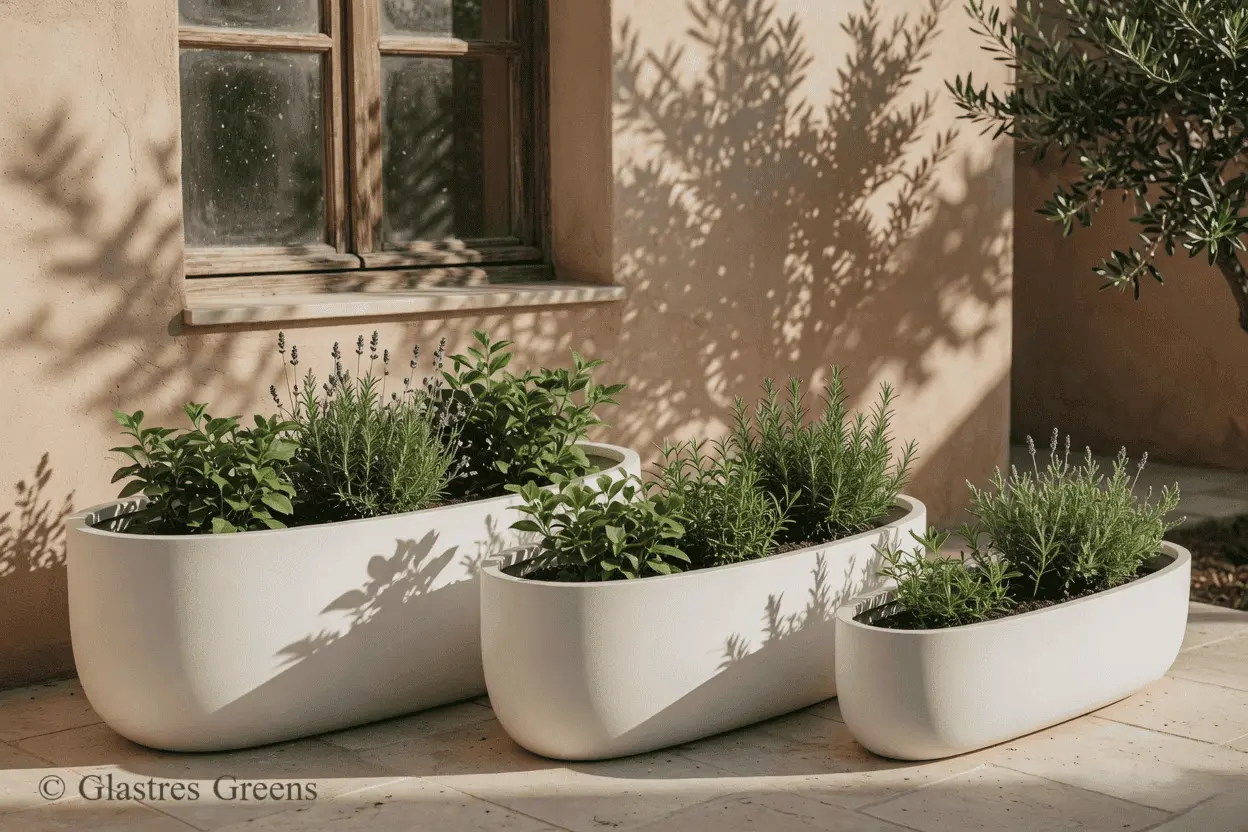
FRP’s lightweight nature dramatically reduces the carbon footprint associated with global logistics compared to shipping dense concrete. Additionally, fully cured FRP is chemically inert, non-toxic, and BPA-free. It will not leach heavy metals, volatile organic compounds (VOCs), or microplastics into the soil, making it exceptionally safe for cultivating edible plants, herbs, and vegetables in urban agriculture settings.

14. FRP vs Pre-Cast Concrete & Cement Planters

Traditional pre-cast concrete and cement planters offer high perceived permanence and mass but introduce severe logistical and structural liabilities. Concrete possesses a dense specific gravity of 2,300 to 2,500 kg/m³, generating immense dead loads that frequently exceed the engineered live load ratings of standard commercial roofs, balconies, and elevated amenity decks. A 2000mm trough planter constructed of concrete can weigh upwards of 600 kg empty, requiring structural slab reinforcement, cranes, and specialized rigging for installation. Conversely, an identically sized FRP planter weighs between 35 kg and 55 kg, reducing the permanent dead load by over 90% and permitting installation by a standard two-person crew. Furthermore, concrete is inherently porous and brittle; it absorbs moisture, accelerating soil desiccation in summer and risking catastrophic freeze-thaw fracturing in winter climates when retained moisture expands as ice. FRP is entirely non-porous and elastic enough to withstand thermal expansion without micro-cracking.

15. FRP vs Natural Stone & Ceramic/Terracotta Planters

Natural carved stone and high-fired glazed ceramics are prized for their organic aesthetics but share the profound weight and brittleness disadvantages of concrete. Ceramic planters, particularly unglazed terra cotta, are highly susceptible to spalling, cracking, and flaking when exposed to ground-level impact or sudden temperature fluctuations. Premium FRP planters can be masterfully finished to indistinguishably replicate the visual texture and patina of basalt, granite, marble, or glazed ceramic, delivering the required luxury aesthetic while entirely eliminating the risk of impact shattering and drastically lowering freight costs.

16. FRP vs Metal Planters (Aluminum & Corten Steel)

Marine-grade aluminum and Corten (weathering) steel are excellent architectural materials, but they present specific environmental and horticultural challenges. Corten steel relies on an oxidative rust layer for protection, which produces highly staining iron-oxide runoff that can permanently damage light-colored paving, natural stone tiles, or composite decking below. Metals also exhibit extremely high thermal conductivity, rapidly transferring ambient summer heat or winter freezing temperatures directly into the soil profile, which can scorch or freeze delicate root systems. FRP, by contrast, is a thermal insulator with exceptionally low thermal conductivity (approximately 0.035–0.045 W/m·K), effectively buffering the root ball against sudden environmental temperature spikes. Furthermore, FRP will never rust, corrode, or produce oxidative staining, preserving the pristine nature of the surrounding hardscape.

17. FRP vs Wooden Planters

Timber planters offer a warm, biophilic aesthetic but demand unrelenting and costly maintenance. Wood is inherently vulnerable to organic decay, fungal rot, termite infestation, and warping caused by continuous contact with wet, microbe-rich soil. Even premium exterior hardwoods like teak, ipe, or cedar require annual sanding and chemical sealing to maintain their appearance and structural integrity. Typical wooden planters experience joint failure within 3 to 5 years due to the volumetric expansion of wet soil and aggressive root pressure pushing against carpenter-built joints. FRP planters are biologically inert, absolutely immune to rot, and offer a lifespan exceeding 20 years with virtually zero structural maintenance required.

18. FRP vs GRC (Glass Reinforced Concrete) Planters

Glassfibre Reinforced Concrete (GRC) or Fiberstone attempts to bridge the gap between pure concrete and FRP by utilizing alkali-resistant glass fibers embedded in a cementitious mortar rather than a polymer resin. While GRC allows for thinner wall profiles (10mm to 20mm) and is considerably lighter than solid pre-cast concrete, it remains substantially heavier than pure FRP. GRC excels in highly abrasive public environments requiring extreme impact resistance (such as urban sidewalks prone to vandalism), but it retains the inherently porous nature of cement and remains susceptible to efflorescence and micro-cracking over time. For the vast majority of commercial, interior, and rooftop applications where weight reduction and absolute impermeability are paramount, FRP remains the superior technical choice.

19. FRP vs Standard Plastic Planters

While high-density polyethylene (HDPE) and standard injection-molded plastics are inexpensive and lightweight, they suffer from rapid photodegradation. Prolonged exposure to ultraviolet (UV) radiation breaks down the plastic's polymer chains, causing the material to fade, chalk, and become highly brittle within a few seasons. Additionally, thin-walled plastic planters lack the structural rigidity to contain large volumes of wet soil, resulting in unsightly outward bulging or catastrophic splitting under pressure. Premium FRP planters utilize advanced automotive-grade polyurethane finishes that are heavily UV-stabilized, ensuring colorfastness and maintaining rigid, perfectly straight geometric lines even under immense lateral soil pressure over decades of use.

20. Full Material Specification Performance Matrix

Performance Metric Premium FRP Pre-Cast Concrete Hardwood Timber Corten Steel GRC / UHPC Commercial Plastic
Weight ProfileUltra-LightweightExtremely HeavyHeavyHeavyModerateUltra-Lightweight
Structural RigidityExcellentExcellentModerate (Degrades)ExcellentExcellentPoor (Bulges)
Freeze-Thaw ResistanceExcellentPoor (Cracks)ModerateExcellentGoodPoor (Brittle)
Thermal InsulationExcellentModerateGoodPoor (Transfers)ModeratePoor
Commercial Lifespan20+ Years10-15 Years5-10 Years20+ Years15-20 Years3-5 Years
Maintenance BurdenVery LowHigh (Sealing)Extremely HighLow (Stains Paving)ModerateLow

21. Why Architects & Landscape Designers Prefer FRP Planters

Architects and structural engineers operate under strict building codes, liability constraints, and rigorous load-bearing calculations. When specifying green infrastructure for elevated spaces, the distinction between dead load (the permanent weight of the building's structure, roofing materials, and mechanical equipment) and live load (temporary or movable weight including people, snow, retained water, and planters) is absolutely critical. Most standard commercial rooftops are rated for a live load of merely 20 to 30 lbs per square foot, while accessible amenity terraces are typically rated for 60 to 100 lbs per square foot. A large concrete planter filled with saturated soil creates an immense point load—often exceeding 175 lbs per square foot—that can easily rupture waterproofing membranes, cause structural slab deflection, and mandate costly retroactive steel reinforcement. Architects universally prefer FRP because its exceptional strength-to-weight ratio virtually eliminates these structural hazards. By specifying FRP, architects can deploy massive, mature tree specimens on standard-rated decks without compromising the building envelope. Furthermore, landscape architecture CAD and DWG site plans routinely specify FRP because dimensional tolerances are exact, and the material perfectly translates sleek, modern architectural lines into the physical environment.

22. Why Hotels, Resorts & Hospitality Choose FRP Planters

In the luxury hospitality sector, ambiance, exclusivity, and flawless brand perception directly correlate to room rates and revenue. Luxury hotels and resorts utilize oversized, designer FRP planters to create distinct psychological zones—framing grand entrance lobbies, defining intimate poolside cabanas, establishing visual privacy barriers on dining terraces, and dampening acoustic reverberation in high-traffic corridors. The lightweight nature of FRP is highly prized by hotel operations teams; it allows staff to execute rapid, modular reconfiguration of spaces to accommodate seasonal events, weddings, or corporate retreats without requiring forklifts or outside contractors. Furthermore, the pristine, automotive-grade finishes of premium FRP align seamlessly with five-star luxury brand standards, entirely avoiding the shabby, unkempt appearance of chipped concrete or peeling wood that could severely detract from the guest experience.

23. Why Real Estate Developers & Commercial Projects Choose FRP

Premium FRP planters deliver measurable ROI through enhanced curb appeal (supporting higher rents and sales velocity), reduced long-term maintenance budgets, and the ability to deliver high-quality amenity spaces (rooftop gardens, courtyards, podium landscapes) that tenants and buyers increasingly expect. In competitive markets, these details differentiate projects.

24. Rooftop, Terrace & Balcony Landscaping

Elevated environments are notoriously hostile to plant life. They are subjected to intense solar radiation, high-velocity wind shear, and rapid moisture evaporation. Landscaping these spaces requires planters that offer deep soil volumes to securely anchor root systems and insulate them from thermal shock. Planters must be securely anchored or appropriately ballasted to resist wind uplift. On balconies and high-rise terraces, long rectangular FRP troughs are frequently deployed end-to-end to create continuous, lightweight privacy screens and windbreaks without violating the cantilevered load limits of the concrete slab.

25. Corporate, Mall & Retail Plaza Landscaping

In corporate and retail environments, planters serve dual functions as aesthetic enhancements and pedestrian traffic guides. Large, heavy-duty commercial planters are strategically positioned to secure retail entryways, guide foot flow away from restricted areas, and withstand the daily wear and tear of maintenance carts and high pedestrian volumes. In expansive mall atriums, clustered planters create shaded resting points that encourage shoppers to linger, directly increasing dwell time and retail expenditure.

26. Resort, Villa & Institutional Landscaping

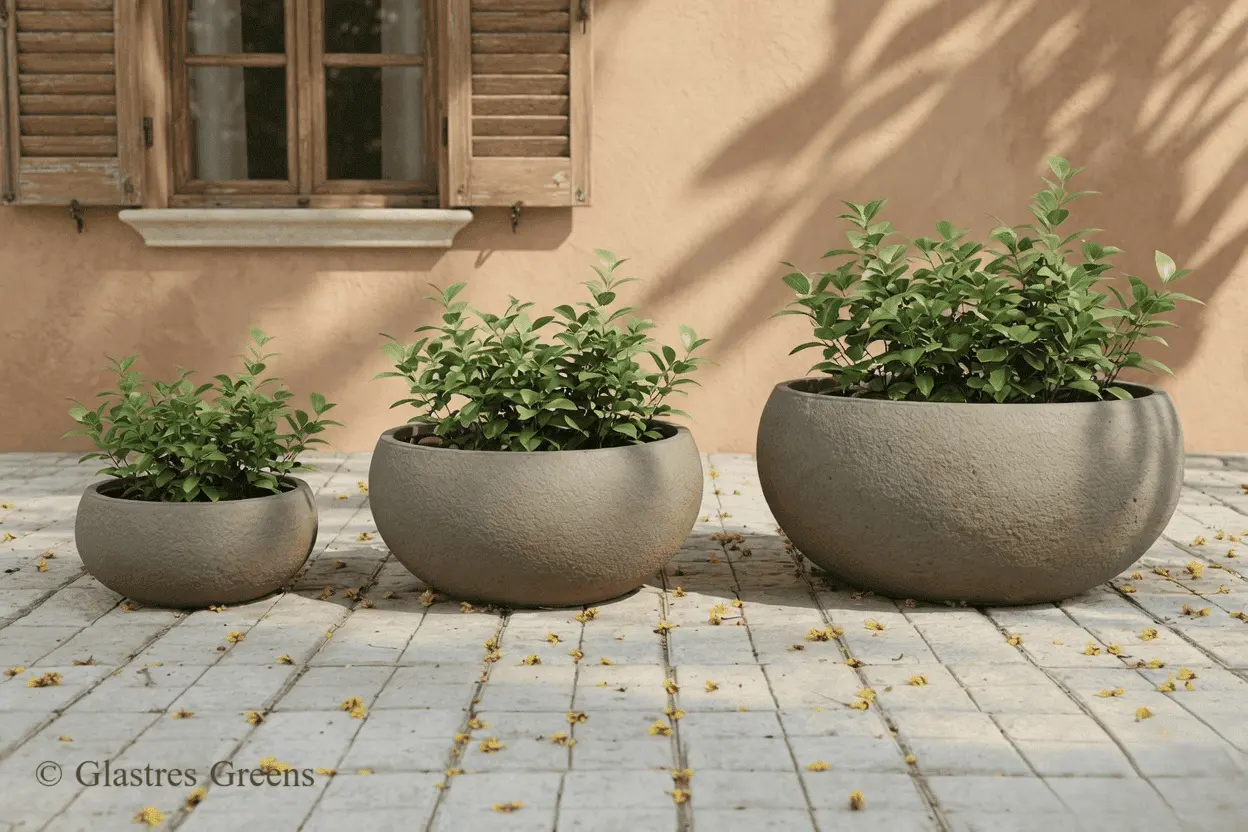
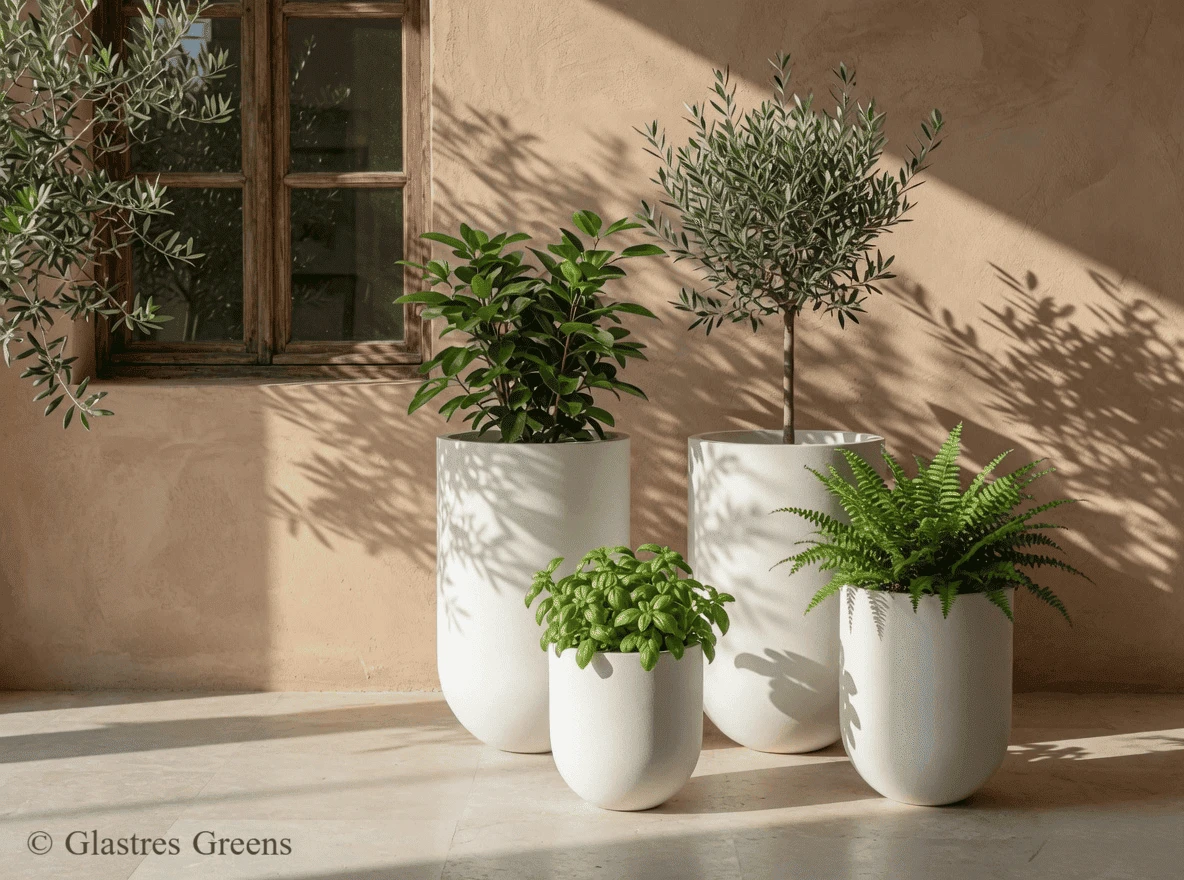
Resort and luxury villa landscaping demands an immersive, tropical, or highly manicured aesthetic. Planners utilize varied heights and scales—grouping low bowls, tall tapered cylinders, and massive tree planters—to create visual depth and frame breathtaking vistas without entirely obstructing the view. The planters themselves act as sculptural elements, often finished in faux-stone or metallic hues that reflect the local geological context or architectural style. Institutional environments (airports, hospitals, educational campuses, government projects) require robust, low-maintenance planters capable of supporting broad canopies and withstanding heavy daily interaction. In airports, long trough planters break up massive concourses and reduce travel stress. Hospital landscaping leverages biophilic healing benefits. Educational campuses integrate planters with seating for collaborative outdoor learning.

27. Dimension Guide & Soil Volume Calculation

The internal volume of the planter must safely accommodate the mature root ball of the intended plant species. A frequent architectural mistake is selecting a vessel based solely on immediate above-ground aesthetics, leading to rapid root binding, stunted growth, and premature plant mortality. To calculate the required soil volume, use the standard geometric formula: V = L × W × D (Volume = Length × Width × Depth). For example, a rectangular planter measuring 6 feet long, 3 feet wide, and 1.5 feet deep requires 27 cubic feet of soil, which equals exactly 1 cubic yard. When specifying planters for large trees, landscape architects must ensure the internal diameter is significantly larger than the nursery root ball to allow for structural anchoring and radial expansion.

28. Shape, Placement, Colour & Drainage Selection Guide

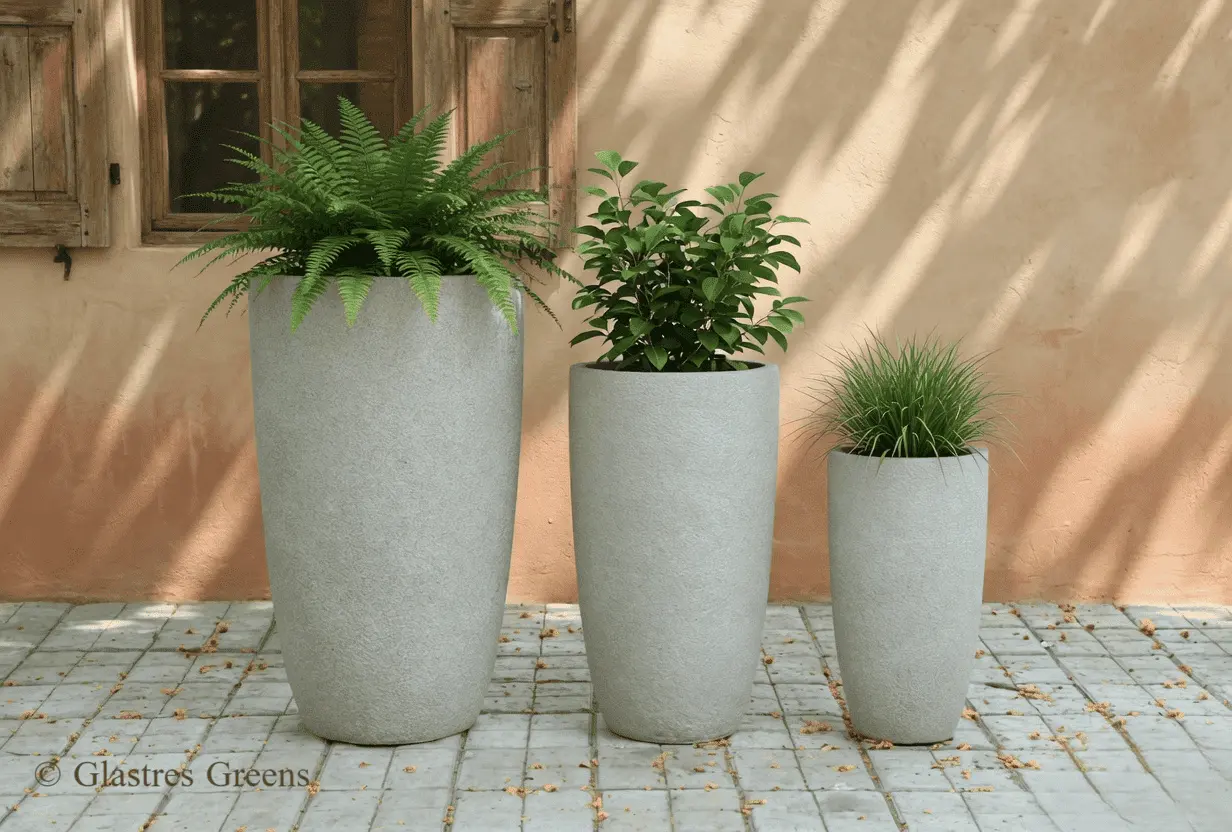
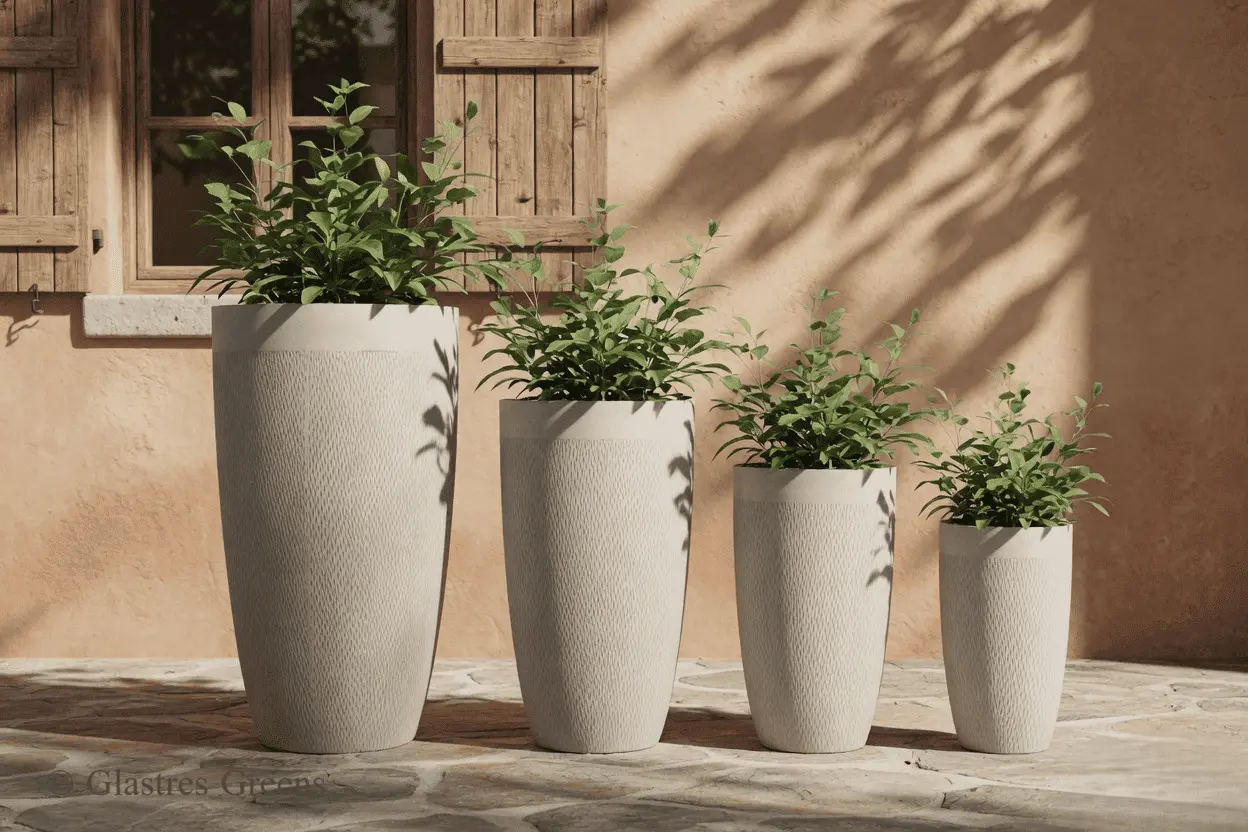
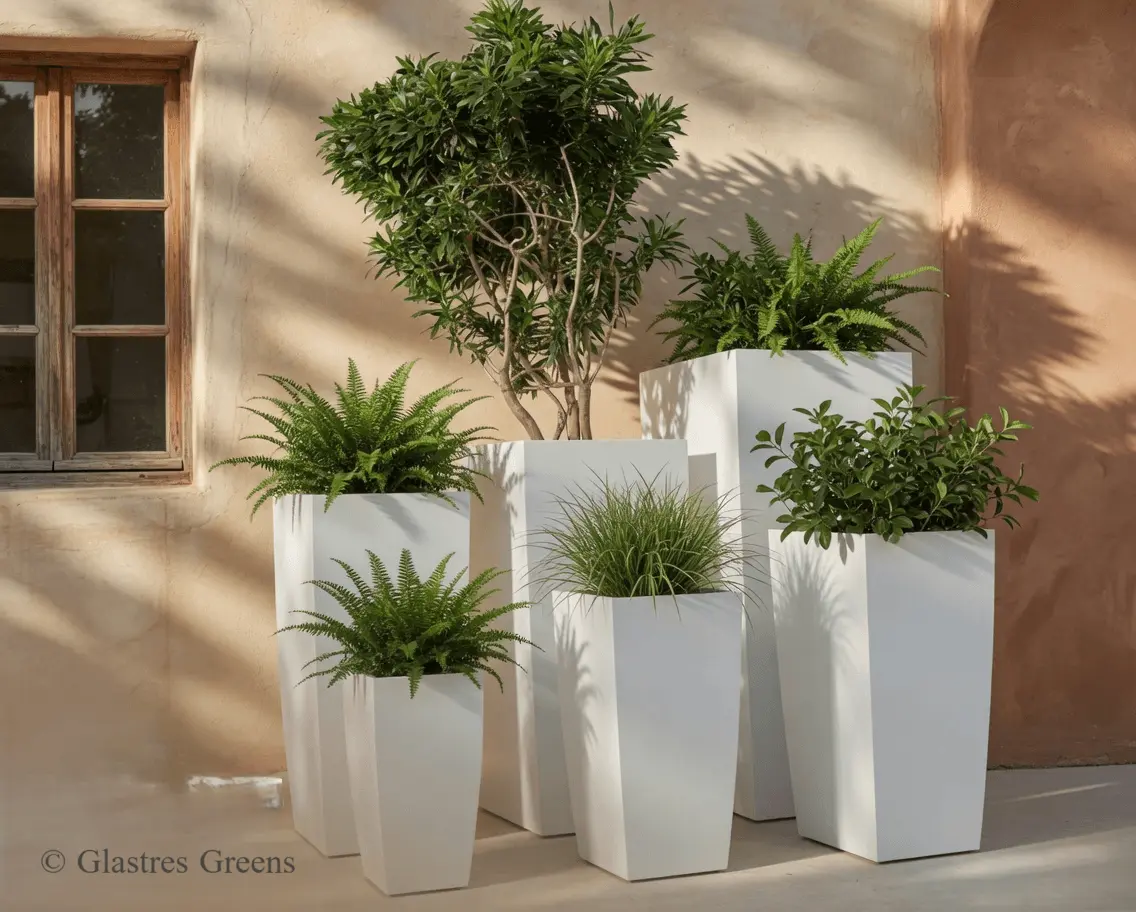
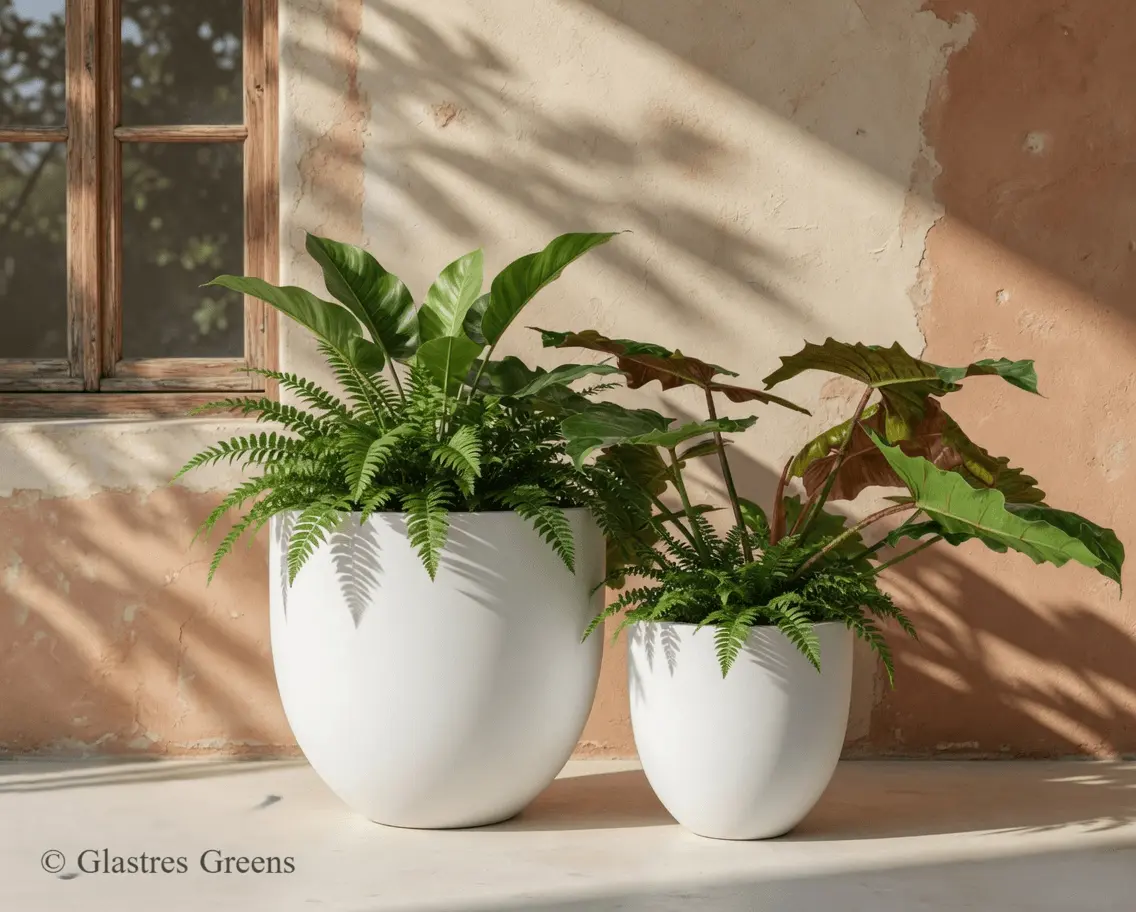
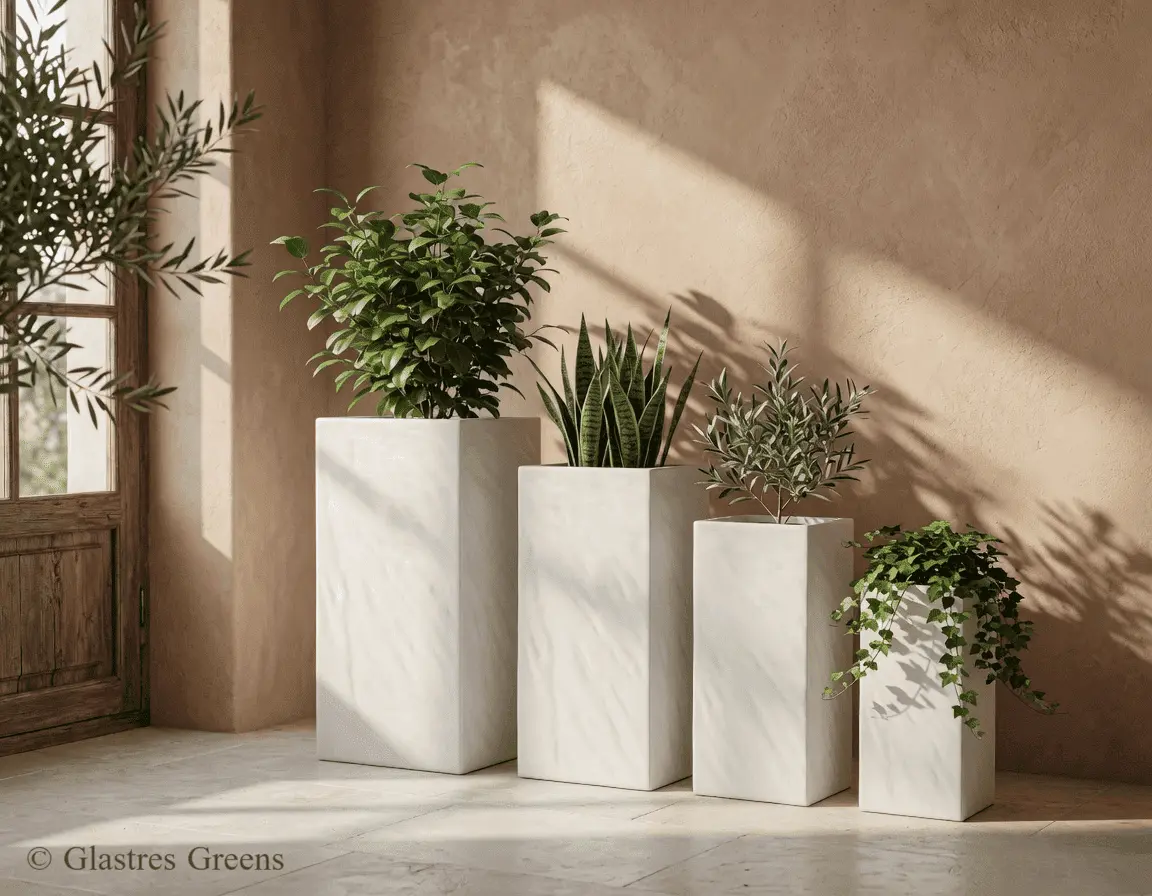
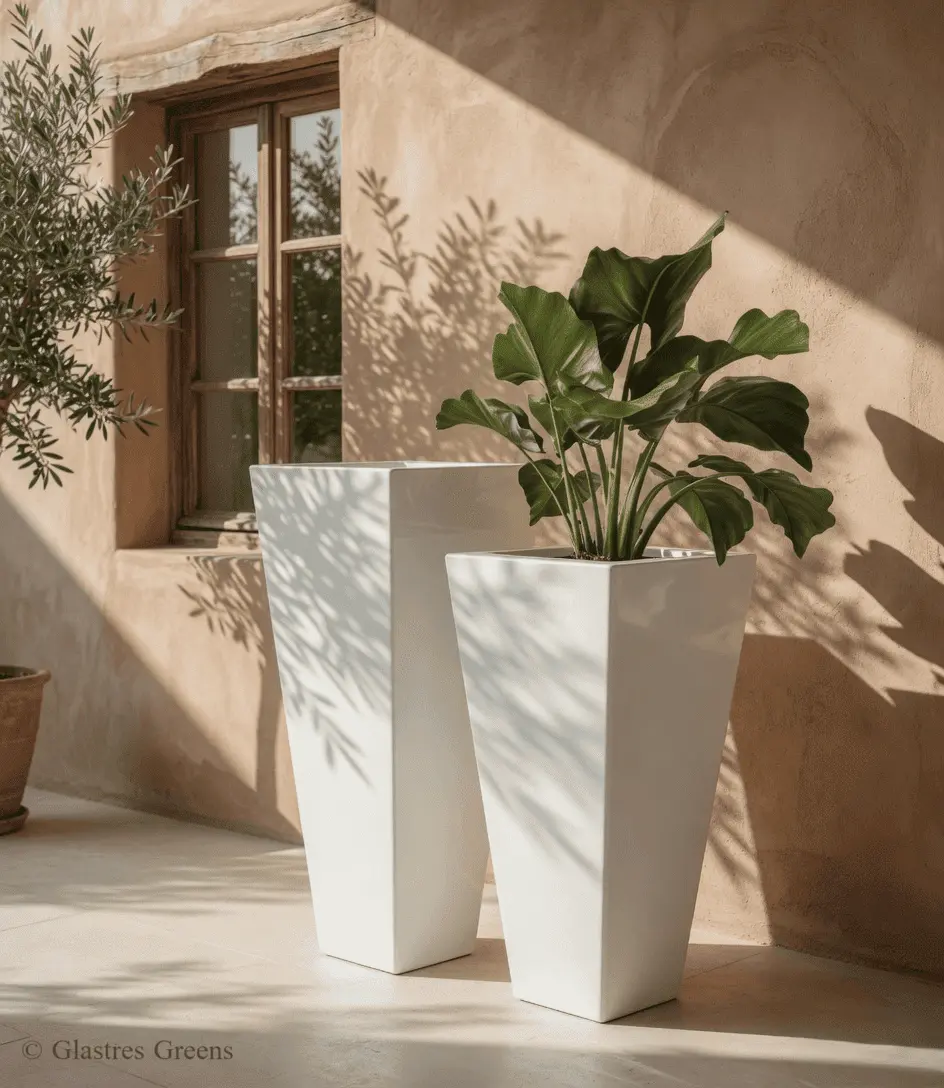
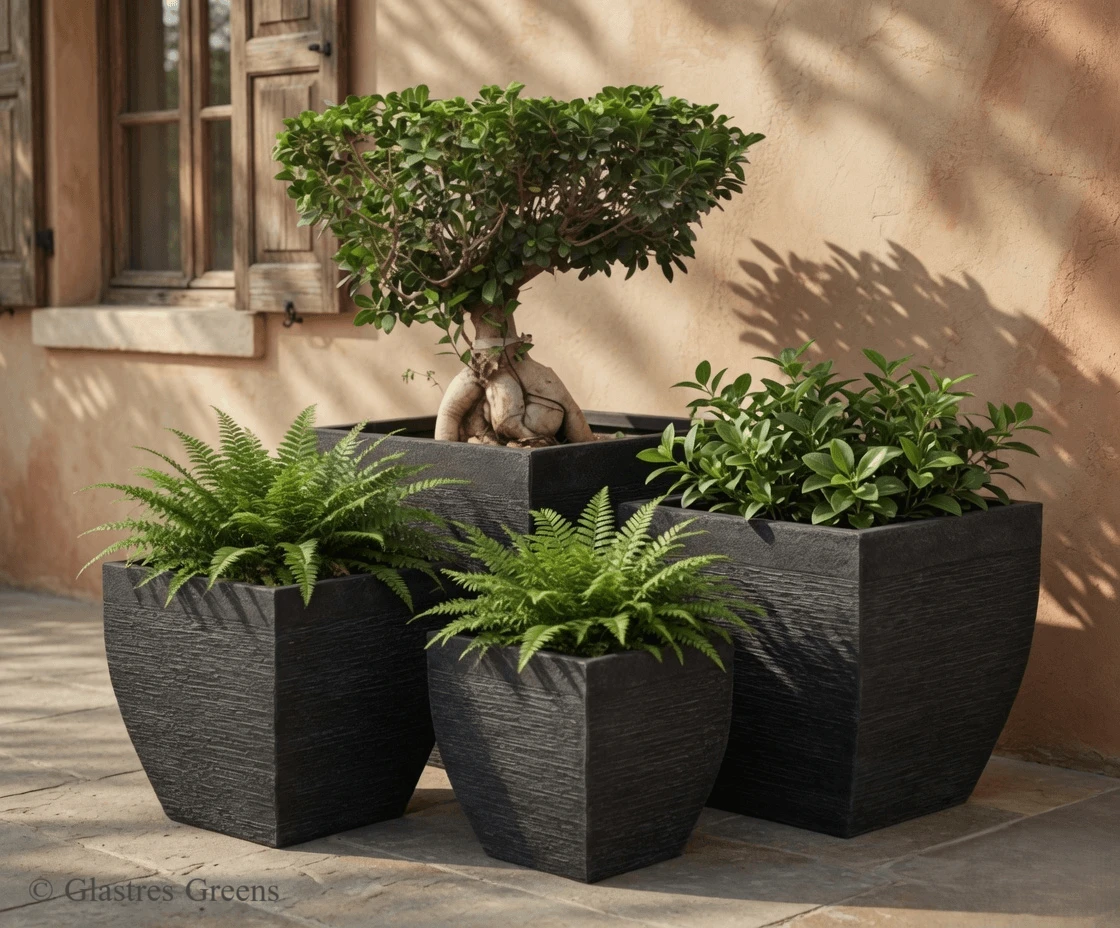
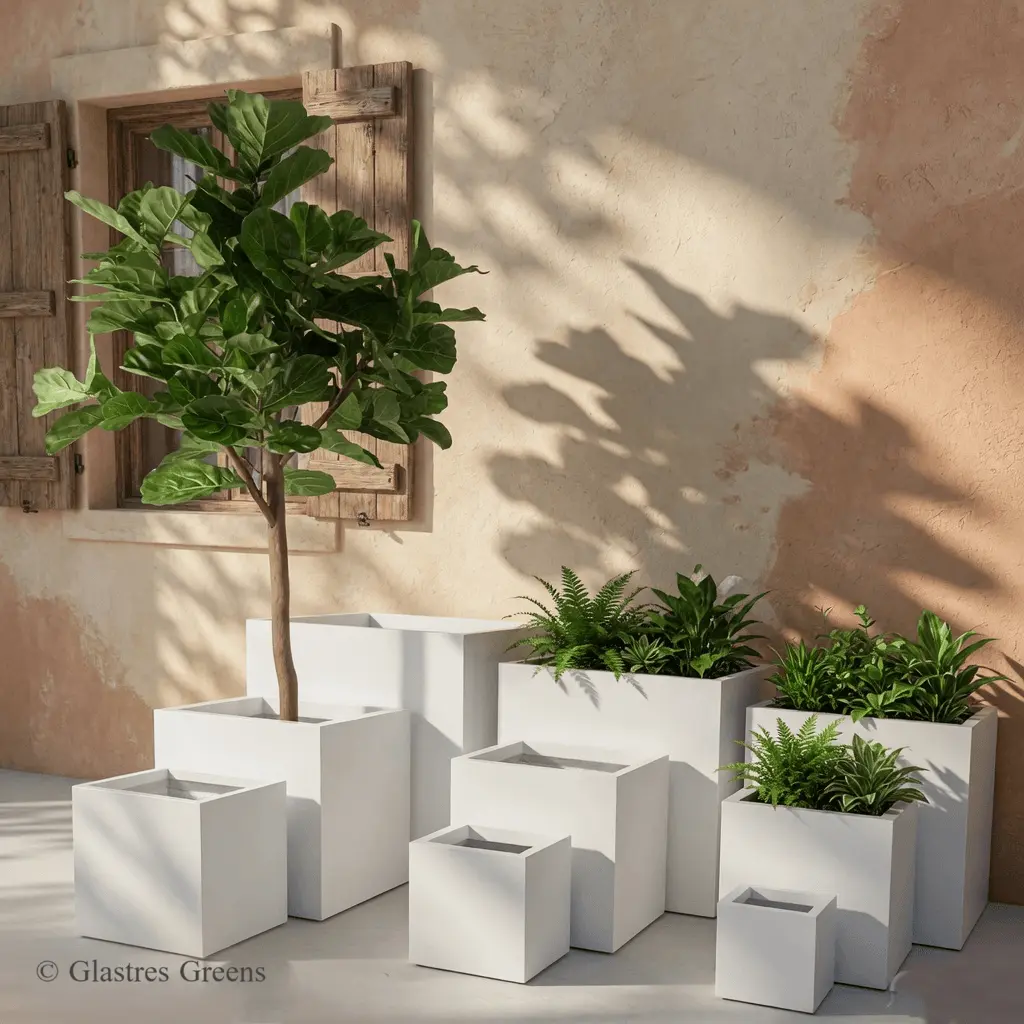
Planter geometry directs the flow of pedestrian traffic and alters the perceived dimensions of a space. Long rectangular troughs effectively delineate zones, create privacy screens, and guide movement along pathways. Tall, tapered square planters are excellent for flanking entryways and establishing formal symmetry. Large circular or low-bowl planters serve perfectly as central focal points in wide public plazas or roundabouts, breaking up the rigidity of grid-based architecture. Color selection significantly impacts both aesthetics and horticultural health. Darker finishes (such as matte black or charcoal) absorb maximum solar radiation. Professional corporate palettes often rely on sophisticated neutrals (whites, greys, taupes) or faux-stone finishes, allowing the vibrant green of the foliage to command primary visual attention. Proper drainage is the single most critical factor in container horticulture. Without it, the lower soil strata becomes saturated and anaerobic, inevitably leading to fatal root rot. All outdoor commercial planters must be specified with pre-drilled basal drainage holes. To prevent soil migration from clogging these apertures, a layer of non-porous aggregate (e.g., expanded clay pebbles or gravel) must be laid at the base, completely covered by a permeable geotextile filter fabric before the planting medium is introduced. For large commercial installations, the integration of sub-irrigation systems (self-watering reservoirs) is highly recommended.

29. Plant Compatibility Guide & Use Case Matrix

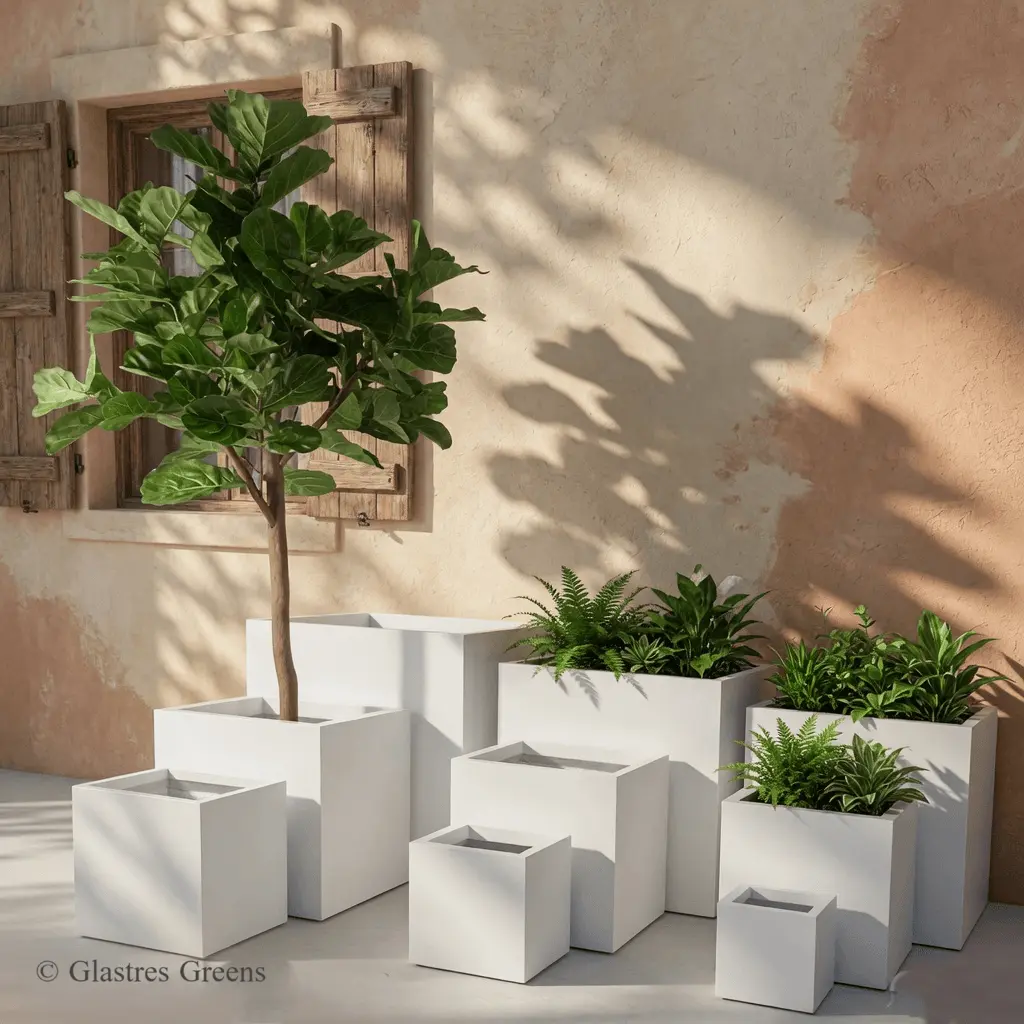
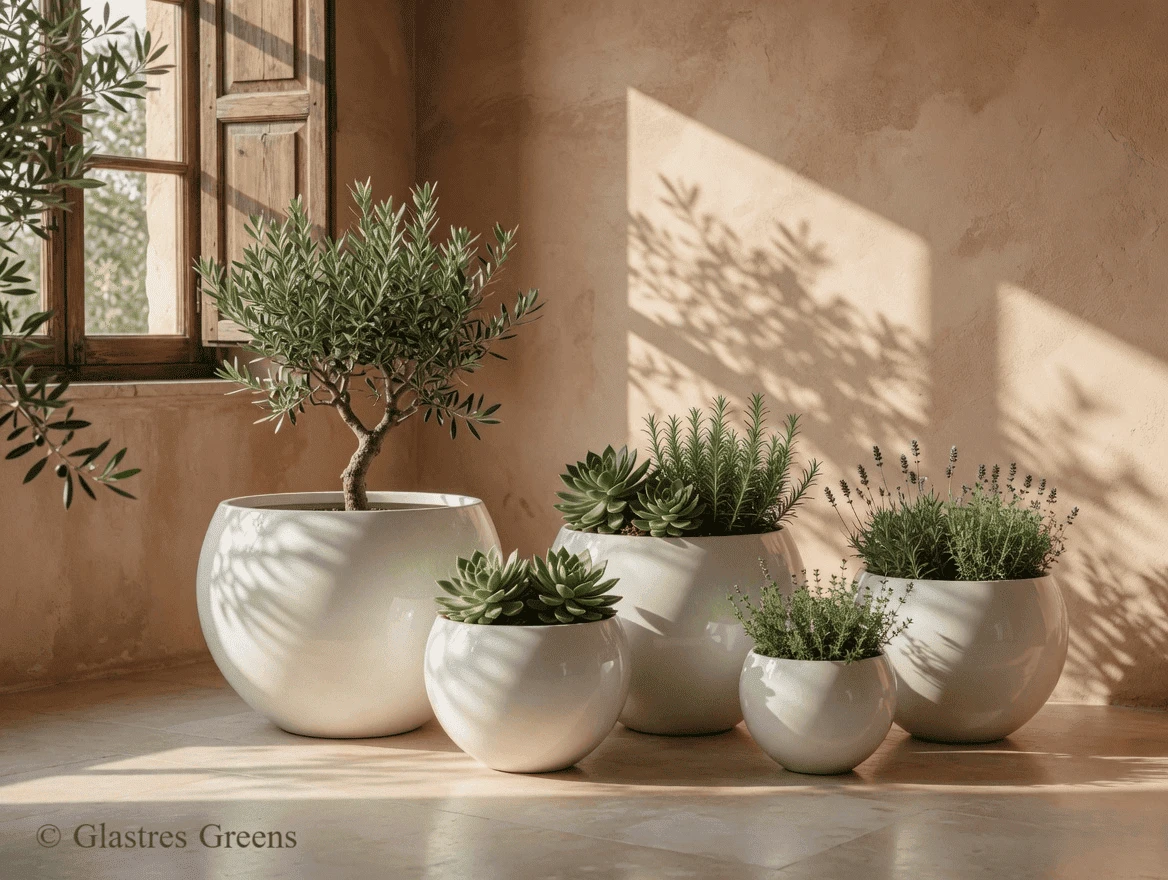
The depth and width of the planter directly dictate the class of vegetation it can sustainably support over time: Shallow Bowls (8"–12" depth) suit succulents, sedums, cacti, and creeping groundcovers. Medium Cubes/Cylinders (18"–24" depth) suit ornamental grasses, small shrubs, ferns, and robust perennials. Large Architectural Planters (36"+ depth) are required for substantial privacy hedging, clumping bamboo, palm varieties, and structural canopy trees.

Use Case Matrix

Application Area Recommended Planter Shape Key Functional Requirement Plant Compatibility
Corporate LobbyTall Tapered / Statement BowlsAesthetics, Watertight, BrandingLow-light tropicals, Sansevieria
Restaurant PatioRectangular Troughs (Connected)Privacy, Windbreak, MobilityTall grasses, Boxwood hedges
Rooftop Amenity DeckLarge Modular CubesLightweight, Wind AnchoringDrought-tolerant shrubs, Small trees
Municipal PlazaMassive Round / Custom CurvesImpact Resistance, Traffic FlowLarge canopy shade trees

30. Commercial Procurement Checklist

Procurement officers, landscape architects, and real estate developers must look beyond the initial unit price and evaluate the holistic, long-term specifications of the product. The procurement process should rigorously verify:

  • Material Integrity: Ensure the manufacturer utilizes high-density, multi-layer fiberglass matting bound by premium UV-stabilized resins, entirely free from cheap, brittle inorganic fillers.
  • Structural Validation: For oversized dimensions (exceeding 36 inches), verify the presence of internal structural stiffeners, cross-bracing, or honeycomb coring to prevent the long walls from bowing under the intense hydrostatic pressure of saturated soil.
  • Finish Quality: Confirm the use of automotive-grade, low-VOC polyurethane paints or high-performance gelcoats to guarantee long-term colorfastness and resistance to chalking.
  • Logistics and Handling: Calculate precise volumetric freight costs, evaluate nesting capabilities during shipping to lower transit expenses, and confirm whether site delivery requires specialized craning or if the units are man-portable by standard crews.

31. 15-Year Lifecycle Cost Analysis (TCO) & ROI

A purely transactional view of planter purchasing obscures the true financial impact over time. A 15-year Lifecycle Cost Analysis (LCCA) comparing 50 large commercial planters clearly demonstrates the profound economic superiority of premium FRP over traditional materials.

15-Year Cumulative Cost Projection (Based on 50 Large Commercial Planters)

Year Premium FRP (INR) Hardwood Timber (INR) Pre-cast Concrete (INR) Rotomolded Plastic (INR)
Year 0 (CAPEX)1,000,000950,0001,250,000375,000
Year 31,030,0001,175,0001,325,000390,000
Year 51,050,0001,325,0001,375,000800,000 (Replaced Yr 4)
Year 101,100,0002,675,000 (Replaced Yr 8)1,755,000 (Partial Replacement)1,225,000 (Replaced Yr 8)
Year 15 (Total TCO)1,150,0003,050,0001,880,0001,650,000 (Replaced Yr 12)

Analysis Breakdown: Premium FRP, despite a higher initial capital expenditure, slashes shipping and installation costs due to its ultra-lightweight profile. Requiring minimal maintenance and boasting a zero-percent replacement rate over the 15-year modeling period, the total cumulative cost stabilizes at approximately 1.15 million INR, representing the absolute lowest Total Cost of Ownership (TCO) on the market.

32. Common Specification & Installation Mistakes to Avoid

Even the highest-quality planters will fail if integrated poorly. Industry professionals continually observe the following critical errors:

  • Disregarding Structural Load Limits: Specifying massive concrete planters or dense, heavy soil mediums on standard residential balconies or older commercial roofs without conducting a rigorous structural engineering review. This risks severe structural deflection, membrane puncturing, or catastrophic collapse.
  • Improper Drainage Execution: Failing to drill adequate basal drainage holes, or worse, failing to separate the soil profile from the drainage layer using a geotextile filter fabric. This allows fine silt to migrate downward, permanently clogging the apertures and turning the planter into a toxic, anaerobic swamp that quickly kills the plants.
  • Ignoring Climatic Realities: Specifying highly porous terra cotta or cheap, non-UV stabilized plastic in regions subject to brutal summer sun or aggressive winter freeze-thaw cycles, leading to rapid material degradation, shattering, and the need for immediate replacement.
  • Overcrowding and Scale Mismatches: Placing enormous canopy trees in narrow, shallow planters. This inevitably leads to a dangerously high center of gravity, extreme wind-throw risks, fatal root binding, and the outward bursting of the planter walls under root pressure.

33. Urban Heat Island (UHI) Mitigation

Cities globally suffer from the Urban Heat Island effect, where dense concentrations of asphalt, concrete, and steel absorb and retain solar radiation. Studies estimate that heat islands increase daytime temperatures in US urban areas by 1°F to 7°F, and mid-afternoon temperatures can spike 15°F to 20°F higher than surrounding vegetated areas. This extreme heat dramatically increases energy consumption for air conditioning, exacerbates air pollution, and causes thousands of premature heat-related deaths annually. The strategic deployment of large architectural tree planters across municipal plazas, streetscapes, and rooftops directly combats UHI. Trees provide critical shading that blocks solar radiation from striking hardscapes, while simultaneously cooling the ambient air through the process of evapotranspiration. Satellite data from urban greening initiatives demonstrates that heavily vegetated areas can maintain surface temperatures up to 3°C lower than adjacent barren urban sites.

34. The Glastres Greens Standard

Rejecting the compromises of mass-produced plastic and the burdensome weight and fragility of concrete, Glastres Greens pioneered the use of advanced multi-layer gelcoat technology and robust FRP engineering, tailored specifically to endure intense solar radiation, coastal salinity, and torrential monsoons without structural compromise. Operating on a strict philosophy where "form meets function," the brand emphasizes uncompromising artisanal craftsmanship. Every piece from their extensive portfolio of over 468 signature designs undergoes meticulous hand-finishing and rigorous quality control protocols in their Bengaluru studio before deployment. Today, Glastres Greens is the universally trusted specification for India's most prestigious real estate developers and luxury hospitality groups—gracefully adorning landmark properties developed by the Taj, Oberoi, Marriott, DLF, Prestige Group, and Godrej Properties. By delivering the architectural gravitas of natural stone and contemporary metallics at up to 70% less weight, Glastres Greens empowers landscape architects to execute visionary, large-scale biophilic designs on luxury villas, cantilevered high-rise terraces, and sprawling corporate campuses without ever compromising structural integrity or environmental sustainability.

Partner with Glastres Greens for Your Next Commercial or Luxury Landscape Project

Handcrafted in Bengaluru Since 2010 • 468+ Signature Designs • Full Custom Manufacturing • ASTM-Compliant Engineering • Pan-India Delivery

Glastres Greens • Premium FRP Planters & Architectural Garden Decor Manufacturer
Factory: #153/1, 4th N Block, SSI Area, Rajajinagar, Bengaluru, Karnataka 560010
Trusted by leading landscape architects, developers & hospitality groups across India